

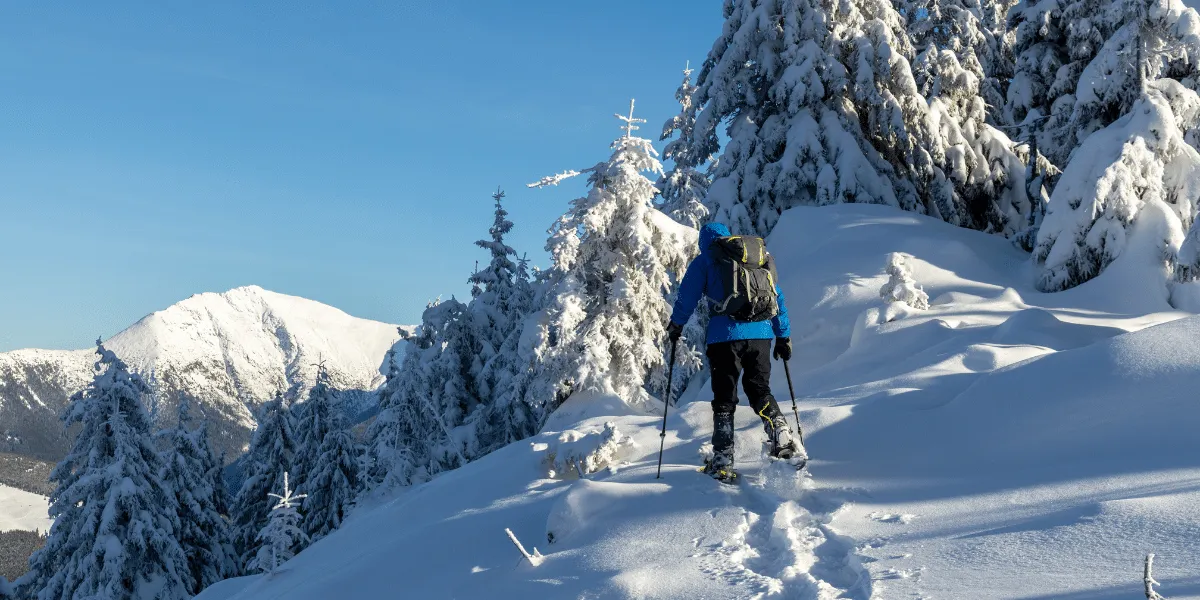
Winter transforms the mountains in a way that feels both magical and intimidating. Trails that once felt familiar during warmer months suddenly look different beneath snow and frost. Trees become quiet sculptures of ice, streams slow beneath frozen edges, and the air carries a sharp stillness that makes every breath feel vivid. Walking through a winter landscape creates a deep sense of solitude, but it also demands more respect for the environment.
Cold-weather hiking reveals a different side of the outdoors. Footsteps crunch across snow, clouds of breath float into the pale sky, and sunlight reflects brightly across white ridgelines. The calm beauty often masks the challenges that winter brings. A trail that feels peaceful can quickly become dangerous if preparation or awareness is missing.
Winter hiking is not simply a colder version of a summer hike. The terrain changes, daylight shortens, and weather conditions can shift rapidly. The same mountains that welcome hikers in autumn can test their judgment in winter. Stepping onto a snow-covered trail means balancing appreciation for the beauty around me with constant attention to safety.
A Landscape Transformed by Snow
Snow reshapes the mountain landscape in ways that feel both peaceful and dramatic. Familiar trails vanish beneath thick layers of powder, and the usual landmarks often disappear under blankets of white. Even the sounds of the forest soften, as snow absorbs noise and leaves the mountains wrapped in a quiet that feels almost sacred.
Walking through a snow-covered trail creates a strong sense of isolation. Footprints become rare, and the wilderness feels vast and untouched. The experience can feel deeply rewarding, especially when the winter sun breaks through clouds and lights up frozen branches. Those moments create a calm that is difficult to find during the busier hiking seasons.
Yet the beauty of winter landscapes can easily distract from the risks beneath them. Ice may hide under fresh snow, and uneven terrain becomes difficult to see. Streams might be frozen on the surface but flowing underneath, creating fragile crossings. Paying attention to the ground, the weather, and the terrain becomes just as important as enjoying the scenery.
Cold Weather and the Body’s Limits
Winter hiking introduces physical challenges that are easy to underestimate. Cold temperatures place constant stress on the body, especially during long hikes or windy conditions. Even simple movements can feel more demanding when heavy clothing and gear are involved.
The body burns more energy in cold environments because it works harder to maintain warmth. That extra effort can lead to fatigue much faster than expected. Snacks and warm drinks become more than small comforts on the trail; they help maintain energy and prevent exhaustion during long winter walks.
Frostbite and hypothermia are real dangers in cold weather. Fingers, toes, ears, and noses are especially vulnerable during freezing temperatures. Strong winds can make conditions feel even colder than the actual temperature. Paying attention to early warning signs like numbness or shivering becomes an essential part of staying safe outdoors.
Navigation Challenges on Snow-Covered Trails
Snow has a way of hiding the path that hikers usually rely on. Trail markers may be buried, and familiar footprints often vanish after fresh snowfall. Even well-traveled routes can suddenly look unfamiliar when every rock and root is hidden beneath white layers.
Following the correct route requires careful attention. I often rely on maps, GPS tools, and clear landmarks rather than expecting the trail itself to guide the way. Ridge lines, tree formations, and terrain features become helpful references when traditional trail signs disappear.
Getting lost in winter can quickly become dangerous. Cold temperatures reduce the margin for error, and daylight hours are shorter during the season. Staying aware of the route and keeping track of time helps prevent situations where the hike stretches longer than expected.
Gear That Protects Against the Cold
Cold-weather hiking requires gear that works with the conditions instead of against them. Clothing layers play a major role in staying warm without overheating. A good base layer helps manage moisture, while insulating layers trap warmth and outer shells protect against wind and snow.
Footwear becomes especially important during winter hikes. Waterproof boots keep feet dry while insulated designs help maintain warmth. Traction devices such as microspikes or crampons can provide stability on icy trails where ordinary hiking boots struggle to grip the surface.
Gloves, hats, and thermal socks are small pieces of gear that make a huge difference during cold-weather hikes. Losing heat through exposed skin happens quickly in winter conditions. Keeping those areas protected helps maintain overall warmth and comfort during long hours on the trail.
Weather That Changes Without Warning
Mountain weather can shift quickly in any season, but winter storms tend to arrive with greater intensity. A clear sky in the morning may slowly turn into falling snow and strong winds by the afternoon. Visibility can drop suddenly, making navigation more difficult.
Watching weather forecasts before heading out is always part of my planning. Conditions such as snowfall, wind speeds, and temperature changes provide important clues about what to expect on the trail. Even then, mountains sometimes create their own weather patterns that surprise hikers.
Carrying extra layers and emergency supplies offers protection against unexpected changes. Snowstorms can slow travel and make trails harder to follow. Preparing for those possibilities allows a hike to remain manageable even when the weather refuses to cooperate.
The Importance of Timing in Winter Hiking
Daylight becomes a valuable resource during winter hikes. Shorter days mean there is less time to reach the destination and return safely before darkness arrives. Starting early often makes the difference between a relaxed hike and a rushed descent.
Winter sunlight can be deceiving because it reflects brightly across snow-covered terrain. Hours seem longer than they actually are, especially when the landscape looks calm and inviting. Keeping track of time ensures that the hike stays within safe limits.
Turning around earlier than planned sometimes becomes the smartest decision on the trail. Snow conditions, fatigue, or weather changes may slow progress. Respecting those signals protects both the experience and personal safety during winter adventures.
Wildlife Encounters in the Quiet Season
Winter changes the behavior of wildlife in mountain environments. Many animals reduce activity or migrate to lower elevations where food is easier to find. Others adapt to the harsh conditions and continue moving quietly through snowy forests.
Tracks in the snow often reveal more wildlife activity than the animals themselves. Fresh footprints from deer, foxes, or small mammals cross the trail and tell quiet stories about life in the mountains during winter. Observing those tracks adds another layer of curiosity to the hiking experience.
Respect for wildlife becomes especially important during the colder months. Animals spend much of their limited energy searching for food and staying warm. Giving them space helps ensure they conserve energy rather than being forced to flee from approaching hikers.
The Mental Rewards of Winter Hiking
Cold-weather hiking brings a sense of calm that feels different from other seasons. Fewer people venture onto the trails during winter, leaving large sections of wilderness peaceful and quiet. That solitude creates space to think clearly and appreciate the landscape without distraction.
Snow-covered mountains often feel timeless. The silence of winter forests, the glow of sunlight on frozen ridges, and the steady rhythm of footsteps through snow create a deeply reflective atmosphere. Each step through the trail becomes more intentional and more memorable.
Winter hiking also strengthens confidence and resilience. Navigating cold environments requires patience, preparation, and awareness. Completing a winter hike brings a quiet satisfaction that comes from facing both beauty and risk in the mountains.
Respecting the Power of Winter Mountains
Winter landscapes may appear calm, but they carry a powerful force that should never be underestimated. Snow, ice, wind, and freezing temperatures create conditions that demand careful decisions from anyone entering the mountains. Ignoring those realities can quickly turn an enjoyable hike into a dangerous situation.
Preparation begins long before stepping onto the trail. Checking weather forecasts, packing proper gear, and planning the route all contribute to a safer winter adventure. Small details, such as carrying extra food or emergency equipment, often become essential when unexpected situations arise.
Respecting winter conditions allows hikers to experience the mountains without unnecessary risk. The goal is not to conquer the environment but to move through it thoughtfully and responsibly. That mindset makes the difference between a reckless outing and a meaningful winter journey.
Finding Balance Between Beauty and Risk
Winter trails hold a unique charm that draws hikers into the mountains even during the coldest months. The beauty of frozen landscapes, silent forests, and snow-covered peaks creates moments that feel unforgettable. Each hike offers the chance to see familiar places through a completely different lens.
The risks of winter hiking remain real, but they do not overshadow the experience when handled with care. Preparation, awareness, and respect for the environment make it possible to explore safely. Those habits become part of every step across snowy terrain.
Walking along winter trails always reminds me how powerful nature can be. The mountains offer breathtaking scenery while quietly demanding responsibility from those who visit. Accepting both sides of that reality allows winter hiking to remain one of the most rewarding outdoor experiences I know.
