

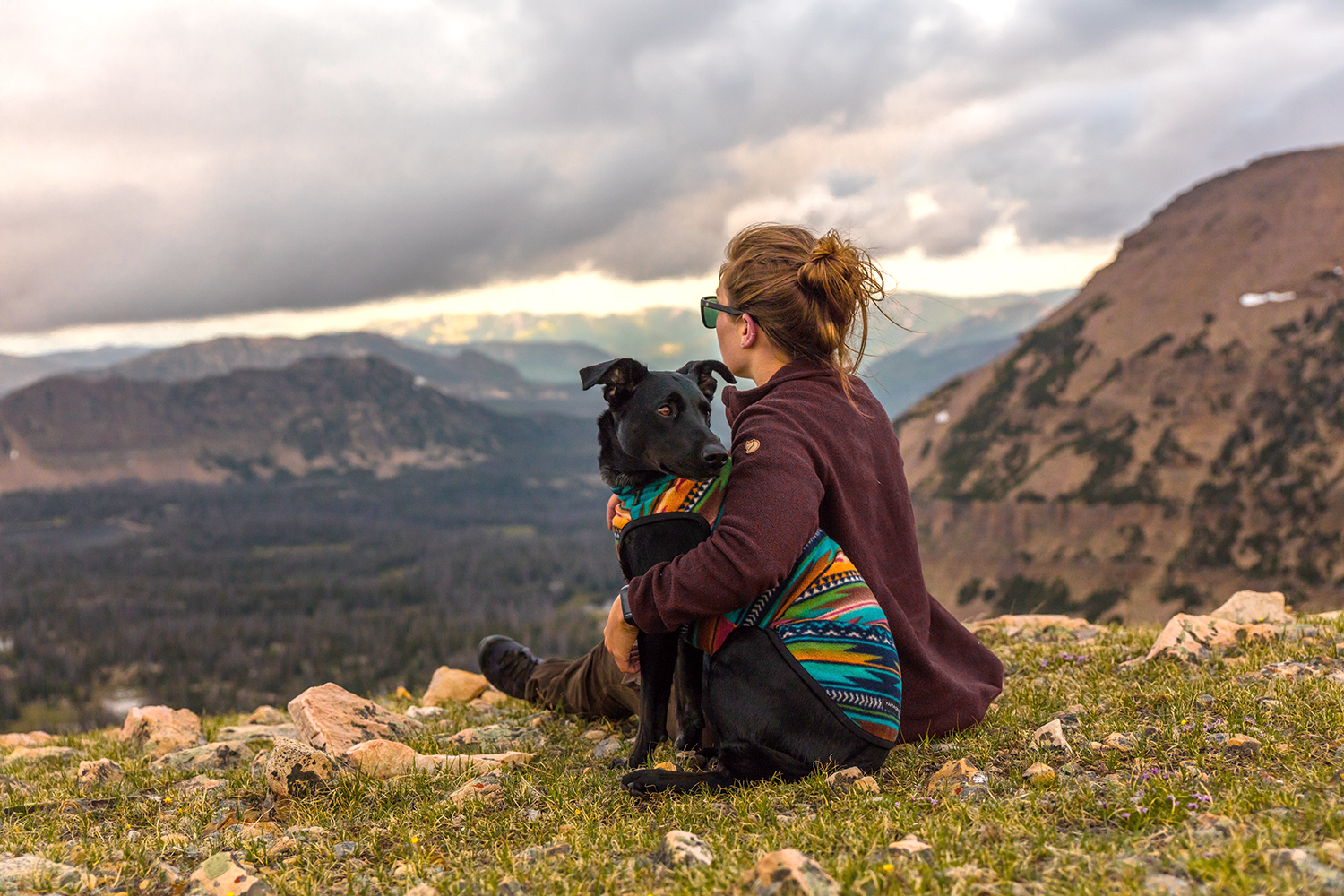
Why Hiking With A Dog Changes The Entire Trail Experience
Fresh mountain air feels different when a dog is trotting happily beside me. The rhythm of paws hitting the dirt trail adds a sense of companionship that transforms an ordinary hike into a shared adventure. Every bend in the path becomes a moment of curiosity as my dog explores scents, tracks, and tiny movements in the brush that I might otherwise miss.
Dogs bring a different energy to the trail. Their excitement is contagious, and that enthusiasm often reminds me to slow down and appreciate the small details around me. Instead of focusing only on reaching the summit, I notice the texture of pine bark, the sound of wind brushing across alpine grass, and the patterns of sunlight through the trees.
Hiking with a dog also adds a sense of responsibility that changes the way I move through the mountains. I pay closer attention to weather conditions, terrain, and wildlife activity. The goal becomes not just reaching the destination but making sure the journey is safe and enjoyable for both of us.
The bond that forms during a long trail day is difficult to replicate anywhere else. Hours spent walking side by side strengthen trust between human and dog. By the time we return to the trailhead, both of us feel that satisfying mix of fatigue and happiness that only a mountain adventure can provide.
Picking Trails That Welcome Four-Legged Hikers
Not every trail allows dogs, and planning ahead prevents disappointment at the trailhead. National parks, state parks, and wilderness areas often have different regulations regarding pets. Checking official park websites or ranger station updates before leaving home saves time and ensures that I respect local rules.
Trails that allow dogs on leash are the most common option. These routes often pass through forests, lakesides, and scenic ridgelines where wildlife protection is important. Keeping my dog leashed protects both the natural environment and other hikers sharing the trail.
Terrain also matters when selecting a route for a dog. Rocky scrambles, steep cliff edges, or exposed alpine sections can be difficult for many dogs. Gradual elevation gain, shaded forest paths, and well-maintained dirt trails usually provide the most comfortable experience.
Distance should match the dog’s fitness level. A short two-mile walk can be perfect for young puppies or older dogs, while active breeds may easily handle longer mountain routes. Paying attention to my dog’s energy levels ensures that the hike stays fun instead of becoming exhausting.
Essential Gear For Dogs On Mountain Trails
Packing gear for a dog quickly becomes second nature once hiking together becomes routine. A sturdy leash and well-fitting harness sit at the top of my packing list. Harnesses distribute pressure evenly and give better control on steep or slippery sections of trail.
Water is just as important for dogs as it is for people. Portable dog bowls or collapsible silicone dishes make hydration stops simple and quick. During warmer hikes, I plan water breaks more often because dogs cannot regulate heat as efficiently as humans.
Trail snacks also help maintain a dog’s energy. High-protein treats or small portions of regular dog food keep stamina levels steady during long hikes. I prefer lightweight containers that seal tightly to prevent crumbs from attracting wildlife.
Waste bags are another must-carry item. Leaving dog waste on the trail damages fragile ecosystems and creates an unpleasant experience for other hikers. Packing it out keeps the trail clean and maintains good relationships between hikers and land managers.
Some dogs benefit from additional gear such as protective booties or lightweight dog backpacks. Booties protect paws from sharp rocks or hot surfaces, while backpacks allow larger dogs to carry small portions of their own food and water. The key is introducing this gear gradually so the dog feels comfortable wearing it.
Trail Safety For Dogs In Mountain Environments
Mountain trails present unique challenges for dogs. Uneven terrain, sudden weather changes, and wildlife encounters require constant awareness. Paying attention to these factors reduces risk and keeps the hike enjoyable.
Heat exhaustion is one of the most common issues for dogs on trails. Panting heavily, slowing down, or lying down unexpectedly can signal overheating. Taking breaks in shaded areas and providing plenty of water helps prevent this problem.
Cold temperatures can also affect dogs, particularly at higher elevations. Short-haired breeds may need lightweight dog jackets during chilly mornings or windy ridge hikes. Monitoring body language helps determine whether a dog feels comfortable or cold.
Wildlife encounters deserve careful attention. Deer, squirrels, and other animals can trigger a dog’s instinct to chase. Keeping my dog on leash prevents sudden sprints that could lead to injury or getting lost in dense forest.
Cliffs and steep drop-offs require extra caution as well. Some dogs become excited by open views and may wander too close to edges. Maintaining leash control in exposed areas protects both the dog and the surrounding landscape.
Ticks, insects, and thorny plants are another consideration on many trails. Checking my dog’s coat after hikes allows me to remove ticks early and inspect for cuts or irritated skin. A quick post-hike check takes only a few minutes but helps prevent larger health issues later.
Trail Etiquette With Dogs Around Other Hikers
Mountain trails are shared spaces, and respectful behavior keeps them welcoming for everyone. A well-trained dog that responds to commands makes encounters with other hikers smooth and pleasant.
Leashing my dog when approaching others is a simple courtesy. Not everyone feels comfortable around dogs, and some hikers may have allergies or fears. Allowing space and maintaining control shows respect for those preferences.
Passing other hikers on narrow trails requires extra awareness. I usually step aside and position my dog close to me while others pass. This small gesture keeps traffic flowing and prevents tangles between leashes, trekking poles, and backpacks.
Dog-to-dog encounters can also happen along popular trails. Asking another hiker before allowing the dogs to greet each other helps avoid tension. Some dogs are friendly and social, while others prefer to keep walking without interaction.
Noise control plays a role in good trail etiquette as well. Occasional barking is natural, but constant barking disrupts the peaceful mountain environment. Training and gentle correction help maintain a calm trail atmosphere.
Respecting these unwritten rules ensures that dog-friendly trails remain open to pets in the future. Land managers often review visitor behavior when deciding whether dogs should continue to be allowed in certain areas.
Training That Makes Hiking Easier And Safer
Trail adventures become far more enjoyable when a dog understands basic commands. Before tackling longer mountain routes, I spend time reinforcing simple cues like sit, stay, come, and heel.
Reliable recall is especially valuable on wide trails or open spaces where off-leash hiking may be allowed. A dog that returns quickly when called avoids dangerous encounters with wildlife or unfamiliar terrain. Practice in controlled environments builds confidence before heading into the mountains.
Loose-leash walking prevents strain during long hikes. Dogs that constantly pull can make even short distances exhausting. Consistent training and patience gradually teach a dog to match my walking pace.
Exposure to different environments also prepares dogs for trail conditions. Dirt paths, wooden bridges, rocky steps, and flowing streams all present new sensations. Short practice walks in varied settings help a dog adapt comfortably.
Positive reinforcement works best during training. Treats, praise, and encouragement motivate dogs to repeat good behavior. Over time, these habits translate into smoother and safer hiking experiences.
Building Stamina For Longer Adventures
Just like people, dogs need time to build endurance. Jumping straight into long mountain hikes without preparation can lead to sore muscles or exhaustion. Gradual conditioning helps both of us enjoy the trail more.
Short neighborhood walks form the foundation of a dog’s hiking fitness. Increasing distance slowly allows muscles, joints, and paw pads to adapt. These daily outings also reinforce obedience skills in different environments.
Once basic stamina develops, local nature trails provide the next step. Mild elevation gain introduces dogs to uphill and downhill movement. Watching how my dog responds to these changes helps determine whether we are ready for longer hikes.
Rest days remain important even for energetic dogs. Muscles recover during downtime, preventing overuse injuries. Alternating between active trail days and lighter walks keeps my dog enthusiastic about future adventures.
Nutrition plays a role in stamina as well. Active dogs often require slightly more calories than sedentary pets. Balanced meals and adequate hydration help maintain energy levels during demanding hikes.
Over time, these small steps build the endurance needed for longer mountain routes. Eventually, multi-hour hikes feel natural for both of us, and the trail becomes a familiar playground.
Memorable Moments Shared On Dog-Friendly Trails
Some of the most memorable hiking experiences happen with a dog nearby. Watching a dog leap through shallow streams or sprint across a meadow captures the joy of exploring wild places. That excitement often reminds me why I started hiking in the first place.
Sunrise hikes feel especially magical with a canine companion. The quiet stillness of early morning trails pairs perfectly with the soft padding of paws on the dirt path. My dog often notices movement long before I do, alerting me to birds, deer, or rustling leaves in the forest.
Reaching scenic overlooks becomes a shared moment of celebration. While I admire distant mountain ranges or valleys below, my dog usually scans the surroundings with curious attention. The pause at the summit turns into a peaceful break before the journey continues.
Even the quieter parts of a hike carry meaning. Sitting beside a trail while my dog rests in the shade creates a sense of calm that city life rarely offers. Those simple pauses make the entire adventure feel more grounded.
Every trail leaves behind a story. Muddy paws in the car, tired smiles after long climbs, and the satisfied silence during the drive home all become part of the memory. Hiking with a dog turns mountain trails into shared chapters of adventure, written one step and one pawprint at a time.
Follow us on Twitter / X — @OutdoorTalking
