

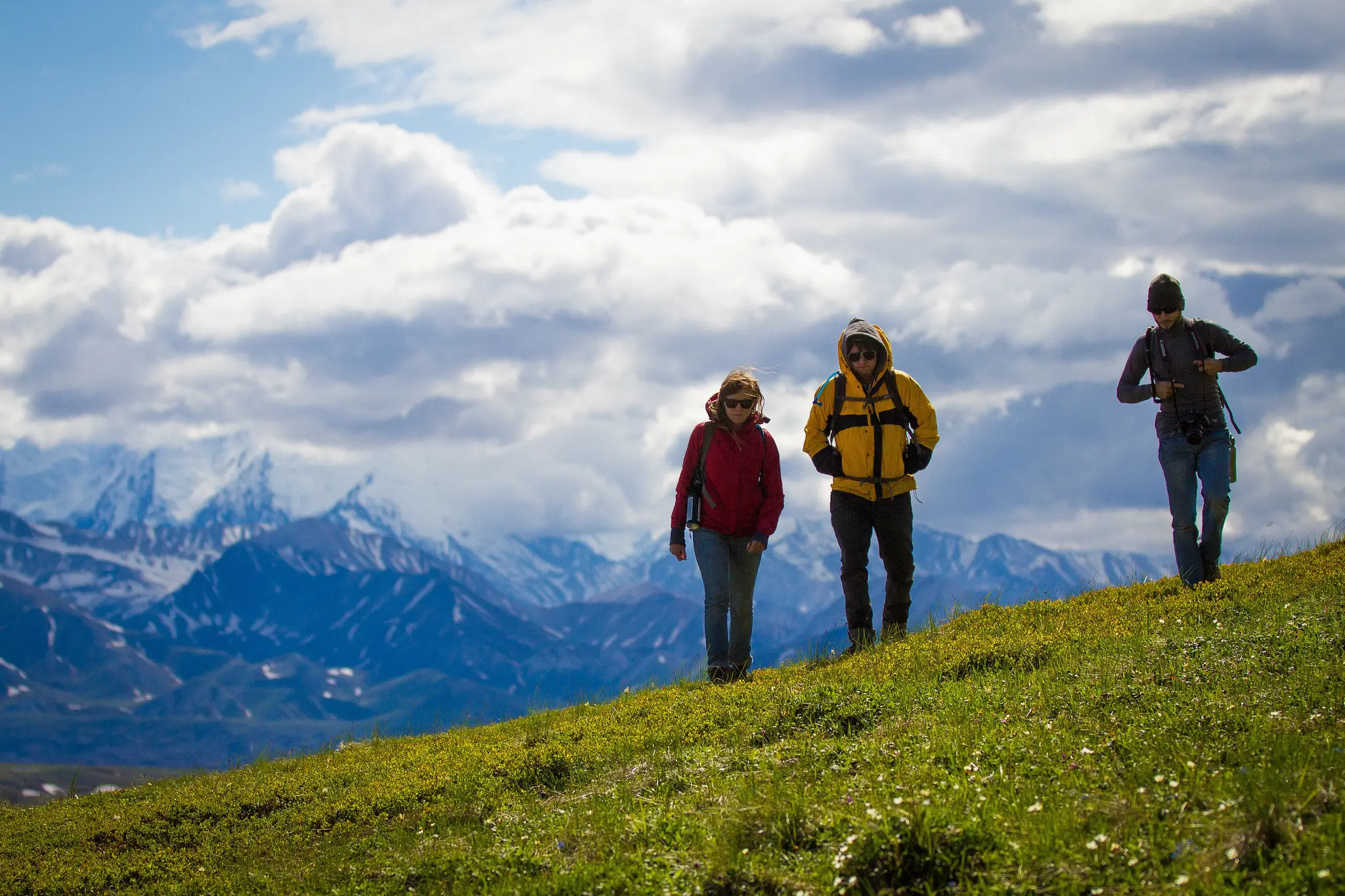
Stepping Beyond the Beaten Path
A marked trail has its advantages. Signs guide the way, footsteps from other hikers make the direction clear, and there is comfort in knowing the route has already been explored countless times. Yet after many miles on established paths, the rhythm can begin to feel predictable. The scenery remains beautiful, but the experience sometimes becomes routine rather than discovery.
Off-trail hiking changes that immediately. The moment I step away from the visible path, the mountain feels different. The forest becomes quieter, the terrain more mysterious, and each step requires attention rather than habit. The sense of exploration becomes real again, like discovering a place that few people have truly experienced.
Walking without a defined trail transforms hiking from simple travel into exploration. Every ridge, valley, and cluster of trees becomes part of the decision-making process. The mountains begin to feel less like a park with designated walkways and more like a wild landscape waiting to be experienced fully.
A Stronger Sense of Adventure
Adventure is one of the main reasons people hike in the first place. Trails provide access to scenic viewpoints, waterfalls, and summits, but they also remove much of the uncertainty that makes exploration exciting. Off-trail hiking restores that missing element of discovery.
Moving across terrain without a path forces constant awareness of surroundings. Rocks, slopes, streams, and thick vegetation shape the route step by step. Instead of simply following signs or painted markers, I begin to read the landscape itself. A gentle ridge might offer easier travel than a steep hillside, while an open meadow might provide the perfect route through dense forest.
That sense of figuring things out along the way turns an ordinary hike into a genuine adventure. The mountains feel larger and more complex, and reaching a destination feels more rewarding because the route was earned rather than handed over.
Adventure does not mean recklessness. Preparation and navigation skills remain essential, but the reward is a deeper connection with the landscape that marked trails rarely offer.
Deeper Connection With Nature
Crowded trails can sometimes feel more like busy walkways than wilderness. Foot traffic, conversations, and constant movement remind hikers that many others are sharing the same route. While the scenery remains beautiful, the atmosphere can lose some of its wild character.
Off-trail hiking changes that atmosphere completely. The moment the trail disappears behind me, the environment grows quieter and more intimate. Sounds become more noticeable, from rustling leaves to distant bird calls. Even the wind through the trees feels more present when there are no other hikers nearby.
This quieter environment encourages a deeper awareness of the natural world. Wildlife becomes easier to observe because fewer people are passing through the area. Plants and small details that might go unnoticed on busy trails suddenly stand out along the way.
The mountains reveal themselves differently when moving slowly and thoughtfully across untouched terrain. Instead of passing through nature, I feel more like a temporary guest in a place that continues quietly without human interruption.
Freedom to Explore Your Own Route
Trails are designed to guide hikers safely through landscapes, but they also limit movement. A marked path determines where hikers walk, where they stop, and often where they turn around. Off-trail travel removes those boundaries and opens the entire landscape for exploration.
Standing on a ridge without a defined path creates a sense of freedom that is difficult to describe. Valleys, peaks, and distant forests all become possible destinations. The route no longer depends on existing infrastructure but on curiosity and observation.
Route decisions become part of the journey itself. A rocky outcrop might offer a better viewpoint than the official trail overlook, while a narrow valley might reveal hidden streams and quiet meadows. These discoveries happen naturally when movement is guided by the terrain rather than predetermined routes.
This freedom transforms hiking into a personal experience rather than a shared itinerary. Each journey becomes unique, shaped by choices made along the way rather than directions printed on a trail map.
Improved Navigation and Outdoor Skills
Off-trail hiking demands greater attention to navigation, terrain reading, and decision-making. While this may sound intimidating at first, it quickly becomes one of the most rewarding aspects of the experience.
Navigation skills develop naturally when relying on maps, compasses, and landmarks instead of trail markers. Hills, rivers, and ridgelines begin to serve as guides through the landscape. Over time, it becomes easier to recognize terrain features and determine the best route forward.
Weather awareness also improves during off-trail travel. Changes in wind, clouds, and temperature carry greater significance when far from established paths. Paying attention to these signals becomes part of the process of moving safely through the mountains.
These skills build confidence in the outdoors. Instead of depending entirely on marked routes, I begin to trust personal judgment and awareness of the landscape. That confidence expands the possibilities for future adventures.
Discovering Hidden Places
Many of the most beautiful places in the mountains exist beyond established trails. Official routes often lead to popular viewpoints, lakes, and summits, but vast areas remain largely unexplored by most hikers.
Off-trail travel opens the door to these hidden places. A narrow valley may hold a quiet stream that rarely sees visitors. A small ridge might offer sweeping views that rival well-known overlooks. Sometimes the most memorable moments happen in locations that never appear on hiking maps.
These discoveries carry a special kind of satisfaction. Reaching a destination that required curiosity and effort creates a sense of personal connection to the place. The experience feels less like visiting a famous landmark and more like uncovering a secret.
The mountains contain countless landscapes that remain unnoticed simply because they lie beyond established paths. Off-trail hiking allows those places to become part of the journey.
More in Trails: Sunrise or Sunset Hikes — Which do you prefer?
Solitude and Quiet in the Mountains
Solitude is increasingly rare on popular hiking trails. Scenic routes often attract large numbers of visitors, especially during weekends and peak seasons. While shared enthusiasm for nature is positive, crowded trails can sometimes diminish the sense of wilderness.
Stepping away from those paths often leads to immediate quiet. Even traveling a short distance beyond a popular route can result in complete solitude. The sounds of other hikers fade, replaced by wind, birds, and the natural rhythm of the landscape.
This quiet environment allows space for reflection. Hiking becomes less about reaching a destination quickly and more about experiencing the surroundings. Time seems to move differently when there are no signs, crowds, or schedules influencing the pace.
Solitude in the mountains offers mental clarity that is difficult to find elsewhere. The simplicity of walking through wild terrain encourages focus and appreciation for the environment.
Respect for the Landscape
Off-trail hiking also encourages greater respect for the natural world. Traveling without established paths requires careful attention to the terrain and the impact of each step. Delicate plants, fragile soil, and wildlife habitats all deserve consideration.
Moving thoughtfully across the landscape helps protect these environments. Choosing durable surfaces such as rock or gravel reduces damage to vegetation. Avoiding sensitive areas preserves the beauty and health of the ecosystem for future visitors.
This mindful approach fosters a deeper sense of responsibility toward nature. The mountains are not simply a place to visit but a living environment that requires care and respect.
Practicing responsible off-trail travel ensures that exploration does not come at the expense of the landscapes that make it meaningful.
A New Perspective on Hiking
Off-trail hiking changes how the mountains are experienced. Trails provide structure and accessibility, but stepping away from them reveals a different side of the wilderness. The landscape becomes less predictable and more engaging with every step.
Each journey becomes shaped by curiosity rather than routine. Navigation, exploration, and observation combine to create an experience that feels both challenging and rewarding. The mountains begin to feel larger and more mysterious than they ever did on marked paths.
This perspective often renews enthusiasm for hiking. Even familiar regions reveal new possibilities once the limitations of established trails disappear. The environment becomes an open canvas for exploration rather than a network of predefined routes.
Off-trail travel is not about rejecting trails entirely. It simply adds another dimension to outdoor adventure, one that encourages curiosity, patience, and deeper engagement with the landscape.
Why It Can Be the Most Rewarding Hiking Experience
The decision to step off a trail can transform the entire hiking experience. Adventure becomes more authentic, the connection with nature grows stronger, and the mountains reveal places that remain hidden from most visitors.
Every step requires awareness and intention. The terrain shapes the journey, and discoveries appear naturally along the way. This combination of challenge and exploration creates memories that last far longer than a typical walk along a marked path.
Off-trail hiking reminds me that the wilderness is not just a place to pass through but a landscape to truly explore. The mountains offer endless possibilities beyond the edges of established trails. Taking that step into untamed terrain can easily become one of the most meaningful decisions a hiker ever makes.
Follow us on Twitter / X — @OutdoorTalking
