

The Restlessness That Would Not Go Away
A quiet restlessness followed me through my daily routine long before I admitted something needed to change. My job was stable, the paycheck arrived on schedule, and my life looked perfectly reasonable from the outside. Yet every morning felt heavier than the last, like I was stepping into a routine that slowly drained the excitement out of living. The work itself wasn’t terrible, but the rhythm of repetition made each week blur into the next.
During lunch breaks, my mind wandered far beyond office walls. I found myself reading trail journals, studying maps, and watching hikers walk across mountain ridges that seemed impossibly far away from my desk. The idea of spending months outdoors stirred something deep inside me. It wasn’t just curiosity; it felt more like a calling that refused to stay quiet.
Evenings became filled with thoughts of distant trails rather than career advancement. Instead of planning promotions or professional milestones, I imagined waking up inside a tent surrounded by pine trees and cold mountain air. The contrast between those two visions made it impossible to ignore the truth. My life was comfortable, but comfort had quietly replaced excitement.
The Moment the Idea Became Real
Dreaming about a long-distance hike felt harmless at first. It was the kind of idea people entertain without ever acting on it, like imagining a year-long road trip or moving to another country. For months, I treated the thought the same way, something pleasant to think about but not something I would actually do.
Then one evening I noticed how detailed my planning had become. I had spreadsheets listing gear, trail resupply points, and estimated mileage. Maps covered my desk as if I were preparing for a real expedition rather than daydreaming about one. That realization shifted the entire perspective.
The thought appeared suddenly and refused to leave: if I kept waiting for the perfect time, it would never come. Careers rarely pause politely so someone can wander through mountains for half a year. Life moves forward quickly, and the opportunity to take risks tends to shrink with each passing year. That night the idea stopped feeling impossible and started feeling necessary.
The Weight of a Comfortable Career
Walking away from a steady job is rarely a logical decision. The career I built provided security, predictable routines, and a sense of progress that society celebrates. Friends and coworkers talked about promotions, retirement plans, and long-term stability. Those conversations made quitting sound reckless.
Security has a strange effect on ambition. It creates a quiet pressure to keep moving along the same path simply because the path already exists. Every year invested in a career makes leaving feel like throwing something away. The longer someone stays, the harder it becomes to step off that road.
Despite that pressure, the feeling of staying put began to weigh more than the risk of leaving. The thought of looking back years later and realizing the hike never happened felt worse than the fear of temporary uncertainty. Stability suddenly looked less like safety and more like a comfortable cage.
Conversations That Tested My Resolve
Sharing the plan with other people introduced a wave of reactions I had not fully prepared for. Some friends responded with excitement and curiosity, asking questions about trails and campsites. Others looked puzzled, as if I had casually announced plans to walk across an ocean.
Family members worried about finances, safety, and what would happen after six months away from work. Those concerns were reasonable, and I had many of the same questions myself. Conversations often ended with long pauses filled with uncertainty.
Not everyone understood why anyone would voluntarily leave a steady job to spend months walking through wilderness. Explaining the motivation proved difficult because the reasons went deeper than logic. The desire to experience something meaningful rarely fits neatly into practical explanations.
Preparing for a Different Kind of Life
The months before leaving became a mixture of planning and emotional adjustment. Gear lists grew longer as I researched what experienced hikers carried on extended journeys. Each item represented a small decision about survival, comfort, and efficiency.
Financial preparation required equal attention. Savings had to cover months without income, along with food, equipment replacements, and travel expenses along the trail. Budgeting forced me to confront the reality that this dream would come with real costs.
Packing my belongings at home created another strange moment of reflection. Everyday possessions that once seemed important suddenly felt unnecessary. The idea of living with only what fit inside a backpack reshaped my understanding of what I truly needed.
The Final Weeks Before Departure
The last weeks at work felt surreal. Colleagues continued discussing meetings, deadlines, and future projects while my thoughts drifted toward mountain passes and forest trails. Each passing day made the upcoming departure feel both exciting and terrifying.
Wrapping up responsibilities required careful planning. I wanted to leave on good terms, which meant documenting processes, finishing projects, and helping others transition into roles I previously handled. The professional side of me insisted on a smooth exit even as my mind wandered toward distant ridgelines.
Saying goodbye to coworkers carried an emotional weight I didn’t expect. Some wished me luck with genuine enthusiasm, while others seemed quietly skeptical. Walking out of the office on the final day felt strangely calm, as if a chapter had closed exactly when it needed to.
The First Steps on the Trail
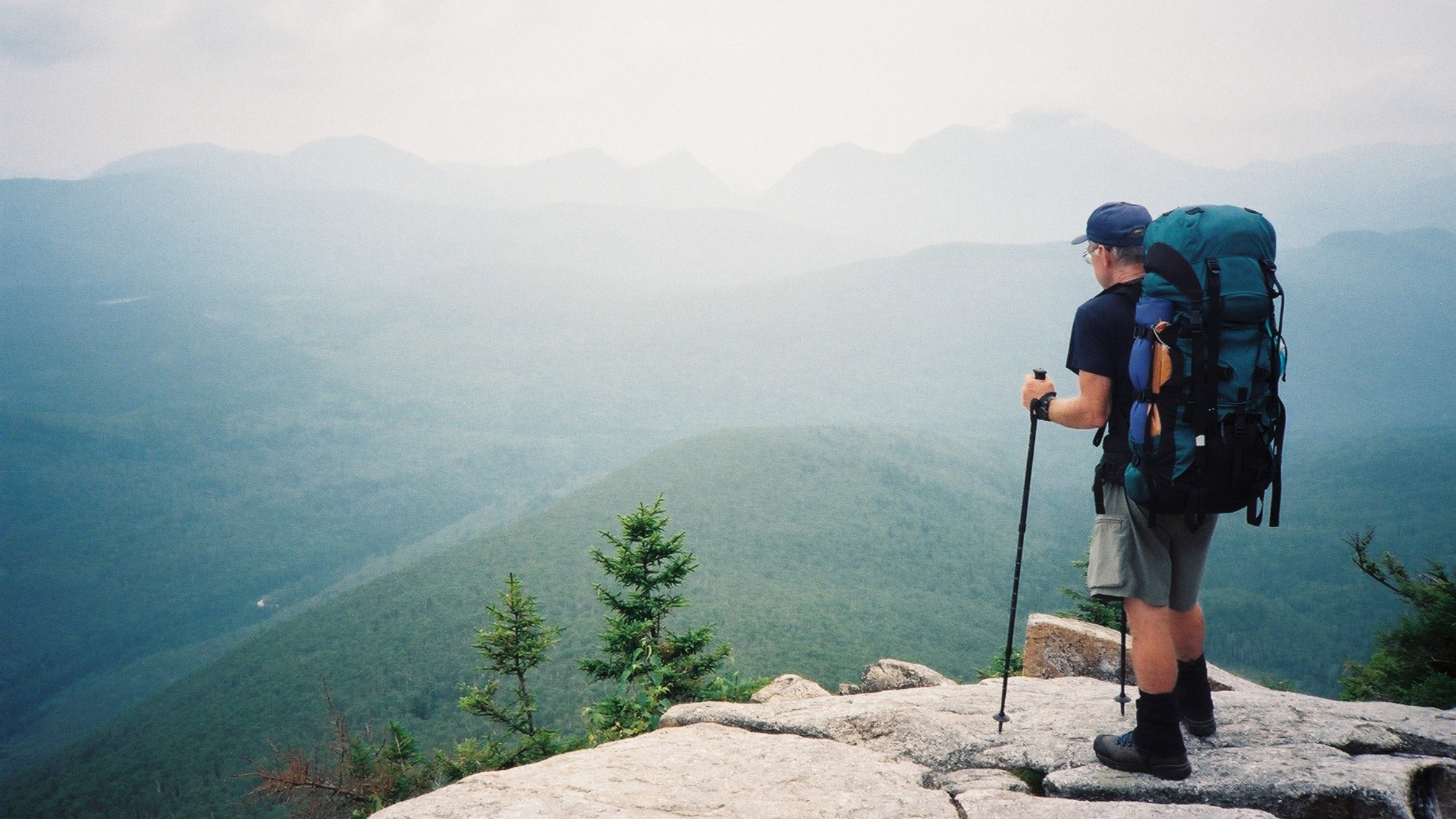
The first morning of the hike arrived with a mixture of excitement and disbelief. Months of planning had led to this single moment: standing at the trailhead with a backpack and an uncertain future stretching ahead. The mountains looked both inviting and intimidating.
Each step during the early miles carried a sense of freedom I had rarely experienced before. The pace of life slowed immediately, guided by sunlight, terrain, and the rhythm of walking. Office schedules and email notifications faded quickly from memory.
Physical reality soon replaced romantic expectations. Long-distance hiking is demanding, and the trail wasted no time introducing steep climbs and aching muscles. The difficulty felt strangely satisfying, as if every challenge confirmed the decision to leave comfort behind.
Lessons Found in Long Days of Walking
Spending entire days walking through forests and mountain ridges leaves plenty of time for reflection. Thoughts drift naturally during hours of steady movement, revealing perspectives that rarely surface during busy routines. The trail became a space where ideas could breathe.
One lesson appeared early and often: simplicity brings clarity. Life on the trail revolves around basic needs such as water, food, shelter, and rest. Stripping away the noise of modern routines exposed how little is actually required to feel content.
Another realization came through the pace of travel. Covering miles on foot forces patience because progress happens slowly and steadily. That rhythm encourages appreciation for small moments like sunlight filtering through trees or the sound of wind moving across open ridges.
The People Met Along the Way
Long-distance trails attract individuals from remarkably different backgrounds. Some hikers leave corporate careers, while others pause between college and future plans. Many carry stories that explain why they felt drawn to months of walking.
Campfires and shared shelters often turn into places where those stories unfold. Conversations range from lighthearted jokes about sore feet to deeper discussions about life decisions. Listening to other hikers reveals how many people quietly search for experiences beyond ordinary routines.
Friendships form quickly on the trail because everyone shares the same challenges. Blisters, steep climbs, and sudden storms create a sense of camaraderie that rarely appears in everyday environments. Strangers become companions simply by walking in the same direction.
Hard Days That Tested the Decision
Not every moment of a thru-hike feels magical. Rainstorms, exhaustion, and sore muscles sometimes combine into days that feel endless. Walking through mud for hours can make anyone question their life choices.
During those difficult stretches, the memory of a stable career occasionally resurfaced. A warm office and steady paycheck suddenly sounded appealing compared to cold wind and aching knees. Those thoughts usually arrived when fatigue was strongest.
Continuing forward during those moments required reminding myself why the journey began. The purpose of leaving comfort behind was to experience something real and challenging. Difficulty became part of the story rather than a reason to quit.
How the Mountains Changed My Perspective
Weeks of living outdoors gradually shifted my perspective on many aspects of life. Success started looking less like professional advancement and more like personal fulfillment. The trail created space to reconsider what truly mattered.
Time felt different in the mountains. Instead of being divided by meetings and deadlines, days were measured by sunrise, miles walked, and campsites reached before dark. That rhythm felt natural in a way that modern schedules rarely do.
Observing nature day after day also created a sense of humility. Mountain landscapes operate on timescales far beyond human careers or ambitions. Standing among ancient forests and towering peaks made many worries seem smaller than they once felt.
Returning With a Different Outlook
Six months passed faster than expected, even though each day on the trail unfolded slowly. Reaching the final miles brought a mixture of pride and sadness. The journey had become a way of life, and leaving it behind felt strange.
Returning to everyday routines required adjustment. Cities felt louder, schedules felt tighter, and the simplicity of trail life became something I missed immediately. The experience had reshaped my priorities in ways that could not easily be reversed.
Career decisions looked different after spending months disconnected from professional expectations. Work still mattered, but it no longer defined my entire identity. The trail showed that life contains many paths beyond traditional success.
Why Leaving Was Worth It
Walking away from a stable job frightened me more than any mountain pass along the trail. The risk of uncertainty seemed enormous before the journey began. Looking back now, the decision feels less like a gamble and more like a turning point.
Experiences gained during those months cannot be measured in salaries or promotions. They exist in memories of sunrise above alpine valleys, friendships formed around campfires, and quiet moments of reflection along empty ridges. Those moments continue shaping how I approach life long after the hike ended.
Quitting my job to thru-hike for six months was never about escaping responsibility. The choice came from a desire to experience life more fully while the opportunity existed. Mountains have a way of reminding people that time moves quickly, and some adventures deserve to happen before the chance disappears.
