

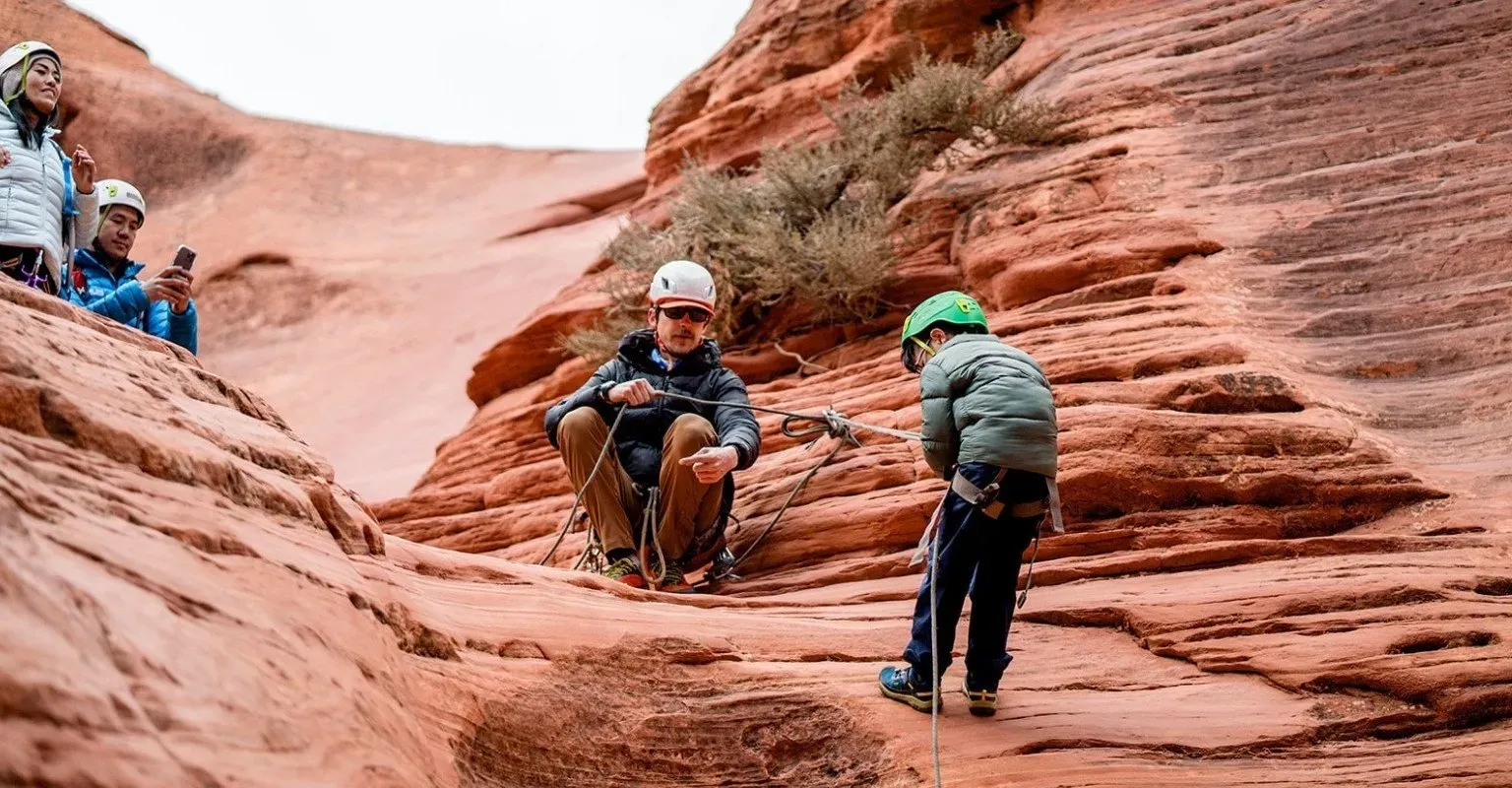
The Allure Of Descending Into Hidden Landscapes
Canyons hold a quiet kind of mystery that is difficult to describe until you stand at the edge of one. Jagged rock walls rise on both sides, sunlight cuts through narrow openings above, and the sound of water echoes somewhere below. Instead of walking across a mountain ridge, canyoneering invites a different direction—downward. The terrain becomes a puzzle of cliffs, waterfalls, and deep pools that can only be navigated through ropework, scrambling, and rappelling.
Rappelling is one of the defining skills of canyoneering. It allows passage through vertical drops that would otherwise stop a journey entirely. With a harness clipped into a rope and the canyon floor far below, the descent becomes both a physical challenge and a mental exercise in trust and control. Every movement matters, from how the rope is fed through the device to the placement of each careful step against the rock wall.
What draws many hikers and climbers toward canyoneering is the sense of entering spaces that few people ever see. Many slot canyons hide beneath towering cliffs where trails cannot reach. Rappelling becomes the key that unlocks those secret corridors of stone and water. Each descent carries the feeling of stepping deeper into a landscape shaped by thousands of years of erosion.
The experience is both humbling and thrilling. Standing above a drop forces attention onto the present moment in a way that few outdoor activities can replicate. The canyon demands respect, preparation, and patience, but it also rewards those who accept its challenges with unforgettable scenery and adventure.
Essential Gear For Safe Rappelling
Before stepping onto the edge of a canyon wall, the right equipment must be ready and properly used. Canyoneering gear is designed to handle abrasive rock, flowing water, and repeated descents. Every piece serves a purpose, and overlooking even a small item can complicate a trip.
A harness forms the foundation of the system. It wraps securely around the waist and legs, distributing weight comfortably while hanging on the rope. Canyoneering harnesses are often reinforced to handle rough rock surfaces that can wear down standard climbing gear. Sitting into the harness during a rappel should feel stable and balanced rather than restrictive.
The rope itself is another critical element. Unlike many climbing ropes that stretch significantly, canyoneering ropes are typically low-stretch to provide better control during long descents. Their durability helps them withstand friction against canyon walls and edges. Rope length must match the height of each rappel, and extra length provides a margin of safety in unfamiliar terrain.
A rappel device controls the speed of descent. Devices such as an ATC, figure eight, or specialized canyon descenders allow the rope to move smoothly while maintaining friction. By adjusting the angle of the brake hand and body position, the person descending can slow down or stop completely. This control transforms what would otherwise be a dangerous drop into a manageable and deliberate movement.
Helmets protect against falling debris and accidental bumps against rock walls. Canyons often funnel loose stones downward, especially when groups move above one another. A helmet may not seem glamorous, but it quickly becomes one of the most appreciated pieces of equipment when navigating narrow passages.
Carabiners, slings, and anchor systems connect everything together. Anchors might be bolts drilled into rock, natural rock horns, or sturdy trees perched near the canyon edge. Before any rappel begins, the anchor must be inspected carefully to ensure it can support the weight of multiple people and gear.
Reading The Canyon Before The Descent
Standing at the top of a rappel offers a chance to pause and study the terrain. Canyons are shaped by water, gravity, and time, and their features can reveal clues about what lies below. Paying attention to those details often prevents problems later in the descent.
Water flow is one of the most important factors to evaluate. A dry canyon might transform into a powerful water chute after rainfall upstream. Even moderate water pressure can push a rappeller sideways or create slippery rock surfaces that complicate footing. Observing water levels and checking weather forecasts become essential parts of preparation.
Rock quality also deserves close attention. Some canyon walls are solid sandstone or granite, while others crumble under pressure. Loose rock near anchors can compromise safety, and unstable ledges may break when stepped on. Testing handholds and footholds before committing weight helps prevent unpleasant surprises halfway down the wall.
The landing zone below the rappel matters just as much as the drop itself. A pool of water may cushion the final steps, but submerged rocks could still lurk beneath the surface. Dry landings sometimes involve narrow ledges or uneven terrain that require careful balance when stepping off the rope.
Communication within the group is another critical step before descending. Clear signals allow one person to rappel while others manage the rope above. Simple calls such as “on rappel” or “rope free” keep everyone aware of what is happening at each stage of the process.
Taking time to observe the canyon also deepens appreciation for the environment itself. Layers of rock reveal geological history, while sculpted walls display the artistry of flowing water. That quiet moment at the edge often becomes one of the most memorable parts of the entire journey.
Technique That Keeps A Rappel Controlled
Rappelling may appear intimidating at first glance, yet the technique itself relies on controlled and deliberate movement. Once the rope is threaded through the device and clipped to the harness, the process begins with leaning back into the system. Trusting the rope is often the hardest mental step, but proper setup allows it to support body weight securely.
Body position plays a major role in maintaining balance. Leaning back at roughly a right angle to the rock wall creates stability and allows the legs to carry most of the weight. Feet should remain shoulder-width apart, pressing firmly against the surface while stepping downward.
The brake hand controls the rope below the device. By gripping the rope and lowering the hand toward the hip, friction increases and slows the descent. Raising the brake hand slightly allows the rope to slide more freely, creating a smooth and steady movement downward.
Small steps make a significant difference during the rappel. Large leaps may look dramatic but often lead to swinging or loss of balance. Careful foot placement ensures better traction and keeps the descent controlled from top to bottom.
Occasionally, canyon walls curve outward or become slick with moisture. In these situations, maintaining a steady pace prevents sudden jerks on the rope. Calm breathing and focused attention help maintain confidence even when the drop below appears intimidating.
Reaching the bottom is often accompanied by a surge of relief and excitement. The final step off the rope marks the completion of one challenge and the beginning of whatever obstacle the canyon presents next.
Navigating Water, Pools, And Narrow Slots
Canyoneering rarely consists of rappelling alone. Many routes include swimming through cold pools, squeezing through tight corridors, or scrambling across boulders wedged between canyon walls. Each obstacle adds variety and complexity to the journey.
Water changes the character of a canyon dramatically. Clear pools invite a refreshing swim on hot days, yet cold water can quickly drain body heat in shaded environments. Protective clothing such as wetsuits may become necessary depending on the canyon’s temperature and water depth.
Narrow slot sections can feel both magical and claustrophobic. Sunlight may barely reach the canyon floor, leaving twisting passages illuminated by soft reflections from the rock walls. Moving through these corridors often requires sideways shuffling or careful climbing over obstacles carved by rushing water.
Rappels beside waterfalls add another layer of excitement. The sound of cascading water grows louder with each step toward the edge, and mist fills the air as the descent begins. Water pressure can push against the body, requiring stronger footing and deliberate rope control.
These varied challenges transform canyoneering into a full-body experience. Arms manage rope systems, legs stabilize movement on steep terrain, and the mind stays alert to every change in environment. Each section of the canyon feels like a new chapter in the adventure.
Respecting The Canyon Environment
Canyons are fragile ecosystems shaped by natural forces over countless years. Heavy foot traffic and careless behavior can damage these environments faster than many people realize. Respecting the canyon ensures that future adventurers will experience the same beauty.
Minimizing impact begins with careful route selection. Using established anchors and avoiding unnecessary drilling helps preserve the natural appearance of the canyon walls. Packing out all trash and gear is equally important, as even small items can disrupt wildlife and water systems.
Water sources in canyons often support plants and animals adapted to limited moisture. Disturbing these areas can harm delicate ecosystems that rely on stable conditions. Staying on durable surfaces such as rock and sand reduces damage to vegetation growing along canyon floors.
Noise also affects the atmosphere of a canyon. Echoes travel far through narrow corridors, and excessive shouting can disrupt wildlife and the quiet sense of solitude many visitors seek. Calm voices and thoughtful movement allow the canyon to retain its peaceful character.
Experiencing these landscapes carries a responsibility that extends beyond personal enjoyment. Protecting the canyon ensures that its beauty remains intact long after a single trip has ended.
The Mindset Behind A Successful Descent
Rappelling into a canyon is as much a mental exercise as it is a physical activity. Confidence grows with practice, yet humility remains an important companion. Even experienced adventurers approach each canyon with caution because conditions can change rapidly.
Preparation begins long before reaching the trailhead. Studying route descriptions, checking weather patterns, and confirming gear lists help prevent avoidable mistakes. A well-prepared group moves more efficiently and reacts calmly when unexpected situations arise.
Patience is another valuable trait in canyoneering. Setting anchors, checking knots, and managing ropes takes time, especially with larger groups. Rushing through these steps can lead to errors that compromise safety.
Trust within the group strengthens the entire experience. Each person relies on others to manage ropes, verify anchors, and communicate clearly. That shared responsibility creates a sense of teamwork that often becomes one of the most rewarding aspects of the adventure.
Standing at the bottom of a completed rappel often sparks a quiet sense of accomplishment. Looking up at the cliff that once seemed intimidating reveals how preparation and steady effort turned uncertainty into progress. The canyon becomes both a challenge and a teacher, reminding every adventurer that exploration is rarely about conquering nature but rather learning how to move respectfully within it.
