

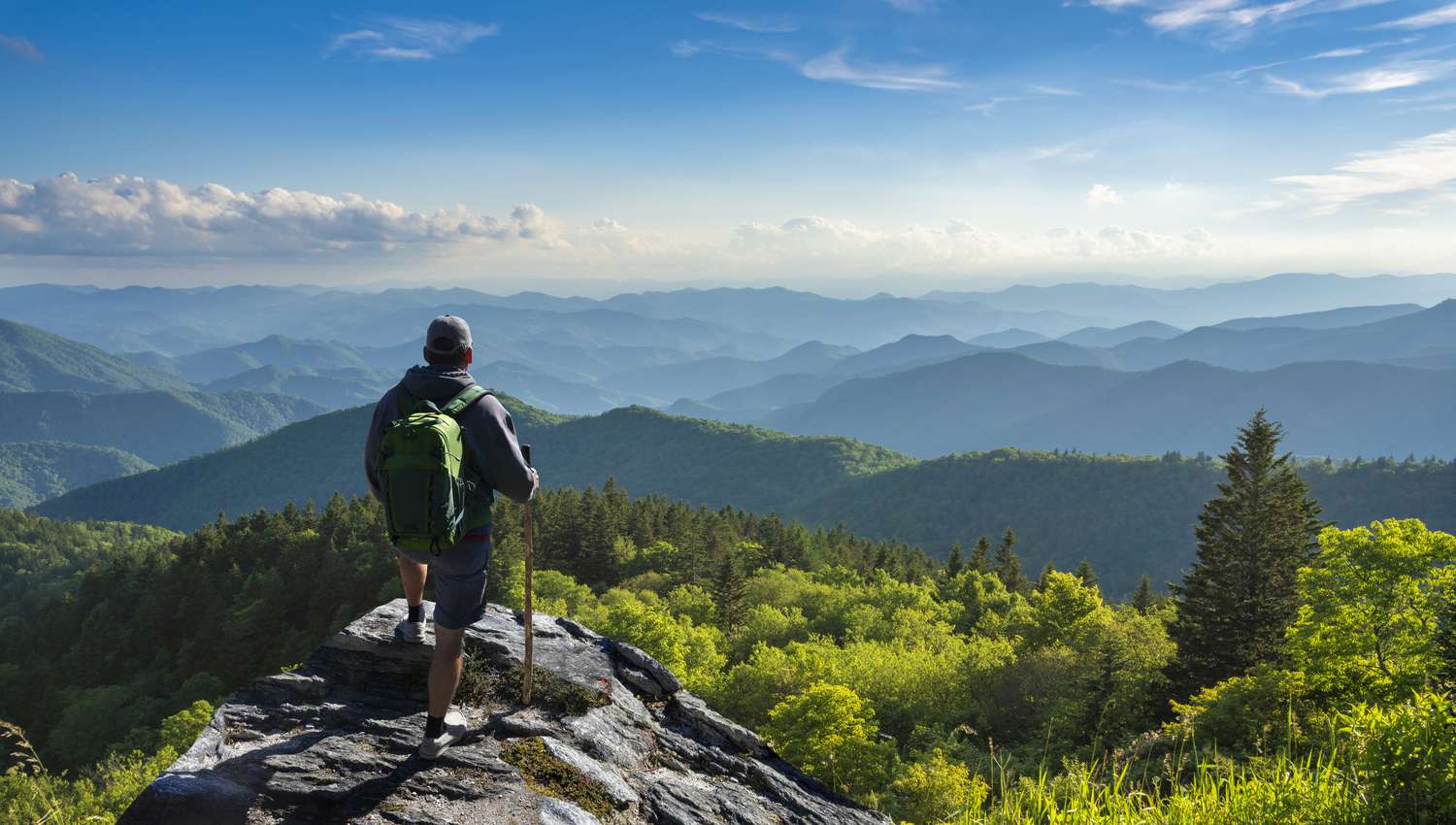
The Day the Map Became Useless
A mountain rarely cares about the plans made at the trailhead. I’ve stood at the base of many ridges with a carefully drawn route, marked checkpoints, and a timeline that looked perfectly reasonable on paper. Then the clouds roll in, the trail fades, or the weather shifts without warning. In those moments, the map starts to feel less like a guide and more like a suggestion.
One afternoon on a high ridge, the path I expected to follow disappeared beneath a slope of loose rocks. The markers I had counted on were gone, and the GPS signal flickered in and out. Turning back seemed like the responsible option, yet the mountain had other ideas. I decided to follow a faint animal trail that curved toward a valley I hadn’t planned to visit.
That unplanned detour led me to a hidden meadow tucked between two walls of granite. The wind carried the smell of pine and cold earth, and a small stream cut through the grass like a silver ribbon. None of it appeared on my route notes. The moment felt earned in a way that carefully planned checkpoints rarely do.
Mountains reward curiosity more than perfection. Plans create a starting point, but the best memories often appear after those plans fall apart.
The Comfort of Plans and the Reality of Mountains
Preparation matters in the mountains. Packing the right gear, studying the terrain, and knowing the weather patterns can mean the difference between a safe return and a dangerous mistake. I never step onto a trail without doing my homework. Planning creates a sense of control before the climb begins.
Yet mountains constantly remind us how fragile that control really is. Weather forecasts shift faster at elevation, trails wash away during storms, and distances that look short on a map stretch longer across rugged ground. The terrain rewrites expectations without asking permission.
During one climb in a remote range, a storm arrived three hours earlier than predicted. Dark clouds swallowed the ridgeline, and rain turned the path into a ribbon of mud. My carefully organized itinerary instantly lost relevance. Reaching the summit no longer mattered.
Instead, the goal became finding a safe route down the mountain. That shift changed the entire experience. The climb stopped being about accomplishment and turned into an exercise in awareness, patience, and trust in my instincts.
Strangely enough, the memory of that storm remains one of the most vivid moments I’ve ever had outdoors.
Detours That Become the Highlight
Trail detours carry a certain magic that planned routes rarely replicate. A planned hike often follows known viewpoints and established paths. Those places are beautiful, but they also carry the footprints of thousands who came before.
An unexpected detour leads somewhere quieter. It might be a ridge that appears unremarkable from below or a side valley that doesn’t attract attention on the map. The absence of expectation changes how the place feels.
One trip took me along a narrow trail that suddenly vanished under fallen trees after a landslide. The original route had become impassable, forcing me to circle around the slope through dense forest. The terrain was slow and messy, but the forest opened into a clearing filled with wildflowers that stretched across the hillside.
No trail markers, no crowds, and no sign that anyone had stood there recently. The entire slope glowed with color beneath a pale blue sky. Moments like that feel almost private, as if the mountain briefly shares a secret with whoever happens to wander in the right direction.
That clearing never appeared on my map. The detour created it in my memory.
Uncertainty Makes the Experience Sharper
A carefully planned adventure can sometimes feel like following a checklist. Reach the next viewpoint, check the time, move to the next waypoint. The structure provides comfort, yet it can dull the sense of discovery.
Unexpected situations change that immediately. Suddenly every sound, every shift in the wind, and every change in terrain becomes meaningful. Attention sharpens because the situation demands it.
During a long trek through a volcanic landscape, a thick fog rolled across the plateau. The path vanished within minutes. Visibility dropped so low that the next cairn appeared only when I was nearly standing beside it.
Walking through that fog required patience and focus. Each step carried weight because the next landmark might not appear where expected. Strangely enough, that slow and uncertain stretch of trail remains one of the most memorable hours I’ve spent in the mountains.
The fog transformed an ordinary section of trail into something mysterious and unforgettable.
The Stories No One Plans
The best stories rarely begin with perfect execution. They begin with a problem that forces a change of direction. Plans fall apart, and the adventure becomes something entirely different.
I once planned a straightforward overnight hike to a ridge overlooking a glacial lake. The route looked simple enough, and the weather forecast promised clear skies. By midafternoon, however, strong winds rolled through the valley and pushed dense clouds across the ridge.
The summit disappeared behind swirling mist, making the original campsite unsafe. Instead of continuing upward, I descended into a lower basin where the wind softened among scattered boulders.
That unexpected campsite turned into one of the most peaceful nights I’ve experienced outdoors. The clouds cleared after sunset, revealing a sky crowded with stars. The glacial lake reflected the moonlight so clearly that the mountains appeared doubled in the water.
None of that was part of the original plan. The change in direction created a better ending than the one I had imagined.
Flexibility Is a Quiet Skill
Many outdoor skills receive attention: navigation, endurance, gear selection, and route planning. Flexibility rarely appears on that list, yet it might be one of the most valuable abilities a mountain traveler can develop.
Plans provide structure, but flexibility allows those plans to evolve. A rigid mindset struggles when the trail changes, while a flexible one adapts and keeps moving forward.
Flexibility does not mean abandoning caution. It means accepting that mountains operate on their own terms. Weather shifts, paths disappear, and unexpected obstacles appear without warning.
On one trip, a river crossing that seemed manageable in the morning became dangerous by afternoon as snowmelt increased the flow. Waiting beside the river felt frustrating at first. The delay threatened the entire schedule.
Hours later the water level dropped enough for a safe crossing, and the valley beyond revealed a wide alpine plateau glowing under the evening light. Had I rushed the crossing earlier, the risk would have overshadowed the entire trip.
Patience turned a frustrating delay into a memorable evening on the mountain.
Letting Go of the Perfect Outcome
Many hikers and climbers chase a specific goal. A summit, a famous viewpoint, or a landmark trail becomes the center of the entire trip. Reaching that destination feels like the definition of success.
Mountains often challenge that idea. Storms block summits, trails close, and physical exhaustion forces early turnarounds. The original objective fades away.
Those moments can feel disappointing, yet they often lead to a different perspective. The journey itself holds more meaning than the single point at the end of the trail.
One climb ended just a few hundred meters below the summit because of strong winds. The ridge ahead looked exposed and unpredictable. Turning around felt frustrating at first, especially after hours of climbing.
While descending, the clouds parted just enough to reveal the valley below glowing in late afternoon light. Waterfalls streaked down the cliffs, and distant peaks stretched toward the horizon.
That view lasted only a few minutes before the clouds closed again. The summit remained out of reach, yet the memory of that moment stayed long after the trip ended.
Trail Savage: Get the ‘King of The Mountain’ Tee
The Mountain’s Way of Rewriting Plans
Mountains have a quiet way of reshaping expectations. The terrain, the weather, and the rhythm of the climb gradually shift the direction of the journey.
A planned route might begin with clear intentions, but the mountain introduces variables that no itinerary can fully predict. Rocks crumble, snowfields linger longer than expected, and valleys reveal routes that look more inviting than the original path.
During one trek through a rugged mountain range, a landslide blocked the trail I intended to follow. The only option was a narrow ridge that curved toward an unfamiliar valley.
The ridge offered a view that stretched across multiple peaks and distant glaciers. The entire landscape looked raw and untouched. Had the original trail remained open, I would have missed that perspective entirely.
Moments like that make it clear that plans serve as guides rather than rules.
Adventure Lives Beyond the Itinerary
Adventure thrives in the space between expectation and reality. Plans outline a path, but real exploration begins when that path changes.
A rigid itinerary leaves little room for surprise. Every hour becomes scheduled, and every destination becomes predictable. Mountains resist that structure.
An unexpected storm, a closed trail, or a simple wrong turn can transform the experience. Instead of following a script, the journey becomes a conversation with the landscape.
Each decision shapes the story that follows. A side trail might lead to a waterfall hidden deep in the forest. A delayed climb might reveal a sunset that paints the entire valley gold.
Those moments rarely appear on a printed route description.
Why the Unplanned Moments Stay Longer
Memory favors emotion over precision. Perfectly executed plans often blur together over time, especially after many similar trips. The brain remembers the moments that carried surprise or intensity.
An unexpected challenge forces deeper engagement with the environment. The mind becomes alert, absorbing details that might otherwise pass unnoticed.
One hike included a stretch where a sudden hailstorm rattled across the ridge. The sound of ice striking rock echoed through the valley, and the air turned sharply cold. Shelter came in the form of a shallow overhang beneath a massive boulder.
Waiting out that storm created a strange sense of calm. The mountain felt alive with movement and sound. The memory of that moment remains sharper than many sunny days on the trail.
Unexpected situations leave stronger marks because they require presence and awareness.
Trusting the Journey
Every mountain trip begins with a plan. Maps are studied, routes are traced, and goals are set. That preparation creates confidence before stepping onto the trail.
Yet the most meaningful adventures often begin at the exact moment those plans unravel. A missing trail marker, a sudden storm, or an unexpected detour opens the door to experiences that no itinerary could predict.
The mountain invites curiosity and patience more than control. Accepting that invitation transforms frustration into discovery. The journey becomes less about reaching a specific point and more about engaging with the landscape as it unfolds.
Some of the most powerful memories I carry from the mountains began as problems that demanded a change of direction. The trail vanished, the weather shifted, or the summit remained hidden behind clouds.
Those moments felt uncertain at first. Later they became the stories worth telling.
Plans guide us into the mountains, but the best adventures appear after those plans quietly fall apart.
Follow us on Twitter / X — @OutdoorTalking
Volt Caps — ‘Not Built For Mornings’ Cap
