

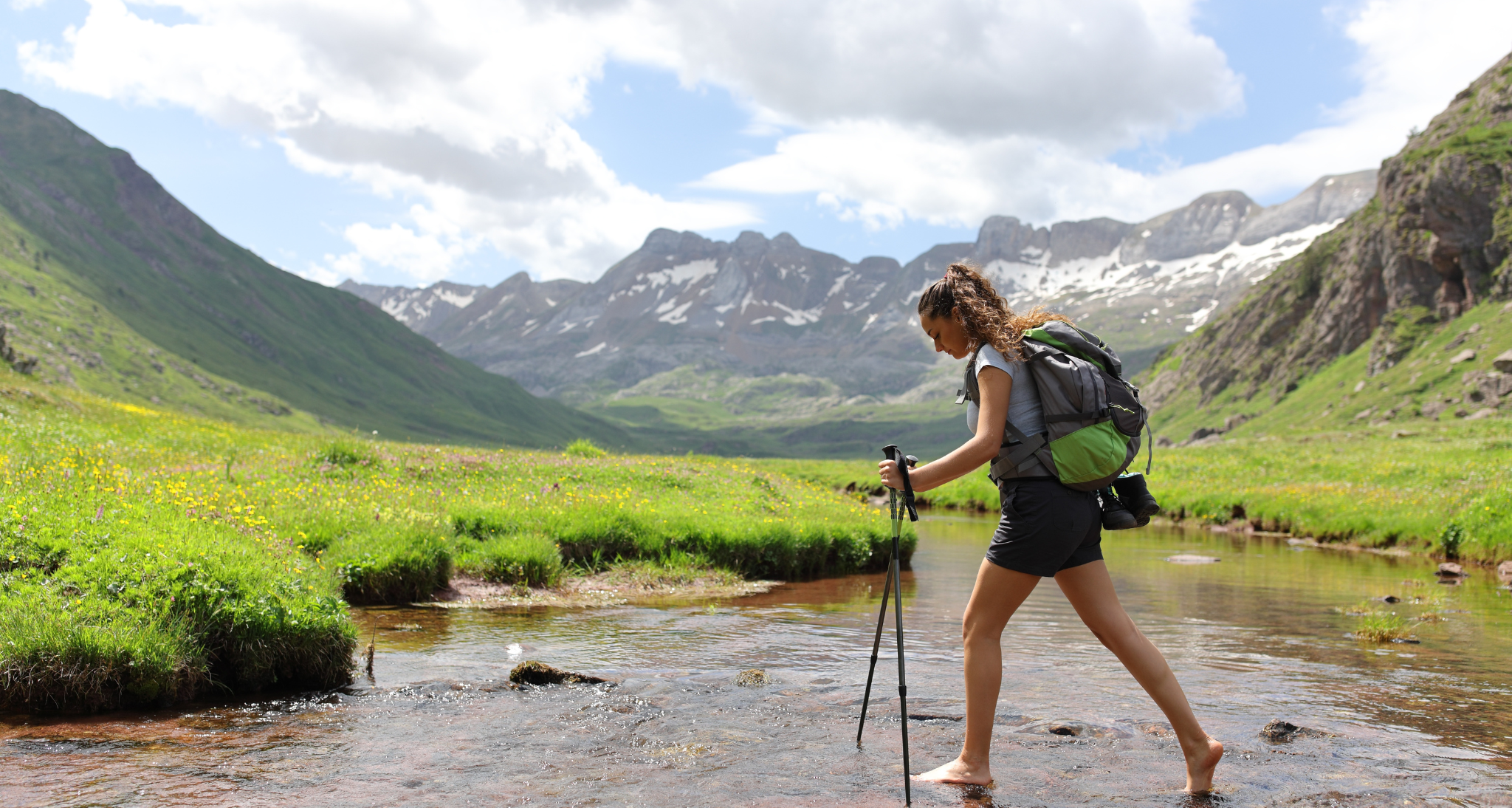
Heading into the mountains alone can stir a strange mix of excitement and hesitation. The trail promises silence, open skies, and the steady rhythm of boots on dirt, yet another voice whispers doubts. That voice asks whether solitude will feel empowering or unsettling once the forest closes in and the familiar noise of everyday life disappears. Facing that uncertainty became one of the most meaningful challenges in my time outdoors.
Many hikers talk about gear, navigation, and physical preparation, but the emotional barrier of going solo rarely gets the same attention. Fear has a quiet way of growing before a trip begins. It creeps in while packing, while checking weather forecasts, and even while staring at the map of a route that suddenly looks much more remote than it did before. I have felt that hesitation many times, and each time the mountains taught me something valuable about stepping beyond it.
Why Solitude in the Mountains Feels Intimidating
Solitude changes the way a trail feels. With companions, conversation fills the space between footsteps and laughter echoes through the trees. Alone, every sound becomes clearer. The wind through branches, the crack of a distant twig, and the rush of a stream all seem louder when no one else is nearby.
The mind reacts quickly to that quiet. Thoughts drift toward what might go wrong instead of what might go right. A simple rustling in the brush can spark wild assumptions about wildlife or unseen hazards. That reaction is natural because humans evolved to rely on groups for safety and awareness.
Despite that instinct, solitude in nature can also sharpen awareness in a powerful way. The senses become more attentive, and each step feels deliberate. Rather than weakening confidence, time spent alone on the trail often strengthens the ability to remain calm and observant in unfamiliar environments.
The Inner Dialogue That Appears Before a Solo Trip
Preparing for a solo hike often brings a long internal conversation. Part of the mind insists that the journey will be rewarding, while another part lists every possible risk. That dialogue can feel exhausting before the adventure even begins.
During my early solo trips, doubts seemed louder than excitement. Questions about getting lost, encountering aggressive weather, or dealing with injury circled endlessly in my head. None of those scenarios had actually happened, yet they occupied far too much mental space.
Facing those thoughts required acknowledging them without letting them control the decision. Fear thrives when ignored or exaggerated. Giving it space to exist while still moving forward created a healthier balance between caution and courage.
Small Steps Toward Confidence
Confidence on solo trails rarely appears overnight. It grows through small experiences that gradually replace uncertainty with familiarity. Short hikes in well-marked areas became my first stepping stones toward longer adventures.
Each successful outing built a quiet sense of trust. I learned how my body responded to steep climbs, how quickly daylight faded under dense forest canopy, and how different terrain felt beneath my boots. These details formed a foundation that made the idea of longer solo hikes feel less intimidating.
Preparation also played a role in easing the mental weight of solitude. Studying maps, checking trail reports, and packing reliable gear reduced the number of unknowns. The more prepared I felt, the easier it became to focus on the beauty of the trail instead of worrying about every possible problem.
The Trail Teaches Self-Reliance
Walking alone through mountain paths reveals something unique about personal capability. Decisions that might normally be shared with others suddenly become individual responsibilities. Route choices, pacing, and rest breaks all depend on personal judgment.
That responsibility can feel heavy at first. The idea of relying entirely on oneself may seem daunting, especially in rugged terrain where mistakes carry real consequences. Yet that same responsibility also brings clarity and independence.
Over time, each decision made on the trail reinforces confidence. A correctly chosen route or a well-timed rest break proves that careful thinking works. Those moments quietly replace fear with a deeper sense of trust in personal ability.
Quiet Moments That Shift Perspective
Solitude in the mountains creates moments that rarely happen in daily life. Without conversation or digital distractions, the landscape becomes the main focus. The sound of wind over ridgelines or the slow movement of clouds across distant peaks suddenly feels profound.
Those quiet moments change how fear is perceived. Instead of dominating the experience, it becomes just one part of a much larger picture. The mountains remind me that discomfort often exists alongside beauty rather than replacing it.
During one hike along a narrow ridge, the initial nervousness slowly faded as the view expanded in every direction. Forested valleys stretched far below while distant peaks glowed under afternoon light. Standing there alone felt less like isolation and more like connection with something vast and timeless.
Practical Habits That Reduce Anxiety
While emotional resilience matters, practical habits make solo hiking far safer and calmer. Careful planning removes many of the situations that trigger unnecessary fear. Sharing a trip plan with someone at home ensures that help can be contacted if plans change unexpectedly.
Navigation tools also provide reassurance. A map, compass, and downloaded trail data prevent uncertainty about direction. Knowing exactly where I am on a trail eliminates one of the most common sources of stress during solo outings.
Weather awareness is another critical habit. Mountains create fast-changing conditions, and preparation allows quick adjustments to avoid unnecessary risks. Respecting the environment rather than fighting it transforms fear into cautious awareness.
Accepting Fear as a Companion
Fear does not disappear entirely on solo hikes. Even experienced adventurers feel a surge of caution when the forest grows darker or the wind rises suddenly. Rather than viewing fear as a weakness, it can serve as a useful guide.
That feeling often highlights areas where attention is needed. A steep descent may require slower steps, or a narrowing trail may call for greater focus. Listening to those signals encourages safer choices rather than reckless confidence.
Accepting fear as part of the journey also removes pressure to feel completely fearless. Courage rarely means the absence of worry. It often means continuing forward with awareness while acknowledging the natural instinct to remain safe.
How Solo Hiking Changes Personal Confidence
Spending time alone in the mountains slowly reshapes confidence in subtle ways. The challenges faced on the trail translate into everyday life beyond the forest. Tasks that once felt overwhelming begin to seem manageable after navigating rugged terrain alone.
Each completed hike becomes evidence of resilience. Climbing a steep ridge, navigating a confusing trail junction, or enduring sudden rainstorms proves that persistence works. Those experiences remain long after the hike ends.
Confidence gained in nature often extends into personal decisions as well. Trusting one’s judgment becomes easier after relying on it in remote landscapes. The mountains quietly reinforce the belief that obstacles can be handled step by step.
Community Still Matters
Solo hiking does not replace the value of shared outdoor experiences. Friends and hiking partners bring laughter, encouragement, and stories that enrich many adventures. Solitude simply adds another dimension to exploring the outdoors.
Returning from a solo hike often creates a deeper appreciation for community. Sharing stories of quiet trails and unexpected discoveries connects experiences that might otherwise remain personal memories. Conversations about the journey also inspire others who might be considering their own solo adventures.
Balance between solitude and companionship keeps outdoor exploration fresh. Both experiences offer unique rewards that strengthen a lasting relationship with nature.
Moving Forward One Trail at a Time
Fear of going alone rarely disappears through thought alone. Action gradually dissolves that barrier. Each step along a quiet trail replaces imagined dangers with real experiences that are often far less intimidating than expected.
Mountains have a way of rewarding patience and persistence. Trails that once seemed intimidating eventually feel familiar after repeated visits. The same path that stirred anxiety on an early solo trip can later become a place of calm reflection.
The journey toward solo hiking confidence unfolds slowly. It grows with every sunrise watched from a ridge, every quiet forest path explored, and every moment spent trusting personal strength in wild places. Over time, the fear that once felt overwhelming becomes just another small step on a long and rewarding trail.
