

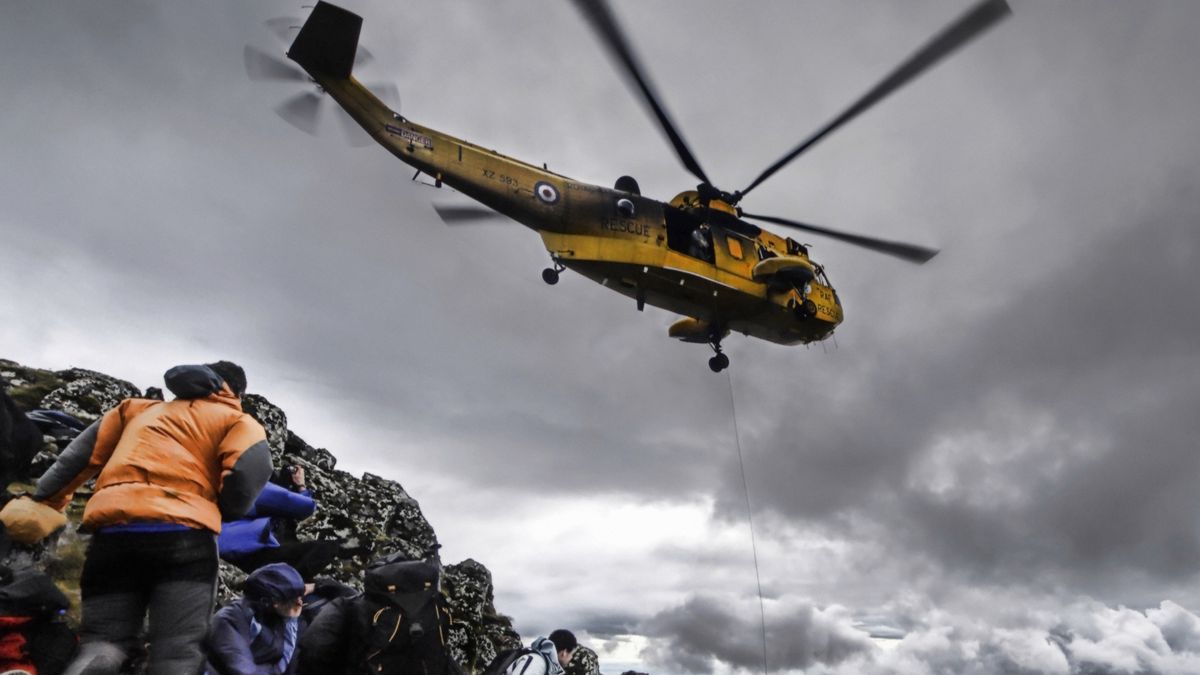
The Reality of Being Stranded in the Mountains
Isolation in the mountains can shift from peaceful to dangerous with surprising speed. Weather turns, trails disappear, injuries happen, and suddenly the distance between you and the nearest road feels far greater than the map suggested. In those moments, survival often depends not only on endurance or navigation skills but on the ability to signal for help effectively.
I learned early in my time exploring rugged terrain that rescue teams cannot help if they cannot find you. Vast landscapes, dense forests, and steep ridges can hide even the brightest gear and loudest voices. The difference between being rescued quickly and waiting days often comes down to how well someone can make their presence known.
Signaling is not simply waving your arms and hoping someone sees you. Certain methods work consistently because they are recognizable, visible from far away, or detectable by search teams. Mastering a few reliable techniques before heading into remote areas can turn a desperate situation into a manageable one.
The Universal Distress Signal Rule of Three
One of the most important signaling principles in the wilderness is the rule of three. Three signals, repeated with pauses in between, are widely recognized as a distress call. This pattern appears in many forms: three whistle blasts, three fires, or three flashes of light.
Rescue teams are trained to recognize this pattern as intentional rather than accidental noise or light. A single shout or whistle could be mistaken for normal activity, but three repeated signals create a recognizable pattern that stands out. The pause between each set also helps rescuers pinpoint direction.
Carrying a whistle makes this technique incredibly effective. A whistle travels farther than a human voice and requires far less energy to use. In situations where exhaustion, dehydration, or injury limit physical strength, a whistle becomes one of the simplest tools for attracting attention.
Using Light to Reach Distant Eyes
Light can travel extraordinary distances in mountain environments, especially after sunset. A flashlight or headlamp becomes a powerful signaling tool when used correctly. Instead of waving it randomly, structured flashes dramatically increase the chance of being noticed.
Three quick flashes followed by a pause is one of the most recognizable distress patterns. Repeating this cycle consistently helps observers identify the signal as intentional. From high ridges, valleys, or open slopes, these flashes can carry miles in clear conditions.
Daytime offers another option: reflecting sunlight. A signal mirror can direct a concentrated beam toward aircraft or distant searchers. Even improvised reflective surfaces such as phone screens, metal objects, or polished gear can bounce sunlight across valleys, creating flashes that stand out sharply against natural terrain.
Fire as a Lifesaving Beacon
Fire has guided rescuers to stranded hikers for centuries. Flames produce light, smoke, and heat, all of which can attract attention in different conditions. In open alpine terrain or on ridges, a well-placed fire can become visible from impressive distances.
Smoke plays an especially important role during daylight hours. Adding green branches, damp leaves, or moss can create thicker smoke columns that rise high above tree lines. Dark smoke against bright skies can easily catch the attention of aircraft or distant observers.
Multiple fires arranged in a triangle or straight line strengthen the distress signal. The deliberate pattern makes it clear that the fires were built intentionally rather than caused by natural events. Safe placement remains essential, especially in dry environments where wildfires pose a serious risk.
Sound Signals That Carry Across Valleys
Sound travels differently in mountainous terrain than many people expect. Valleys and cliffs can reflect and carry noise across large distances, sometimes farther than visual signals reach. Strategic use of sound can alert rescuers who may be searching nearby but out of sight.
A whistle remains one of the best sound signaling tools because it is loud, lightweight, and easy to carry. Three blasts repeated every few minutes follow the international distress pattern and help search teams triangulate your position. Consistency matters more than volume alone.
Improvised noise makers can also help. Striking metal objects together, banging trekking poles on rocks, or clapping loudly can produce sharp sounds that travel surprisingly far. These methods work best when repeated in clear patterns rather than random bursts.
Ground Signals That Aircraft Can Spot
Search aircraft play a major role in wilderness rescue operations. Pilots scan enormous areas quickly, but spotting a single person in rugged terrain is incredibly difficult. Ground signals that create strong contrast with the surrounding landscape dramatically increase visibility from the air.
Large symbols made from rocks, logs, or gear can communicate distress effectively. Arranging materials into a large “X” is widely recognized as a sign of help needed. Bright clothing, sleeping pads, or emergency blankets placed in open areas amplify the signal even more.
Size matters in these situations. Signals should be as large as possible so they stand out against the surrounding terrain. A small arrangement might be invisible from hundreds of feet above, while a large symbol can catch a pilot’s attention instantly.
Movement and Color That Break the Natural Pattern
Mountain landscapes are full of greens, browns, and grays that blend together from a distance. Introducing bright colors or noticeable movement can break that pattern and draw attention. This is why many survival experts recommend carrying gear in bright shades like orange or red.
Waving a jacket, emergency blanket, or brightly colored pack can create visual motion that attracts attention. Movement stands out strongly against static landscapes, especially when repeated rhythmically. A reflective emergency blanket adds another advantage by catching sunlight.
Open areas provide the best opportunities for this technique. Standing on a ridge, clearing, or rocky slope improves visibility dramatically. Dense forest or deep valleys can hide signals, so moving to higher ground often improves the chances of being spotted.
Technology That Improves Rescue Chances
Modern outdoor technology has dramatically improved the odds of survival in remote areas. Personal locator beacons and satellite messengers can transmit distress signals directly to rescue coordination centers. These devices remove much of the uncertainty involved in traditional signaling.
Activating a beacon sends your coordinates through satellite networks, allowing rescuers to locate you with remarkable accuracy. This technology has saved countless lives in remote mountains where cell phone coverage does not exist. Carrying one can transform a potentially deadly situation into a manageable rescue.
Even with advanced devices, traditional signaling skills remain important. Batteries fail, devices break, and terrain can interfere with transmissions. Combining modern tools with classic signaling methods creates the strongest chance of being found quickly.
Staying Visible and Prepared While Waiting
Signaling for help does not end once a signal is sent. Rescue operations take time, especially in remote mountain ranges where terrain slows search teams. Staying visible and maintaining signaling efforts can shorten the time it takes for rescuers to reach you.
Regularly repeating whistle blasts or light signals keeps searchers aware of your position. Maintaining smoke from signal fires during daylight hours helps aircraft maintain visual contact. Each repeated signal acts like a beacon guiding rescuers closer.
Energy conservation also becomes critical during this waiting period. Overexertion can worsen injuries or lead to dangerous exhaustion. Balanced effort between signaling and conserving strength helps maintain the ability to respond when rescue teams finally arrive.
Preparation Before the Trail Begins
Effective signaling begins long before stepping onto a trail. Carrying the right tools dramatically increases the chance of being rescued if something goes wrong. A whistle, headlamp, signal mirror, emergency blanket, and fire-starting tools weigh very little yet provide powerful signaling capabilities.
Knowledge matters just as much as equipment. Practicing signaling techniques before an emergency makes them easier to perform under stress. Familiarity with these methods builds confidence and reduces panic when situations become serious.
Mountains offer incredible beauty and adventure, but they demand respect and preparation. Knowing how to signal for help turns uncertainty into strategy and fear into action. In the wilderness, the ability to be seen and heard can make the difference between a long ordeal and a safe return home.
