

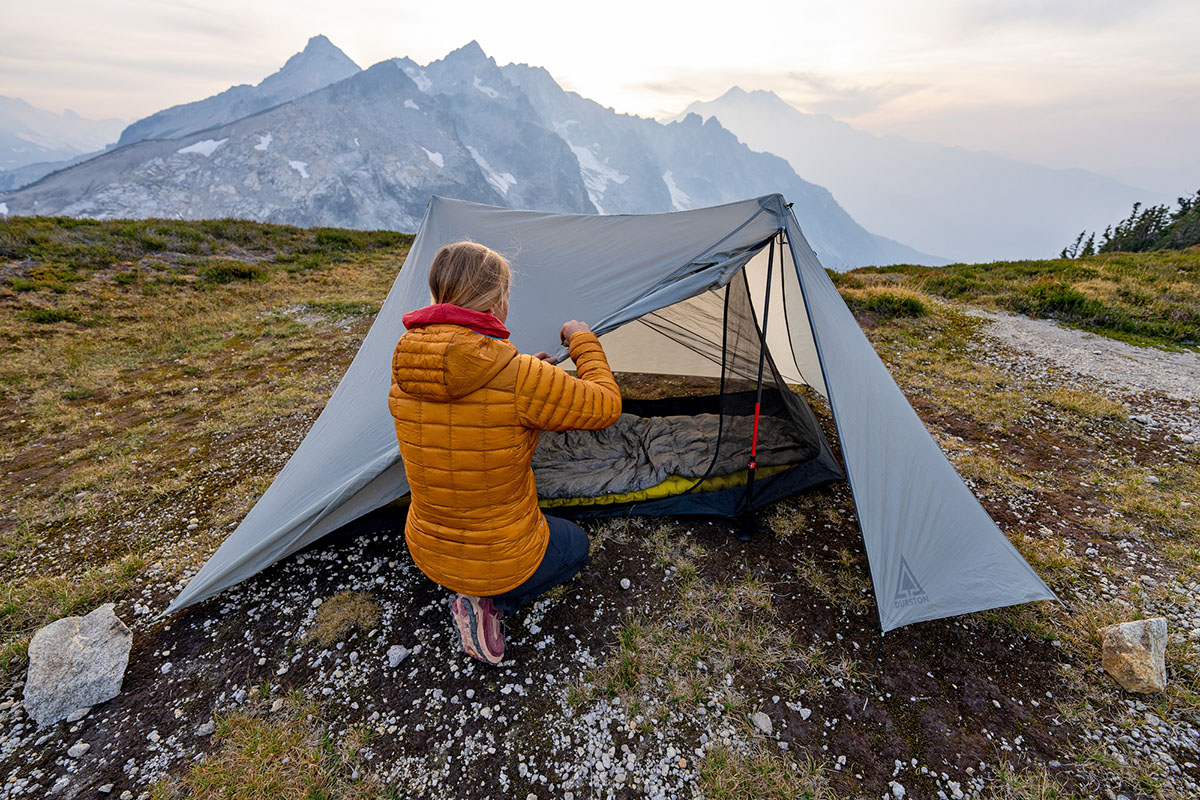
Backcountry trips demand gear that performs under pressure. Few pieces of equipment matter more in bad weather than a dependable shelter. Ultralight tents promise minimal weight and maximum mobility, but not every design holds up when wind starts ripping across a ridgeline or rain pounds the mountains through the night.
Storm-ready ultralight tents must balance durability, smart engineering, and thoughtful materials. A shelter might shave ounces from your pack, yet that advantage means nothing if the structure collapses under heavy wind or leaks after hours of rain. Years of hiking through exposed alpine terrain have made one thing clear: a reliable ultralight tent must handle unpredictable mountain weather without turning the night into a survival exercise.
Plenty of lightweight shelters claim storm resistance, but only a handful consistently prove themselves when conditions turn harsh. The difference often lies in pole structure, fabric strength, guy-out design, and overall geometry. These details separate a fragile minimalist shelter from one that confidently stands through strong gusts and relentless rain.
The following tents represent designs that remain impressively light while delivering real protection in storms. Each one has earned its reputation among backpackers who spend nights high above tree line or deep in rugged terrain where weather can change fast.
Big Agnes Copper Spur HV UL2
The Big Agnes Copper Spur HV UL2 has long been a favorite among backpackers who refuse to compromise between weight and comfort. Its freestanding structure offers dependable stability, and the high-volume design provides surprising interior space for an ultralight shelter.
Storm performance comes from a carefully engineered pole architecture that spreads tension across the tent body. Strong aluminum poles form a cross structure that resists collapse even when winds begin pushing hard against the fabric. Properly staked guy lines reinforce the tent further, preventing side panels from flexing excessively during gusts.
The rainfly extends low enough to block wind-driven rain while maintaining excellent ventilation. Condensation remains manageable because airflow moves effectively through the dual vestibule design. Even during long nights of rainfall, the tent interior stays dry and comfortable.
Durable ripstop nylon fabrics add confidence when weather deteriorates. Despite the lightweight build, the Copper Spur withstands repeated exposure to rough alpine environments. That combination of livability and storm reliability keeps it high on the list for serious backpackers.
MSR Hubba Hubba NX
The MSR Hubba Hubba NX has earned a strong reputation across the backpacking world for one reason: dependable performance in unpredictable conditions. It sits comfortably in the ultralight category while maintaining structural strength that inspires confidence in rough weather.
The pole system uses a unified architecture that distributes stress across multiple points. Strong winds rarely find a weak angle because the tent flexes naturally rather than resisting pressure in a rigid way. That flexibility often determines whether a shelter survives a storm intact.
Rain protection remains excellent thanks to the full-coverage rainfly. The fly pitches tight and low, blocking wind while channeling water away from the tent body. Strategic vents allow moisture to escape without sacrificing weather resistance.
Interior comfort also stands out. Two doors and vestibules provide easy access and gear storage, which becomes extremely valuable during storms that force long hours inside the shelter. A tent that feels livable during bad weather makes a huge difference during extended trips.
Zpacks Duplex
The Zpacks Duplex represents a different approach to ultralight shelter design. Instead of traditional poles, it uses trekking poles as the main structural support, dramatically reducing overall pack weight.
Many backpackers initially question whether a trekking-pole tent can withstand severe weather. Experience in exposed terrain proves that the Duplex performs impressively when pitched correctly. Its pyramid-inspired geometry sheds wind efficiently, preventing gusts from grabbing large flat surfaces.
Dyneema composite fabric adds another advantage. This material remains exceptionally strong for its weight and resists water absorption entirely. Rain cannot saturate the fabric, meaning the tent never becomes heavier during prolonged storms.
Proper site selection and careful tensioning remain critical with this design. Once fully tightened with all guy points secured, the shelter forms a remarkably stable structure. Strong winds may cause the fabric to flex, yet the tent consistently rebounds without structural failure.
Tarptent Stratospire Li
The Tarptent Stratospire Li blends lightweight innovation with remarkable storm resistance. Its distinctive shape stands out immediately, using angled trekking poles to create a shelter that handles wind with surprising strength.
One of the most impressive features lies in the tent’s geometry. The ridgeline angles channel wind away from the structure rather than allowing pressure to build directly against large surfaces. This aerodynamic profile plays a major role in storm survival.
Dyneema fabric again provides exceptional durability relative to weight. The material remains waterproof without coatings that degrade over time. Even after long exposure to rain and harsh weather, the shelter continues performing consistently.
Vestibule space also deserves recognition. The design offers large covered areas for cooking or storing wet gear during storms. Having room to organize equipment while remaining protected becomes incredibly valuable when weather traps you inside for hours.
Nemo Hornet Elite OSMO
The Nemo Hornet Elite OSMO pushes the boundaries of ultralight design without sacrificing structural reliability. Its updated OSMO fabric provides improved water resistance and reduced stretch during wet conditions.
A semi-freestanding structure keeps weight low while maintaining respectable stability. Strategic pole placement reinforces the tent body, allowing it to withstand strong gusts better than many shelters in the same weight category.
Storm protection comes from the carefully shaped rainfly that blocks wind and rain effectively. Vestibules provide enough coverage to keep gear protected, preventing water from entering the tent interior during heavy downpours.
Ventilation remains excellent despite the weather protection. The tent allows airflow to move through the shelter, reducing condensation buildup during humid or rainy nights. That balance between breathability and protection is critical for long trips in wet mountain climates.
SlingFin Portal 2
The SlingFin Portal 2 sits slightly heavier than some ultralight shelters, but the added strength justifies the few extra ounces. This tent was designed specifically with harsh weather in mind, making it a favorite among mountaineers and alpine backpackers.
Multiple guy-out points reinforce the structure during storms. These attachments distribute tension evenly across the tent body, allowing it to resist extreme winds more effectively than many lighter designs.
The pole system also stands out. DAC Featherlite poles provide exceptional strength while maintaining reasonable weight. Their architecture forms a rigid structure that handles snow loading and strong gusts without collapsing.
The Portal 2’s storm-worthiness becomes especially clear during long nights of intense wind. Properly anchored, the tent maintains shape and stability even when conditions grow uncomfortable outside. That peace of mind can mean the difference between rest and a sleepless night.
Key Features That Make an Ultralight Tent Storm-Ready
Several design elements consistently appear among ultralight tents that perform well in storms. These features determine whether a shelter remains standing when the weather turns aggressive.
Strong pole architecture ranks among the most important. Poles must distribute force evenly rather than allowing stress to concentrate in one weak area. Cross-pole designs and reinforced hubs often provide the most reliable stability.
Fabric quality also plays a major role. Lightweight materials must still resist tearing and maintain waterproof performance under prolonged exposure. Modern fabrics like Dyneema or high-quality ripstop nylon provide impressive durability relative to their weight.
Guy-out points add another layer of storm resistance. These external attachment points allow hikers to anchor the tent securely, preventing panels from flexing excessively during high winds. A well-designed tent provides multiple options for reinforcing the structure in harsh conditions.
Tent geometry influences wind resistance more than many people realize. Sloped walls and aerodynamic shapes allow wind to flow over the shelter rather than pushing directly against flat surfaces. Designs that shed wind effectively often outperform heavier tents with poor shapes.
Smart Pitching Techniques That Improve Storm Performance
A great tent performs best when pitched correctly. Storm readiness depends not only on the shelter itself but also on how it is set up in the field.
Site selection remains the first priority. Natural windbreaks such as rock formations, dense tree clusters, or terrain depressions can dramatically reduce exposure. Even the strongest tent benefits from thoughtful placement.
Proper tensioning ensures that fabric panels remain taut. Loose fabric catches wind easily, increasing strain on poles and stakes. Tightening guy lines distributes force evenly and reduces noise and movement during gusty conditions.
Stake placement also matters. Anchoring stakes at the correct angles improves holding power, particularly in loose soil or alpine terrain. Reinforcing critical points before a storm arrives can prevent problems later in the night.
Ventilation adjustments help maintain interior comfort during prolonged rain. Slightly opening vents or vestibules allows moisture to escape without letting rain enter the tent. Managing condensation prevents damp sleeping gear and improves overall comfort.
Confidence in the Mountains
Storms are part of mountain travel. Sudden weather changes can transform a peaceful campsite into a challenging environment within minutes. A reliable ultralight tent allows backpackers to focus on the adventure instead of worrying about their shelter.
Every piece of gear in a backpack serves a purpose, but few influence safety and comfort as directly as a tent. Lightweight shelters that truly handle storms offer the best of both worlds: freedom on the trail and security at camp.
Long days of hiking often end with tired legs and the need for genuine rest. Crawling into a tent that stands firm against wind and rain creates the kind of confidence every backpacker appreciates. The mountains may remain unpredictable, but a dependable shelter makes those wild landscapes far more welcoming.
