

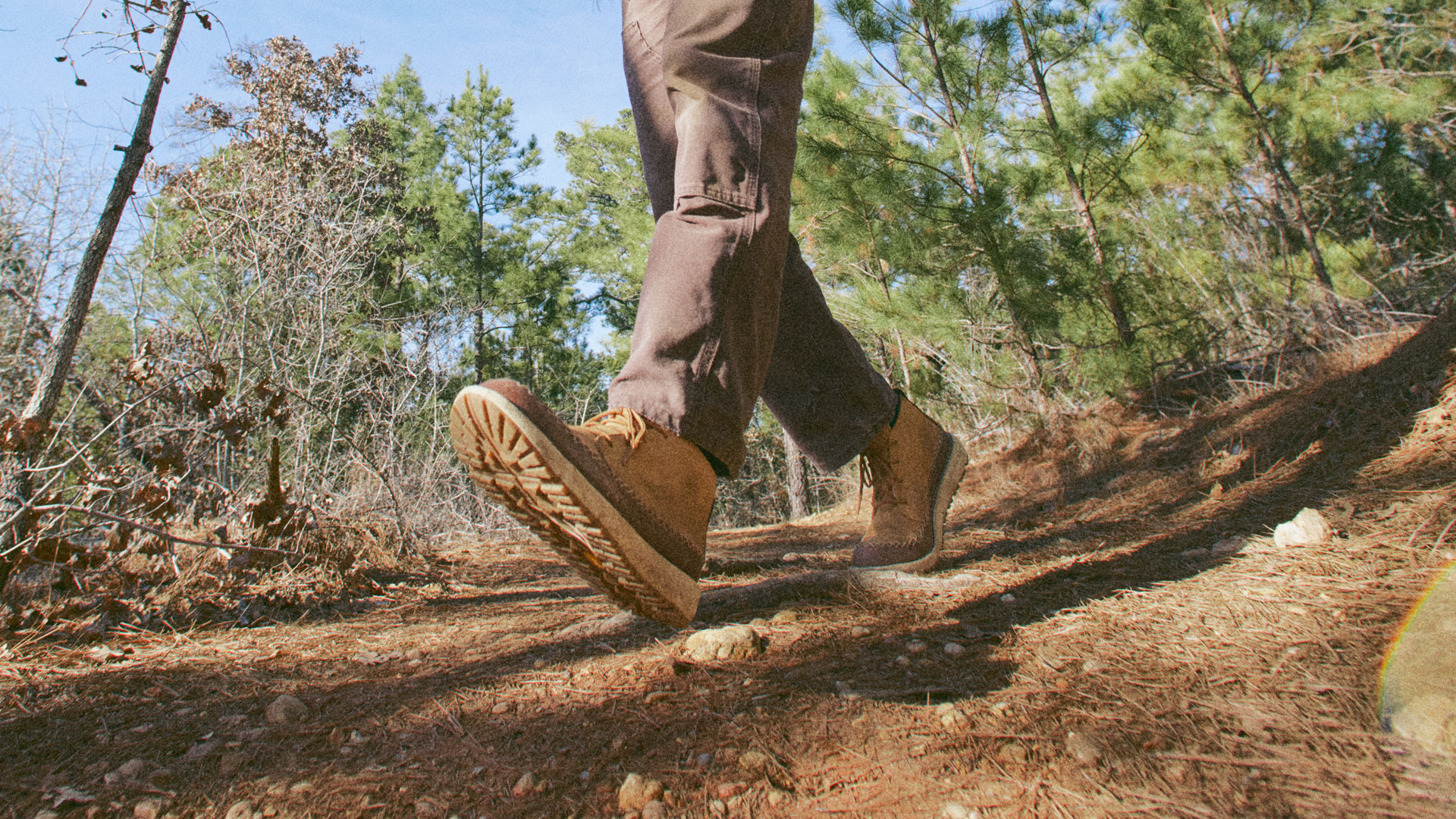
The Myth That Expensive Boots Fix Everything
Outdoor stores are full of impressive-looking hiking boots with thick soles, aggressive tread, and price tags that promise performance. Many hikers, including me, have believed that paying more automatically leads to better comfort and better performance on the trail. The reality often turns out very different once those boots hit real dirt and rock. Blisters appear, ankles feel restricted, and suddenly the “perfect” pair feels like a mistake.
I noticed this pattern while talking to other hikers during long trails and campsite conversations. People often complain about their boots but assume discomfort is just part of hiking. Some even believe pain means the boots are “breaking in,” a phrase repeated so often it almost feels like a rule of the outdoors. In truth, that mindset keeps many hikers stuck with footwear that simply does not fit their needs.
Marketing plays a big role in this confusion. Outdoor brands showcase rugged mountain adventures and imply that the same boots used in extreme expeditions will work for every hiker. Most weekend hikers do not need expedition-level gear, and those heavy boots can actually make hiking harder instead of easier. The result is thousands of hikers wearing boots designed for a completely different purpose.
Heavy Boots Don’t Always Mean Better Support
One of the most common assumptions about hiking footwear is that heavier boots provide better support. I believed that idea for years and carried bulky leather boots up countless trails. Those boots felt solid and protective, but they also made every step more tiring than it needed to be. Weight on your feet matters far more than most people realize.
Research on hiking efficiency shows that adding weight to your feet uses significantly more energy than carrying the same weight in a backpack. A pair of boots that feels slightly heavier in the store can become exhausting after several miles. That fatigue builds slowly and often gets mistaken for general trail exhaustion rather than a footwear issue.
Support is also misunderstood. Many hikers think stiff boots prevent injuries, yet overly rigid boots can restrict natural foot movement. Feet are designed to flex and adapt to uneven terrain. Boots that limit that movement may reduce comfort and even create new pressure points.
The Break-In Myth That Refuses to Die
A lot of hikers tolerate painful boots because they believe the break-in period will eventually fix everything. I have heard stories of people hiking dozens of miles just to “soften” their boots. Sometimes the boots do improve slightly, but rarely do they transform into something dramatically different. A boot that feels terrible from the beginning rarely becomes perfect later.
Leather boots from decades ago often required breaking in, which is where this tradition started. Modern footwear materials are very different, and most boots are designed to feel comfortable right away. If serious pain appears during short test hikes, that problem usually points to poor fit rather than stiffness.
The break-in myth also encourages people to ignore early warning signs. Hot spots, toe pressure, and heel slipping often appear during the first few hikes. These signals are the body’s way of saying something is wrong. Ignoring them can turn a small issue into a full blister disaster.
Foot Shape Matters More Than Brand Names
Brand loyalty is strong in the hiking world. Many hikers swear by certain companies and recommend them to everyone they meet. The problem is that feet come in countless shapes, and no single brand fits them all. A boot that feels amazing for one person may feel terrible for another.
Foot width, arch height, toe shape, and heel size all influence how a boot fits. Some brands design boots for narrow feet while others cater to wider shapes. Without realizing it, hikers often buy boots designed for the wrong type of foot.
I realized this after trying several well-known brands that simply never felt right. Once I tried a brand with a wider toe box, the difference was immediate. My toes had room to spread, balance improved, and long hikes became noticeably more comfortable.
The Wrong Boot for the Wrong Trail
Terrain plays a huge role in determining the right footwear. Many hikers buy stiff, high-cut boots designed for alpine environments even though their local trails are smooth and well maintained. Those heavy boots provide protection that may never actually be needed.
On moderate trails, lighter hiking shoes or trail runners often perform just as well or better. They allow faster movement and reduce fatigue during long days on the trail. The flexibility also makes them more comfortable for hikers who prefer a natural walking motion.
Rocky or rugged terrain, however, might justify sturdier boots. Sharp rocks, loose scree, and heavy backpacks place greater stress on feet and ankles. Matching footwear to the actual environment makes far more sense than blindly following marketing images of dramatic mountain peaks.
Fit Problems That Hide Until You Hit the Trail
A pair of boots may feel fine during a quick store fitting but reveal problems later on the trail. Feet swell during long hikes, and that change can turn a comfortable boot into a cramped one. Many hikers do not realize how much their feet expand after several hours of walking.
Downhill sections also expose fit issues. Toes slide forward inside boots that are slightly too large or poorly shaped. That repeated impact can lead to bruised toenails or painful pressure points.
Heel movement creates another common issue. Even small amounts of heel lift can cause friction during long hikes. Over time that friction almost guarantees blisters. The boot might look perfect, but subtle movement inside the shoe can create serious problems.
Socks and Insoles Change Everything
Boots rarely work alone. Socks and insoles influence comfort more than many hikers realize. A boot that feels tight with thick socks may feel perfect with thinner ones. Likewise, a slightly loose boot can become comfortable with a different insole.
Many stock insoles provide minimal support and cushioning. Upgrading them can dramatically change how a boot feels. Arch support, heel stability, and shock absorption often improve with better insoles.
Sock materials also matter. Cotton traps moisture and increases blister risk, while wool and synthetic blends help manage sweat. Moisture control keeps feet cooler and reduces friction inside the boot.
The Trap of Buying Boots Online
Online shopping has made it easier than ever to buy outdoor gear, but boots are one item that often benefit from in-person fitting. Pictures and reviews cannot tell you how a boot will interact with your specific foot shape. Even accurate sizing charts fail to account for subtle differences in design.
I have purchased boots online that looked perfect on paper but felt completely wrong once I tried them on. Returning them became an annoying cycle of shipping labels and waiting for refunds. After several attempts, I realized that trying boots in a store saves far more time and frustration.
Stores also allow you to test boots on small ramps or uneven surfaces. These features simulate trail conditions and reveal fit issues that flat floors cannot expose.
Personal Comfort Beats Popular Opinion
Advice from experienced hikers can be helpful, but comfort is ultimately personal. A boot recommended by dozens of people may still feel terrible on your feet. Hiking gear works best when it matches individual preferences and body mechanics.
Some hikers love stiff boots that provide maximum protection. Others prefer lightweight footwear that allows fast movement. Neither option is universally correct, and both can work well in the right context.
Trusting personal comfort takes practice because outdoor culture often emphasizes toughness. Admitting that a certain boot feels wrong can feel like a weakness. In reality, recognizing discomfort early prevents injuries and improves the overall hiking experience.
The Real Goal: Happy Feet on Long Trails
Long hikes become far more enjoyable once footwear finally matches your needs. The difference appears gradually but becomes obvious after several miles. Steps feel lighter, balance improves, and the mind focuses on scenery rather than sore feet.
Good hiking boots should almost disappear from your awareness. Instead of constantly adjusting laces or worrying about blisters, attention shifts to the rhythm of walking and the beauty of the trail. Comfort allows energy to go toward exploration rather than endurance.
The outdoor industry offers countless footwear options, but none of them work for everyone. Finding the right pair takes patience, experimentation, and honesty about what your feet truly need. Once that match finally happens, hiking stops feeling like a battle with your boots and starts feeling like the adventure it was meant to be.
