

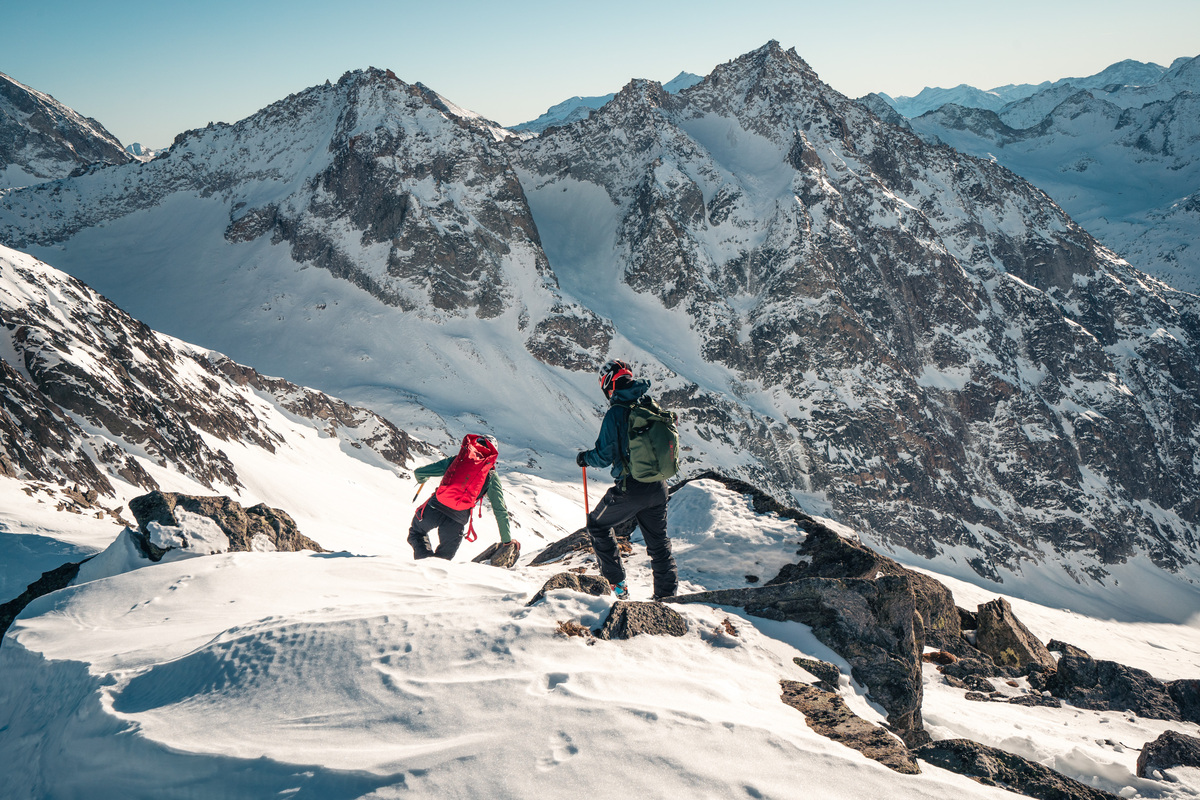
Mountain survival is often portrayed as a physical challenge. People talk about gear, food, weather, navigation, and endurance. Those things matter, but they are not what decides whether a person stays calm or falls apart when things go wrong. The real battle happens inside the mind, often quietly, long before any physical danger becomes overwhelming.
During long hikes and remote mountain trips, the mind begins to reveal habits that remain hidden in normal life. Fatigue, isolation, and uncertainty pull thoughts into unfamiliar territory. Confidence can shift quickly into doubt, and calm reasoning can disappear under pressure. The mountains expose mental patterns that most people never notice while living comfortably in cities.
Survival psychology rarely receives the same attention as technical survival skills. Yet decisions made during stressful moments often determine the outcome of a dangerous situation. The mind can either stabilize the situation or slowly make it worse. Recognizing these mental reactions can be the difference between steady thinking and spiraling panic.
The Silent Rise Of Panic
Panic rarely arrives suddenly. It begins quietly, often disguised as small worries or nagging thoughts. A wrong turn on a trail or unexpected weather shift can start a chain reaction inside the mind. At first it feels manageable, but the mind slowly magnifies the situation.
The mountains amplify uncertainty because help is distant and communication may be limited. In that isolation, the mind begins filling in gaps with assumptions. Small doubts can grow into exaggerated fears, especially when the environment feels unpredictable. The brain is wired to detect threats, and in the wilderness it sometimes detects too many.
Once panic starts building, logical thinking becomes harder to maintain. Breathing changes, thoughts race, and the body prepares for action even when careful thinking is needed. This reaction is natural, but it can lead to rushed decisions. Recognizing that slow build of panic allows the mind to step back before emotions take full control.
The Danger Of Mental Tunnel Vision
Stress narrows attention in powerful ways. During survival situations, the mind tends to fixate on one problem while ignoring others. A lost trail marker, for example, can dominate attention while the sun begins to set or the weather shifts.
Tunnel vision reduces the ability to think creatively. Instead of exploring multiple options, the brain locks onto the first solution it sees. In mountain environments where flexibility matters, this can become dangerous. A single-minded focus might lead deeper into unfamiliar terrain.
Breaking tunnel vision requires deliberate effort. Pausing, breathing slowly, and scanning the environment resets the mind. That moment of mental reset allows wider awareness to return. Often the best solution appears only after stepping back and reassessing the full situation.
The Loneliness Of Remote Terrain
Isolation in the mountains affects the mind more than most people expect. Even experienced hikers can feel the psychological weight of distance from civilization. Silence becomes deeper, time feels slower, and thoughts become louder.
Without social interaction, the mind begins replaying worries or imagining potential dangers. Sounds in the forest can feel amplified and mysterious. Shadows move with the wind, and ordinary noises can trigger unease. These sensations are not signs of weakness but natural responses to unfamiliar solitude.
Long stretches of isolation test emotional resilience. Maintaining focus requires discipline, especially when fatigue and uncertainty creep in. Staying grounded means acknowledging those feelings without letting them dictate decisions. Calm thinking thrives when emotions are recognized rather than suppressed.
The Role Of Hope In Survival
Hope functions as an invisible survival tool. People who maintain a sense of possibility often endure harsh conditions longer than those who mentally surrender. In survival psychology, attitude directly influences physical performance.
When the mind believes a solution exists, it keeps searching. Energy levels stay higher, problem-solving continues, and movement remains purposeful. Even small victories, like finding water or rediscovering a trail marker, reinforce that hopeful mindset.
Hope does not mean ignoring danger. It means believing that thoughtful action can improve the situation. That belief keeps the brain engaged in strategy rather than drifting into helplessness. A hopeful mind remains active and alert.
The Slow Drain Of Mental Fatigue
Mountain environments demand constant awareness. Navigation, terrain evaluation, weather monitoring, and physical effort all require attention. Over time this steady mental workload begins to drain cognitive energy.
Mental fatigue can become just as dangerous as physical exhaustion. Simple tasks such as checking a map or remembering landmarks begin to feel difficult. Decision-making slows, and small mistakes become more common.
Recognizing mental fatigue early prevents deeper problems. Short rest breaks, hydration, and calm breathing allow the brain to recover. A rested mind processes information more clearly and avoids impulsive choices that could escalate risk.
The Illusion Of Control
Many outdoor adventurers enter the mountains with confidence built from preparation and experience. While preparation matters, nature operates on its own terms. Weather can shift rapidly, terrain can surprise even skilled hikers, and unexpected obstacles appear without warning.
The illusion of control can cause people to underestimate risk. Confidence sometimes discourages turning back or reassessing plans. Pride may whisper that pushing forward proves strength.
True psychological resilience comes from flexibility rather than stubbornness. Adapting plans, slowing down, or retreating when conditions worsen requires humility. Survival often depends on accepting the limits of personal control.
Decision Pressure In Uncertain Situations
The mountains often force decisions without clear answers. Weather forecasts might be unreliable, trails may disappear, and daylight fades quickly. Under these conditions, the mind must weigh risks with incomplete information.
Decision pressure creates internal conflict. One thought encourages caution while another pushes for speed or progress. Balancing these competing instincts becomes mentally exhausting.
Clear thinking improves when decisions are broken into smaller steps. Instead of focusing on the entire journey, attention shifts to the next safe move. Each small choice builds momentum and restores confidence.
Fear As A Survival Signal
Fear often carries a negative reputation, but it serves a powerful purpose. Fear alerts the mind to potential danger and encourages caution. In mountain terrain filled with cliffs, weather hazards, and wildlife, that alert system can save lives.
Ignoring fear entirely would be reckless. Yet allowing fear to dominate thinking can be equally harmful. The key lies in interpreting fear as information rather than command.
A sudden feeling of unease might signal unstable footing, shifting weather, or a navigation error. Pausing to evaluate the environment turns fear into a useful guide. In this way, fear becomes part of survival rather than an obstacle.
The Psychological Power Of Small Wins
Large survival challenges often feel overwhelming. Finding a way off a mountain or navigating unfamiliar terrain may appear impossible during stressful moments. Breaking the situation into smaller goals changes the mental landscape.
Small achievements build momentum. Locating a water source, reaching a safe campsite, or confirming a map position restores confidence. Each success reassures the brain that progress is possible.
These small wins create emotional stability during uncertain conditions. Instead of focusing on the entire distance to safety, attention stays grounded in immediate steps. This steady rhythm prevents the mind from drifting into despair.
The Quiet Return Of Calm Thinking
Calm thinking rarely appears instantly after stress begins. It returns gradually as breathing slows and thoughts settle. The mind regains its ability to analyze the environment instead of reacting impulsively.
Moments of calm often arrive during simple actions such as walking steadily, drinking water, or sitting quietly to observe the surroundings. These pauses allow emotional intensity to fade. Once calm returns, creative solutions often follow.
Mountain survival depends heavily on this mental reset. A calm mind notices landmarks, evaluates terrain more accurately, and communicates clearly with companions. Stability inside the mind leads to better decisions outside it.
The Lasting Lessons From Survival Psychology
Experiences in the mountains leave lasting psychological lessons. The environment reveals how fragile and powerful the human mind can be under pressure. Fear, hope, fatigue, and determination all appear in ways that everyday life rarely exposes.
These lessons extend far beyond outdoor adventures. Situations that once felt stressful in ordinary life begin to feel manageable after facing real uncertainty in remote terrain. The mind learns that calm thinking can exist even in difficult circumstances.
Survival psychology remains one of the least discussed aspects of mountain travel, yet it shapes nearly every outcome in the wilderness. Physical preparation builds strength, but mental resilience determines how that strength is used. In the end, the mountains challenge not only the body but the inner voice that guides every decision along the trail.
