

The First Night You Hear Something Outside Your Tent
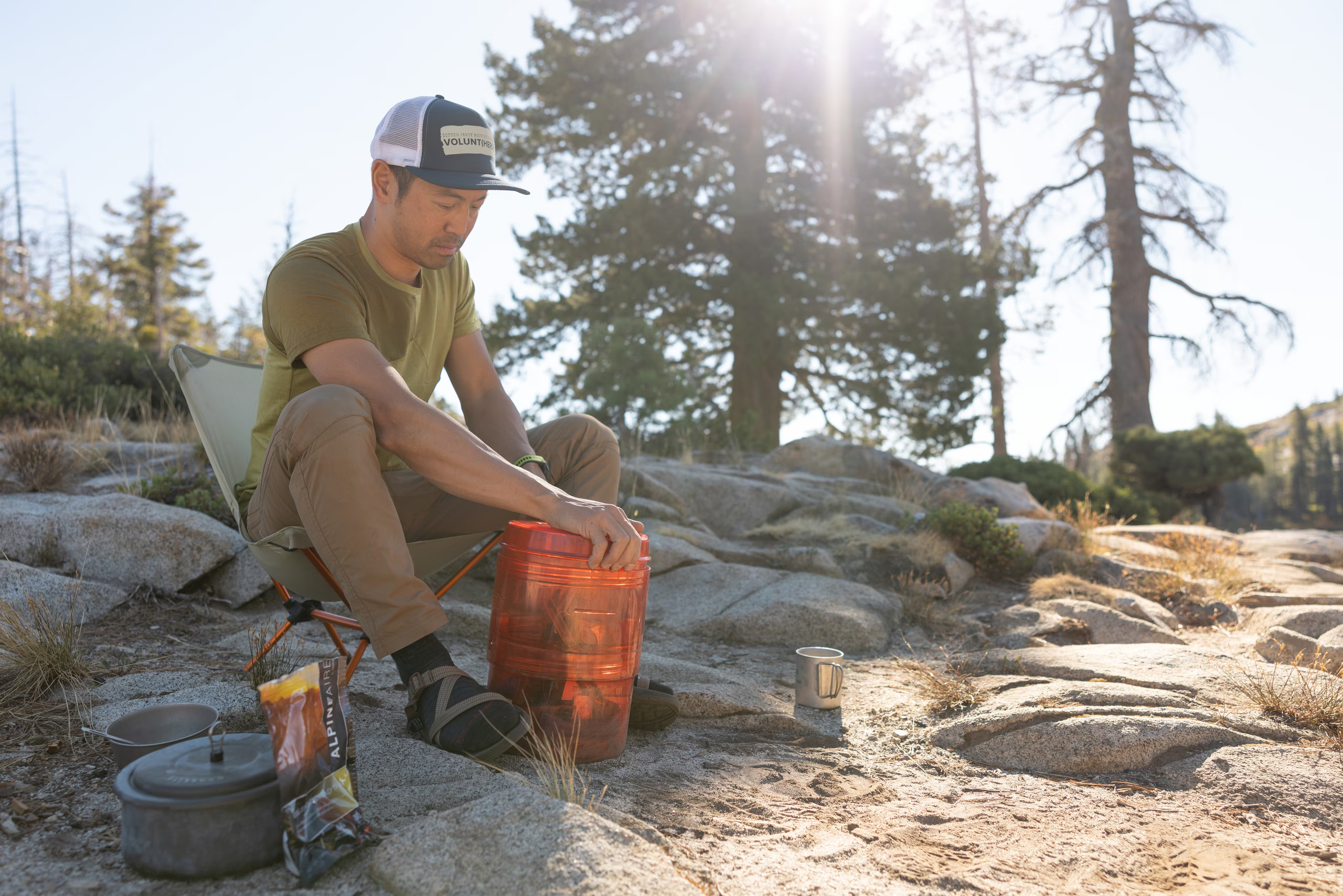
A quiet forest at night can suddenly feel very loud once food enters the equation. Small sounds become suspicious, and the snap of a twig can pull you straight out of sleep. A bear canister promises security, but the reality is that it also changes how you think about food storage in the backcountry. The moment a raccoon, mouse, or curious black bear starts sniffing around your campsite, the theory behind the canister becomes something very practical.
My first nights carrying a bear canister felt reassuring in theory and slightly nerve-racking in practice. The container sat somewhere away from camp, hidden behind rocks or bushes, and I had to trust that it would do its job. That trust does not come from reading instructions or seeing the product label. It comes from hearing animals investigate it and realizing the food is still there in the morning.
Most people expect the canister to completely eliminate wildlife curiosity. It does not. What it really does is remove the reward, which is far more important than removing the interest.
Bears Are Not the Only Creatures Interested in Your Food
Backpacking discussions about food storage tend to focus almost entirely on bears. That makes sense in places where bears roam frequently, but countless smaller animals cause far more trouble. Mice, chipmunks, martens, and raccoons are persistent and surprisingly capable of getting into poorly stored food.
A bear canister works just as well against these smaller thieves. The thick plastic shell and tight lid block teeth and claws that would otherwise tear open a food bag within minutes. More than once, I have found tiny tooth marks scratched along the outside of my canister in the morning.
Those scratches tell a simple story. Something spent time trying to break in and eventually gave up. Without the canister, that same animal would have likely eaten half my trail food before sunrise.
The Real Reason Parks Require Them
Many hikers believe bear canister rules exist mainly to protect hikers. The truth is slightly different. The regulations are mostly designed to protect bears from becoming dependent on human food.
Once a bear discovers how easy it is to raid campsites, the behavior spreads quickly. Food-conditioned bears lose their natural caution around people, which creates dangerous encounters. Park authorities often have no choice but to relocate or euthanize those animals.
Carrying a canister helps break that cycle. When a bear investigates and fails to get food, it moves on and continues foraging naturally. The simple act of storing food properly can prevent long-term harm to wildlife populations.
The Weight Nobody Talks About Honestly
Bear canisters have a reputation for being bulky and heavy, and that reputation is deserved. The typical container adds two to three pounds to a backpack before any food is placed inside. That weight can feel especially frustrating on long climbs or multi-day routes.
Complaining about the weight becomes a common topic around campfires. Still, the trade-off becomes clearer once the alternative is considered. Losing several days of food or encountering an aggressive animal would be far worse than carrying a few extra pounds.
The weight also changes packing strategy. Gear must be arranged differently inside the backpack, and careful planning becomes necessary to make everything fit comfortably.
Packing Food Inside the Canister Is a Puzzle
The first attempt at filling a bear canister usually feels like a game of trail-side Tetris. Odd-shaped food packages waste space, and bulky wrappers can quickly fill the container before all meals are packed. Efficient packing becomes essential on longer trips.
Removing unnecessary packaging makes a significant difference. Freeze-dried meals can be flattened, snacks can be placed in smaller bags, and air can be squeezed out wherever possible. After a few trips, the packing process starts to feel like a routine rather than a challenge.
The reward for careful packing appears during the final days of a trip. A well-organized canister leaves just enough room for the remaining meals without forcing difficult decisions about rationing.
Placement Matters More Than Most Instructions Suggest
Many guides say to place the bear canister at least one hundred feet away from camp. That distance is helpful, but location matters just as much as distance. A poorly placed canister can roll away if a curious bear bats it around.
Flat ground works best, preferably tucked between rocks or logs that prevent movement. I often look for natural barriers that keep the container from traveling downhill if pushed. Watching a bear canister disappear down a slope would be an unpleasant surprise in the morning.
Visibility also matters. Placing the canister somewhere recognizable helps prevent accidental loss during early morning departures.
The Myth of Perfect Bear Resistance
Bear canisters are extremely effective, but the idea that they are completely foolproof is misleading. Some bears in heavily visited areas have learned to manipulate certain container designs. These cases are rare, but they demonstrate how intelligent wildlife can be.
Park authorities often test and approve canisters before allowing them in bear-dense regions. Those approvals are based on repeated attempts by captive bears to open them. Even with those tests, hikers still need to follow good food practices.
Leaving scented items outside the canister defeats the purpose entirely. Toothpaste, wrappers, and cooking residue can attract animals even if the main food supply remains sealed.
Cooking Far From Where You Sleep
Food storage is only one part of campsite strategy. Cooking location also influences wildlife activity. Preparing meals right next to a tent spreads scent across the area where you sleep.
Many experienced backpackers cook and eat well away from their sleeping spot. The distance does not need to be extreme, but separating those spaces reduces the chance of animals associating tents with food. The canister becomes the final layer of protection once the meal is finished.
Cleaning up carefully helps reinforce that separation. Even small crumbs can attract attention overnight.
What Happens After the Lid Closes
The moment the canister lid locks into place marks a psychological shift in camp routine. Food worries fade slightly, allowing attention to return to the landscape and the quiet of the mountains. That small sense of relief becomes part of the backpacking rhythm.
Still, the canister does not remove responsibility entirely. The container must remain sealed overnight, and it should never be opened inside the tent. The smell of food can linger in fabric and gear longer than expected.
Morning routines usually begin with retrieving the container and preparing breakfast. That simple walk away from camp often reveals signs of nighttime visitors.
Stories Written in Scratches and Dirt
Inspecting the outside of the canister can be surprisingly interesting. Mud prints, claw marks, or scattered dirt sometimes reveal which animals investigated during the night. Each mark hints at unseen activity that happened while the campsite slept.
A few mornings have shown clear paw prints pressed into the dust on top of the lid. Something climbed onto the container and tried to figure it out before eventually giving up. The food remained untouched inside.
Those small signs create a strange connection with the surrounding wildlife. The animals passed through peacefully without conflict or reward.
The Hidden Comfort of Routine
Backpacking routines eventually form around the presence of a bear canister. Food packing, placement, cooking distance, and cleanup become automatic steps at the end of each hiking day. The routine might feel tedious at first, but it brings a sense of order to remote travel.
Consistency also reduces mistakes. Forgetting to secure food properly can have serious consequences in wilderness areas. Repeating the same process each evening lowers the chance of overlooking an important detail.
That reliability builds quiet confidence in the backcountry. The mountains feel less unpredictable when camp habits remain consistent.
Space Inside Your Backpack Changes Everything
The rigid shape of a bear canister forces adjustments in how gear is carried. Unlike soft food bags, the container does not compress or shift to fill empty corners of a backpack. It occupies a fixed amount of space no matter how much food remains inside.
Many hikers store the canister in the middle of their pack to maintain balance. Others strap it to the top once enough food has been eaten to create extra room. Both approaches work, but each requires experimentation to find what feels comfortable.
After several trips, the canister begins to feel like just another piece of equipment rather than an inconvenience.
Why Experienced Hikers Still Respect the System
Veteran backpackers rarely complain about bear canister rules once they have seen the alternative. Campsites without proper food storage quickly become chaotic. Animals learn to associate people with food, and encounters escalate.
The canister system keeps those interactions predictable and controlled. Wildlife investigates, fails to obtain food, and eventually moves on. Hikers keep their supplies intact and their campsites peaceful.
Respecting that system helps preserve wilderness experiences for everyone who follows the trail later.
The Quiet Lesson They Teach
Bear canisters quietly teach a larger lesson about traveling responsibly through wild places. Humans bring food, scents, and habits that do not naturally belong in those environments. Proper storage reduces the impact of those changes.
The goal is not simply protecting snacks for the next day’s hike. The deeper purpose is preserving the natural behavior of animals that live in those mountains year-round. A well-secured canister represents a small commitment to that balance.
Morning sunlight often reveals the container exactly where it was left the night before. Opening it for breakfast becomes a reminder that careful preparation allowed both hikers and wildlife to share the same landscape without conflict.
