

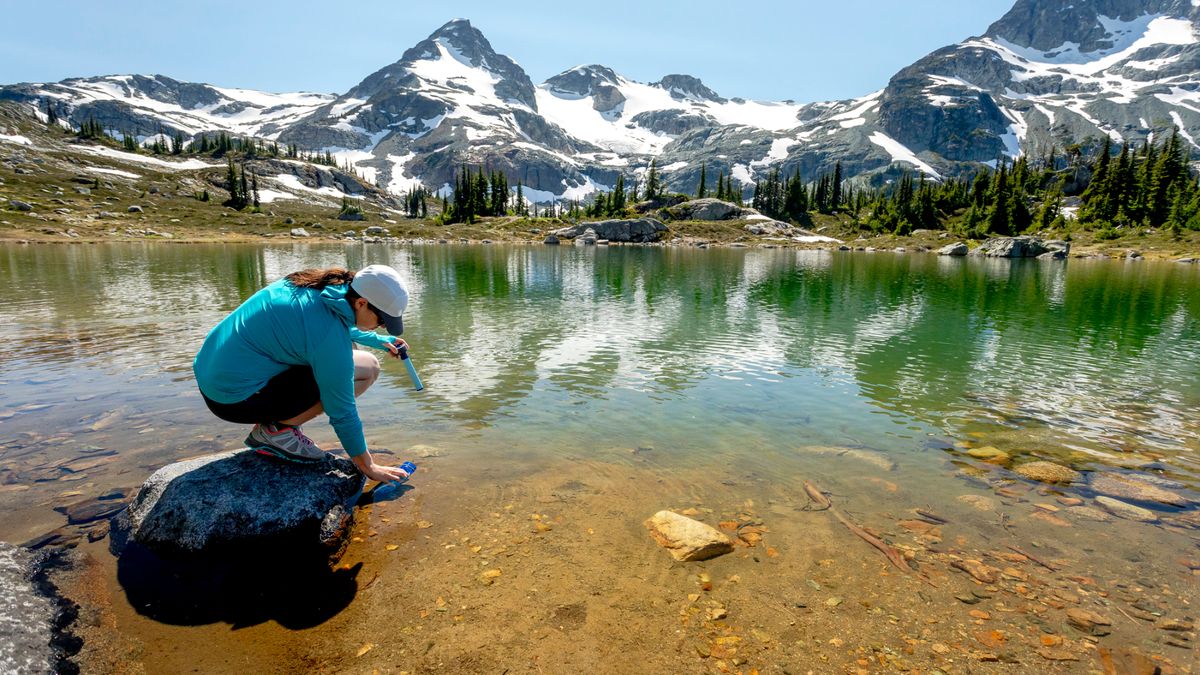
Cold streams winding through mountain valleys often look like the purest water on earth. Clear pools reflect the sky, and snowmelt trickles over rock as if nature has already filtered it for us. Yet experience in the mountains quickly teaches a harsh truth: beautiful water is not always safe water. Many hikers discover this lesson only after an uncomfortable night in a tent, realizing that what looked pristine carried invisible risks.
Time on the trail has taught me that safe drinking water rarely appears ready for a bottle. Wildlife, upstream camps, soil runoff, and microscopic organisms all turn even the clearest mountain stream into a potential hazard. The wilderness gives plenty of water, but very little of it can be trusted without treatment. Learning how to purify it properly changes the entire rhythm of backcountry travel.
Carrying reliable methods for cleaning water brings a sense of calm that no scenic view can provide. Instead of worrying about the next drink, attention stays on the trail, the weather, and the quiet beauty of the mountains. Over many trips, I developed a small set of habits and techniques that make finding and purifying water far less stressful. Those habits now feel as essential as boots or a backpack.
Why Clear Mountain Water Still Needs Treatment
Crystal clarity can be misleading in the outdoors. Many harmful organisms are too small to see, and they move freely through streams and lakes that appear untouched. Bacteria, protozoa, and parasites like Giardia often exist in water that looks cleaner than anything coming from a tap.
Animals contribute to this contamination more than people often realize. Deer, goats, rodents, and birds all share the same water sources hikers depend on. Their waste travels downhill with rain or melting snow, carrying microbes into the same streams where a thirsty backpacker might kneel to refill a bottle.
Even remote alpine environments are not immune. Snowfields melt and carry whatever has settled on the surface over months of wind and wildlife activity. That meltwater feeds creeks that appear incredibly fresh. Treating water becomes less about mistrusting nature and more about respecting how ecosystems function.
Reading The Landscape For Better Water Sources
Finding the best possible water source makes purification easier and safer. Not all streams are equal, and location often tells a story about what might be in the water. Paying attention to the terrain can dramatically improve the quality of what goes into a bottle before purification even begins.
Moving water usually offers better conditions than stagnant pools. A small stream tumbling downhill through rocks tends to have more oxygen and less buildup of contaminants compared to still water sitting in a meadow or pond. The constant movement discourages algae growth and keeps sediment from settling in large amounts.
Distance from human activity also matters. Campsites, trails, and grazing areas often increase contamination levels in nearby water sources. Hiking a short distance upstream can sometimes make a noticeable difference in water clarity and quality. That extra effort often feels worthwhile once the purification process begins.
Boiling Water In The Backcountry
Boiling remains one of the oldest and most reliable purification methods available. A small stove and metal pot can transform questionable water into something safe to drink with nothing more than heat and patience. This approach works against bacteria, viruses, and protozoa without requiring specialized equipment.
Reaching a rolling boil is typically enough at lower elevations, but high mountain environments sometimes require a bit more time due to reduced boiling temperatures. Allowing water to boil for at least a minute provides a comfortable margin of safety. In higher elevations, extending that time slightly offers additional assurance.
The main trade-off with boiling involves fuel and time. Waiting for water to heat can slow down a long day on the trail, especially when multiple liters are needed. Still, many hikers rely on this method during emergencies because almost any cooking setup can accomplish it.
Filters That Turn Streams Into Drinkable Water
Portable filters have become a favorite solution for many backcountry travelers. Small pump filters, gravity filters, and squeeze systems allow water to pass through tiny pores that trap bacteria and protozoa. The process feels almost magical when cloudy stream water emerges clean and ready to drink.
Using a filter requires some care to maintain effectiveness. Sediment and debris can clog the system over time, reducing flow and making filtration more difficult. Backflushing or rinsing components during trips helps extend the life of the filter and keeps water moving smoothly.
Cold weather adds another layer of caution. If water inside a filter freezes, the internal structure may crack and allow contaminants through. Storing the filter inside a sleeping bag or jacket overnight prevents that problem and keeps the system functioning properly.
Chemical Drops And Tablets For Lightweight Travel
Chemical purification methods appeal to hikers who value simplicity and low weight. Small bottles of liquid drops or tiny tablets can treat liters of water without bulky equipment. These options often become the backup method that stays tucked in a pack for emergencies.
The process usually involves adding a measured amount of chemical solution and waiting for it to neutralize harmful organisms. Depending on the product and water temperature, this waiting period can range from thirty minutes to several hours. Planning ahead becomes important when relying on chemical treatments.
Taste sometimes changes slightly after chemical purification. Many hikers carry flavored drink mixes to mask that effect, though the flavor often fades once the water cools or sits for a while. The convenience of carrying such a small purification method makes the tradeoff worthwhile for many travelers.
Ultraviolet Purification On The Trail
Ultraviolet purification devices introduced a modern twist to wilderness water treatment. These handheld tools use UV light to damage the DNA of microorganisms, preventing them from reproducing and causing illness. A quick stir of the device inside a bottle can purify water surprisingly fast.
Clear water works best with ultraviolet systems. Sediment and cloudiness can block the light from reaching organisms hidden behind particles. Filtering or allowing sediment to settle before using UV purification improves effectiveness significantly.
Battery life becomes the main concern with these devices. Long trips require careful management of power, especially in cold environments where batteries drain faster. Despite that limitation, UV purification remains one of the fastest ways to make water drinkable in the backcountry.
Improvised Methods During Emergencies
Situations sometimes arise where normal purification tools are lost, broken, or forgotten. In those moments, improvisation becomes essential. The wilderness rewards creativity and basic survival knowledge when standard gear is unavailable.
A simple cloth or bandana can remove large debris and sediment before other treatment steps. While this method does not eliminate microorganisms, it improves water clarity and prepares it for boiling or chemical treatment. Clearer water increases the effectiveness of whatever purification method follows.
Sunlight can also play a small role in emergency purification. Filling a clear bottle and leaving it exposed to strong sunlight for several hours allows ultraviolet radiation to reduce certain pathogens. This method works slowly and requires ideal conditions, but it can provide an extra layer of protection when other tools are limited.
Storing And Carrying Safe Water
Purification does not end once the water becomes drinkable. Proper storage prevents contamination from returning after all the effort spent cleaning it. Dirty bottle rims, unwashed hands, or contact with untreated water can quickly undo careful purification.
Many hikers separate containers for untreated and treated water. One bottle collects raw water from streams, while another holds purified drinking water. This small habit helps prevent accidental mixing and keeps the clean supply safe.
Regular cleaning of containers also matters on longer trips. Residue, dirt, and bacteria can build up over time inside bottles and reservoirs. Rinsing them with purified water and occasionally using mild cleaning tablets keeps everything fresh and reliable.
Water Discipline In Dry Mountain Terrain
Even regions filled with streams can surprise hikers with long dry stretches. Ridge lines, rocky slopes, and exposed plateaus often lack reliable water sources. Careful planning ensures that purification methods remain useful instead of becoming dead weight in the pack.
Studying maps before a trip helps identify potential water locations along the route. Springs, lakes, and stream crossings marked on topographic maps offer valuable clues. Arriving at those points with empty bottles allows hikers to refill and treat water before continuing into dry terrain.
Pacing water consumption also becomes part of trail discipline. Drinking regularly while conserving enough for the next source keeps energy levels steady without risking dehydration. A balanced approach makes long mountain days feel far more manageable.
Confidence That Comes From Clean Water
Reliable water purification transforms the backcountry experience. Instead of worrying about illness or rationing every sip, hikers gain the freedom to explore deeper into remote terrain. Clean water becomes a quiet source of confidence carried in a bottle.
Long journeys in the mountains often revolve around simple routines: walking, resting, eating, and drinking. Safe water supports each of those activities, keeping the body functioning and the mind clear. The ability to purify water anywhere turns streams and lakes into dependable allies along the trail.
Mountain landscapes will always offer more water than a traveler can drink. The real skill lies in turning that abundance into something safe and dependable. With the right habits and tools, even the most remote wilderness begins to feel a little more welcoming, one purified bottle at a time.
