

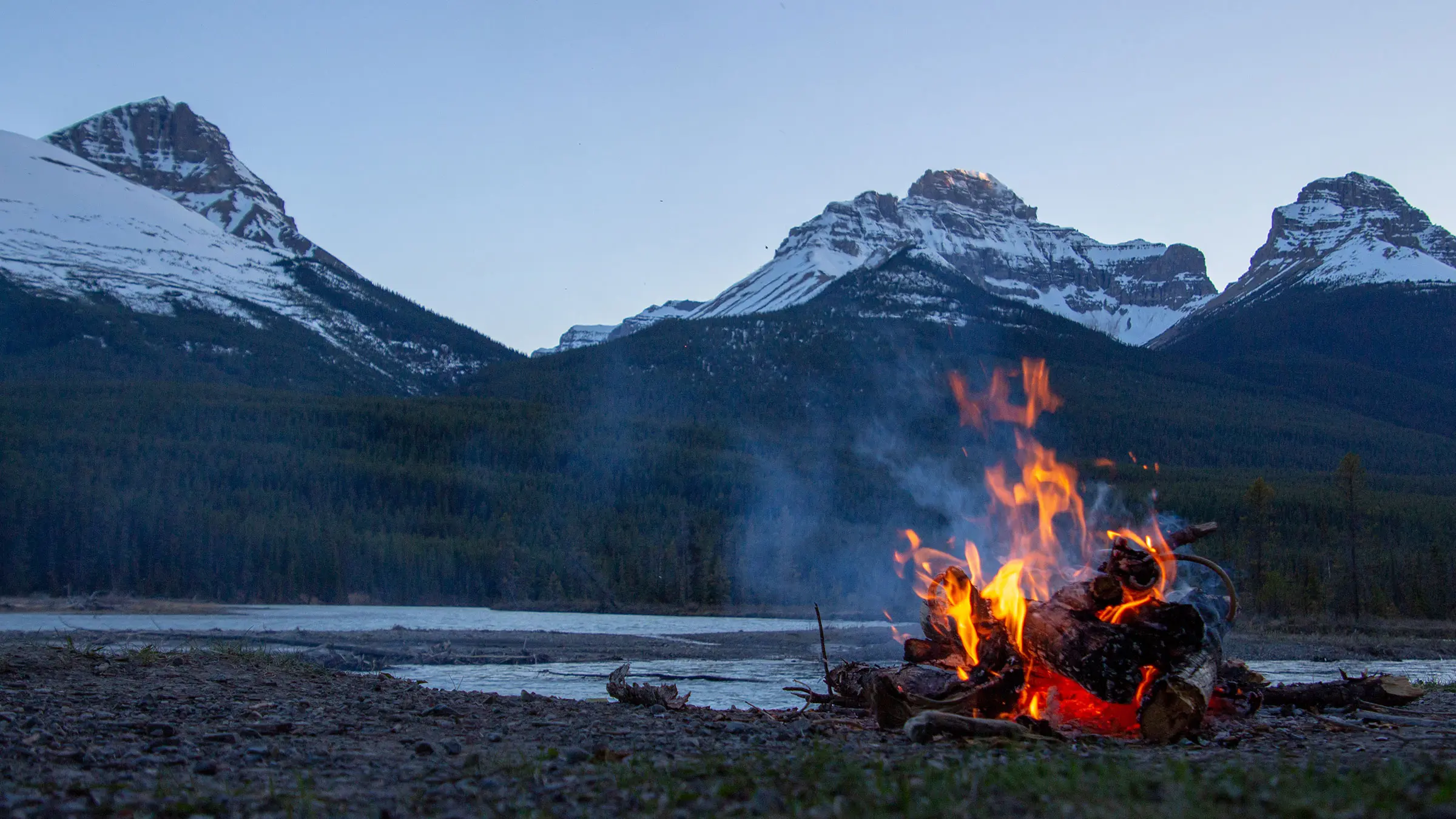
Rain has a way of turning a calm forest into a test of patience and skill. Wet bark, dripping branches, and soaked ground can make even experienced outdoors people doubt whether a fire is possible. Yet a warm flame in those conditions can mean comfort, safety, and the ability to cook or dry gear.
My time in damp forests has taught me that rain does not make fire impossible. It simply raises the bar for preparation and awareness. The woods still provide everything needed, but finding and using those materials requires a careful eye and a steady process.
This guide walks through the practical steps I rely on whenever the forest is dripping and the sky refuses to clear. From locating dry tinder to protecting a fragile spark, each part of the process builds toward one goal: a reliable fire in the worst weather.
Reading the Forest for Hidden Dry Materials
Rain rarely soaks the forest evenly. Even during steady rainfall, small pockets of dryness remain scattered through the landscape. The key lies in noticing where moisture cannot easily reach.
Dense evergreen trees often form natural umbrellas that block much of the rain. Beneath those branches, the ground and fallen debris tend to remain drier than open areas. I always begin my search in these sheltered spots because they offer the highest chance of finding usable tinder.
Dead branches that remain attached to trees also provide valuable material. Wood that never touches the ground dries faster and avoids the constant moisture that saturates fallen logs. Snapping small branches from the underside of standing trees often reveals surprisingly dry fibers inside.
Another overlooked source hides within larger pieces of wood. Splitting a damp branch exposes a dry interior protected from the rain. Even if the outer bark feels soaked, the core often contains perfect kindling.
Taking time to scan the surroundings prevents frustration later. Rushing into fire building without gathering enough dry material usually leads to a dying flame and wasted effort.
Preparing a Fire Site That Can Survive Rain
A fire built directly on wet ground struggles from the start. Moisture seeps upward into the fuel, cooling the small flames before they have a chance to grow. Elevating the fire slightly above the ground helps protect it during the fragile early stage.
Flat stones or thick green sticks create a simple platform that lifts tinder away from mud and puddles. This barrier reduces heat loss and allows air to circulate beneath the flame. Even a small layer of bark or dry wood chips can serve as insulation if other materials are scarce.
Wind and falling rain also deserve attention. Natural windbreaks such as large logs, rock walls, or dense shrubs shield the fire from gusts that might scatter sparks or extinguish a young flame. At the same time, the fire needs airflow, so I avoid sealing it off completely.
Sometimes I build a small roof using bark slabs or a leaning branch structure. The cover sits high enough to avoid trapping smoke but low enough to block direct rainfall. This simple shelter can make the difference between a struggling spark and a stable fire.
Preparing the site carefully allows the fire to focus its energy on growing instead of fighting moisture.
Gathering Tinder That Ignites Despite Moisture
Tinder is the most critical ingredient during rainy conditions. Without a material that ignites easily, even the best sparks fade into damp darkness.
The inner bark of many trees provides excellent tinder when shredded into thin fibers. Cedar, birch, and certain pines contain natural oils that burn readily. I strip away the outer layer and rub the inner fibers between my hands until they resemble a loose nest.
Dry grasses and seed heads can also work if collected from protected locations. Inside hollow logs or beneath thick bushes, pockets of vegetation often stay dry enough to ignite. These delicate materials require gentle handling because crushing them reduces their ability to catch a spark.
Fatwood, the resin-rich heart of pine trees, stands out as one of the most dependable rain-day fire starters. Small shavings from this dense wood ignite quickly and burn with a hot, steady flame. Even damp conditions rarely prevent fatwood from lighting.
Birch bark deserves special mention because it burns even while slightly wet. The natural oils in the bark act almost like a built-in fire starter. Thin curls of birch bark placed beneath the tinder nest provide valuable insurance against stubborn moisture.
Collecting more tinder than expected usually pays off. Rainy fires demand extra fuel during the early stage, and running out too soon can halt progress.
Building Kindling That Encourages Flame Growth
Kindling bridges the gap between fragile tinder and larger firewood. In rainy conditions, this stage requires patience and careful sizing of materials.
Thin sticks about the width of a pencil form the first layer above the tinder. These small pieces ignite quickly and create the initial structure of the fire. I place them loosely so that air flows easily through the stack.
Gradually thicker sticks follow as the flame grows stronger. Each new layer should ignite from the previous one without smothering it. If the pieces become too large too soon, the fire struggles to maintain heat.
Breaking kindling from standing dead branches works better than collecting wood from the ground. The interior of these branches often remains dry even during extended rain. A quick snap usually reveals whether the wood is suitable, since dry sticks break cleanly while wet ones bend or splinter.
Preparing several handfuls of kindling before lighting the fire prevents unnecessary scrambling. Once the tinder ignites, attention should stay focused on feeding the flame rather than searching for more fuel.
Shielding the Spark During Ignition
The moment of ignition becomes the most delicate phase in wet weather. A single drop of rain or gust of wind can ruin the effort if the spark remains exposed.
Cupping my hands around the tinder nest creates a temporary barrier against both wind and rain. This small shelter allows the spark to settle into the fibers and begin glowing. Careful breathing helps feed oxygen into the ember without blowing it out.
Fire starters such as ferro rods, waterproof matches, or a lighter all perform well in rain when used correctly. The key lies in directing the spark precisely into the heart of the tinder. Multiple attempts may be necessary, but persistence usually pays off.
As soon as the tinder begins to smolder, I gently close the nest around the ember and blow steadily. The fibers darken, smoke thickens, and eventually a small flame appears. That moment always feels like victory against the rain.
Quickly transferring the burning tinder into the prepared fire structure ensures the flame spreads before moisture can reclaim it.
Structuring the Fire for Wet Conditions
Certain fire layouts perform better than others in rainy environments. A structure that encourages airflow while protecting the flame from falling water improves the odds of success.
The teepee arrangement works well for starting fires because it concentrates heat around the tinder. Thin sticks lean together above the center, forming a small cone. As the flame grows, the structure gradually collapses inward, feeding fresh fuel into the core.
Another useful method involves a lean-to arrangement. One thicker stick acts as a backbone while smaller pieces lean against it above the tinder. This design creates a natural shield that helps deflect rain from the fragile flame.
Once the fire becomes stable, larger wood can be added slowly. Logs should remain slightly spaced so air continues circulating through the fire. A crowded fire suffocates quickly, especially when damp wood produces extra smoke.
Watching how the flame reacts to each addition helps maintain balance. If the fire weakens, removing a piece or adding thinner fuel usually restores strength.
Handling Wet Firewood Without Losing Heat
Most available wood during rain carries at least some moisture. That reality does not prevent it from burning, but it requires careful handling.
Splitting larger pieces exposes their dry interior, which ignites far more easily than the wet outer surface. Even a simple knife or hatchet can produce usable splits from a damp log. These exposed surfaces catch flame quickly and maintain steady heat.
Stacking wood near the fire allows radiant heat to dry it gradually. As one piece burns, the nearby pieces lose moisture and prepare for their turn. This natural drying cycle keeps the fire fueled despite persistent rain.
Patience remains essential while burning damp wood. It may hiss or steam as moisture escapes, but consistent heat eventually overcomes the wetness. Rushing the process by piling on too much wood often suffocates the flame instead.
A steady rhythm of adding fuel keeps the fire healthy while slowly drying future pieces.
Protecting the Fire Once It Is Established
A fire that finally burns strong deserves protection from the continuing rain. Without attention, even a good flame can weaken if exposed to constant water.
Simple overhead cover works wonders for maintaining heat. A tarp, large bark sheet, or angled branch structure blocks rainfall while allowing smoke to escape. The shelter should never trap smoke downward or sit close enough to ignite.
Managing the surrounding ground also helps preserve the fire. Digging shallow channels around the fire pit prevents water from pooling near the coals. Even a small trench can redirect rainwater away from the heat.
Regularly feeding the fire with moderately sized wood keeps the temperature high. Strong heat evaporates moisture from incoming fuel and maintains a stable bed of coals. Once those coals form, the fire becomes far more resilient against the rain.
Watching the flame throughout the storm builds confidence. The forest may be wet and cold, but a well-tended fire stands firm against the weather.
Lessons the Rain Teaches About Fire
Rainy conditions reveal the deeper principles behind fire building. Dry fuel, airflow, shelter, and patience all become more obvious when moisture challenges every step.
Each successful rainy fire reinforces the importance of preparation. Gathering extra tinder, building a protected fire site, and structuring the fuel carefully transforms a difficult task into a manageable one. Experience turns frustration into routine.
Confidence grows with each attempt. The forest stops feeling hostile and begins to feel like a partner providing hidden resources. Even in steady rain, the woods still offer dry fibers, resin-rich wood, and sheltered spaces waiting to be used.
A warm flame in wet weather carries a special satisfaction. It proves that skill and persistence can overcome conditions that once seemed impossible.
Rain may soak the forest floor and drip endlessly from the canopy, but it never truly erases the possibility of fire. With the right approach, the smallest spark can still grow into a steady flame that lights the darkness and pushes back the cold.
