

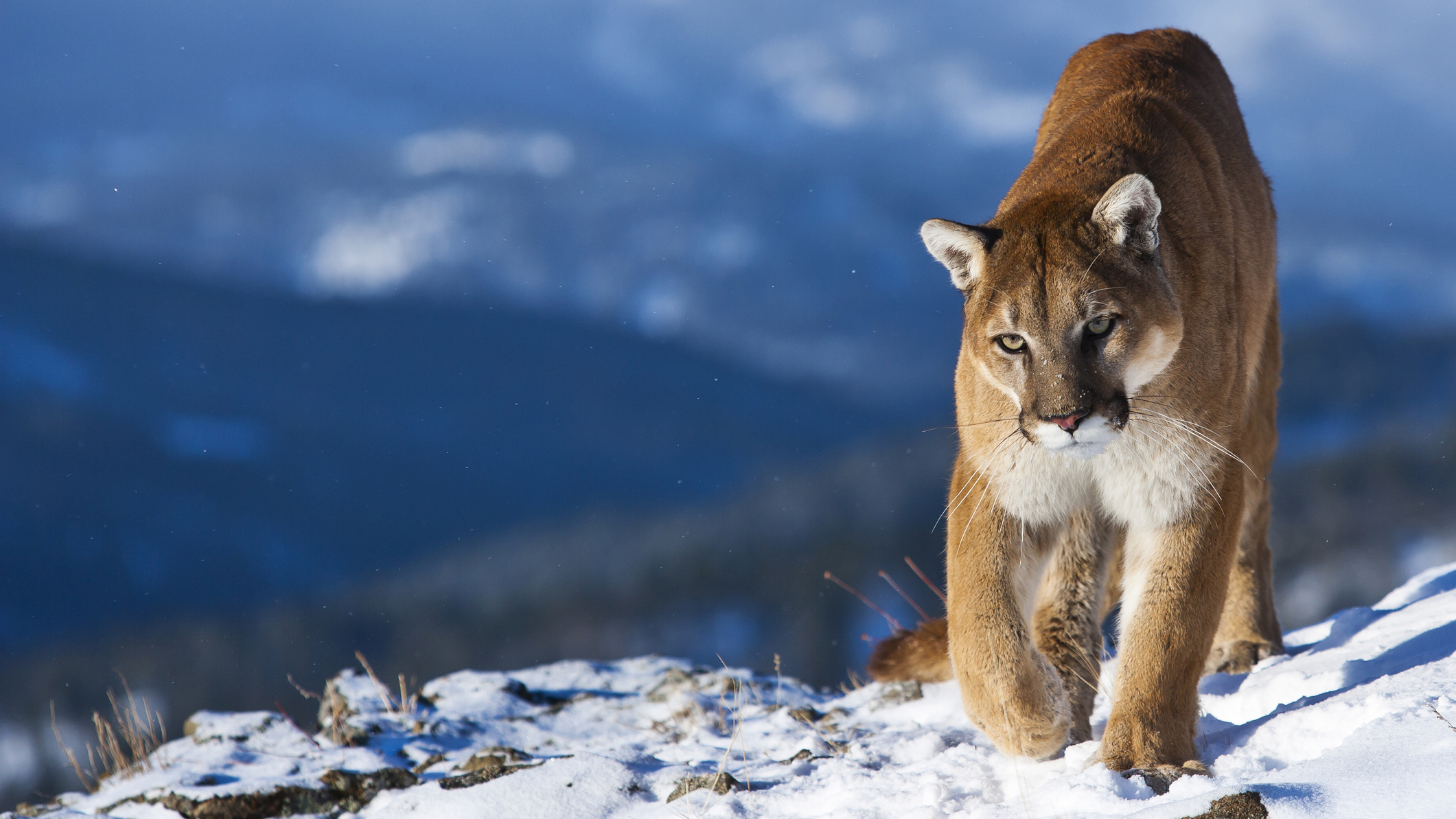
The Moment You Realize a Mountain Lion Is Nearby
The quiet of a mountain trail can change instantly the moment a mountain lion appears. One second the forest feels calm and welcoming, and the next it feels tense and uncertain. A sight like that forces your instincts to wake up quickly, because every movement suddenly matters.
Mountain lions, also called cougars or pumas, are powerful predators that usually avoid people. Still, hiking or exploring in their habitat means an encounter is always possible. Staying calm and thinking clearly becomes the most important step in those first few seconds.
My first reaction is always to pause and assess the situation instead of making a sudden move. A quick burst of panic can lead to the wrong decision, such as running or turning away. Taking a breath allows me to focus on the animal’s behavior and determine the safest response.
Body language matters more than most people realize. A mountain lion often watches carefully before deciding what to do. Showing confidence and awareness can sometimes convince the animal that I am not an easy target.
Staying Calm Instead of Panicking
Fear is natural during a wildlife encounter, but panic can make things worse. Running or screaming immediately may trigger the mountain lion’s instinct to chase. That instinct is deeply wired into predators, and movement can make a person look like prey.
I remind myself that most mountain lions do not want to attack humans. These animals generally prefer deer and other natural prey, and they usually retreat if they sense that a person is aware of them. Keeping that thought in mind helps control the rush of fear.
Breathing slowly is one of the simplest ways to regain control. A steady breath keeps the mind focused and prevents rash decisions. The goal is to appear calm and confident rather than frightened.
Even though the situation feels intense, maintaining composure gives the best chance of ending the encounter safely. The mountain lion is assessing me just as much as I am assessing it.
Making Yourself Look Larger
Appearing larger can discourage a mountain lion from approaching. Predators often evaluate risk before attacking, and a bigger-looking opponent may seem like too much trouble. That small shift in appearance can make a surprising difference.
If I am wearing a backpack or jacket, I keep it on to increase my size. Raising my arms slowly and spreading them outward can also help create a larger silhouette. Standing tall communicates confidence rather than vulnerability.
Eye contact plays an important role as well. Looking directly at the mountain lion shows awareness and strength. At the same time, I avoid aggressive gestures that might provoke the animal.
The goal is not to challenge the mountain lion but to convince it that attacking would be risky. Many encounters end at this stage once the animal decides it would rather move on.
Never Turn Your Back
Turning away from a predator sends a dangerous signal. Prey animals run, and predators are built to chase them. That instinct can activate instantly if someone suddenly bolts down a trail.
Facing the mountain lion keeps the situation more controlled. I keep my eyes on the animal while slowly adjusting my position if needed. Every movement remains deliberate and calm rather than rushed.
Backing away slowly can create distance without triggering pursuit. The key is to move carefully and maintain awareness of the terrain. Uneven ground or loose rocks can make quick movement risky, so steady steps matter.
Remaining oriented toward the animal also allows me to read its behavior. A mountain lion’s posture can reveal whether it is curious, defensive, or preparing to leave.
Protecting Children and Pets
Children and pets can change the dynamics of a mountain lion encounter. Smaller figures may appear similar to prey animals, which increases the risk. Immediate action becomes essential if they are nearby.
If a child is with me, lifting them onto my shoulders helps keep them safe while making my overall appearance larger. Holding them close also prevents sudden movements that could attract attention. Calm instructions can help them remain quiet and still.
Pets should never run loose in mountain lion territory. A running dog can easily trigger a chase response. Keeping pets close on a leash reduces that risk and keeps the situation more manageable.
Maintaining control of everyone present helps keep the encounter calm. The fewer unpredictable movements around, the less likely the mountain lion will feel compelled to react.
Using Your Voice and Presence
A firm voice can be surprisingly effective during an encounter. Speaking loudly and clearly signals that I am aware and confident. Predators often avoid confrontations with animals that appear strong and alert.
Short, firm phrases work better than shouting in panic. Saying things like “Go away” or “Back off” while maintaining eye contact can help establish dominance. The tone should sound assertive rather than frightened.
Clapping or slowly waving my arms may also reinforce that presence. The idea is to look and sound intimidating without making sudden aggressive movements. Balance is important because overly frantic behavior can escalate the situation.
Many mountain lions choose to retreat once they realize they have been seen. Showing strength through voice and posture increases the chances that the animal will decide to leave.
What to Do If the Mountain Lion Approaches
Occasionally a mountain lion may step closer instead of retreating. This moment requires even greater composure because sudden fear can easily lead to mistakes. Standing ground becomes critical.
Maintaining eye contact and continuing to look large is the first step. Slowly picking up objects such as sticks or rocks can provide tools for defense if needed. Holding those items visibly may also discourage the animal.
Speaking firmly and maintaining a strong stance can shift the animal’s perception of the situation. Many predators rely on intimidation, and a confident response can reverse that dynamic.
Backing away slowly while maintaining that presence creates space without encouraging pursuit. Distance often encourages the mountain lion to reconsider its approach.
If an Attack Occurs
An attack from a mountain lion is extremely rare, but preparation matters. If one does occur, fighting back becomes necessary. Playing dead does not work against this type of predator.
Using anything available as a weapon can help defend against the animal. Sticks, rocks, backpacks, and even bare hands may be used to strike sensitive areas such as the face or eyes. The goal is to convince the mountain lion that continuing the attack will cost more energy than it is worth.
Staying on your feet is important whenever possible. Falling to the ground can place someone in a vulnerable position. Standing tall while defending increases the chances of driving the animal away.
Reports from past encounters often show that aggressive resistance causes mountain lions to retreat. These animals prefer easier prey, and a determined defense can change the outcome.
Awareness Before Entering Mountain Lion Habitat
Preparation begins long before any encounter occurs. Mountain lions live in many wilderness areas across North and South America, especially in mountainous regions with healthy deer populations. Awareness of their presence helps guide safer behavior.
Hiking with a partner or group reduces risk significantly. Predators tend to avoid larger groups because the threat becomes harder to evaluate. Even simple conversation while hiking can signal human presence.
Staying alert to signs of wildlife also helps. Tracks, scat, or partially buried prey may indicate that a mountain lion is active nearby. Recognizing those signs can encourage extra caution along the trail.
Time of day can also influence activity. Mountain lions are often more active during dawn and dusk, when many animals move through the forest. Extra awareness during those hours helps reduce surprise encounters.
Respecting the Wild Without Fear
The wilderness belongs to many creatures, and mountain lions are among the most impressive. Encountering one can feel intense, yet it also reminds me how alive the natural world truly is. Respecting that environment means acknowledging the role predators play.
Mountain lions help maintain balance within ecosystems by controlling prey populations. Their presence supports healthier forests and wildlife communities. Recognizing that role fosters appreciation rather than fear.
Prepared hikers and outdoor travelers can share these landscapes safely. Knowledge and calm behavior transform a frightening possibility into a manageable situation. Respect, awareness, and steady judgment create the best outcome for both humans and wildlife.
Every journey into the mountains carries the chance of unexpected encounters. Staying composed, standing tall, and responding thoughtfully can turn a tense moment into a story of respect between two creatures crossing paths in the wild.
