

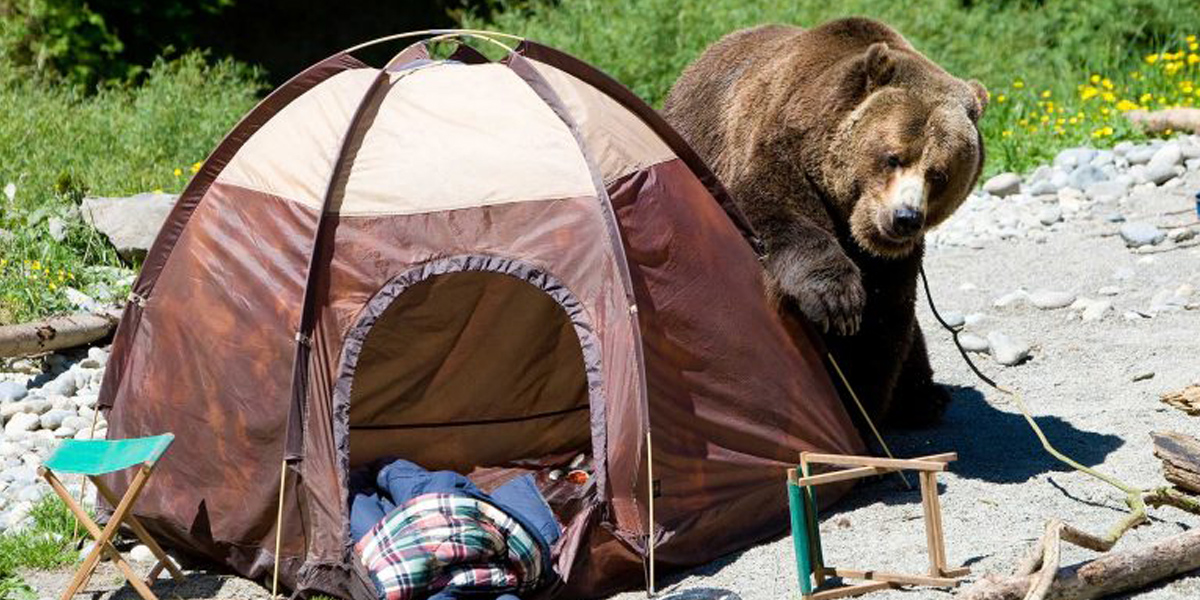
Camping in bear country adds a level of responsibility that many outdoor adventures simply do not require. The forests, mountains, and backcountry areas where bears live are some of the most beautiful places on earth, but they demand awareness and respect from anyone who visits. I have spent many nights in areas where bears roam freely, and every trip reminds me that preparation and awareness matter far more than luck.
The goal of camping in bear territory is not to avoid nature but to participate in it responsibly. Bears are not villains of the wilderness. They are intelligent, powerful animals that are simply trying to survive in their habitat. Campers who respect that reality rarely encounter serious problems.
Confidence in bear country comes from preparation. A few habits and precautions dramatically reduce risk while allowing the experience to remain enjoyable. Campers who follow basic practices protect not only themselves but also the bears that live in those environments.
Why Bears Visit Campsites
Bears are constantly searching for food, and their sense of smell is one of the most powerful in the animal kingdom. A bear can detect food odors from miles away, and even items that people might not consider edible can attract their curiosity. Toothpaste, scented lotion, cooking grease, and leftover crumbs can all create scents that draw bears toward a campsite.
During several backcountry trips, I noticed how quickly food smells spread through a quiet forest. Cooking a simple meal like pasta or frying fish releases scents that drift across the trees and valleys. Bears that roam nearby may investigate simply because their instincts push them to explore potential food sources.
Campgrounds become especially attractive to bears when people fail to store food properly. Once a bear discovers that campsites offer easy meals, it may return again and again. That pattern creates danger for both campers and the bear itself, since wildlife officials often have no choice but to relocate or euthanize bears that become too comfortable around humans.
Food Storage That Keeps Bears Away
Food storage is the most important habit for anyone camping in bear country. Everything that smells like food must be stored securely whenever it is not actively being used. This includes cooking utensils, trash, snacks, beverages, toothpaste, and even empty food wrappers.
In many wilderness areas, bear-resistant canisters are required. These sturdy containers are designed to prevent bears from accessing food even if they find the container. I always keep my canister at least one hundred feet away from where I sleep, placing it on the ground in a visible area so I can retrieve it easily in the morning.
Some campsites provide metal bear lockers, which serve the same purpose as canisters but allow for larger storage space. Whenever those lockers are available, I use them immediately after cooking. Leaving food unattended, even for a few minutes, can create opportunities for wildlife to investigate the campsite.
Setting Up A Bear-Safe Campsite
A well-organized campsite helps reduce the chances of attracting a curious bear. I always follow a simple layout that separates sleeping areas, cooking areas, and food storage areas. This triangle arrangement keeps food odors far from where people sleep.
Cooking areas should remain clean and free of spills or scraps. After preparing meals, I wipe down surfaces and pack away all food-related items. Even small crumbs or drops of cooking oil can release scents that linger overnight.
The sleeping area should contain nothing with a scent. That includes snacks tucked into backpacks, lip balm, sunscreen, and scented wipes. Removing those items from tents prevents smells from building up in places where people are most vulnerable.
Bear Spray And Personal Safety Tools
Bear spray is one of the most effective tools for preventing serious encounters with aggressive wildlife. It is designed to create a cloud of powerful pepper spray that temporarily disables a charging bear without causing permanent harm. Carrying it properly and knowing how to use it can make a huge difference in a dangerous situation.
I always keep bear spray attached to my belt or backpack strap rather than buried inside a pack. Encounters with wildlife often happen quickly, and a tool that cannot be reached in seconds is practically useless. Practicing with an inert training canister helps build confidence in handling the spray.
Other tools like noise makers or air horns can also discourage curious animals from approaching a campsite. However, nothing replaces awareness and prevention. The goal is always to avoid conflict rather than react to it.
Hiking Safely Through Bear Habitat
Hiking in bear territory requires awareness of the surrounding environment. Bears typically prefer to avoid people, but surprise encounters can happen along trails, especially in dense vegetation or near water sources where noise is harder to detect.
I make noise while hiking, particularly when rounding blind corners or moving through thick brush. Talking, clapping, or occasionally calling out alerts wildlife to human presence and reduces the chances of startling a nearby bear.
Traveling in groups adds another layer of safety. Larger groups tend to produce more noise and appear more intimidating to wildlife. Even two or three hikers together can reduce the likelihood of an unexpected encounter.
Signs That Bears Are Nearby
Reading the landscape helps campers recognize whether bears are active in the area. Tracks, claw marks on trees, overturned logs, and fresh scat all indicate recent wildlife activity. Paying attention to those signs helps campers remain alert rather than surprised.
During one mountain trip, I spotted large paw prints along a muddy trail just minutes before reaching a clearing where I planned to cook lunch. That discovery convinced me to move further down the trail before stopping. Small decisions like that reduce risk and keep interactions with wildlife to a minimum.
Listening also plays an important role. Branches snapping in dense brush or sudden movement in the trees can signal that animals are nearby. Quiet awareness often reveals far more than rushing through the forest without paying attention.
What To Do During A Bear Encounter
Encountering a bear in the wild can feel intimidating, but panic often makes situations worse. Remaining calm and avoiding sudden movements helps prevent the bear from interpreting human behavior as a threat.
If I see a bear at a distance, I slowly increase the space between us while speaking in a calm voice. Running is never a good option because it can trigger a chase instinct. Bears are incredibly fast, and no person can outrun one on foot.
If a bear approaches more closely, standing tall and making noise can help signal that a human is present. Most bears will leave once they recognize that the figure in front of them is not prey. Bear spray becomes a last resort if the animal continues approaching aggressively.
Managing Trash In Bear Territory
Trash management is just as important as food storage. Bears do not differentiate between fresh meals and discarded packaging. A single forgotten wrapper can encourage wildlife to explore a campsite repeatedly.
I pack out all trash and store it in the same containers used for food. Odors from leftovers, cans, and plastic packaging can linger long after meals have ended. Sealing those items prevents scents from spreading through the campsite.
Campgrounds often provide designated bear-proof trash bins, and those should always be used whenever available. Tossing waste into ordinary bags or leaving it outside overnight invites animals to investigate.
Respecting Wildlife From A Distance
Watching a bear from a safe distance can be one of the most memorable moments in the outdoors. Seeing such a powerful animal moving naturally through the forest reminds me how wild these places truly are. However, that moment should always remain a distant observation rather than a close interaction.
Attempting to approach wildlife for photographs or curiosity can create dangerous situations. Bears that grow comfortable around people may start associating humans with food. That association often leads to conflict later.
Maintaining distance protects both sides of the encounter. The bear continues its natural behavior, and campers remain safe without interfering with the animal’s routine.
Habits That Make Bear Country Safer
Successful camping in bear territory depends on consistent habits rather than complicated strategies. Storing food properly, keeping campsites clean, carrying bear spray, and remaining alert while hiking all contribute to a safer experience.
I treat these habits the same way I treat packing a sleeping bag or setting up a tent. They are simply part of the routine that comes with exploring wilderness areas where wildlife lives freely. Over time, those practices become second nature.
Bear country does not have to feel intimidating. With preparation and awareness, it becomes one of the most rewarding places to spend time outdoors. The mountains, forests, and valleys that support these incredible animals also provide unforgettable experiences for campers willing to respect the rules of the wild.
Each trip into bear territory reminds me that humans are visitors in a landscape shaped by nature. Respecting that reality allows both people and wildlife to share the same wilderness without unnecessary conflict. That balance is what keeps the adventure alive while protecting the creatures that call those mountains home.
