

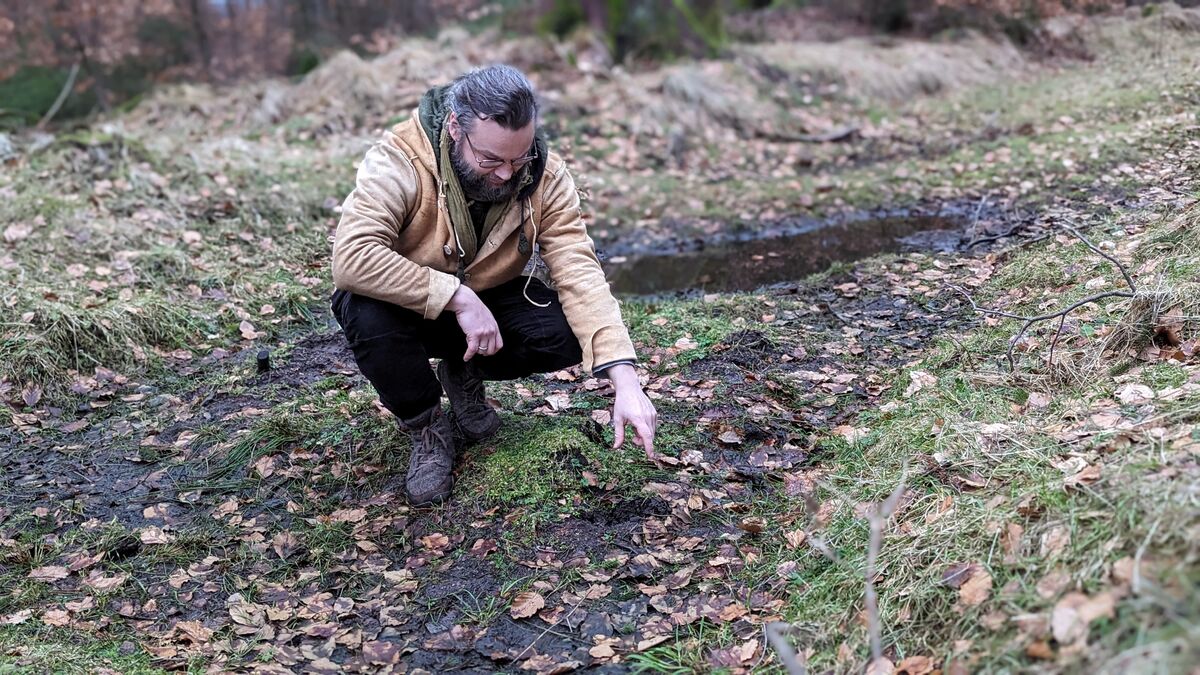
Why Animal Tracks Matter in the Mountains
A quiet mountain trail reveals far more than what meets the eye. Even when animals remain hidden in the forest or high above the ridgeline, the ground often tells their stories. Tracks pressed into dirt, snow, or soft mud form a kind of language that anyone willing to slow down and observe can begin to read. With patience and practice, these small signs turn an ordinary hike into a fascinating exploration of wildlife behavior.
Mountain environments offer ideal places to practice tracking. Wildlife travels through valleys, across ridges, and along streams in predictable ways, often leaving clear prints behind. Deer move between feeding areas, foxes patrol their territories, and small mammals scurry along forest edges. Trails used by hikers are sometimes used by animals as well, which means a careful observer might discover tracks only minutes or hours old.
Tracking creates a deeper connection with the landscape. Instead of simply passing through the mountains, attention shifts toward the subtle details underfoot. A print in damp soil can reveal the size of an animal, the direction it traveled, and sometimes even how quickly it was moving. These clues build a picture of activity that most hikers would otherwise miss.
The Basic Parts of an Animal Print
Reading animal tracks begins with recognizing the structure of a print. Many mammals leave impressions that show toes, claws, and the main pad of the foot. These parts vary widely depending on the species, and noticing the differences becomes the first step toward identification.
The main pad is often the most visible portion of the track. In animals such as deer or elk, this appears as a split hoof that forms two pointed shapes. Predators like foxes or coyotes leave prints with a central pad surrounded by four toes. The size and shape of that pad help distinguish between species that might otherwise appear similar.
Claw marks also provide valuable clues. Dogs and other canines usually leave visible claw impressions ahead of the toes because their claws do not retract. Cats, on the other hand, rarely show claws in their prints unless they are running or slipping. Observing whether claws are present or absent can quickly narrow down which type of animal passed through the area.
Spacing between toes and the shape of the track overall add another layer of detail. Some prints appear rounded, while others stretch longer and narrower. Taking a moment to examine these small variations transforms what might seem like random marks into recognizable patterns.
Common Mountain Animals and Their Tracks
Many mountain regions host a mix of hoofed animals, predators, and smaller mammals. Each group leaves distinctive tracks that become easier to recognize with repeated observation. One of the most frequently encountered prints on mountain trails belongs to deer. Their cloven hooves form a heart-shaped track with two pointed tips at the front.
Elk tracks resemble those of deer but appear larger and more rounded. In muddy conditions, the hooves may spread slightly as the animal’s weight presses downward. This creates wider impressions that still retain the recognizable split pattern. Moose tracks share a similar structure but are significantly larger and often appear in wet, marshy areas near streams.
Predators leave a different style of track entirely. Coyotes and foxes create oval prints with four toes and visible claws. The overall track tends to look narrow and tidy because these animals place their feet carefully as they move. Bobcats and mountain lions also leave four-toed prints, but their tracks usually appear rounder and rarely show claws.
Small mammals add variety to the trail as well. Squirrels, raccoons, and rabbits often leave clusters of prints that reveal hopping or bounding patterns. These smaller tracks may seem chaotic at first glance, yet careful observation often reveals a consistent rhythm in how the animal moved across the ground.
How Ground Conditions Affect Tracks
The clarity of animal prints depends heavily on the surface beneath them. Soft mud near streams often preserves tracks in remarkable detail. Individual toe pads and claw marks can appear almost sculpted in the earth, making identification far easier than on hard-packed soil.
Snow offers another excellent tracking surface, particularly in mountain environments where winter conditions persist. Fresh snowfall acts like a blank page, capturing the movements of animals during the night or early morning. Crisp edges around a track often indicate that the print was made recently, while rounded edges suggest it has been exposed to wind or sun for some time.
Dry trails present more of a challenge. Dust and gravel rarely hold the exact shape of a print, which means trackers must rely on partial impressions or disturbances in the surface. Small stones pushed aside or faint outlines in the dirt can still reveal valuable information with careful attention.
Lighting also plays a role in spotting tracks. Early morning or late afternoon sunlight creates shadows that highlight subtle depressions in the ground. Looking at the trail from a slight angle rather than directly above often makes prints easier to see.
Interpreting Movement and Direction
A single track tells part of a story, but a trail of prints reveals much more. Following the sequence of tracks shows where an animal traveled and sometimes hints at its behavior. Direction becomes clear by examining the orientation of the toes or hooves, which typically point forward in the path of travel.
Stride length provides another useful clue. Animals moving slowly tend to leave tracks spaced close together, while those running or bounding create longer gaps between prints. Deer escaping a disturbance might leave widely spaced tracks that stretch across the trail, while relaxed feeding movements appear shorter and more irregular.
Patterns in the track line also reveal how an animal moves. Canines often place their rear feet into the exact spots where their front feet stepped, creating a neat and efficient pattern. Rabbits, on the other hand, leave a bounding sequence where the larger hind feet land ahead of the smaller front feet.
Occasionally the trail of prints leads to other signs such as disturbed leaves, broken twigs, or flattened grass. These details combine with the tracks themselves to paint a clearer picture of what happened along the trail.
Signs That Accompany Animal Tracks
Animal tracks rarely appear alone in the wild. Other signs often accompany them, adding context and helping confirm which species passed through the area. Droppings, commonly called scat, can reveal diet and approximate size of the animal. Deer scat appears as small pellets, while predators leave more elongated deposits that sometimes contain fur or bones.
Scratches on tree bark provide another useful clue. Bears and other large animals sometimes leave claw marks while searching for insects or marking territory. These marks might appear several feet above the ground, offering insight into the animal’s size.
Feeding signs also appear along trails and forest edges. Deer browse on leaves and young branches, leaving clean cuts where they have nipped vegetation. Rodents chew bark and seeds, creating small piles of debris beneath trees or logs.
Listening and observing the surroundings can add even more information. Birds alarm calls sometimes signal the presence of predators, and freshly disturbed soil might suggest that an animal passed through recently. Combining these signs with tracks deepens the overall tracking experience.
Practicing Tracking Skills on the Trail
Improvement in tracking comes from repeated observation rather than memorizing field guides alone. Spending time on familiar trails allows patterns to become more noticeable over time. Returning to the same locations after rain or snowfall often reveals fresh tracks that were not visible before.
Taking photographs or making simple sketches of tracks helps build a personal reference. Comparing different prints side by side gradually sharpens recognition skills. Even partial tracks can become useful learning tools when examined carefully.
Patience remains one of the most valuable traits in tracking. Rushing along a trail usually leads to missed details. Slowing the pace allows subtle signs to stand out, whether it is a faint print beside a rock or a small disturbance in the leaves.
Exploring areas where animals naturally travel also increases the chances of finding tracks. Water sources, meadow edges, and narrow mountain passes often serve as natural corridors for wildlife movement. Observing these locations quietly often rewards patient hikers with fresh evidence of animal activity.
Respecting Wildlife While Tracking
Tracking offers a window into the hidden lives of animals, but respect for wildlife must always remain a priority. Following tracks too closely can disturb animals, especially during sensitive seasons such as winter or breeding periods. Maintaining distance ensures that wildlife remains undisturbed while still allowing observation of their signs.
Mountain environments can also present hazards for people attempting to follow tracks off established trails. Steep terrain, loose rocks, and dense vegetation may make certain areas unsafe to explore. Staying aware of surroundings and choosing safe routes keeps the experience enjoyable and responsible.
The goal of tracking is observation rather than pursuit. Reading prints and interpreting signs provides insight without requiring direct encounters with wildlife. This approach allows hikers to appreciate the presence of animals while leaving their natural routines intact.
Tracking gradually transforms how a mountain trail feels. What once seemed like an empty stretch of dirt or snow begins to reveal layers of activity. Deer passing through at dawn, foxes patrolling at night, and small mammals darting between trees all leave their signatures on the ground.
Every hike becomes an opportunity to notice something new. A fresh track might appear around the next bend, or a familiar trail might display a completely different pattern after a recent storm. With practice, patience, and curiosity, reading animal prints becomes a rewarding skill that deepens every journey through the mountains.
