

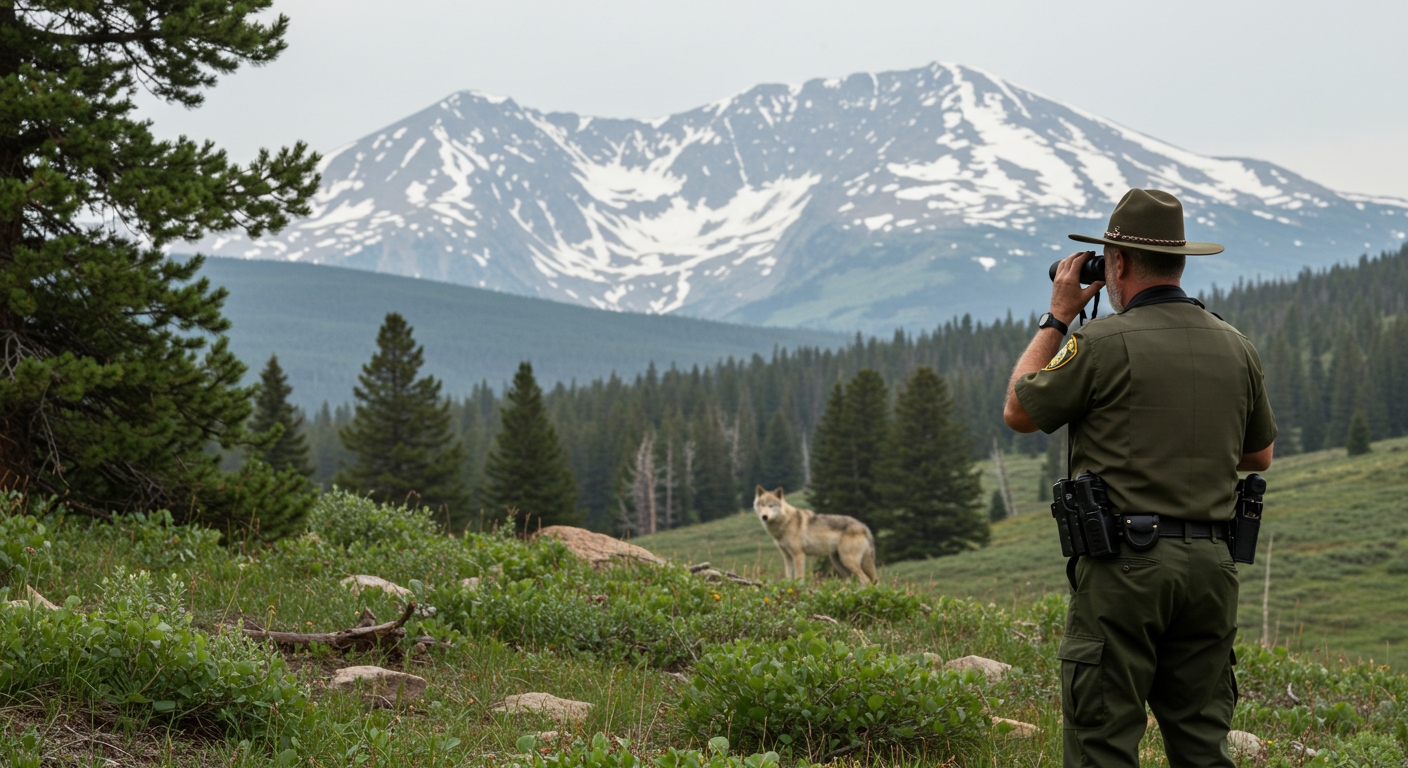
The sound of a wolf howling carries across a mountain valley in a way few other sounds can. It feels ancient, wild, and powerful, echoing against cliffs and through dark timber stands. For generations, many hikers never expected to hear that sound again in much of the wilderness. Wolves had vanished from many mountain regions after decades of hunting, trapping, and habitat loss.
Now the story is changing. Wolves are returning to landscapes where they once roamed freely, reclaiming forests, valleys, and alpine foothills that had been silent for nearly a century. Their return has sparked debates, excitement, fear, and curiosity among people who spend time in the backcountry.
For hikers, the comeback of the wolf represents something deeper than simply seeing a new animal on the trail. It signals a shift in how ecosystems function and how humans relate to wilderness. Walking through wolf country brings a different awareness to the landscape, reminding hikers that these mountains are not only ours to explore but also home to predators that shape the natural balance of life.
Wolves Returning to the Mountain Landscape
Wolves once roamed across vast mountain ranges throughout North America and Europe. Packs moved through valleys, forests, and high ridgelines in search of elk, deer, and other prey. Their presence shaped ecosystems in ways that scientists are still studying today.
During the late nineteenth and early twentieth centuries, wolves were systematically removed from many regions. Ranching expansion and predator control programs pushed them toward extinction across large areas. By the mid-1900s, many mountain ranges that once supported healthy wolf populations had none left at all.
Over the last few decades, wildlife recovery programs and natural migration have begun reversing that trend. Wolves have slowly expanded back into former territories, moving across forests and mountain corridors that connect protected wilderness areas. In some regions they were reintroduced by conservation programs, while in others they returned on their own.
Hikers traveling through certain mountain ranges today may be walking through landscapes where wolves have only recently reappeared. Tracks in muddy trails, distant howls at dusk, and occasional sightings remind visitors that a powerful predator has resumed its role in the ecosystem.
How Wolves Reshape the Ecosystem
The return of wolves affects far more than just the animals they hunt. Their presence influences the behavior of entire herds of prey species, which in turn shapes vegetation and river systems. This chain reaction is often called a trophic cascade, and it reveals how interconnected mountain ecosystems really are.
Before wolves returned to some regions, deer and elk populations often grew large and stayed in certain valleys for long periods. Heavy browsing pressure damaged young trees and shrubs, particularly near rivers and meadows. Over time, this reduced habitat for birds, beavers, and other species that rely on dense vegetation.
When wolves reenter an ecosystem, prey animals begin moving differently. Elk and deer become more cautious, spending less time lingering in open valleys where they could be vulnerable. That shift allows vegetation to recover in places that had been overgrazed for decades.
As plants rebound, other species benefit. Birds find nesting areas again, beavers return to streams, and riverbanks regain stability as roots hold the soil in place. Hikers walking these trails may not immediately notice the chain reaction, but the presence of wolves quietly influences the health of the entire mountain environment.
A New Awareness on the Trail
Hiking through wolf country creates a different mental landscape than walking in areas where large predators are absent. The forest feels more alive, and every sound carries more meaning. A snapped twig, distant howl, or cluster of tracks in soft dirt can spark curiosity and excitement.
Despite their reputation, wolves rarely approach humans. They are naturally cautious animals that tend to avoid people whenever possible. Most hikers who travel in wolf habitat will never see one, even if a pack lives nearby.
Still, knowing wolves are present changes how many hikers experience the wilderness. The trail no longer feels like a purely human space. Instead, it becomes part of a shared territory where humans move briefly through an environment shaped by wild animals.
That awareness can deepen the hiking experience. The landscape begins to feel less like a scenic backdrop and more like a functioning ecosystem filled with hidden stories. Tracks in the snow or distant calls at night remind hikers that life continues around them long after they leave the trail.
Wolf Behavior and What Hikers Should Know
Encounters between hikers and wolves are extremely rare, but knowledge helps replace fear with respect. Wolves typically travel in packs that patrol large territories, often covering dozens of miles during their movements. Their activity patterns shift depending on prey availability, seasons, and pack dynamics.
Wolves rely heavily on their senses of smell and hearing. Long before a human sees a wolf, the animal has likely detected the hiker’s presence and quietly moved away. This natural caution explains why sightings are uncommon even in areas where wolves are thriving.
If a wolf does appear on or near a trail, the best response is calm awareness. Standing tall, maintaining eye contact, and slowly backing away usually encourages the animal to retreat. Wolves are curious creatures, but they are not interested in confronting humans.
Keeping food secured and avoiding leaving scraps in campsites also helps prevent attracting wildlife. Responsible hiking practices ensure wolves maintain their natural wariness toward humans, which benefits both people and animals in the long run.
Tracks, Signs, and Clues in Wolf Country
One of the most fascinating aspects of hiking in wolf territory involves spotting subtle signs of their presence. Even without seeing the animals themselves, observant hikers can sometimes detect clues left behind along trails and ridgelines.
Wolf tracks are larger than most domestic dog tracks and often appear in straight, purposeful lines across the landscape. Unlike dogs, wolves tend to travel with remarkable efficiency, placing their paws in direct patterns that conserve energy during long journeys.
Scat, fur caught on branches, and prey remains can also hint at recent wolf activity. These signs provide glimpses into the hidden lives of predators that move mostly unseen through the forest.
Recognizing these clues transforms an ordinary hike into something more immersive. Each footprint or faint trail crossing becomes a reminder that a complex web of wildlife exists beyond what hikers normally notice.
The Emotional Impact of Wolves in the Wild
The idea of wolves can stir powerful emotions in people. For some hikers, the thought of wolves nearby sparks excitement and admiration. For others, it brings uncertainty rooted in old stories and cultural fears.
Standing in a mountain valley at dusk while hearing wolves howl can create a deeply memorable experience. The sound carries a sense of wildness that many landscapes lost long ago. It reconnects people with an older version of nature, one that existed before modern development reshaped so much of the world.
That emotional reaction often leads hikers to think differently about conservation and wilderness protection. Wolves become symbols of ecological recovery and reminders that damaged ecosystems can heal when given time and protection.
The presence of wolves also challenges people to reconsider their role in the natural world. Humans are no longer the only dominant force in these landscapes. Sharing space with a powerful predator reinforces the idea that wilderness remains truly wild.
Balancing Conservation and Human Activity
The return of wolves has not been without controversy. Ranchers, rural communities, wildlife managers, and conservationists often hold strong and sometimes conflicting opinions about how wolf populations should be managed.
Livestock losses can occur in areas where wolves expand into ranching regions. Wildlife agencies often implement programs designed to compensate ranchers and reduce conflicts, but debates continue about how to balance predator recovery with agricultural livelihoods.
Hikers sometimes find themselves in the middle of this broader conversation. Trails often pass through lands used by ranchers, wildlife corridors, and protected wilderness areas. Observing the complexity of these landscapes highlights how conservation decisions affect multiple groups of people.
Responsible outdoor recreation plays a small but meaningful role in maintaining balance. Staying on designated trails, respecting wildlife, and supporting conservation efforts all contribute to protecting the ecosystems that wolves depend on.
What the Wolf’s Return Means for the Future of Hiking
The return of wolves signals a broader shift in how societies view wilderness and wildlife. For decades, many landscapes were managed primarily for human use, often at the expense of large predators. Changing attitudes toward conservation have begun restoring pieces of those lost ecosystems.
For hikers, this transformation adds depth to outdoor exploration. Trails become gateways into environments that function more like the wild landscapes of the past. Seeing tracks, hearing distant howls, or knowing a pack roams nearby adds a layer of authenticity to the mountain experience.
Future generations of hikers may grow up exploring mountains where wolves are once again a normal part of the ecosystem. Instead of reading about them only in history books, they will share trails with animals that shaped these environments long before modern humans arrived.
Walking through wolf country encourages humility. The mountains no longer feel like quiet parks designed solely for recreation. They feel like living systems filled with predators, prey, and intricate ecological relationships that continue whether humans are present or not.
The comeback of the wolf ultimately reminds hikers why wilderness matters. Healthy ecosystems require complexity, and large predators play a crucial role in maintaining that balance. Every howl echoing through a valley is a sign that the mountains are regaining a piece of their original rhythm.
For those who hike these trails, the presence of wolves offers a powerful reminder that true wilderness is not silent, predictable, or fully under human control. It is dynamic, sometimes unpredictable, and deeply alive.
