

Respecting Wildlife And Their Natural Space
Wild animals move through the mountains with a rhythm that belongs entirely to them. Photographing them requires patience, distance, and a deep respect for the space they inhabit. Stepping into their environment with a camera does not grant permission to interrupt their daily routines, so every movement must be thoughtful and restrained. The goal is always to observe quietly and capture authentic moments rather than forcing an encounter.
Distance plays a major role in keeping animals calm and behaving naturally. A photograph taken from afar often feels more genuine because the subject remains unaware of the camera. Animals that sense human presence may flee, hide, or change their behavior entirely, which not only ruins the photograph but also disrupts their natural patterns. Respecting their comfort zone allows their true behavior to unfold in front of the lens.
Mountain landscapes make this balance even more important. Wildlife in these areas often lives in fragile ecosystems where stress can affect feeding, mating, and migration patterns. Remaining aware of this reality keeps photography ethical and responsible. The best images come from patience and quiet observation rather than pushing closer for a dramatic shot.
Preparing Before Entering The Trail
Preparation makes a huge difference in wildlife photography, especially in mountain environments where conditions change quickly. Researching the animals that live in a specific area helps predict where they might appear and how they behave. Knowing their habits allows a photographer to position themselves in a place where animals might naturally pass through without feeling threatened.
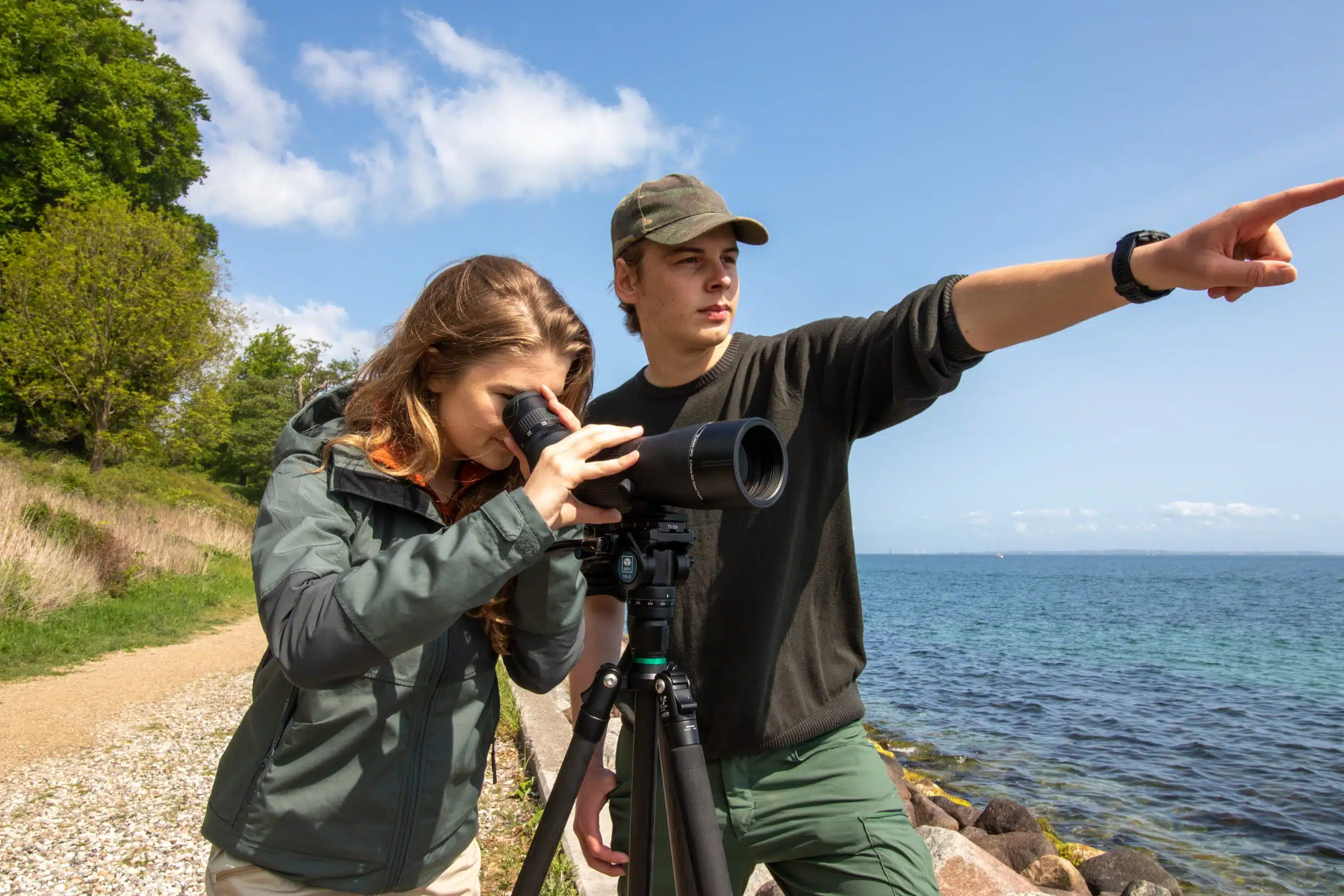
Gear preparation also matters long before stepping onto the trail. A telephoto lens allows photographs to be taken from a distance while still capturing detail and texture. Extra batteries, weather protection for the camera, and stable support like a lightweight tripod help maintain steady shots without needing to move closer to wildlife. Packing light also helps maintain quiet movement through rugged terrain.
Clothing choices play a surprisingly large role as well. Neutral colors blend with rocks, trees, and grass, reducing the chance of drawing attention. Loud fabrics and bright colors can alert animals long before a camera is even raised. Soft fabrics that do not rustle loudly in the wind also help maintain silence in quiet mountain environments.
Moving Quietly Through Wildlife Areas
Wild animals notice even the smallest disturbances in their surroundings. Careful movement through trails, grasslands, or rocky slopes makes a difference in whether animals remain relaxed or disappear immediately. Slow, deliberate steps reduce noise and allow time to scan the landscape for movement.
Pausing frequently while walking reveals more wildlife than rushing along a trail. Animals often freeze when they sense movement, relying on camouflage to remain hidden. Standing still for a moment gives the eyes time to notice subtle motion such as a twitching ear, a shifting branch, or the flick of a tail in tall grass.
Wind direction also matters more than most people realize. Many animals rely on scent rather than sight to detect potential threats. Staying downwind reduces the chances of being detected before even spotting the animal. Small adjustments like this often determine whether an encounter lasts several seconds or several minutes.
Using Distance And Telephoto Lenses Effectively
A telephoto lens becomes one of the most valuable tools for photographing wildlife responsibly. It allows detailed photographs without invading an animal’s personal space. This distance keeps animals relaxed and prevents sudden movements that might cause them to run.
Long lenses also help frame animals naturally within the environment. Mountain wildlife often appears more compelling when surrounded by cliffs, forests, or alpine meadows. Instead of filling the frame with only the animal, including parts of the landscape tells a more complete story about where that creature lives.
Stability becomes essential when using longer focal lengths. Small vibrations can blur images when zoomed in from far away. A tripod, monopod, or even a stable rock can help maintain clarity without needing to reposition closer to the animal.
Reading Animal Behavior Before Taking Photos
Animals constantly communicate through body language. Recognizing these signals helps avoid causing stress or disturbance during photography. Subtle movements such as raised ears, stiff posture, or sudden pauses often indicate that an animal has noticed something unusual nearby.
Remaining calm and still during these moments helps reduce tension. If an animal returns to feeding, grooming, or resting, it usually means it no longer feels threatened. That moment often creates the best opportunity for natural photographs because the animal resumes its normal behavior.
Some signs indicate that it is time to step back entirely. Repeated glances, pacing, or sudden vocalizations can signal discomfort. Respecting these signals protects the animal while also maintaining ethical photography practices. A missed photograph is always better than causing stress to wildlife.
Blending Into The Natural Environment
Blending into the environment increases the chances of observing wildlife without interruption. Mountain landscapes offer plenty of natural cover such as trees, rocks, and tall vegetation that can conceal movement. Positioning near these features allows observation without standing out in open areas.
Natural light also plays a role in concealment. Early morning and late afternoon provide softer lighting and longer shadows that help reduce visibility. Animals tend to be more active during these times as well, creating better opportunities for photography.
Remaining seated or low to the ground also reduces the appearance of a human silhouette. Many animals react strongly to upright shapes because they resemble predators. A lower posture appears less threatening and allows longer observation periods.
Practicing Patience On The Mountain Trail
Patience remains one of the most valuable skills in wildlife photography. Hours may pass without seeing a single animal, yet a brief moment can suddenly reveal something extraordinary. Quiet observation allows the mountain environment to reveal its hidden activity gradually.
Waiting near water sources, open meadows, or natural game trails often leads to wildlife encounters. Animals frequently return to the same locations for feeding and drinking. Finding these spots increases the chance of witnessing natural behavior without needing to search aggressively.
Stillness also sharpens awareness. Sounds such as distant hoof steps, rustling leaves, or bird alarm calls can hint at nearby wildlife. These small clues guide attention toward potential subjects long before they become visible.
Using Natural Light Without Disturbance
Artificial lighting can startle animals and disrupt their natural rhythm. Flash photography in the wild often causes sudden reactions, especially in low-light conditions. Relying on natural light creates a calmer environment for both the photographer and the wildlife.
Mountain landscapes offer beautiful lighting conditions throughout the day. Early sunlight glows softly over ridges and valleys, while evening light adds warmth and contrast to fur, feathers, and landscapes. These moments create photographs that feel authentic and connected to the environment.
Cloud cover also helps soften harsh shadows and create balanced exposures. Overcast skies often reveal subtle textures in animal fur or feathers that might otherwise disappear in bright sunlight. Paying attention to these lighting changes helps capture better images without altering the animal’s surroundings.
Protecting Wildlife Habitats While Photographing
Respect for wildlife extends beyond the animals themselves. Their habitats must remain undisturbed so that future visitors and animals can enjoy the same environment. Staying on established trails prevents damage to fragile alpine plants and nesting areas.
Mountain ecosystems recover slowly from disturbance. Trampled vegetation or displaced rocks can alter small habitats used by insects, birds, and small mammals. Remaining mindful of footsteps protects these delicate systems while photographing wildlife.
Carrying out all trash and avoiding loud noises also preserves the natural atmosphere. Wildlife relies on predictable environments to survive. Maintaining quiet, clean surroundings helps ensure animals continue using the area naturally.
Leaving With Memories And Responsible Photographs
Photographing wildlife in mountain landscapes offers a rare connection with nature. Capturing these moments without disturbing animals makes the experience far more meaningful. Each photograph becomes a reminder of a quiet encounter rather than a forced interaction.
Respectful photography builds a deeper appreciation for the balance between humans and wildlife. Animals remain calm, habitats remain intact, and the resulting photographs reflect genuine moments in nature. This approach turns photography into an act of observation rather than intrusion.
Mountain trails hold endless opportunities for patient photographers. Moving quietly, observing carefully, and respecting wildlife boundaries creates images that feel alive and honest. These photographs carry more value because they were captured without altering the natural behavior of the animals that call the mountains home.
