

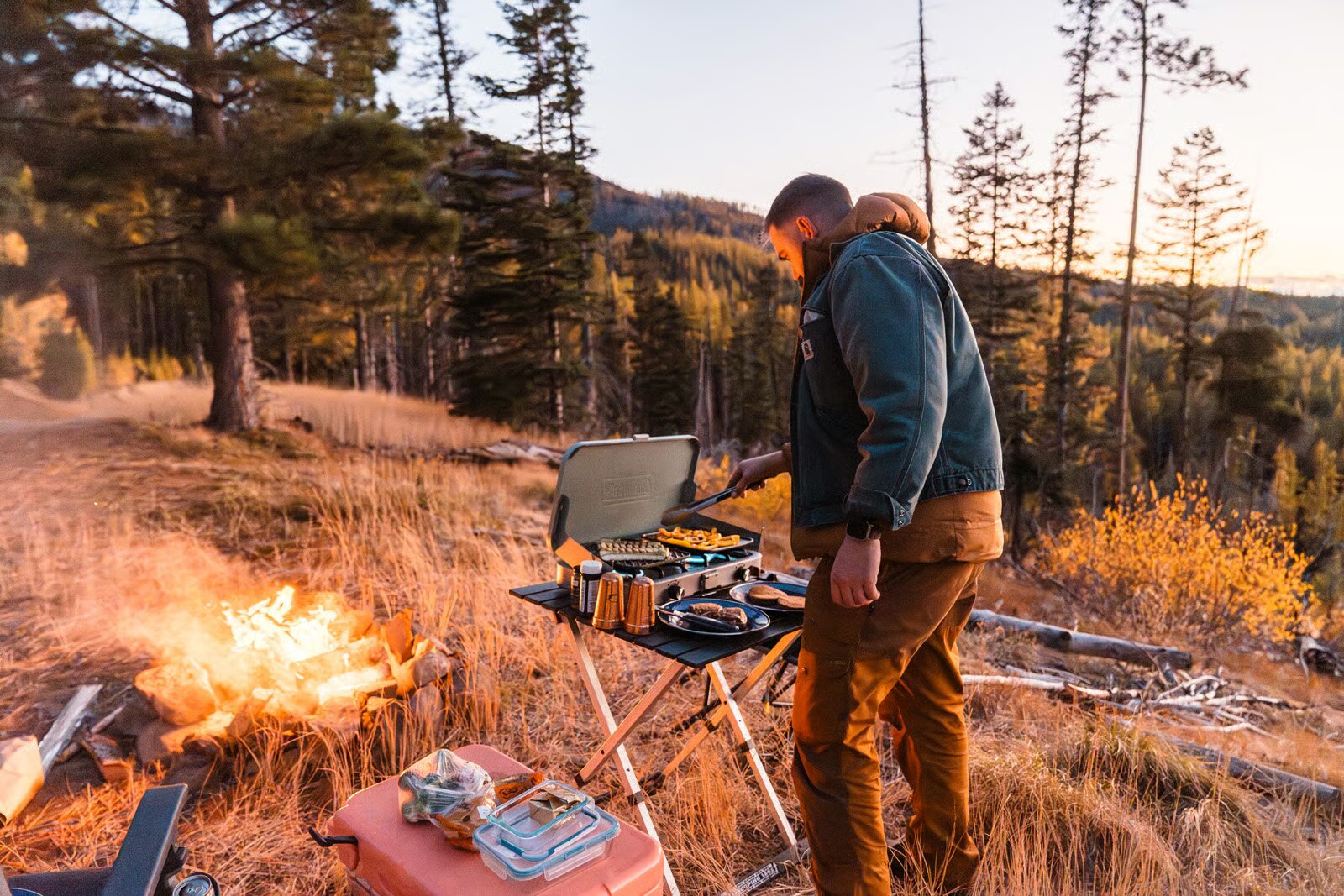
Why A Reliable Camp Stove Matters In The Mountains
Cold air, long miles, and steep climbs change how food feels on the trail. After hours of hiking with a heavy pack, a hot meal does more than fill the stomach. It restores energy, improves morale, and makes a remote campsite feel surprisingly comfortable.
Camp cooking in the mountains also demands efficiency. Weight matters, fuel matters, and reliability matters even more. A stove that refuses to light or burns too slowly can turn dinner into a frustrating ordeal, especially when the temperature drops and daylight fades.
Time on the trail revealed that not all camp stoves perform the same way. Some excel in windy ridgelines while others shine in sheltered forests. Testing several stoves side-by-side during real mountain trips exposed strengths and weaknesses that don’t appear in product descriptions.
How The Stoves Were Tested In Real Trail Conditions
Several trips across rocky trails, forested climbs, and exposed alpine camps created the perfect testing ground. Each stove faced early morning coffee routines, quick lunch stops, and full dinner preparations after long hiking days. Performance in calm weather, wind, and colder mountain nights revealed important differences.
Fuel efficiency became one of the most noticeable factors. Some stoves burned through fuel quickly, especially when wind picked up. Others managed to boil water surprisingly fast while using less fuel, which made a noticeable difference on longer multi-day hikes.
Ease of setup also mattered more than expected. After hiking uphill for hours, fiddling with complicated components becomes frustrating. The best stoves ignited quickly, stayed stable on uneven ground, and required very little effort to get dinner started.
Jetboil Flash: Fast And Efficient Boiling Power
Jetboil stoves have earned a reputation for speed, and the Flash model lives up to it. Water reached a rolling boil incredibly quickly during testing, often in just a couple of minutes. Early mornings on cold ridgelines became easier with coffee ready before fingers started going numb.
The integrated cooking system adds efficiency by focusing heat directly into the pot. Less heat escapes, which means faster cooking and lower fuel use. That efficiency becomes especially valuable during longer trips where carrying extra fuel adds unnecessary weight.
Wind performance impressed me as well. Even without a full windscreen, the stove maintained steady heat output. On breezy campsites near exposed mountain passes, it still boiled water faster than most compact stoves.
MSR PocketRocket 2: Lightweight And Surprisingly Powerful
The MSR PocketRocket 2 represents one of the most popular ultralight stoves among backpackers. Its size alone makes it appealing since it fits easily into small cook kits. Despite the tiny frame, it delivers impressive heat output.
Boiling water for dehydrated meals took only a few minutes under calm conditions. With a small windscreen in place, the stove maintained strong performance even in moderate wind. The balance between weight and power made it a favorite during longer backpacking routes.
Stability depends heavily on the pot used. Larger pots can feel slightly unstable on uneven surfaces. A careful campsite setup solves most of that issue, but it requires more attention compared to wider stove designs.
Soto WindMaster: Built For Windy Mountain Camps
Mountain weather changes quickly, and wind often becomes the biggest obstacle for trail cooking. The Soto WindMaster stood out immediately because it handled gusts better than most compact stoves tested.
The burner design creates a focused flame that resists wind interference. Even during breezy alpine camps, the stove continued heating water efficiently. Meals cooked faster compared to other lightweight stoves struggling against the same wind.
The pot support system also adds stability. Pots sit securely, which reduces the chance of spills on rocky or uneven terrain. That small detail makes a noticeable difference during long trips where cooking mistakes waste valuable food.
BioLite CampStove: A Unique Wood-Burning Option
Not every trail stove relies on gas canisters. The BioLite CampStove uses small sticks and natural fuel instead, which creates a completely different cooking experience. Gathering twigs around camp turns meal preparation into part of the outdoor routine.
The stove generates its own airflow through a built-in fan powered by heat. That airflow increases combustion efficiency and produces a surprisingly strong flame. Water boiled faster than expected once the fire stabilized.
Fuel availability remains the biggest advantage. Carrying less fuel weight becomes possible since small sticks can power the stove. However, wet conditions make gathering dry fuel more difficult, which can slow down cooking in rainy environments.
Primus Lite Plus: Compact Integrated Cooking System
Integrated stove systems continue to gain popularity among backpackers. The Primus Lite Plus stands out with its balance of compact size and efficient performance. The pot locks securely onto the burner, which prevents accidents during cooking.
Boiling times stayed consistent across multiple trips. The heat transfer design keeps flames directed into the pot instead of escaping into the air. That efficiency allowed several meals to cook using less fuel than traditional stove setups.
Packing the system also proved convenient. The stove, burner, and fuel canister fit neatly inside the pot, saving space inside a crowded backpack. Organization matters more than expected when preparing gear for longer expeditions.
Stability And Safety On Uneven Mountain Terrain
Cooking rarely happens on perfectly flat ground during mountain trips. Rocks, dirt, and sloped terrain create unpredictable cooking surfaces. A stable stove setup becomes essential to prevent accidents.
Wider pot supports significantly improved stability during testing. Integrated systems also helped by locking the pot directly onto the burner. Smaller stoves required careful placement and sometimes a small rock platform to keep everything level.
Wind protection improved safety as well. Gusts can push flames sideways and heat stove components unevenly. A small windscreen around compact stoves helped maintain controlled cooking conditions and improved fuel efficiency at the same time.
Fuel Efficiency During Multi-Day Trips
Fuel weight adds up quickly on longer mountain adventures. Efficient stoves reduce the amount of fuel required, which helps lighten the pack. Over several days, that difference becomes surprisingly noticeable.
Integrated systems like Jetboil and Primus often used the least fuel during testing. Their designs capture heat more effectively, allowing water to boil faster with less gas consumption. That efficiency proved valuable during multi-day hikes.
Traditional lightweight burners still performed well but required slightly more fuel. Adding a windscreen improved performance significantly. Small adjustments like that can stretch fuel supplies during longer journeys.
Cooking Beyond Boiling Water
Many backpackers rely heavily on dehydrated meals, but real trail cooking can go further. Frying small meals, simmering sauces, or preparing oatmeal requires better flame control. Some stoves excel in that area while others focus purely on boiling.
The PocketRocket 2 and WindMaster provided excellent flame control for simmering. Lower heat settings allowed pancakes, eggs, and pasta dishes without burning food. That versatility made camp meals feel more like real cooking instead of simple water boiling.
Integrated systems leaned heavily toward fast boiling. They handled soups, noodles, and coffee perfectly but struggled slightly with delicate simmering tasks. Knowing that difference helps match the stove to the type of meals planned for a trip.
Packability And Weight On Long Ascents
Mountain hiking demands careful gear choices. Every ounce matters once the trail turns steep. Lightweight stoves quickly stand out during long ascents where heavy gear becomes exhausting.
The PocketRocket 2 earned top marks in this category. Its tiny footprint and minimal weight made it easy to carry without sacrificing cooking power. For ultralight hikers, that balance feels ideal.
Integrated systems added a little more bulk but compensated with convenience and efficiency. Everything packed together neatly, which simplified gear organization. That convenience often outweighed the slight weight increase.
Final Thoughts From Trail Testing
Time spent cooking in mountain camps revealed that no single stove fits every adventure. Some prioritize speed, others focus on weight, and a few shine in harsh weather conditions. Trail cooking becomes easier when the stove matches the style of hiking and the meals planned for the journey.
Jetboil systems dominated quick boiling tasks and morning coffee routines. Lightweight burners like the PocketRocket balanced weight and power extremely well. Wind-focused designs such as the Soto WindMaster proved incredibly reliable in exposed campsites.
Hot meals after a long day in the mountains create a sense of comfort that few things can match. A reliable stove turns a simple campsite into a warm place to rest, refuel, and prepare for the miles waiting ahead on the trail.
