

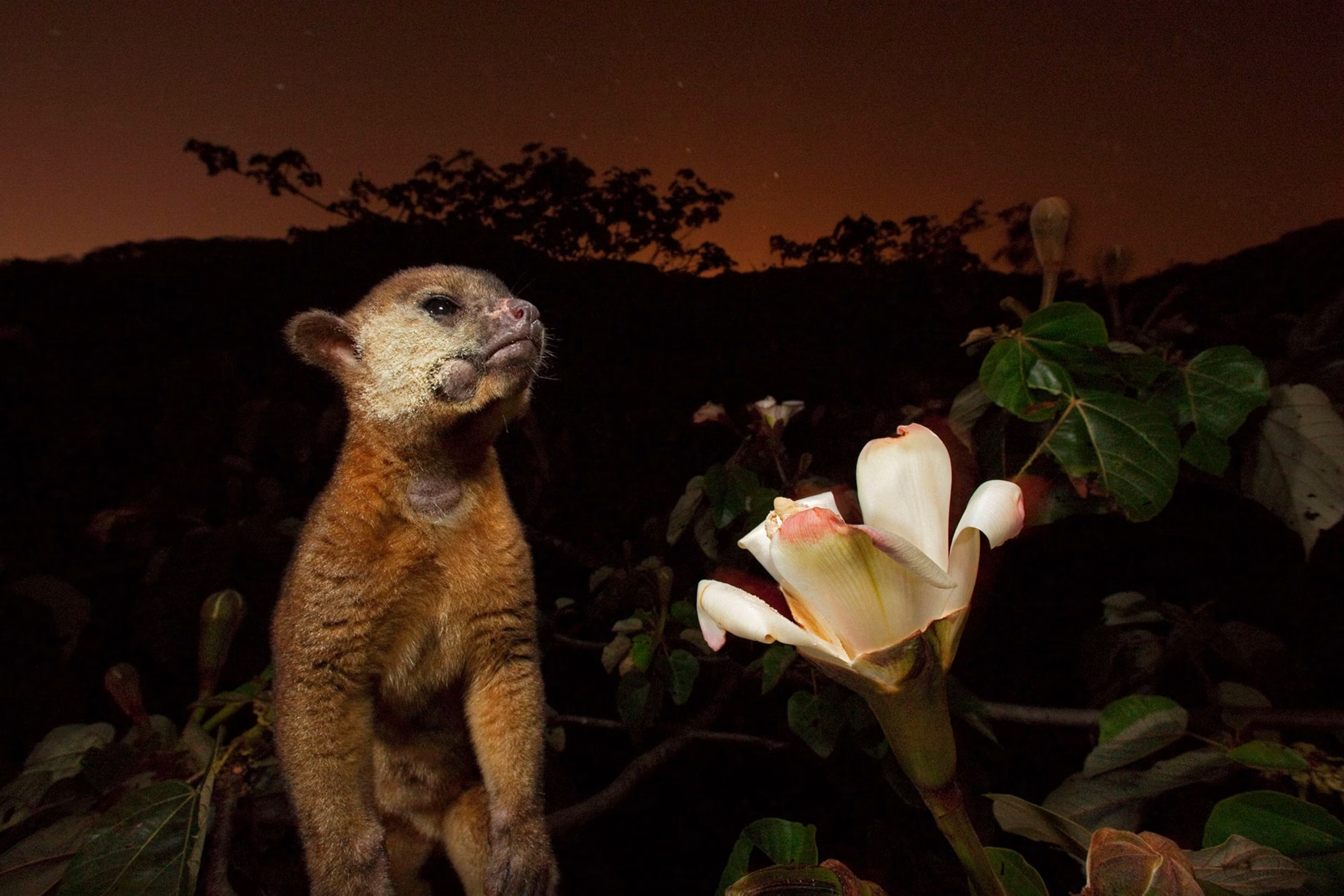
Darkness settles differently in the mountains. The same trail that felt familiar during the afternoon slowly changes character as the sun drops behind the ridgeline. Sounds carry farther, shadows stretch across the forest floor, and the woods begin to fill with movement that rarely shows itself during daylight hours. Walking or camping in the mountains after sunset reveals an entirely different world, one that belongs to creatures that thrive under the cover of night.
Many hikers imagine nighttime in the forest as silent and empty, but the opposite is true. The woods become active in subtle ways that are easy to overlook unless you pause and listen. Leaves rustle without wind, branches snap in the distance, and faint calls echo through the dark canopy. Spending enough nights outdoors gradually teaches the difference between harmless forest sounds and the signals of animals moving through the undergrowth.
Night hikes and late evenings at camp have introduced me to wildlife I would never see during the day. Some encounters were brief glimpses illuminated by a headlamp, while others revealed themselves through sound alone. The mountains never truly sleep, and once the sun disappears, the forest quietly fills with life.
The Forest Changes After Sunset
Sunset triggers a shift in behavior for many mountain animals. Daytime creatures retreat to safe resting spots while nocturnal species begin their nightly routines. This transition can happen quickly, especially in dense forests where light fades faster beneath the trees.
The first sign often arrives through sound. Birds that filled the forest with daytime chatter grow quiet as twilight approaches. In their place come softer noises like the chirping of insects or the distant hoot of an owl. Small mammals begin to move through the leaves, creating faint rustling that blends into the background unless you stop walking and pay attention.
Visibility becomes limited, which works in favor of nocturnal animals. Darkness helps them hunt, travel, and forage without attracting attention from predators or humans. Eyes adapted for low light allow them to navigate terrain that would challenge a person carrying even the brightest headlamp.
Moving through the forest at night feels like stepping into a hidden shift of activity. Animals that remain invisible during daylight quietly pass nearby, often aware of human presence long before they are noticed.
Owls and Silent Hunters of the Night
Owls dominate the nighttime skies in many mountain regions. Their calls travel far through the forest, echoing between slopes and valleys. Hearing an owl for the first time on a quiet night hike can be both eerie and fascinating, especially when the sound seems to move from tree to tree.
Watching one glide overhead reveals why they are such effective hunters. Their wings move almost silently, allowing them to approach prey without warning. Special feathers reduce air resistance and muffle the sound of flight, making their movements nearly impossible to detect.
Rodents and small mammals rarely hear an owl before it strikes. Sharp eyesight and exceptional hearing allow these birds to locate prey hidden beneath leaves or snow. Even the faint movement of a mouse under forest debris can attract an owl’s attention.
Late evenings in camp sometimes bring brief glimpses of these hunters. A shadow passes through the beam of a flashlight, or a pale shape glides between trees before disappearing into darkness again. Those short encounters remind me that the forest sky remains busy long after hikers crawl into their sleeping bags.
Small Mammals Beneath the Leaves
While owls patrol the sky, the forest floor hosts an entirely different set of nocturnal travelers. Mice, voles, raccoons, and other small mammals begin searching for food shortly after nightfall. Their activity often produces the subtle sounds hikers notice while walking after dark.
The faint rustling of leaves usually comes from animals moving along established paths beneath the vegetation. Many species memorize these routes and follow them nightly while searching for seeds, insects, or fallen berries. Their movements appear random at first, but patterns become noticeable after enough nights outdoors.
Occasionally a headlamp beam reflects tiny glowing eyes near the trail. The animal freezes for a moment before disappearing into brush or climbing a nearby tree. These encounters rarely last more than a few seconds, yet they reveal how close wildlife often travels to human camps without being seen.
Raccoons stand out among nocturnal mammals because of their curiosity. They frequently investigate campsites in search of food scraps or unattended gear. Anyone who has left snacks unsecured overnight learns quickly that raccoons are clever problem solvers.
Predators Moving Through the Darkness
Larger predators also become active after sunset. Coyotes, foxes, and occasionally mountain lions patrol their territories during the quiet hours of night. Their movements are deliberate and cautious, usually avoiding human presence whenever possible.
Coyote calls are among the most recognizable nighttime sounds in mountain regions. A single howl often triggers responses from others across the valley, creating a chorus that echoes through the hills. Hearing this from a campsite can feel intense at first, but it typically signals communication between members of a pack rather than aggressive behavior.
Foxes move more quietly and tend to stay hidden. Tracks discovered on the trail the next morning sometimes reveal that one passed nearby during the night. Their hunting relies on patience and careful listening, similar to the owls that share the forest with them.
Mountain lions remain the most elusive nighttime predator in many areas. Sightings are extremely rare, yet their presence shapes the behavior of other animals. Even experienced hikers may spend decades exploring the mountains without seeing one, though the possibility adds a certain tension to nighttime travel.
Insects and the Background Music of the Woods
Insects provide the constant soundtrack of the forest after dark. Crickets, cicadas, and countless smaller species create layered rhythms that fill the air once daylight fades. The sound can become so steady that it fades into the background, though its absence becomes noticeable immediately.
Temperature and humidity influence how active these insects become. Warm summer nights often produce the loudest choruses, while cooler mountain evenings reduce their activity. Certain species appear only during specific months, creating seasonal shifts in the forest’s nighttime soundscape.
Sitting quietly beside a tent often reveals subtle changes in this chorus. A sudden pause might signal a predator moving through the grass or an owl passing overhead. Insects respond quickly to disturbances, briefly silencing themselves before resuming their calls.
Despite their small size, these creatures play an important role in the nighttime ecosystem. They provide food for birds, bats, and small mammals while also helping recycle organic material on the forest floor.
Bats Overhead
Bats represent another major group of nocturnal wildlife that hikers rarely notice unless they look carefully. These animals emerge from caves, hollow trees, or rocky crevices shortly after sunset to hunt flying insects.
Watching bats in the fading light reveals quick, darting movements as they chase mosquitoes and moths. Their flight patterns appear chaotic, but each turn follows the precise tracking of prey detected through echolocation. High-frequency calls bounce off nearby objects, allowing bats to map their surroundings in complete darkness.
Mountain lakes and streams often attract large numbers of bats because insects gather near water. Evening reflections on the surface occasionally reveal their silhouettes swooping just inches above the waterline. Observing this activity adds another layer to the nighttime experience of the mountains.
These animals provide an important ecological service by reducing insect populations. A single bat can consume hundreds of insects in one night, helping maintain balance within the forest environment.
Sounds That Spark Curiosity and Imagination
Nighttime in the woods has a way of amplifying unfamiliar sounds. A small noise can feel much larger in the darkness, especially when visibility is limited. The mind fills gaps in information, sometimes turning ordinary animal movements into something mysterious.
Footsteps on dry leaves often belong to deer traveling along well-used paths. Branches snapping deeper in the forest may signal elk or moose moving through thicker vegetation. Even squirrels occasionally become active at night, adding unexpected noises to the mix.
After spending enough nights outdoors, patterns begin to emerge. Certain sounds repeat regularly and become recognizable over time. The forest gradually feels less mysterious once those patterns are familiar, though it never loses its sense of quiet activity.
Listening carefully turns nighttime hiking into a different kind of exploration. Instead of relying primarily on sight, attention shifts toward sound and subtle movement. The woods reveal themselves through clues that daytime hikers might overlook.
Nights in the Mountains Reveal a Hidden World
The mountains feel completely different after dark. Trails that appear ordinary during daylight become corridors through a living nighttime landscape. Creatures that remain hidden while the sun shines move freely through forests and valleys once darkness arrives.
Spending time outdoors at night gradually builds respect for this hidden ecosystem. Animals follow routines shaped by instinct and survival, rarely interacting with humans unless food or curiosity draws them closer. Most prefer to remain unseen, slipping quietly through the forest long before a hiker realizes they were nearby.
Campfires fading to embers and the steady rhythm of insects create the perfect setting to observe these subtle changes. Watching the forest settle into its nighttime rhythm reveals how active the woods truly are. The longer someone stays awake in the mountains, the clearer it becomes that the night shift of wildlife never slows down.
Quiet patience rewards anyone willing to listen and observe. The forest after sunset offers a deeper connection to nature, one shaped by sound, shadow, and the constant movement of nocturnal creatures navigating their world under the stars.
