

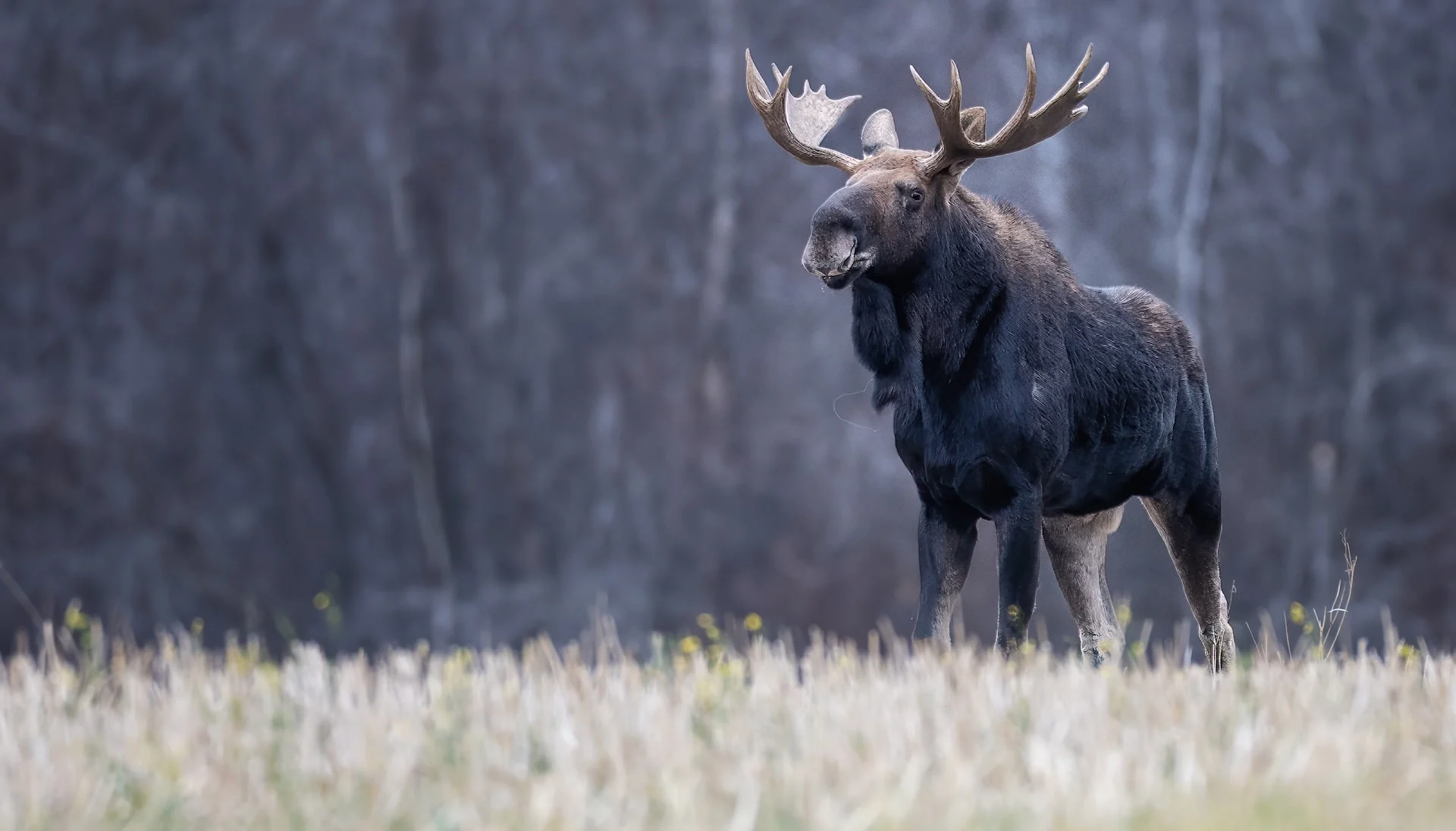
Miles of northern wilderness stretch beyond the tree line, where spruce forests meet cold lakes and narrow mountain paths wind through valleys that feel untouched by time. Hiking through these regions often brings the thrill of spotting wildlife, and few animals are as iconic as the moose. Their towering legs, massive antlers, and slow deliberate movement make them appear almost prehistoric. Many hikers see them as peaceful giants grazing quietly near wetlands or crossing forest trails without concern.
That impression can be dangerously misleading.
A moose is one of the largest land mammals in North America, and encounters with them on mountain trails can shift from awe to danger in seconds. Unlike predators that actively hunt people, moose attacks often come from defensive reactions or territorial behavior. The wilderness does not offer warning signs posted on trees or clear instructions on how to respond. Experience and awareness become the only real preparation.
Years of hiking northern terrain have brought moments of incredible beauty and a few encounters that quickly turned tense. Moose are rarely aggressive without reason, but the reasons can be difficult to recognize unless a hiker knows what signals to watch for. A peaceful trail can become unpredictable once a thousand-pound animal decides that a human has crossed the wrong boundary.
Why Moose Are More Dangerous Than Many Hikers Expect
Many people stepping onto northern trails think of bears as the primary threat in the wilderness. Signs warning about bear safety appear at trailheads, campsites, and national park entrances. Moose often receive far less attention despite being responsible for a surprising number of injuries each year.
Their size alone explains part of the danger. An adult bull moose can stand over six feet tall at the shoulder and weigh well above a thousand pounds. Even a cow moose without antlers carries immense power in its legs and shoulders. That size allows them to move through dense forest and deep snow with ease, but it also means that a sudden charge carries incredible force.
Speed adds another layer of risk. Moose may look slow while feeding in a meadow, yet they can sprint faster than most people can run. On a narrow mountain trail filled with rocks, roots, and uneven ground, outrunning one becomes nearly impossible. A startled moose can close distance in seconds.
Temperament also plays a role. Moose do not tolerate perceived threats in the same way that deer often do. Instead of instantly fleeing, they sometimes stand their ground and evaluate the situation. That pause can give hikers a false sense of calm before the animal decides whether to retreat or attack.
Signs That a Moose Feels Threatened
Moose rarely charge without displaying warning behaviors first. The challenge lies in recognizing those signals quickly enough to respond safely. Subtle body language can reveal whether the animal feels comfortable or agitated.
Ears often tell the story first. Relaxed ears point forward or swivel slowly while the moose listens to sounds around it. Agitated ears flatten backward against the head, creating a tense appearance. That shift may happen moments before the animal becomes defensive.
Another clear signal involves the hair on the shoulders and neck. Raised hackles make the moose appear even larger and indicate rising stress. Combined with a lowered head and focused stare, the posture suggests that the animal is deciding whether to charge.
Some moose also perform what hikers call a bluff display. The animal may lick its lips repeatedly, stomp the ground, or sway its head from side to side. Each movement communicates discomfort and warns intruders to leave the area immediately. Ignoring those signals can lead to a sudden rush forward.
Terrain That Increases the Risk of Encounters
Certain landscapes almost guarantee a higher chance of meeting moose along a mountain trail. Wetlands, ponds, and marshy valleys attract them because aquatic plants form a large part of their diet. Trails that skirt the edges of these environments often cross directly through feeding areas.
Dense forest corridors can also surprise hikers with unexpected encounters. Thick stands of spruce or fir limit visibility, creating blind corners along narrow paths. A person rounding a bend may suddenly find a moose only a few yards away with little time to react.
Autumn trails present another level of unpredictability. During the rutting season, bull moose become far more aggressive while competing for mates. Their focus shifts toward defending territory and responding to challenges from other bulls. Unfortunately, a hiker appearing suddenly in that territory can trigger the same defensive response.
Winter trails carry their own challenges. Deep snow forces moose to conserve energy, and any perceived disturbance may frustrate an already stressed animal. Encounters in these conditions can escalate quickly because the moose feels trapped by terrain or fatigue.
A Moment on the Trail That Changed My Perspective
One particular hike through a northern valley reshaped how I view moose encounters. The trail wound through a quiet corridor of birch and spruce, following a narrow river that glimmered through patches of morning fog. Birds called overhead, and the forest carried that deep stillness that only remote wilderness seems to hold.
A dark shape appeared ahead where the trail curved toward the water. At first it looked like a large stump until the shape lifted its head. A cow moose stood only twenty yards away, partially hidden among young willows.
She noticed the movement immediately. Her ears turned toward me, and the calm atmosphere shifted into something far more tense. For several seconds neither of us moved, and the silence felt heavy enough to press against the trees.
Then her ears flattened backward.
The subtle shift triggered a surge of caution. I slowly stepped backward along the trail, careful not to make sudden movements. The moose watched closely, lowering her head while taking a step forward. That movement confirmed what instinct already warned: the situation had crossed into dangerous territory.
Distance eventually eased the tension. The moose remained near the river while I retreated far enough down the trail to circle around through thicker forest. The encounter lasted only minutes, yet it carried enough intensity to stay vivid long afterward.
Calves Create the Most Defensive Situations
Few situations provoke stronger reactions from a moose than the presence of calves. Cow moose protect their young with unwavering determination, especially during the spring and early summer months. Trails passing through nursery areas can quickly place hikers between a mother and her calf without either realizing it.
A calf may appear suddenly beside the trail, small and curious while exploring the forest. The instinctive reaction might involve stepping closer for a better look or a photograph. That choice can create immediate danger because the mother is almost always nearby.
Protective behavior can escalate rapidly. A cow may charge without extended warning if she believes her calf faces a threat. Unlike bluff displays sometimes seen in other situations, maternal defense often involves direct action.
Space becomes the safest response in those moments. Increasing distance quickly while avoiding sudden movements can help reduce the perceived threat. Calm retreat allows the moose to reunite with her calf and settle back into a normal pattern.
Mistakes That Turn Encounters Dangerous
Certain human behaviors increase the risk of provoking a moose. One of the most common involves attempting to approach the animal for photographs. The impressive size and striking appearance make moose a tempting subject, but closing the distance can be interpreted as aggression.
Feeding wildlife creates another serious problem. A moose that becomes accustomed to human food may lose its natural caution around people. That familiarity can lead to unpredictable encounters along trails or near campsites.
Running immediately after spotting a moose can also trigger pursuit. Sudden movement may activate the animal’s instinct to chase perceived threats away from its territory. Calm and deliberate retreat usually proves safer than panic.
Dogs introduce additional complications on northern trails. Moose often perceive dogs as predators similar to wolves. A barking dog rushing toward a moose may provoke an aggressive response that puts both the animal and the owner at risk.
Safe Reactions During a Close Encounter
Maintaining calm control of movement becomes essential during a moose encounter. Slow steps backward create distance while avoiding sudden gestures that could appear threatening. Keeping eyes on the animal without staring aggressively allows awareness of its behavior.
Objects such as trees, boulders, or large logs can serve as barriers if the moose advances. Positioning solid obstacles between the animal and the hiker provides valuable protection. Moose struggle to maneuver quickly around tight obstacles despite their powerful size.
Speaking in a calm voice sometimes helps alert the animal to human presence without creating panic. Sudden silence followed by unexpected movement may startle wildlife more than a steady human sound.
If a charge occurs, reaching cover becomes the priority. Dense trees, steep terrain, or large rocks can interrupt the moose’s path. Climbing may also help in some cases, as moose cannot easily pursue a person up certain obstacles.
Seasonal Patterns That Influence Moose Behavior
Northern trails shift dramatically with the seasons, and moose behavior follows those changes closely. Spring introduces a burst of new plant growth that draws moose toward valleys and wetlands. Calving season also arrives during this time, making cows especially protective.
Summer spreads moose across cooler forest regions where shade and water remain abundant. Encounters may become more frequent along lakeshores and river valleys where aquatic vegetation thrives. Early morning and evening hours often bring the most activity.
Autumn transforms the wilderness with colder air and vibrant foliage. The rutting season begins, bringing heightened aggression among bull moose competing for dominance. Their focus on rivals can reduce awareness of hikers until a sudden encounter occurs.
Winter forces moose into energy conservation. Deep snow limits movement, and animals may stay near packed trails or forest corridors where travel becomes easier. Those same paths often attract hikers and snowshoers, increasing the likelihood of unexpected meetings.
Respecting Wildlife While Exploring Northern Trails
Mountain trails exist within ecosystems shaped long before human footsteps reached them. Moose occupy those landscapes as powerful herbivores that influence vegetation and forest growth. Their presence represents both the beauty and unpredictability of wild environments.
Responsible hiking means recognizing that wildlife deserves space and respect. Preparation, awareness, and patience help reduce the chances of dangerous encounters. The goal is never to dominate the wilderness but to move through it carefully.
Northern landscapes hold remarkable experiences for those willing to explore them. Lakes mirror mountain peaks, forests echo with bird calls, and distant ridges fade into blue horizons. Moose remain part of that living wilderness, magnificent yet unpredictable.
Every step along those trails carries the quiet reminder that humans are visitors in a world still governed by nature. Respect for that reality turns a potentially dangerous encounter into a moment of humility and caution. The towering figure of a moose standing quietly in the forest becomes not just a sight to admire but a reminder that the wilderness always deserves respect.
