

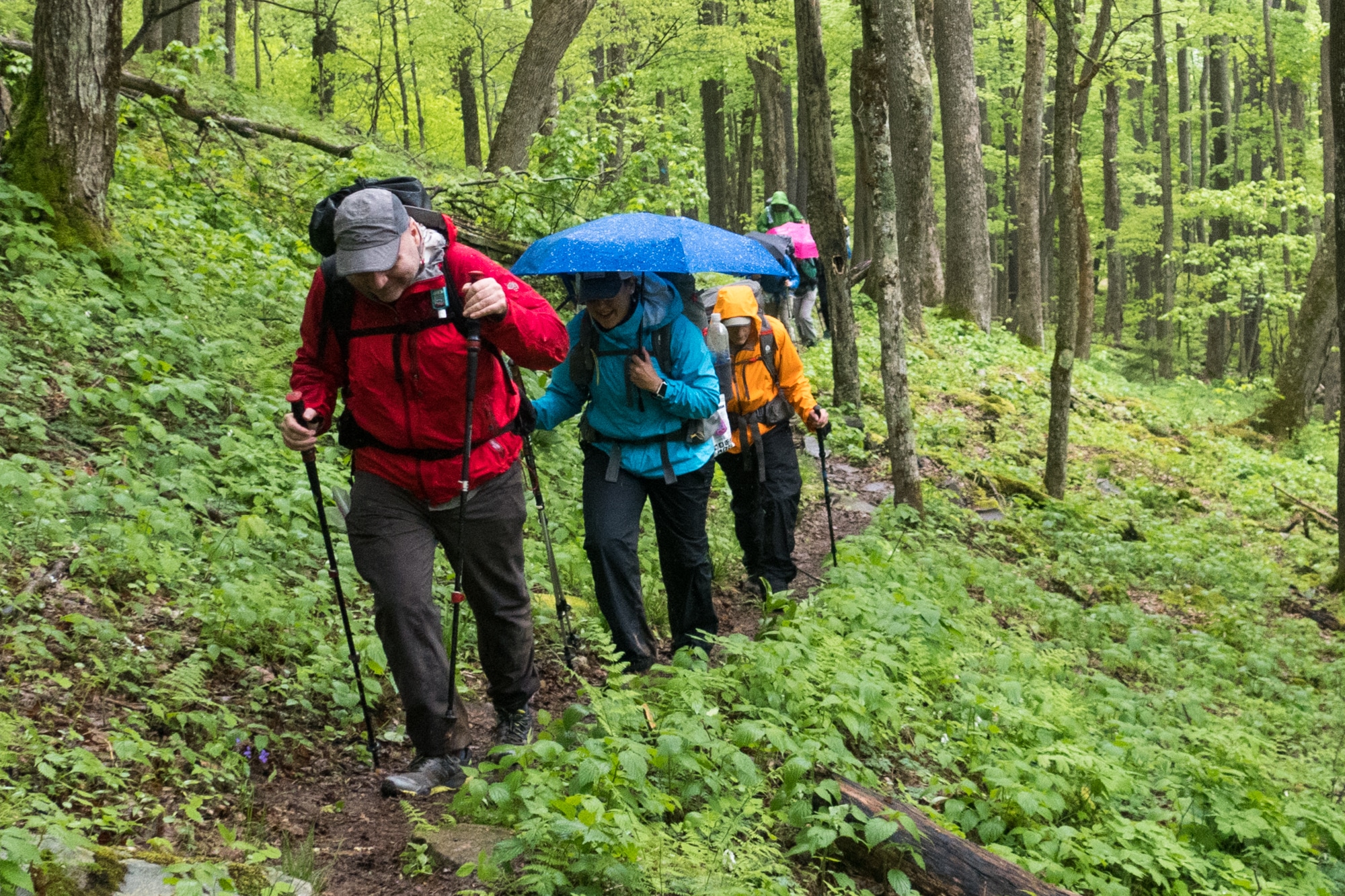
The Appeal of Traveling Deep Into the Backcountry
Multi-day wilderness travel offers a kind of freedom that day hikes rarely provide. Stepping deeper into the mountains means leaving behind crowds, noise, and the rhythm of everyday life. The trail becomes a temporary home, and the landscape slowly shifts from something observed to something lived within.
Spending several days outdoors changes the way time feels. Mornings revolve around the first light over the ridgeline, afternoons stretch out with miles of trail ahead, and evenings settle in beside a quiet campsite. The mountains begin to feel less like a destination and more like a place that shapes the pace of each day.
Planning such a trip from scratch may seem intimidating at first, but the process becomes part of the adventure itself. Mapping routes, preparing equipment, and imagining the terrain ahead builds excitement long before boots touch the trail. Careful preparation transforms uncertainty into confidence and turns a challenging idea into a rewarding journey.
Setting Clear Goals For The Trip
A successful wilderness trip begins with a clear sense of purpose. Some trips focus on covering long distances, while others center on photography, solitude, or exploring a remote valley. Defining what matters most helps guide decisions about routes, gear, and daily mileage.
The length of the trip often becomes the first major decision. A two or three-day outing allows room to test skills without overwhelming logistics, while longer journeys demand more detailed preparation. Weather patterns, seasonal daylight, and available vacation time also influence the final plan.
Physical ability and experience level deserve honest evaluation. The mountains reward ambition but punish unrealistic expectations. Setting goals that match fitness and navigation skills makes the experience enjoyable rather than exhausting. A well-paced itinerary leaves room to appreciate the landscape rather than simply pushing through it.
Researching Terrain, Trails, And Conditions
Good preparation always begins with research. Topographic maps reveal the personality of the landscape long before stepping onto the trail. Contour lines hint at steep climbs, ridges, valleys, and hidden basins where campsites might be found.
Guidebooks and park resources add valuable insight about trail conditions, water sources, and seasonal hazards. Ranger stations often provide the most current information about closures, wildlife activity, or damaged sections of trail. Spending time with these resources prevents surprises later.
Online trip reports can also offer useful details. Hikers who recently visited the area often describe snow levels, river crossings, or campsite availability. Reading several reports creates a clearer picture of what the terrain might look like during the planned dates.
Mapping A Realistic Route
Route planning turns general ideas into a practical itinerary. A good route balances ambition with safety, allowing steady progress without pushing beyond comfortable limits. Elevation gain often matters more than total mileage, especially in mountainous terrain.
Breaking the journey into daily segments helps visualize the trip. Campsites near water sources become natural stopping points. A typical day might involve hiking six to ten miles depending on terrain, pack weight, and elevation changes.
Alternate routes also deserve attention. Weather, fatigue, or trail conditions can force adjustments. Having a backup plan ensures the trip remains flexible rather than stressful if circumstances change unexpectedly.
Preparing Essential Gear For Multi-Day Travel
Equipment choices shape comfort and safety in the wilderness. A reliable shelter, sleeping system, and backpack form the foundation of any multi-day trip. Each item should balance durability with weight, since everything must be carried for miles.
Clothing deserves careful planning as well. Mountain weather can shift quickly, turning warm afternoons into cold evenings. Layering systems work best, allowing adjustments as temperatures rise or fall throughout the day.
Navigation tools remain essential even on well-marked trails. A physical map and compass should always accompany digital navigation devices. Batteries can fail, but traditional tools remain dependable regardless of weather or signal strength.
Food Planning And Trail Nutrition
Food becomes more than simple fuel during a wilderness trip. Well-planned meals maintain energy, support recovery after long climbs, and lift morale at the end of a demanding day. Calorie needs increase significantly while carrying a pack across rugged terrain.
Lightweight, high-energy foods work best for extended travel. Dehydrated meals, nuts, dried fruit, and energy bars provide nourishment without adding unnecessary weight. Balanced meals containing carbohydrates, fats, and protein sustain energy throughout long hiking days.
Cooking systems should remain simple and reliable. A compact stove paired with a lightweight pot often provides enough versatility for boiling water and preparing basic meals. Simplicity reduces both pack weight and potential equipment issues.
Water Sources And Filtration Strategies
Water planning requires careful attention, especially in remote environments. Streams, lakes, and springs appear clearly on many maps, but seasonal conditions can affect their reliability. Some sources may run dry during late summer or freeze during colder months.
Carrying enough water between sources becomes an important part of daily planning. Longer dry stretches may require starting the day with additional water weight. A quick look at elevation profiles and map distances helps estimate where reliable sources exist.
Water filtration or purification remains essential for safety. Filters, purification tablets, or ultraviolet treatment systems all work effectively when used properly. Clean water keeps energy levels high and prevents illness far from medical help.
Safety Planning And Emergency Preparedness
A wilderness trip always involves some degree of risk, but preparation reduces potential dangers. Informing a trusted person about the route, planned campsites, and expected return date creates an important safety net. If something goes wrong, search teams have a starting point.
Weather awareness plays a crucial role as well. Mountain storms can arrive quickly, bringing sudden drops in temperature or heavy rain. Checking forecasts before departure helps anticipate conditions and pack appropriate gear.
Emergency equipment should always occupy a small space in the backpack. A first aid kit, headlamp, repair tools, and emergency shelter provide security if plans change unexpectedly. These items may remain unused during most trips, but their presence offers peace of mind.
Campsite Selection And Leave No Trace Principles
Selecting a good campsite improves both comfort and environmental responsibility. Flat ground, protection from wind, and proximity to water create ideal camping conditions. Setting camp before darkness allows time to prepare meals and enjoy the surroundings.
Environmental stewardship remains essential in wilderness areas. Durable surfaces such as established campsites or rocky ground prevent damage to fragile vegetation. Keeping camps small and minimizing impact helps preserve the landscape for future travelers.
Waste management also plays a critical role. Packing out trash and following proper sanitation practices protects wildlife and water sources. Responsible behavior ensures that remote places remain wild and healthy.
Managing Daily Rhythm On The Trail
Life on a multi-day trip quickly develops its own rhythm. Early mornings often bring calm air and cool temperatures, making them perfect for covering the first miles of the day. Packing camp efficiently becomes easier with practice as routines settle in.
Afternoons typically slow the pace as fatigue builds and elevation climbs increase. Short breaks beside streams or scenic overlooks help restore energy. These moments also provide time to appreciate the quiet beauty of remote landscapes.
Evenings offer a chance to rest and reflect. Cooking dinner, organizing gear, and watching sunset colors spread across distant peaks create memories that stay long after the trip ends. Darkness eventually settles in, bringing deep silence rarely experienced outside the wilderness.
Building Confidence Through Experience
The first multi-day trip rarely feels perfect, and that is completely normal. Small mistakes often become valuable lessons for future journeys. Perhaps the pack carried unnecessary weight or a campsite could have been better positioned.
Each outing builds stronger instincts about pacing, gear selection, and route planning. Experience gradually transforms uncertainty into familiarity. What once felt intimidating begins to feel like a natural part of traveling through wild terrain.
Confidence grows not from flawless preparation but from adapting along the way. The mountains reward patience, curiosity, and respect for the landscape. Over time, planning a wilderness trip becomes less about logistics and more about anticipation.
The Lasting Reward Of Careful Preparation
Planning a multi-day wilderness journey from scratch demands time, patience, and attention to detail. Maps must be studied, gear organized, food packed, and routes carefully considered. The process may feel complex at first, but each step contributes to a safer and more enjoyable adventure.
Stepping onto the trail with a well-prepared plan brings a sense of quiet confidence. The landscape ahead feels less mysterious and more inviting. Preparation allows the mind to relax and focus on the experience rather than worrying about forgotten details.
Days spent deep in the mountains leave lasting impressions. Long ridgelines, cold streams, star-filled skies, and the steady rhythm of walking become part of a story carried long after returning home. Careful planning simply opens the door to those experiences, turning an idea into a journey that feels both challenging and deeply rewarding.
