

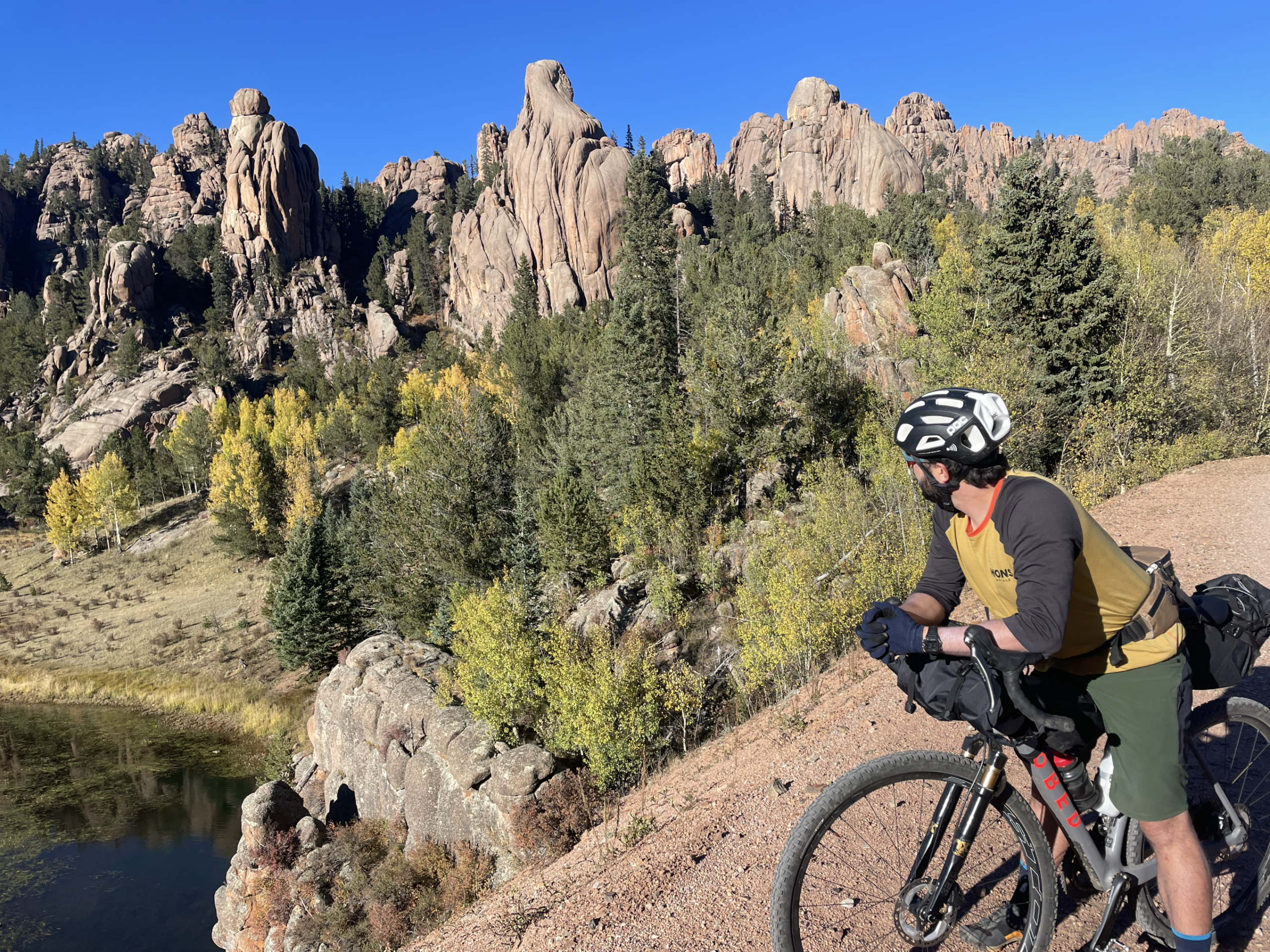
The map stretched across my kitchen table the night before departure, dotted with pencil marks and rough notes about passes, rivers, and camp spots. My bike leaned against the wall nearby, already loaded with frame bags and a handlebar roll that held a small tent and sleeping bag. The plan was simple in theory: ride across a section of the Rocky Mountains with everything I needed strapped to my bike. In practice, the idea felt enormous.
Bikepacking had fascinated me for years. The thought of traveling through mountain landscapes under my own power, carrying just the essentials, felt both freeing and intimidating. Stories from other riders made it sound like a blend of endurance, exploration, and problem solving. Eventually curiosity pushed me past hesitation, and a route through the Rockies became my first real attempt at a multi-day bikepacking journey.
The Rockies seemed like the perfect proving ground. Endless ridgelines, quiet forest roads, alpine lakes, and wildlife-filled valleys promised an experience far removed from everyday routines. At the same time, the terrain demanded respect. Long climbs, unpredictable weather, and remote stretches meant preparation mattered as much as enthusiasm.
Preparing The Bike And Gear
Preparation began with the bike itself. A reliable hardtail mountain bike served as the foundation, equipped with wide tires that could handle gravel roads, rocky trails, and occasional patches of mud. Every bolt and cable received attention in the days leading up to departure. Mechanical problems in the mountains can turn a great ride into a stressful ordeal, so prevention felt like the smartest strategy.
Bikepacking bags replaced traditional panniers. A frame bag filled the triangle of the bike and carried tools, spare tubes, and heavier items like food. A seat pack held clothing layers and a compact stove. The handlebar roll carried my tent and sleeping pad, tightly strapped so it wouldn’t sway during rough descents. Weight distribution quickly revealed itself as one of the most important lessons of the entire trip.
Gear choices leaned toward simplicity. A lightweight tent, a down sleeping bag rated for chilly mountain nights, and a small cook set formed the backbone of my camping kit. Food included dehydrated meals, oatmeal packets, energy bars, and instant coffee. Everything needed to be compact, durable, and capable of surviving several days of unpredictable mountain conditions.
Clothing followed a layering system. Mornings in the Rockies often start cold, even during summer, while midday climbs can feel surprisingly warm. A rain jacket stayed within easy reach, since storms can appear with little warning at higher elevations. Gloves, warm socks, and a beanie earned their place in the bag after hearing countless stories about frosty mountain mornings.
The First Miles Into The Mountains
Departure morning arrived with a mix of excitement and nerves. The bike felt heavier than usual as I rolled out onto the first stretch of gravel road leading toward the mountains. Every pedal stroke carried the awareness that the next several days would unfold far from familiar places.
The early miles passed through rolling foothills dotted with ranch land and open meadows. Gradually the horizon transformed into jagged silhouettes as the Rockies grew closer. Pine forests replaced grassy fields, and the air carried a cool scent of sap and damp earth. The road tilted upward, beginning the first of many long climbs.
Climbing with a loaded bike required patience. Speed mattered far less than rhythm and steady effort. Each turn of the pedals became part of a quiet routine: breathe, shift gears, glance at the scenery, then repeat. The slow pace allowed details to stand out, like the sound of wind through the trees or the distant rush of a creek hidden somewhere below the trail.
Small signs of wilderness appeared more frequently the deeper I rode into the mountains. Deer tracks crossed the dirt road, and once a hawk glided overhead while scanning the valley floor. These moments reminded me how far this ride differed from cycling on city streets or crowded bike paths.
Climbing High Mountain Passes
Mountain passes formed the backbone of the journey. Each one promised stunning views but demanded effort that tested both legs and determination. The climbs often stretched for several miles, winding through dense forests before emerging above the tree line where the world opened into wide alpine landscapes.
One particular pass became the defining challenge of the trip. The road climbed steadily for hours, switching between loose gravel and hard-packed dirt. My legs burned during the steepest sections, and several times I stepped off the bike to walk short stretches that felt too demanding to ride. Pride faded quickly when practicality took over.
Higher elevation brought dramatic changes in scenery. The forest thinned into scattered trees and rocky slopes dotted with wildflowers. Snow lingered in shaded corners of the mountains even though the valley below basked in warm sunlight. Looking back down the valley revealed layers of ridges fading into blue haze.
Reaching the summit of a pass delivered a quiet sense of accomplishment. No crowds waited at the top, only the wind moving across the mountains and a sweeping view in every direction. Moments like that created a powerful reminder of why bikepacking appeals to so many people. Effort transforms the landscape into something earned rather than simply visited.
The descents that followed felt exhilarating and slightly terrifying at the same time. Gravel roads can shift unexpectedly beneath the tires, so speed required caution. Still, the thrill of flying downhill after hours of climbing made every difficult mile worthwhile.
Life At Camp In The Backcountry
Evenings brought a slower rhythm as the search for a campsite began. Forest clearings near streams often provided ideal spots to rest for the night. Setting up camp became a simple routine: pitch the tent, filter water from a nearby creek, and prepare a warm meal while daylight faded behind the mountains.
The quiet of the backcountry felt deeper than anything experienced near towns or highways. Wind moving through tall pines replaced the constant background noise of everyday life. Occasionally the distant howl of a coyote echoed across the valley, adding a sense of wildness to the night.
Dinner usually consisted of dehydrated meals rehydrated with boiling water. The flavors never rivaled a restaurant meal, yet hunger transformed them into something surprisingly satisfying. A mug of instant coffee or tea afterward added warmth during chilly evenings when temperatures dropped quickly.
Camp life also meant small chores that kept everything running smoothly. Cleaning cooking gear, hanging food away from wildlife, and organizing equipment inside the tent prevented morning confusion. These routines might seem mundane, but they created a sense of structure during days spent traveling through constantly changing terrain.
The stars in the Rockies revealed themselves with astonishing clarity. Away from city lights, the night sky stretched across the mountains like a vast canvas filled with countless points of light. Lying outside the tent for a while before sleep became a nightly ritual that never grew old.
Weather, Fatigue, And Unexpected Moments
Mountain weather carries a reputation for unpredictability, and the Rockies lived up to it. One afternoon dark clouds rolled over the ridgeline while I was halfway up a long climb. Within minutes rain began falling hard enough to soak the trail and turn dust into slick mud.
Pulling on rain gear helped, but the temperature dropped noticeably as the storm intensified. Pedaling through cold rain demanded focus and determination. Yet the storm also brought a strange beauty as mist drifted through the trees and the forest smelled fresh and alive.
Fatigue arrived gradually over the course of the trip. Consecutive days of climbing, descending, and navigating rough terrain took a toll on muscles that rarely face such sustained effort. Short breaks became essential. Sitting beside a stream for ten minutes could restore enough energy to tackle another stretch of trail.
Unexpected moments often became the most memorable parts of the journey. One morning a moose appeared in a marshy meadow beside the road, calmly grazing while I watched from a respectful distance. Another day a hidden alpine lake emerged around a bend in the trail, its surface reflecting the surrounding peaks like a mirror.
Mechanical concerns also appeared at times. A loose bolt on a rack mount required a roadside repair using the small multitool tucked inside my frame bag. Situations like that reinforced the value of carrying basic tools and knowing how to use them.
Lessons From The Road
Several days in the Rockies revealed lessons that guide every bikepacking trip afterward. Simplicity matters more than perfection. Fancy gear can help, but a thoughtful setup and practical mindset make a much bigger difference when facing long climbs and unpredictable conditions.
Pacing also shapes the entire experience. Racing through a route might cover more miles, but it risks missing the details that make bikepacking special. Taking time to appreciate the scenery, rest when needed, and absorb the surroundings transforms the journey into something far richer than a simple endurance challenge.
Food and hydration deserve constant attention. Mountain riding burns energy quickly, and waiting too long to eat can lead to fatigue that feels difficult to overcome. Small snacks throughout the day maintain steady energy levels and prevent the dreaded crash that arrives after pushing too hard.
Navigation skills also prove valuable. GPS devices and mapping apps simplify route finding, yet understanding the terrain and carrying a physical map adds confidence when technology fails. Remote mountain regions rarely offer cell service, so self-reliance becomes part of the adventure.
Perhaps the most important lesson revolves around mindset. Challenges will appear during any bikepacking trip, from steep climbs to sudden storms. Accepting those moments as part of the journey helps transform frustration into resilience.
Rolling Out Of The Rockies
The final day of the ride began with a quiet sunrise filtering through the trees. Packing camp felt slightly bittersweet after several days immersed in the rhythm of bikepacking life. Each bag returned to its place on the bike, and soon the trail led gradually out of the mountains.
Descending toward lower elevations brought warmer air and wider valleys. Forests slowly gave way to open landscapes similar to where the trip began. The mountains behind me still dominated the horizon, their peaks fading into the distance as the miles rolled by.
Reaching the end of the route carried a mixture of relief and satisfaction. The journey had included difficult climbs, unexpected storms, and moments of doubt, yet it also delivered unforgettable views and quiet nights beneath star-filled skies. The Rockies had tested both preparation and determination, revealing how rewarding bikepacking can be.
That first bikepacking trip across the Rockies changed the way I think about travel and adventure. Moving slowly through mountain landscapes on two wheels created a connection to the environment that felt deeper than simply driving through the same terrain. Every mile carried effort, discovery, and a growing appreciation for the wild places that still exist beyond busy roads.
The bike leaned against the wall again once the trip ended, dusty and covered in memories from the trail. Maps soon returned to the table, not as a reminder of the past ride but as inspiration for the next journey waiting somewhere beyond the horizon.
