

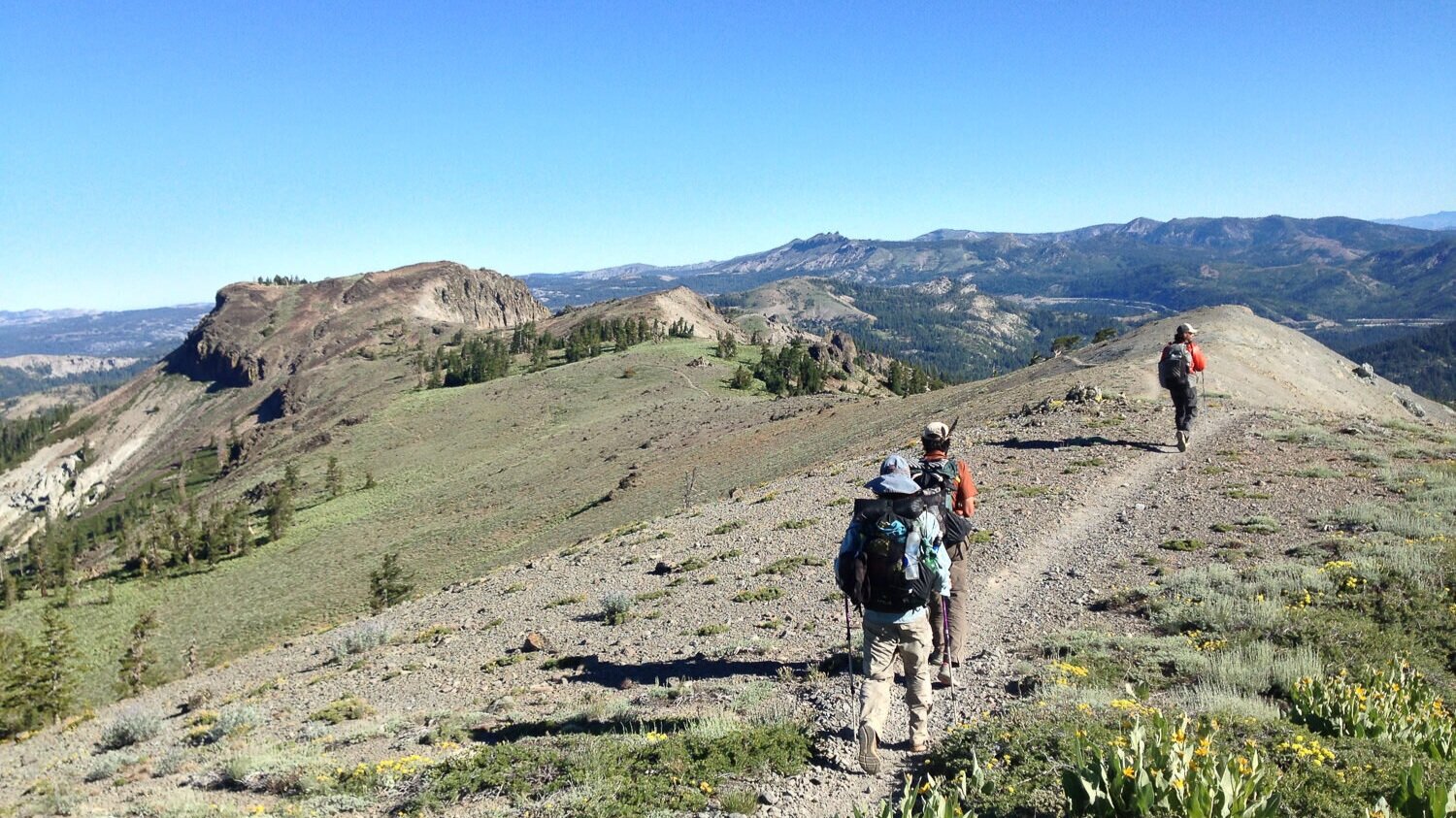
The Pacific Crest Trail has a reputation that sounds almost romantic from a distance. Photos show wide alpine views, golden sunsets above pine forests, and hikers smiling beside wooden trail signs that mark the miles. Stories about walking from Mexico to Canada make the whole journey sound like a long scenic stroll across the American West. The truth feels very different once the miles begin stacking up beneath your boots.
Every year, thousands of hikers attempt the trail believing determination alone will carry them across its 2,650 miles. Motivation helps, but the Pacific Crest Trail demands far more than enthusiasm. The trail exposes every weakness in planning, endurance, and mental resilience. Day after day, the mountains test how badly a person really wants to keep walking.
What surprised me most was how the difficulty builds quietly. Nothing about the trail screams impossible at first glance. Instead, the hardship creeps in slowly through heat, hunger, exhaustion, and endless climbs that seem to repeat forever.
The Distance Is Only The Beginning
Most people focus on the number that defines the Pacific Crest Trail: 2,650 miles. That figure alone sounds intimidating, but distance tells only part of the story. Walking thousands of miles is difficult, yet the real challenge lies in doing it day after day without the comfort of routine life.
Each morning begins with stiff legs and sore shoulders from carrying a pack that rarely feels lighter. Even after weeks on the trail, muscles protest every uphill step. The body adapts slowly, and the trail never pauses to give extra time for recovery.
Miles also stretch differently in the wilderness than they do on paper. A ten-mile walk in a city might feel like exercise. Ten miles in the mountains can involve thousands of feet of climbing, rocky terrain, and unpredictable weather that drains energy faster than expected.
Desert Heat Changes Everything
The southern portion of the Pacific Crest Trail starts in the dry landscapes of Southern California. Many hikers imagine sand, cactus, and warm sunshine. Few anticipate how brutal the desert can become after several hours beneath a relentless sun.
Temperatures frequently rise well above ninety degrees, and shade becomes a rare luxury. Sweat disappears instantly in the dry air, making dehydration creep in before thirst feels obvious. Carrying enough water often means hauling several extra liters, which adds heavy weight to an already demanding pack.
Walking through the desert becomes a daily balancing act between hydration, pacing, and survival. Some hikers begin their days before sunrise to avoid the worst heat. Others hike into the evening darkness just to cover miles safely.
Water Becomes A Constant Concern
In many outdoor adventures, water sits nearby in streams or lakes. On the Pacific Crest Trail, water sometimes exists dozens of miles apart. Planning where to refill becomes one of the most important daily tasks.
Water reports posted by other hikers help, but those reports can change quickly. A reliable spring might dry up during a hot week, forcing hikers to ration every drop. Anxiety builds whenever a water source turns out to be weaker than expected.
Carrying extra water solves part of the problem but creates another challenge. Several liters of water add significant weight, which slows progress and drains energy. Every decision about water becomes a compromise between safety and endurance.
Climbing Never Really Stops
Mountains define much of the Pacific Crest Trail. From the Sierra Nevada to the Cascades, elevation changes dominate the daily experience. Some climbs stretch for hours without leveling off, forcing a slow rhythm of step after step upward.
Descending rarely offers relief. Steep downhill sections punish knees and ankles that already feel worn from long days. Loose rocks and uneven paths demand constant attention to avoid injury.
The cumulative effect becomes exhausting. A single climb might feel manageable, but repeating those climbs every day for months gradually wears down both body and mind.
The Sierra Nevada Tests Determination
The Sierra Nevada range stands as one of the most breathtaking sections of the trail. Granite peaks tower above turquoise lakes, and snowfields sparkle beneath bright alpine sunlight. The scenery feels almost unreal, yet the beauty comes with serious difficulty.
High passes often rise above 11,000 feet, where thin air slows breathing and movement. Snow can linger well into summer, forcing hikers to navigate icy slopes with careful steps. A simple mistake on a steep snowfield can lead to dangerous consequences.
River crossings add another layer of risk. Snowmelt transforms calm creeks into powerful currents that demand patience and caution. Each crossing becomes a reminder that the mountains hold the final say over progress.
Resupply Logistics Become A Puzzle
Food does not magically appear along the Pacific Crest Trail. Hikers must plan resupply points in towns scattered along the route. Some towns sit directly beside the trail, while others require long hitchhikes on rural roads.
Mailing food boxes ahead of time can help, but predicting future cravings becomes difficult. The same meals that sounded delicious at home may feel unbearable after several weeks on the trail. Hunger grows intense, yet the body often rejects repetitive flavors.
Carrying food also affects pack weight. Several days of meals add pounds that must be hauled over mountains. Balancing nutrition, weight, and taste becomes a constant challenge throughout the journey.
Injuries Lurk In Small Moments
Major accidents make dramatic stories, but most trail injuries begin quietly. A small blister develops during a hot afternoon. A knee aches slightly during a long descent. A shoulder feels tight after adjusting a pack strap.
Ignoring these small warnings often leads to bigger problems. Blisters can grow into painful wounds that slow every step. Knee pain may force shorter days or even complete rest.
Preventing injuries requires constant awareness of the body. Stretching, adjusting gear, and managing pace all become essential habits. Even with careful attention, the trail occasionally demands a stubborn tolerance for discomfort.
Weather Refuses To Follow Expectations
Weather across the Pacific Crest Trail changes constantly. The desert delivers scorching heat, yet cold winds sweep across high mountain passes. Storms can appear quickly, turning calm afternoons into freezing downpours.
Rain soaks clothing and gear, making everything heavier and colder. Wind pushes against hikers along exposed ridges. Sudden drops in temperature remind everyone how fragile comfort becomes in the wilderness.
Forecasts help with planning, but mountain weather rarely follows predictions perfectly. Flexibility becomes just as important as preparation when conditions shift unexpectedly.
Loneliness Walks Beside You
The Pacific Crest Trail often attracts hikers seeking solitude and reflection. Quiet forests and endless horizons create perfect spaces for deep thought. Yet solitude can gradually transform into loneliness during long stretches without conversation.
Days sometimes pass with only brief encounters between hikers. Conversations become short exchanges about trail conditions or water sources before everyone continues walking. The quiet returns quickly once footsteps fade down the trail.
Loneliness challenges the mind in ways that physical difficulty cannot. Motivation must come from within, especially during moments when quitting feels easier than continuing.
Mental Fatigue Builds Slowly
Physical exhaustion becomes familiar after weeks on the trail. Muscles ache, but they eventually adapt to the daily effort. Mental fatigue proves harder to manage because it accumulates silently.
Repeating the same routine every day can wear down enthusiasm. Wake up, pack gear, walk miles, eat simple food, and sleep. The cycle repeats endlessly until even beautiful scenery begins to feel routine.
Motivation fluctuates constantly. Some days feel effortless, filled with energy and excitement. Other days require stubborn determination to take one more step forward.
Wildlife And Nature Demand Respect
Encounters with wildlife create unforgettable moments along the Pacific Crest Trail. Deer wander quietly through forests, marmots whistle across rocky slopes, and black bears occasionally appear searching for food. These experiences highlight how deeply the trail passes through untouched landscapes.
Respecting wildlife requires careful behavior. Food must be stored properly to avoid attracting curious animals. In bear country, hikers often carry specialized containers that keep food secure overnight.
Nature also reminds hikers how small they are within the larger environment. Powerful storms, rushing rivers, and rugged terrain reinforce the need for humility and caution.
Small Victories Carry Enormous Meaning
Despite the hardships, the Pacific Crest Trail offers moments that feel incredibly rewarding. Reaching a mountain pass after hours of climbing brings a quiet sense of accomplishment. Watching sunrise from a ridge makes early mornings worthwhile.
Simple comforts gain new value on the trail. A cold drink in a small town feels luxurious after days of warm water. A hot meal can lift spirits in ways that restaurants rarely achieve in everyday life.
These moments create powerful memories that keep hikers moving forward. Each milestone becomes proof that persistence can overcome even the toughest days.
Why The Trail Changes People
Completing the Pacific Crest Trail reshapes how people view difficulty and resilience. Months of continuous walking reveal strengths that rarely appear in ordinary routines. The experience strips life down to essentials: food, water, shelter, and determination.
Challenges along the trail teach patience and adaptability. Plans often change due to weather, injuries, or unexpected obstacles. Accepting those changes becomes part of the journey.
By the time the northern terminus appears near the Canadian border, the miles feel less like a battle and more like a transformation. The Pacific Crest Trail proves harder than most people expect, yet that difficulty is exactly what makes the journey unforgettable.
