

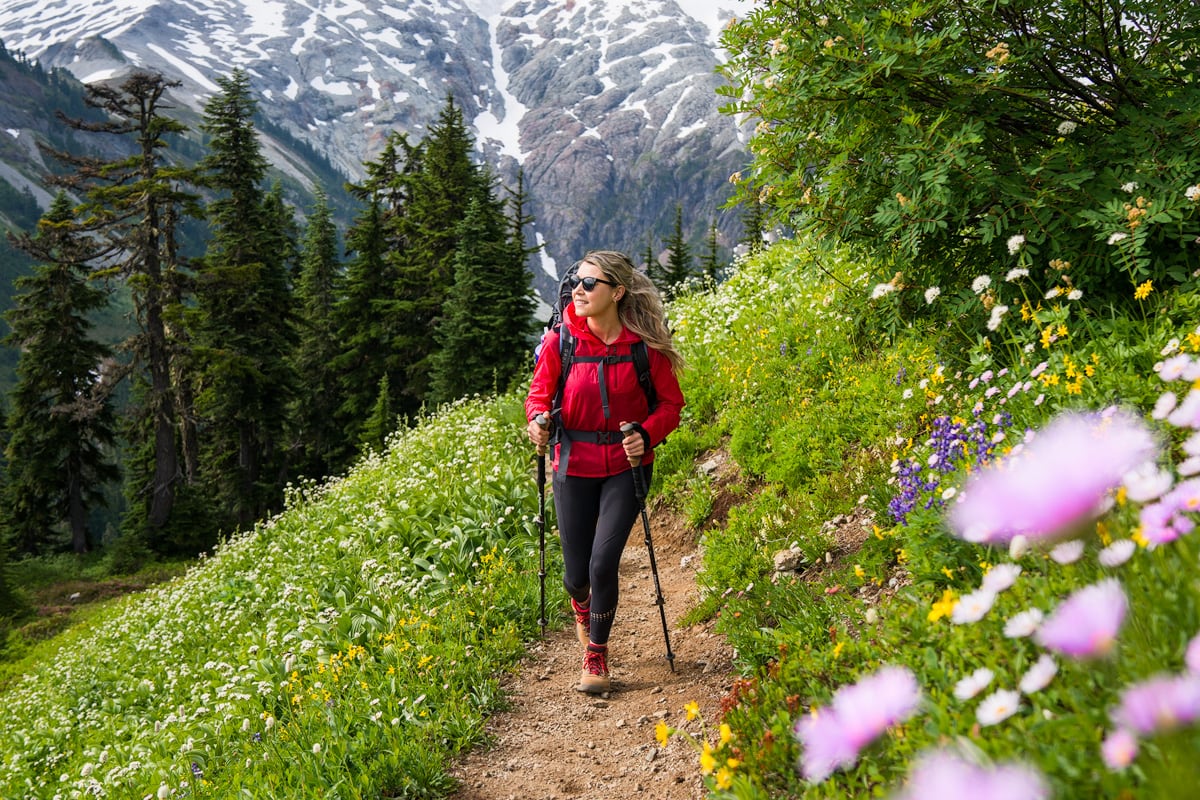
Stepping onto a mountain trail brings a sense of freedom that is difficult to find anywhere else. The quiet of the forest, the steady rhythm of footsteps, and the view that slowly opens with elevation make hiking deeply rewarding. Yet the experience becomes even better when everyone on the trail follows a shared set of respectful behaviors. Trail etiquette is not about strict rules meant to limit enjoyment. Instead, it exists to make outdoor spaces safe, peaceful, and enjoyable for everyone who ventures into them.
Mountain trails often attract people with different goals. Some hikers want solitude and reflection, while others seek adventure with friends or family. Runners, photographers, bird watchers, and backpackers may all share the same path. Clear etiquette allows all of these experiences to coexist without conflict. Respectful behavior on the trail protects nature, prevents accidents, and ensures that the mountain remains welcoming to future visitors.
Over the years, time spent hiking has revealed that etiquette is not complicated. Most of it comes down to awareness and consideration for others. A few simple habits can make a big difference in how people experience the outdoors. These trail etiquette rules shape a culture of respect that keeps mountain trails enjoyable for everyone.
Stay On Marked Trails
Marked trails exist for a reason, even if stepping off the path sometimes looks tempting. Hiking outside designated routes can damage fragile vegetation and disturb wildlife habitats. Plants that grow in mountain environments often take years to recover from even small disturbances. Staying on the trail protects these ecosystems and keeps the surrounding environment healthy.
Trails also guide hikers safely through terrain that has been assessed for stability and accessibility. Straying from them can lead into unsafe areas such as loose slopes, hidden drop-offs, or fragile ground. Following marked paths keeps hikers safer while preserving the natural beauty around them. A well-used trail helps concentrate foot traffic in one place rather than spreading damage across the landscape.
Yield The Right Of Way Properly
Trail traffic can become busy, especially on popular routes or near scenic viewpoints. Knowing who should step aside helps prevent confusion and keeps movement flowing smoothly. In general, hikers going uphill have the right of way because climbing requires more effort and momentum. Allowing them to continue their pace helps maintain their rhythm on steep terrain.
Mountain bikers and runners sometimes share certain trails as well. In many areas, hikers yield to horses and pack animals because sudden movements can startle them. Moving calmly to the downhill side of the trail gives animals enough space to pass safely. A friendly greeting and patience during these moments contribute to a positive atmosphere on the trail.
Keep Noise Levels Respectful
Mountain trails offer a break from the constant noise of daily life. Many hikers head into the mountains seeking quiet and the natural sounds of wind, birds, and rustling leaves. Loud conversations, music played through speakers, or shouting across the trail can disrupt this experience for others.
Maintaining a respectful noise level allows everyone to enjoy the peaceful environment. Conversations between hiking partners are perfectly normal, but keeping voices moderate shows consideration for others nearby. Natural sounds are part of what makes hiking special. Preserving that quiet atmosphere improves the experience for everyone sharing the trail.
Pack Out Everything You Bring
A clean trail reflects the care of the people who walk it. Any item brought into the mountains should leave with the same person who carried it in. Food wrappers, water bottles, tissues, and other small items may seem harmless, but they accumulate quickly if left behind. Even biodegradable materials such as fruit peels can disrupt local ecosystems.
Packing out all trash protects wildlife and maintains the beauty of the landscape. Animals sometimes mistake litter for food, which can harm their health and alter natural behaviors. Carrying a small trash bag in a backpack makes it easy to gather waste throughout the hike. Leaving the trail cleaner than it was found helps protect the environment for future visitors.
Respect Wildlife From A Distance
Wildlife encounters are often one of the most memorable parts of hiking in the mountains. Spotting a deer moving through the forest or hearing birds echo across a valley adds a sense of wonder to the journey. Respectful observation is essential in these moments. Wild animals should never be approached, chased, or fed.
Maintaining a safe distance prevents animals from feeling threatened or stressed. Feeding wildlife can also cause long-term harm by encouraging dependence on human food. Observing quietly from afar allows animals to continue their natural behaviors without interference. Respect for wildlife ensures that these encounters remain special and responsible.
Give Space At Scenic Spots
Mountain viewpoints often become gathering places where hikers stop to rest, take photos, or enjoy the scenery. These spots can fill up quickly, especially on popular trails. Sharing the space respectfully allows everyone to appreciate the view without feeling crowded or rushed.
Taking photos efficiently and stepping aside afterward helps others enjoy the same moment. Extended breaks are better spent slightly away from the main viewpoint area. A little awareness of how long others may be waiting makes a big difference. Courtesy at scenic stops keeps the atmosphere relaxed and welcoming.
Control Pets Responsibly
Dogs can be wonderful companions on mountain trails. Their enthusiasm and energy often add extra joy to a hike. Responsible pet handling, however, plays an important role in trail etiquette. Not every hiker feels comfortable around dogs, and wildlife encounters can become dangerous if pets are not controlled.
Keeping dogs on a leash where required protects both the pet and other hikers. A leash prevents sudden chases after wildlife and reduces the risk of confrontations with other animals. Cleaning up after pets is equally important to maintain trail cleanliness. Responsible pet ownership ensures that everyone can enjoy the trail comfortably.
Step Aside For Breaks
Trails sometimes narrow to a point where only one person can pass at a time. Stopping in the middle of these sections can create unnecessary congestion. Moving a few steps off the trail before resting allows others to pass without interruption.
Short breaks are part of any hike, especially on steep climbs or long routes. Taking them in open areas or wider sections of the trail keeps traffic flowing smoothly. This small habit demonstrates awareness of other hikers and contributes to a more organized trail environment.
Greet Fellow Hikers With Courtesy
Friendly interactions are part of what makes hiking communities welcoming. A simple greeting or nod when passing another hiker creates a sense of shared experience on the trail. These brief moments of acknowledgment can brighten the mood of the journey.
Courtesy also extends to offering helpful information if needed. Mentioning trail conditions, upcoming obstacles, or wildlife sightings can assist others along their route. Conversations do not need to be long to be meaningful. Even a quick hello helps maintain a positive atmosphere among hikers.
Prepare Before Heading Out
Proper preparation indirectly supports good trail etiquette. Hikers who bring enough water, food, and suitable gear are less likely to face emergencies that affect others on the trail. Adequate planning reduces the chances of needing assistance or blocking the path due to exhaustion.
Checking trail conditions and weather forecasts before leaving home also contributes to responsible hiking. Unexpected storms or closures can create difficult situations for both hikers and rescue teams. Preparation keeps the trail experience safer for everyone involved.
Protect Natural Features
Mountain landscapes contain delicate elements that deserve careful treatment. Carving names into trees, stacking rocks unnecessarily, or removing natural objects can alter the environment in lasting ways. These actions may seem small, yet their effects accumulate over time.
Respect for natural features keeps the trail looking wild and untouched. Photographs provide a far better souvenir than any object taken from nature. Leaving the environment exactly as it was found preserves the beauty that draws hikers to the mountains in the first place.
Practice Patience On Busy Trails
Popular hiking destinations often attract large crowds, particularly during weekends or peak seasons. Patience becomes an essential part of trail etiquette in these situations. Moving at a slower pace, waiting briefly at narrow sections, and sharing viewpoints with others all contribute to a more pleasant experience.
Frustration can build when trails feel crowded, yet maintaining a calm attitude improves the atmosphere for everyone. Most hikers are simply trying to enjoy the same natural space. A little patience helps ensure that the mountain remains a welcoming place for all visitors.
Leave The Trail Better Than You Found It
Responsible hikers often carry a mindset that extends beyond basic etiquette. Picking up small pieces of litter left by others or gently guiding newcomers toward respectful practices strengthens the outdoor community. Positive actions inspire others to treat the trail with the same care.
This attitude creates a ripple effect that protects mountain environments over time. Trails maintained through shared responsibility remain beautiful and accessible for generations. Each thoughtful action contributes to the long-term health of these natural spaces.
Respect Local Regulations
Many mountain trails fall within protected areas such as national parks, nature reserves, or community-managed lands. These places sometimes include specific rules related to camping, fires, or wildlife protection. Following these regulations helps preserve the area and supports conservation efforts.
Rules are usually created to address environmental concerns or safety issues unique to a particular location. Paying attention to posted signs or park guidelines ensures that hikers respect the management of the land. Responsible behavior helps maintain access to these incredible places for future visitors.
Trail Etiquette Shapes The Outdoor Experience
Mountain trails bring together people from different backgrounds, skill levels, and motivations. Shared etiquette provides a framework that allows everyone to enjoy the outdoors respectfully. Small gestures such as stepping aside, greeting fellow hikers, and protecting nature all contribute to a better experience on the trail.
Time spent hiking has shown that etiquette grows naturally through awareness and consideration. A respectful mindset transforms the trail into a place where people and nature coexist harmoniously. Each step taken with care helps preserve the quiet beauty that makes mountain hiking unforgettable.
