

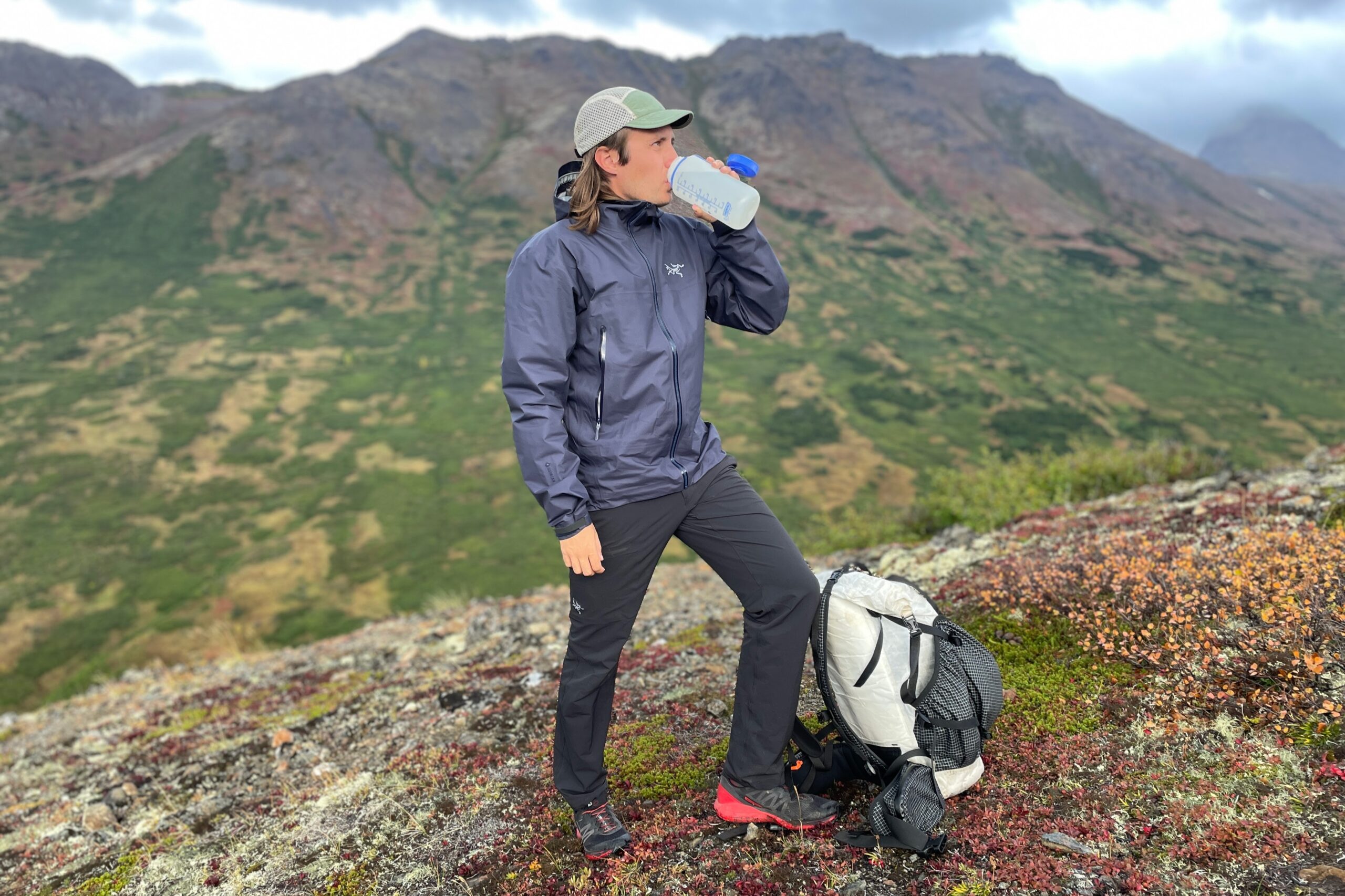
Rain on the Trail Doesn’t Have to Mean a Sauna
Rain in the mountains has a way of appearing without warning. One moment the trail is quiet and cool, and the next the clouds roll in and everything turns slick and gray. Hiking through that kind of weather can feel refreshing at first, but it quickly becomes miserable if your rain gear traps heat and moisture. A jacket meant to keep water out should not make you feel like you are hiking inside a plastic bag.
The problem with many rain jackets is simple: they block rain but also block airflow. Sweat builds up inside faster than it can escape, leaving your base layers damp and uncomfortable. Even on cool days, the heat from climbing uphill turns sealed rain gear into a personal steam room.
After plenty of damp hikes and trial-and-error gear decisions, I have learned that the right rain protection is about balance. Staying dry from rain matters, but staying dry from sweat matters just as much. Good rain gear lets moisture escape while still shielding you from wind and rain, and that balance makes a massive difference on long mountain days.
Breathability Makes All the Difference
Breathability is the factor that separates decent rain gear from gear that actually works on the trail. A waterproof jacket that cannot release heat quickly becomes unbearable once you start moving. Hiking uphill generates more body heat than many people expect, especially with a loaded backpack.
Quality rain shells use breathable membranes or layered fabrics that allow water vapor to escape while preventing rain from entering. The difference becomes obvious after just a few miles of climbing. Instead of sweat pooling inside your jacket, moisture slowly vents outward.
Ventilation features help even more. Pit zips, mesh-lined pockets, and adjustable cuffs allow warm air to escape when the trail gets steep. Opening those vents during climbs prevents overheating and reduces condensation inside the jacket.
Comfort on wet hikes often depends more on breathability than waterproof ratings. A jacket that keeps rain out but traps sweat quickly becomes useless. On the other hand, breathable gear allows steady airflow, which keeps the body cooler and clothing drier during long stretches of movement.
Lightweight Shells Work Better for Active Hiking
Heavy rain jackets designed for harsh storms can feel durable and protective, but they are often overkill for hiking. Those thick layers tend to trap heat and reduce airflow, especially during fast-paced climbs. Carrying lighter rain shells makes movement easier and more comfortable.
Lightweight shells focus on mobility and ventilation rather than brute waterproofing. They use thinner fabrics and streamlined construction that allow moisture to move through the material more efficiently. The result is a jacket that protects against rain while still letting your body regulate temperature.
Another advantage of lightweight shells is packability. Mountain weather shifts constantly, so rain gear often goes on and off throughout the day. A shell that compresses easily into a backpack pocket makes those adjustments much easier.
The lighter feel also improves comfort during long hikes. Bulky jackets restrict movement and trap heat, while lighter layers move naturally with the body. Over several hours on the trail, that difference becomes surprisingly noticeable.
Ventilation Features That Actually Work
Many rain jackets advertise ventilation, but not all systems work equally well. Some designs include small vents that barely move air, while others incorporate full-length openings that drastically improve airflow. Effective ventilation turns a rain jacket from tolerable to genuinely comfortable.
Pit zips remain one of the most reliable ventilation features. These zippers under the arms release heat where the body produces it most. Opening them during uphill climbs allows warm air to escape without exposing your torso directly to rain.
Front zippers also play an important role. Slightly unzipping the front while wearing a hat or hood lets warm air escape through the chest area. Even small adjustments in airflow can make a big difference during steep climbs.
Mesh pocket liners add another hidden ventilation option. Leaving those pockets open allows air to circulate through the jacket without fully exposing you to rain. This kind of flexible airflow system keeps your temperature more stable throughout changing trail conditions.
Fabric Layers That Manage Moisture Better
Modern rain jackets often use multi-layer fabric systems designed to balance waterproofing and breathability. These fabrics combine protective outer layers with breathable membranes that allow moisture vapor to escape.
Two-layer designs typically feature a waterproof shell paired with a separate lining. This setup keeps the jacket lightweight and comfortable, although it may sacrifice some durability in rugged environments. For day hikes and moderate backpacking trips, these jackets usually perform well.
Three-layer fabrics combine the outer shell, membrane, and inner lining into a single bonded material. This structure improves durability while maintaining breathability. Many serious hikers prefer these jackets for long trips because they balance comfort and toughness.
The goal of these layered fabrics is to move moisture outward before it condenses inside the jacket. When that system works properly, sweat vapor escapes before it turns into dampness against your base layers. That difference can determine whether a rainy hike feels manageable or miserable.
Smart Layering Prevents Sweat Buildup
Rain gear works best when combined with the right clothing underneath. Even the most breathable jacket struggles if the layers beneath it trap moisture. Proper layering allows sweat to move away from the body and eventually escape through the outer shell.
Moisture-wicking base layers play a major role in this system. Synthetic fabrics or lightweight merino wool pull sweat away from the skin and distribute it across a larger surface area. That process speeds up evaporation and helps maintain comfort during steady movement.
Mid-layers should remain lightweight and breathable. Thick insulating layers trap heat, which leads to excessive sweating during climbs. A thinner fleece or lightweight insulating layer often provides enough warmth without overheating.
Adjusting layers throughout the hike also helps regulate temperature. Removing a mid-layer before steep climbs prevents overheating, while adding it back during rest breaks keeps the body warm. This constant adjustment keeps sweat levels under control.
Pants Matter Just As Much As Jackets
Rain jackets often receive the most attention, but rain pants play an equally important role in staying comfortable during wet hikes. Lower-body overheating happens quickly during uphill climbs, especially when wearing waterproof layers without ventilation.
Breathable rain pants with side zippers help regulate airflow. Opening those zippers during climbs allows heat to escape while still protecting against rain. Some hikers prefer partial zippers that run along the thigh area, which offers ventilation without exposing the entire leg.
Fit also matters. Rain pants that are too tight restrict airflow and trap heat. Slightly looser designs allow air circulation between layers, which improves comfort during long hikes.
For milder conditions, some hikers skip full rain pants and use lightweight wind-resistant pants instead. These options dry quickly and provide moderate protection while allowing more airflow. The right choice often depends on the intensity of the rain and the length of the hike.
Small Details That Improve Rain Comfort
Several small gear details can make a surprising difference during rainy mountain hikes. Adjustable cuffs, for example, help regulate airflow through the sleeves. Loosening them allows warm air to escape, while tightening them keeps rain from running down your arms.
Hoods with proper structure also improve comfort. A well-designed hood protects your face without trapping heat around your head. Some designs include rear adjustments that improve visibility while maintaining airflow.
Water-resistant zippers and storm flaps add protection without sacrificing breathability. These features prevent rain from entering through openings while maintaining a lightweight construction.
Even pocket placement affects comfort. Pockets positioned above backpack hip belts remain accessible and double as ventilation points when left slightly open. Those small design decisions add up during long hours in wet weather.
Staying Comfortable Through Changing Mountain Weather
Mountain weather rarely stays consistent. Rain can shift from light drizzle to heavy downpour within minutes, and temperatures often fluctuate throughout the day. Flexible rain gear makes it easier to adapt to those changes.
A breathable shell combined with adjustable ventilation allows quick responses to changing conditions. Opening vents during climbs and closing them during windy ridges helps maintain a comfortable temperature.
Layer adjustments also play an important role. Removing a fleece during a steep climb and putting it back on during rest breaks prevents excessive sweating. These small changes keep the body dry and comfortable throughout the hike.
Experience eventually teaches which combinations work best in different conditions. Over time, those adjustments become instinctive, and wet weather stops feeling like a major obstacle.
Rainy Trails Can Still Be Enjoyable
Rain often transforms mountain landscapes in subtle ways. Forest trails become quieter, streams grow louder, and the air carries a fresh scent that rarely appears on dry days. Hiking through rain can feel peaceful when your gear works properly.
Comfortable rain gear removes the distraction of constant dampness and overheating. Instead of worrying about sweat and soaked layers, attention shifts back to the trail, the surrounding forest, and the rhythm of the hike.
Many memorable hikes happen under gray skies and steady rain. The key is wearing gear that allows movement without trapping heat and moisture. Once that balance is right, rainy trails become another part of the adventure rather than something to avoid.
Rain will always be part of mountain travel. The difference between misery and enjoyment often comes down to how well your gear manages moisture and airflow. With the right rain gear, even a long wet hike can feel surprisingly comfortable.
