

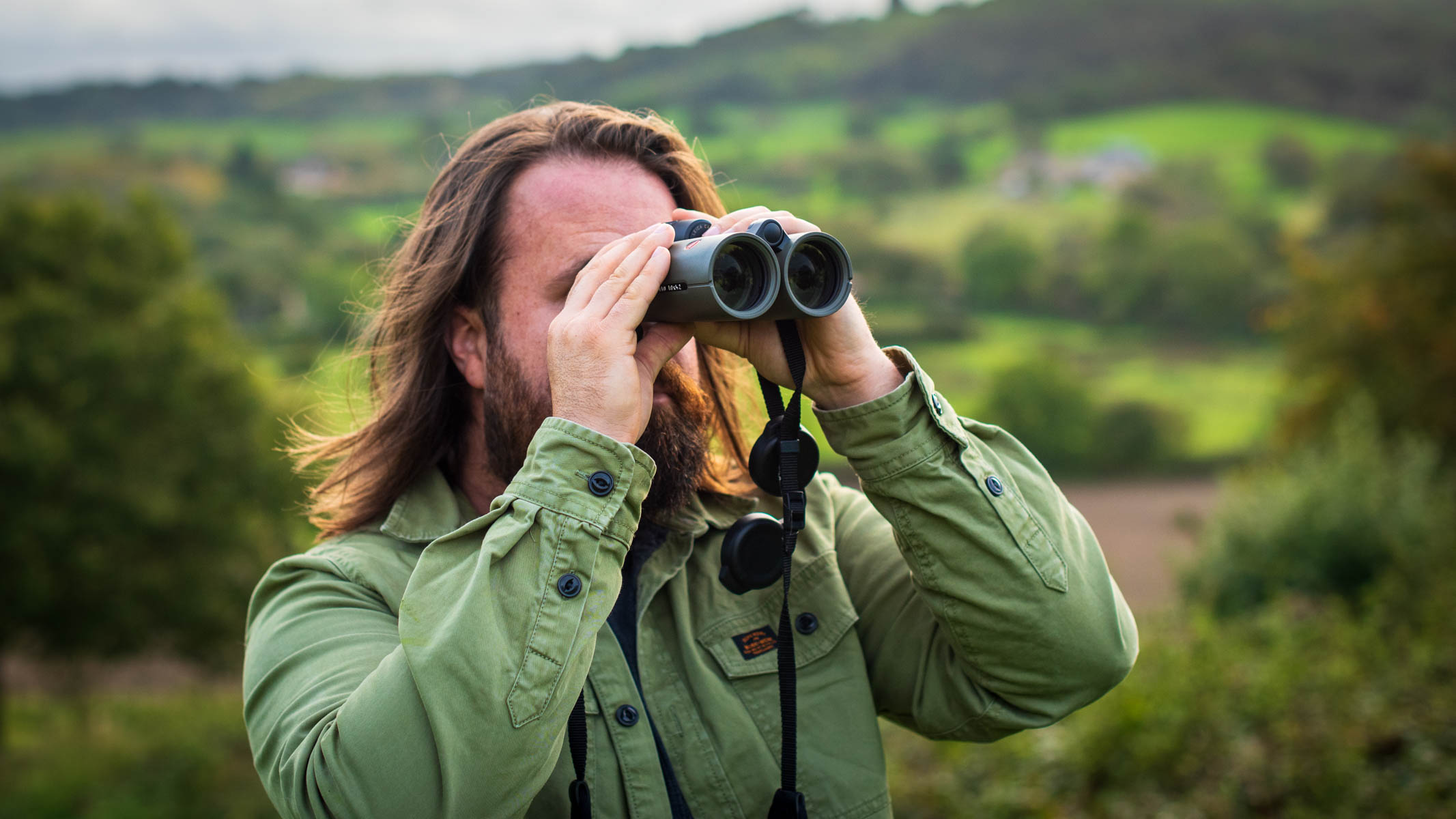
Wildlife watching in the mountains demands patience, awareness, and the right gear. One piece of equipment that constantly earns a spot in my pack is a pair of compact binoculars. They bring distant birds into sharp focus, reveal animals hidden among trees, and transform a quiet hike into a richer outdoor experience. The right pair feels almost invisible around your neck yet powerful enough to reveal the smallest movement along a ridgeline or meadow.
Compact binoculars are particularly valuable in mountainous terrain where weight and space matter. Long hikes, steep climbs, and unpredictable weather make it important to travel light. A bulky pair of optics may deliver great magnification, but if it stays in the backpack because it’s heavy, it becomes useless. Compact models strike a balance between portability and performance, allowing wildlife watchers to carry reliable optics without feeling weighed down.
Wildlife rarely announces its presence loudly. Often, the most memorable sightings happen in quiet moments: a hawk gliding across a valley, a deer stepping carefully through brush, or a distant mountain goat navigating rocky cliffs. Compact binoculars make those moments clearer and closer without interrupting the natural rhythm of the trail.
This guide explores what makes compact binoculars effective for wildlife watchers and highlights several models that consistently perform well in mountainous environments.
Why Compact Binoculars Work Well For Wildlife Watching
Mountain environments often require covering miles of trail before reaching prime wildlife areas. Carrying heavy optics on long hikes quickly becomes tiring, especially when climbing steep terrain. Compact binoculars solve this problem by offering powerful magnification in a lightweight form.
Most compact binoculars weigh between 10 and 18 ounces, which makes them easy to carry on a neck strap or store in a small pouch on a backpack strap. Their smaller size means they can be quickly lifted to the eyes when movement catches attention along the trail.
Despite their small design, modern compact binoculars often include high-quality lenses and coatings that provide bright, clear images. Advances in optical technology have improved light transmission, contrast, and sharpness, allowing wildlife watchers to observe animals even in shaded forests or during early morning light.
Another advantage lies in durability. Many compact models are waterproof, fog-resistant, and built with rugged rubber armor. Mountain weather changes quickly, and reliable binoculars must withstand rain, mist, and sudden temperature shifts.
Magnification And Field Of View On Mountain Trails
Magnification plays a crucial role in wildlife observation. Many compact binoculars feature either 8x or 10x magnification, each offering different advantages in the field.
An 8x magnification provides a wider field of view and steadier images. On uneven mountain trails, a stable view makes it easier to track moving animals such as birds in flight or deer weaving through trees. The wider viewing area also helps scan large landscapes quickly.
A 10x magnification brings distant animals closer, which can be helpful when observing wildlife across valleys or open alpine meadows. However, higher magnification also amplifies hand movement, making the image slightly less stable.
Field of view refers to how much area is visible through the binoculars at a given distance. A wider field of view makes it easier to locate animals quickly, especially when scanning ridges, cliffs, and tree lines where wildlife often blends into the landscape.
Compact binoculars designed for wildlife watching typically balance magnification and field of view so observers can locate and follow animals without constantly adjusting their position.
Lens Quality And Brightness In Natural Environments
Optical quality separates average binoculars from excellent ones. Clear glass and proper lens coatings dramatically improve the viewing experience in outdoor environments.
High-quality binoculars often use fully multi-coated lenses. These coatings reduce glare and allow more light to pass through the optics. The result is a brighter image with better contrast, especially useful in shaded forests or during sunrise and sunset.
Objective lens size also affects brightness. Compact binoculars usually feature objective lenses between 20mm and 32mm. Larger lenses gather more light, which improves image clarity in low-light conditions. However, larger lenses also increase the overall size and weight of the binoculars.
In mountain settings where lighting conditions constantly shift, a slightly larger objective lens, such as 30mm or 32mm, often provides a noticeable improvement in image brightness without sacrificing portability.
Durability For Rugged Outdoor Conditions
Wildlife watchers often encounter unpredictable conditions in the mountains. Trails may be dusty, rainy, or cold depending on elevation and weather patterns. Reliable binoculars must perform well regardless of the environment.
Waterproof construction protects internal components from moisture during rainstorms or accidental drops into wet grass. Fog-proof designs prevent internal condensation when temperatures shift quickly between cool mornings and warm afternoons.
Rubber-armored bodies offer extra protection against drops and impacts. They also improve grip, which becomes important when wearing gloves or handling equipment with wet hands.
Durability matters because wildlife watchers rely on their gear during long outdoor trips. A dependable pair of binoculars continues performing year after year, making them a worthwhile investment for anyone who spends time observing nature.
Nikon Trailblazer ATB 8×25
The Nikon Trailblazer ATB 8×25 stands out as one of the most reliable compact binoculars available for wildlife observation. Its lightweight design makes it easy to carry during long mountain hikes without adding noticeable bulk to a backpack.
The optics deliver crisp images with impressive brightness for a compact model. Multi-coated lenses improve contrast and reduce glare, which helps when observing animals in bright sunlight or shaded forest areas.
Durability also plays a major role in this model’s popularity. The waterproof body and rubber-armored exterior provide protection against weather and rough trail conditions. These features make it a dependable companion for wildlife watchers exploring unpredictable mountain environments.
Vortex Vanquish 8×26
The Vortex Vanquish 8×26 offers strong optical performance in a compact frame. It uses reverse porro prisms, a design that allows for excellent depth perception and image clarity.
Images appear bright and sharp, even when scanning across shaded valleys or dense woodland. The binoculars also provide a comfortable grip, which helps maintain stability during extended observation sessions.
Vortex also backs its products with a strong warranty, adding extra confidence for outdoor enthusiasts who rely on their gear in challenging environments. That reliability makes the Vanquish a popular choice among hikers and wildlife watchers.
Zeiss Terra ED 8×25
The Zeiss Terra ED 8×25 represents a premium compact binocular option for serious wildlife watchers. Its glass quality produces exceptional clarity and color accuracy, allowing fine details in feathers or fur to appear clearly.
Extra-low dispersion glass reduces chromatic aberration, which improves sharpness along edges and enhances contrast. This feature becomes particularly noticeable when observing birds against bright skies or animals moving along sunlit ridges.
Despite its high performance, the Terra ED maintains a lightweight and compact design suitable for mountain travel. The rugged construction ensures it can withstand challenging outdoor conditions.
Celestron Nature DX 8×32
Some wildlife watchers prefer a slightly larger compact binocular for improved brightness. The Celestron Nature DX 8×32 fits that role well by combining portability with larger objective lenses.
The 32mm lenses gather more light than smaller compact models, producing brighter images during dawn and dusk when wildlife activity often increases. This makes it especially useful for early morning birdwatching.
Waterproof and nitrogen-purged construction protects the binoculars from internal fogging and moisture. The durable frame handles rough trail use while maintaining reliable optical performance.
Bushnell Legend Ultra HD 10×25
The Bushnell Legend Ultra HD 10×25 offers higher magnification while remaining compact enough for mountain hiking. The 10x power brings distant animals into closer view, which helps when observing wildlife across large valleys.
Ultra HD optics improve brightness and clarity, while advanced coatings enhance color accuracy. These features combine to produce a crisp viewing experience in a wide range of lighting conditions.
The binoculars also feature a rugged, weather-resistant body designed for outdoor exploration. Their lightweight design allows wildlife watchers to carry them comfortably during long treks through mountainous terrain.
Comfort And Ergonomics During Long Observations
Wildlife watching sometimes involves extended periods of scanning landscapes and waiting quietly for movement. Comfortable binoculars reduce fatigue and improve the overall experience.
Well-designed binoculars feature smooth focus wheels that allow quick adjustments as animals move closer or farther away. Eyecups that twist or fold accommodate users with or without glasses.
Balanced weight distribution also matters. Compact binoculars should feel steady in the hands rather than front-heavy or awkward. A comfortable grip allows observers to hold the binoculars steadily for longer periods while following wildlife.
These ergonomic features may seem small at first, but they significantly affect the enjoyment of wildlife watching during long hikes and observation sessions.
Tips For Better Wildlife Observation With Binoculars
Patience remains one of the most valuable skills in wildlife watching. Moving slowly and pausing frequently increases the chances of spotting animals before they notice human presence.
Scanning landscapes methodically helps reveal hidden movement. Instead of sweeping binoculars quickly across an area, dividing the view into sections and observing each carefully improves the chances of detecting subtle motion.
Listening also plays an important role. Birds calling from treetops or rustling sounds from brush often signal nearby wildlife. Binoculars become even more effective when guided by sound and careful observation.
Maintaining a steady stance improves image clarity as well. Leaning against a tree, resting elbows on trekking poles, or kneeling slightly can stabilize the view and make distant animals easier to observe.
A Reliable Tool For Mountain Wildlife Encounters
Compact binoculars open a window into the hidden world of mountain wildlife. They transform distant shapes into clear encounters and reveal details that might otherwise remain unnoticed.
A good pair of binoculars becomes more than just gear. It becomes part of the outdoor experience, encouraging slower travel and deeper appreciation of the natural environment.
Every wildlife watcher eventually develops a favorite pair that feels familiar and dependable on every hike. Compact binoculars continue to evolve with better optics, lighter materials, and stronger durability.
Those improvements make it easier than ever to carry powerful optics into the mountains. With the right pair close at hand, every trail offers the possibility of discovering wildlife that might otherwise remain unseen.
