

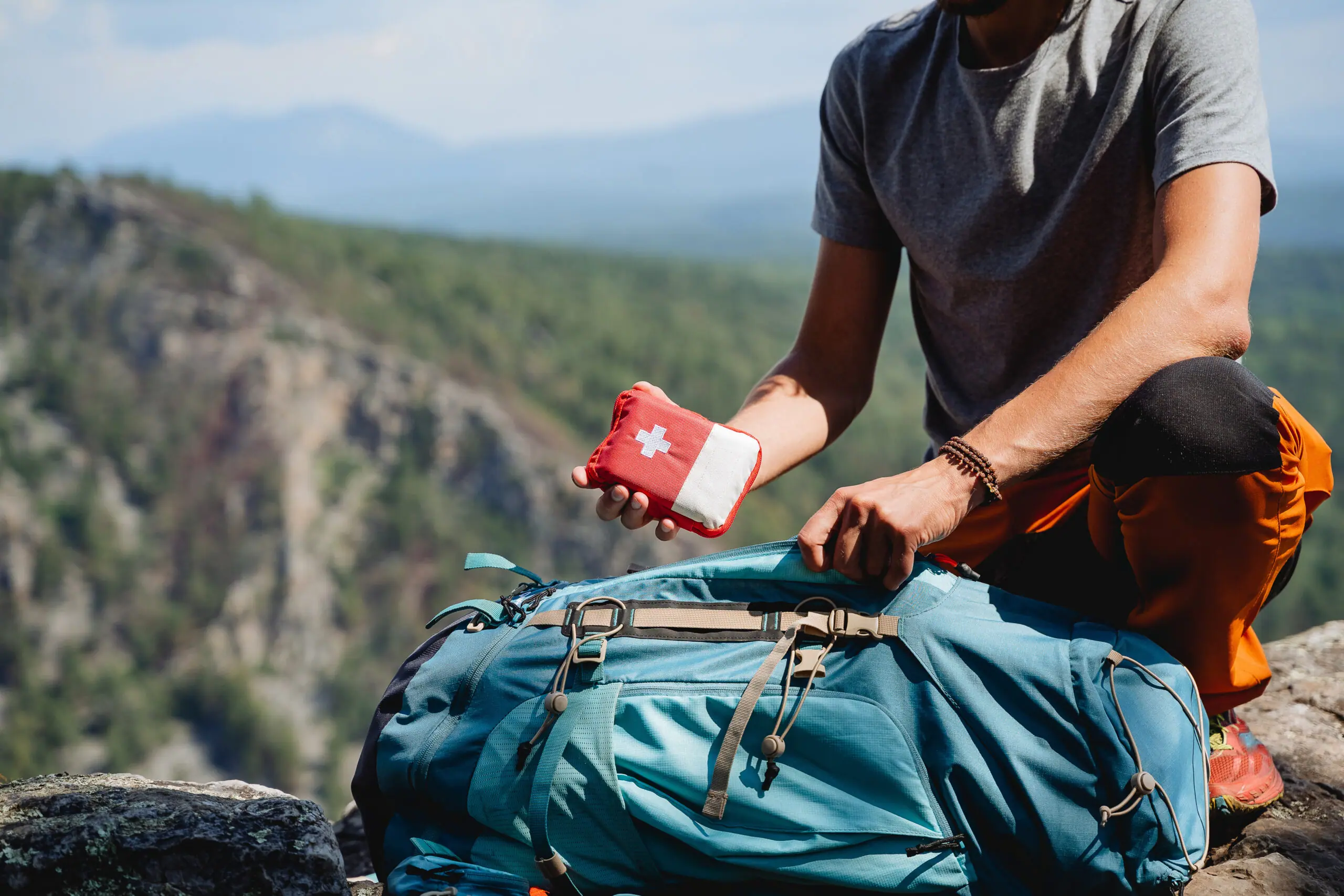
Why A Thoughtful First Aid Kit Matters On The Trail
A first aid kit is one of those things that often gets tossed into a backpack without much thought. Many hikers carry one simply because it feels responsible, not because they have carefully considered what is inside it. After spending years on trails ranging from quick afternoon hikes to multi-day backcountry trips, the contents of my own kit have changed dramatically.
Carrying the right supplies can mean the difference between handling a minor issue on the spot or turning around early. Small injuries are incredibly common outdoors. Blisters, scrapes, headaches, dehydration, and minor sprains happen far more often than dramatic emergencies.
Weight matters on the trail, though, and every ounce counts once the miles start adding up. A bulky kit filled with unnecessary gear becomes dead weight. A streamlined kit that actually reflects the kinds of injuries hikers encounter is far more valuable.
The goal is not to prepare for every possible disaster. Instead, the focus should be on solving the most common problems quickly and efficiently while keeping pack weight reasonable. Over time I realized that many commercial kits include items that are rarely used, while missing things that hikers actually need.
The Most Common Trail Injuries Hikers Deal With
Experience on the trail quickly reveals patterns in the types of injuries that occur most frequently. Dramatic accidents are rare compared to everyday issues like hot spots on feet or minor cuts from brushing against sharp rocks and branches.
Blisters sit firmly at the top of the list. Long miles, moisture, and friction create the perfect conditions for them to form. A tiny hot spot can easily turn into a painful blister if it is ignored. Addressing it early can prevent hours of discomfort.
Scrapes and small cuts are another common occurrence. Trekking through dense brush, slipping on rocky terrain, or brushing against rough surfaces often leads to minor skin injuries. These typically require basic cleaning and protection rather than complex treatment.
Headaches and muscle soreness also show up frequently during longer hikes. Dehydration, heat, and physical exertion can trigger them quickly. Pain relief and hydration become simple but important solutions.
Sprains occasionally occur on uneven terrain. While serious injuries require evacuation, mild strains can often be stabilized long enough to safely hike out. A few lightweight supplies can make that process much easier.
Knowing these patterns shaped how I pack my first aid kit today. Instead of preparing for unlikely scenarios, the focus stays on real problems that hikers encounter regularly.
The Core Supplies I Always Carry
Over time a core group of items has proven its value on nearly every trip. These are the supplies that consistently earn a place in my kit because they solve common problems effectively.
Adhesive bandages are one of the most versatile items in any first aid kit. Small cuts and scrapes happen constantly on rocky trails, and covering them quickly helps prevent dirt and bacteria from entering the wound. A few different sizes work better than carrying dozens of identical strips.
Antiseptic wipes are another staple. Cleaning a wound properly matters before applying a bandage, especially in dusty or muddy environments. Individual wipes stay sterile and weigh almost nothing, making them ideal for hiking kits.
Medical tape plays a surprisingly important role. It can secure bandages, reinforce blister protection, or stabilize a dressing that refuses to stay in place. A small roll wrapped around a trekking pole or water bottle saves space in the pack.
Sterile gauze pads provide flexibility when dealing with larger scrapes or bleeding. They absorb blood, cushion wounds, and work with tape or wrap to create temporary protection until proper treatment is available later.
A compact pair of tweezers rounds out the essentials. Splinters, thorns, and tiny shards of debris often find their way into skin during hikes. Removing them quickly prevents irritation and infection.
These simple tools cover the majority of minor injuries that occur outdoors. The more time spent hiking, the more obvious it becomes that simplicity often beats complicated kits filled with specialized gear.
Blister Care Supplies That Actually Work
Feet carry hikers across every mile of trail, so protecting them deserves serious attention. Blisters can turn an enjoyable hike into a painful ordeal surprisingly fast. Proper supplies help stop problems early.
Blister treatment begins before a blister fully forms. As soon as a hot spot develops, covering it reduces friction immediately. Moleskin or blister tape works well because it cushions the area and prevents further rubbing.
Hydrocolloid blister bandages are another favorite item in my kit. These bandages cushion existing blisters and promote healing while protecting the skin from friction. They stay in place longer than many regular bandages, which is extremely helpful during long hikes.
Small scissors can be useful for trimming tape or moleskin to the right shape. Some hikers carry a tiny pair within their multi-tool rather than packing a separate item. Either way, precise trimming helps blister protection stay secure.
Foot care might not sound dramatic, but ignoring it can end a hike early. Addressing friction quickly keeps small problems from turning into painful setbacks.
Medications That Deserve A Spot In The Kit
Medications often take up very little space but provide significant relief during long days on the trail. Carrying a small selection of common over-the-counter options can make tough situations manageable.
Pain relievers such as ibuprofen or acetaminophen help with headaches, muscle soreness, and minor inflammation. A long hike with a pounding headache can feel miserable, so having relief available becomes incredibly valuable.
Antihistamines are another smart addition. Insect bites, plant reactions, and unexpected allergies sometimes appear during hikes. A single tablet can reduce itching and swelling quickly.
Anti-diarrheal medication might not be the most pleasant topic, but digestive issues occasionally strike during backcountry trips. Treating symptoms early helps prevent dehydration and allows hikers to maintain energy.
Each medication should be packed in small labeled containers or blister packs to keep weight low. Carrying entire bottles adds unnecessary bulk and clutter to a pack.
Tools That Help In More Serious Situations
While most trail injuries are minor, a few tools can make a major difference if something more serious occurs. These items still remain lightweight but provide extra capability during emergencies.
Elastic compression bandages work well for stabilizing sprains or supporting injured joints. Wrapping an ankle or knee can provide enough stability to walk slowly back to the trailhead.
A triangular bandage offers remarkable versatility. It can function as a sling for an injured arm, secure splints, or even serve as an improvised bandage in certain situations. Lightweight fabric versions pack down very small.
Nitrile gloves protect both the injured person and the caregiver during treatment. Even in wilderness settings basic hygiene matters when dealing with wounds or blood.
A small CPR face shield adds another layer of emergency preparedness without adding noticeable weight. Many hikers hope they never need it, but carrying one provides peace of mind during remote adventures.
These items remain compact but expand what a simple kit can accomplish in more challenging situations.
Items That Rarely Get Used And Often Get Removed
Commercial first aid kits often include items that sound helpful but rarely serve a practical purpose on hiking trips. Over time I removed several things that never left their packaging.
Large trauma dressings are one example. While useful in professional medical settings, they tend to be bulky and unnecessary for typical hiking injuries. Gauze pads and tape usually handle the same tasks more efficiently.
Instant cold packs often appear in pre-assembled kits as well. In theory they help with swelling or sprains, but they add significant weight and are rarely used during hiking trips. Cold streams or shaded rest breaks usually provide similar relief.
Tiny plastic whistles sometimes appear inside kits even though most hikers already carry one attached to their pack or emergency gear. Duplicates simply waste space.
Cotton balls and large rolls of gauze also fall into this category. They consume space quickly and can often be replaced by smaller, more versatile supplies.
Removing unnecessary items not only reduces pack weight but also makes the kit easier to navigate. Finding the right item quickly becomes much easier when clutter disappears.
How I Pack My First Aid Kit For Easy Access
Organization matters just as much as the items themselves. Digging through a messy bag while treating an injury wastes valuable time and adds frustration.
A small waterproof pouch works well for protecting supplies from rain and moisture. Hiking environments can be unpredictable, so keeping medical items dry becomes important.
Within that pouch, I group supplies into small resealable bags. One bag holds wound care items, another contains medications, and another stores blister treatment supplies. This structure helps locate exactly what I need quickly.
Labeling bags also helps when hiking with partners. Anyone in the group can open the kit and find items without asking where everything is stored.
The kit usually lives near the top of my backpack rather than buried under layers of gear. Quick access matters when someone needs treatment immediately.
Adjusting The Kit For Different Hiking Trips
Not every hike requires the exact same first aid kit. The length of the trip, the remoteness of the trail, and the size of the hiking group all influence what gets packed.
Short day hikes close to civilization require only the basics. Blister treatment, bandages, pain relievers, and antiseptic wipes usually cover most situations.
Multi-day backcountry trips require slightly more preparation. Additional gauze, medications, and stabilization tools become more important when help may be far away.
Group hikes also change the equation. When several people travel together, one kit can serve multiple hikers if it contains enough supplies. Communication within the group helps prevent unnecessary duplication.
Customizing the kit based on the trip keeps pack weight manageable while still maintaining preparedness.
Confidence On The Trail Starts With Preparation
A well-built first aid kit does more than treat injuries. It builds confidence during hikes because small problems no longer feel overwhelming. Knowing the right supplies are within reach allows hikers to focus on the trail ahead.
Preparation does not require carrying an entire medical cabinet into the wilderness. A thoughtful selection of lightweight, practical items solves the majority of issues hikers encounter.
Over time the contents of a kit naturally evolve with experience. Items that prove useful stay, while unnecessary gear disappears. This gradual refinement creates a kit that feels personal and reliable.
Every hike presents its own challenges, but preparation makes those challenges manageable. A streamlined first aid kit quietly rides in the backpack, ready for the moments when it matters most.
