

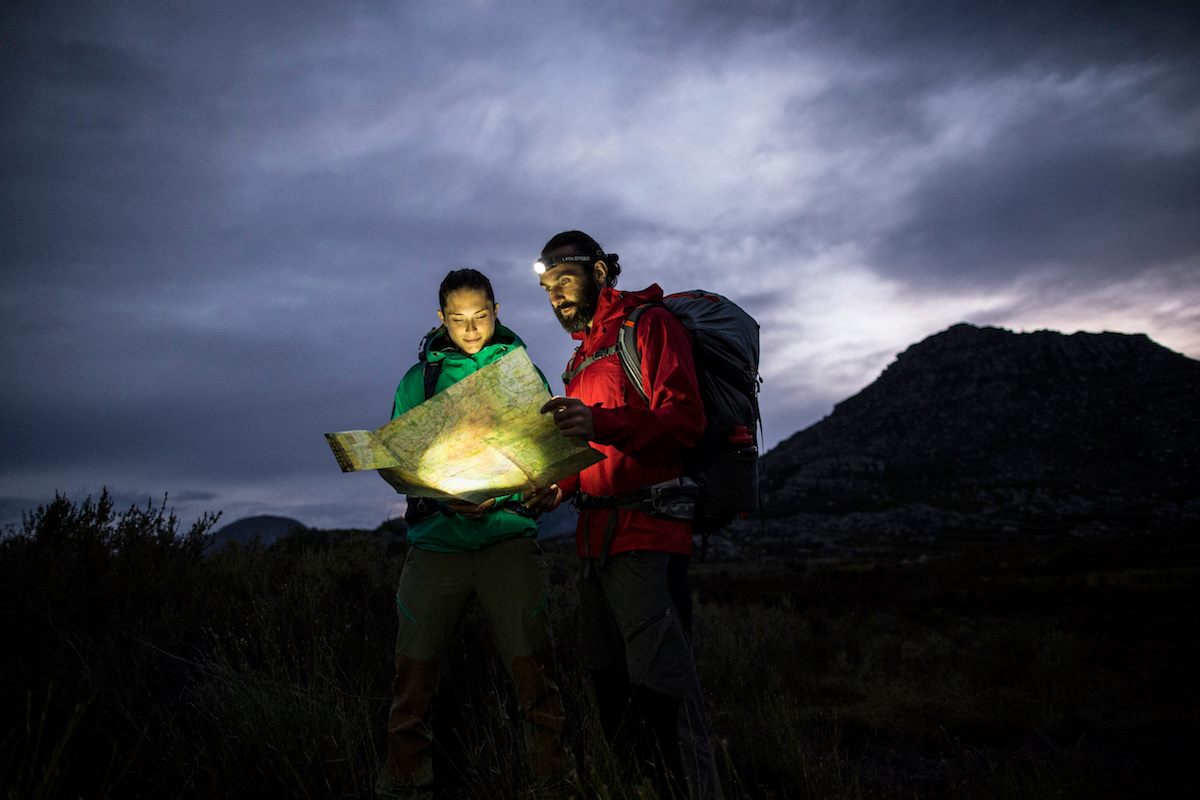
A Different Kind Of Adventure After Dark
The trail changes once the sun slips below the horizon. Familiar paths take on a new personality, and even well-known routes suddenly feel mysterious and fresh. The air cools, the sounds shift, and the forest seems to breathe differently under the night sky.
Walking through the dark brings a sense of awareness that daylight hiking rarely demands. Each step becomes more deliberate, and every sound stands out. The quiet crunch of gravel, the movement of leaves in the wind, and distant animal calls create an atmosphere that feels both peaceful and thrilling.
Night hiking offers a type of adventure that many outdoor enthusiasts overlook. While daytime hikes highlight scenery and panoramic views, nighttime journeys focus on sensation, atmosphere, and mindfulness. The trail transforms into a world of shadows, moonlight, and quiet discovery.
Silence And Stillness Of The Night Trail
The absence of daytime noise becomes immediately noticeable during a night hike. Busy trails that normally echo with conversations, footsteps, and distant chatter become calm and nearly silent. That stillness changes the way the entire experience feels.
Even forests that seemed lively during the day can appear almost sacred at night. The darkness softens the landscape, and the mind begins to focus on subtle details. Small sounds like insects, rustling branches, and distant streams become more pronounced.
Walking through that silence encourages reflection. Thoughts slow down naturally when the environment becomes quieter. The absence of distractions creates space to think clearly, making night hiking feel both calming and refreshing.
Cooler Temperatures And Comfortable Hiking Conditions
Many hikers struggle with heat during daytime treks, especially in warm climates or humid regions. The sun can drain energy quickly, turning even moderate trails into exhausting challenges. Night hiking offers a refreshing alternative.
Once darkness settles in, temperatures often drop significantly. The cooler air makes long distances more manageable and reduces fatigue. Sweat becomes less of a problem, and steady movement feels easier to maintain.
Comfort also improves when the sun is no longer beating down on exposed sections of trail. Even steep climbs feel more manageable when the air is cool and the pace remains steady. The body works more efficiently when the environment feels comfortable.
Experiencing Nature From A Different Perspective
Night reveals a version of nature that daytime hikers rarely see. Many animals become active after sunset, and the forest develops a new rhythm. Creatures that stay hidden during the day suddenly move through the landscape.
Owls glide silently overhead, insects hum through the air, and small animals move quietly through the underbrush. Observing these nighttime activities adds another layer of excitement to the hike. The wilderness feels alive in a completely different way.
The limited visibility also sharpens awareness. Instead of scanning wide landscapes, attention shifts toward closer surroundings. Each movement, sound, and shadow becomes meaningful, turning the hike into an immersive sensory experience.
The Magic Of Hiking Under Moonlight
Few outdoor moments feel as memorable as walking along a trail lit by the moon. Moonlight creates soft illumination that reveals shapes without overpowering the darkness. Trees cast long shadows across the path, and the terrain glows faintly beneath the sky.
The moon often provides enough light to navigate comfortably on open trails. In some places, headlamps become unnecessary for short stretches, allowing the natural light to guide the way. Moving through that soft glow feels almost surreal.
Looking up during a night hike reveals another reward. Without city lights interfering, the sky fills with stars that remain invisible during the day. Constellations stretch across the horizon, and the Milky Way sometimes appears in stunning detail.
Heightened Awareness And Sharper Focus
Darkness changes how the mind processes the environment. With limited visibility, the senses automatically become more alert. Hearing sharpens, peripheral awareness increases, and the brain begins interpreting subtle clues from the surroundings.
Each step requires attention, encouraging hikers to remain present rather than drifting into distraction. Rocks, roots, and changes in terrain require careful footing. This heightened focus turns the hike into a more mindful activity.
That sense of awareness also builds confidence. Successfully navigating a trail in the dark proves that adventure does not depend solely on daylight. It reinforces the idea that skill and preparation matter more than visibility.
A Unique Bond With Fellow Hikers
Night hiking often creates a stronger sense of connection between people on the trail. Moving through darkness together encourages communication and teamwork. Group members naturally stay closer, sharing observations and helping each other navigate.
Conversations during night hikes tend to feel more relaxed and genuine. The absence of crowds and distractions creates an environment where stories flow easily. Laughter carries quietly through the forest, blending with the sounds of nature.
Trust also develops quickly in these conditions. Each person becomes aware of the others’ presence and contributions. That shared experience often strengthens friendships and leaves lasting memories long after the hike ends.
Conquering Fear And Building Confidence
Darkness can feel intimidating at first. The unfamiliar sounds and limited visibility challenge comfort zones, especially for hikers who are accustomed to daylight adventures. Facing that uncertainty becomes part of the journey.
Gradually, the mind begins to adjust. Sounds that once seemed alarming become recognizable parts of the forest. Shadows stop feeling threatening and start appearing as normal elements of the landscape.
Completing a night hike often leaves hikers with a strong sense of accomplishment. Overcoming initial hesitation proves that fear can be managed through preparation and calm thinking. Confidence grows with every step taken under the night sky.
Essential Gear That Makes Night Hiking Safer
Preparation plays an important role in making night hiking enjoyable. Reliable lighting remains the most important piece of equipment. A good headlamp allows hands to remain free while illuminating the path ahead.
Extra batteries should always accompany any lighting equipment. Losing light on a dark trail can quickly turn an enjoyable adventure into a stressful situation. Backup lighting ensures the hike continues safely if the main lamp fails.
Reflective markers, maps, and GPS tools also help maintain direction. Even familiar trails can feel confusing in darkness. Having reliable navigation tools keeps the journey safe and prevents unnecessary detours.
Clothing also deserves attention. Temperatures often drop at night, even in regions that remain warm during the day. Light layers provide warmth without restricting movement, allowing hikers to adjust as conditions change.
Trails Feel Completely Different After Sunset
Returning to a familiar trail at night can feel like discovering an entirely new place. Landmarks that once stood out in daylight become shadowy outlines. The path itself often appears narrower and more mysterious.
The darkness hides distant scenery but highlights nearby textures. Rocks reflect headlamp beams, leaves shimmer under moonlight, and the trail surface becomes more noticeable. This shift in perspective encourages deeper observation.
Many hikers become surprised by how engaging the experience feels. Instead of simply moving toward a scenic viewpoint, the journey itself becomes the highlight. Every step offers something new to notice.
Safety Awareness Without Losing The Adventure
Night hiking demands respect for safety, but it does not eliminate the excitement of exploration. Staying on marked trails remains essential, especially when visibility is limited. Wandering too far off route can quickly create confusion.
Traveling with a partner or group increases security and adds to the overall experience. Shared awareness helps detect obstacles, wildlife movement, and trail markers more easily. Communication ensures everyone stays comfortable and informed.
Maintaining a steady pace also reduces the risk of accidents. Rushing through darkness rarely leads to enjoyable results. Moving carefully allows hikers to appreciate the surroundings while maintaining safe footing.
A Gateway To Deeper Outdoor Experiences
Night hiking often becomes the starting point for other unique outdoor adventures. Once hikers become comfortable navigating trails in the dark, activities like night photography, stargazing hikes, and overnight treks become more appealing.
Camping trips also gain a new dimension after experiencing nighttime trails. The walk back to camp under moonlight adds an unforgettable element to the journey. Even short evening hikes can create powerful memories.
Outdoor exploration grows richer when the night becomes part of the adventure. The wilderness does not stop existing after sunset, and experiencing it during those quiet hours reveals an entirely different side of nature.
Memories That Stay Long After The Trail Ends
Some hiking experiences fade with time, but night hikes often remain vivid. The combination of darkness, quiet landscapes, and star-filled skies creates moments that feel deeply personal. Each sound and shadow becomes part of the story.
Memories from these hikes often return unexpectedly. A cool evening breeze or a distant owl call can instantly bring back the feeling of walking beneath the moon. The mind remembers not only the trail but the atmosphere surrounding it.
Adventures like these remind hikers why the outdoors continues to inspire curiosity. The world changes dramatically after sunset, and stepping onto a trail during those hours reveals a side of nature that many people never experience.
Night hiking offers a powerful reminder that adventure does not depend on daylight. The wilderness remains just as captivating after dark, waiting quietly for those willing to explore it beneath the stars.
