

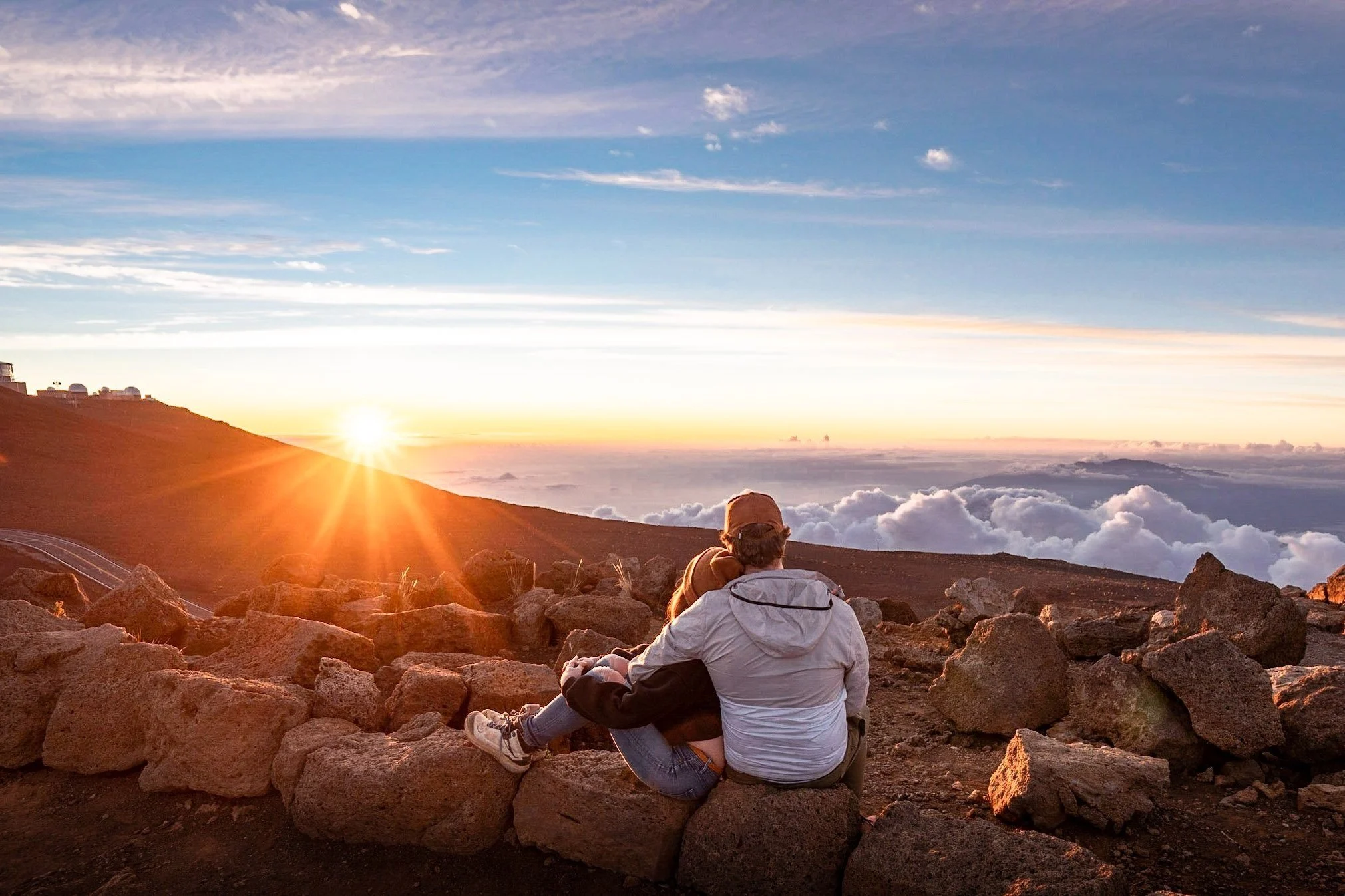
A mountain that greets hikers with golden light in the evening can feel mysterious and quiet in the earliest hours of the morning. Over time, I’ve found myself debating the same question before nearly every hike: is it worth waking up before dawn for a sunrise, or should I save my energy and chase the sunset instead?
Both options promise stunning views and memorable moments. Yet the experience surrounding them—the climb, the atmosphere, and even the mindset you bring—can vary dramatically. After many hikes timed for both sunrise and sunset, the differences have become clearer to me, and each offers a distinct kind of reward.
The answer isn’t as simple as declaring one better than the other. Sunrise hikes demand discipline and early alarms, while sunset hikes require careful timing to avoid descending in darkness. The mountain doesn’t change, but the way the day unfolds around it does.
The Appeal of a Sunrise Summit
Few experiences on the trail feel as powerful as watching the world wake up from the top of a mountain. The climb usually begins in darkness, with a headlamp lighting the path and the forest still wrapped in silence. Every step carries the anticipation of the moment when the sky finally begins to glow.
The quiet before sunrise creates a kind of calm that’s hard to find later in the day. Birds haven’t started their morning chorus yet, and the trail is often empty except for the occasional hiker moving quietly uphill. That solitude adds a sense of intimacy to the experience, making the mountain feel like a private escape rather than a busy destination.
As the horizon slowly brightens, colors begin to shift across the sky. The first rays of sunlight spilling over distant peaks feel like a reward for every early step taken in the dark. Standing there while the light spreads across valleys and ridges reminds me why people willingly sacrifice sleep for this moment.
The Challenge of the Early Start
A sunrise hike sounds romantic until the alarm goes off long before daylight. Crawling out of a warm sleeping bag or bed while the world is still asleep takes real motivation. The body often protests, especially if the hike requires hours of climbing before the sun even appears.
Preparation becomes essential for these early adventures. Gear has to be packed the night before, headlamps checked, and route plans reviewed carefully. Starting a trail in darkness means paying closer attention to navigation, since landmarks that seem obvious during the day can disappear under the beam of a small light.
Despite the effort, the difficulty often adds to the satisfaction. Reaching the summit after hiking through the night feels like completing a quiet mission. The mountain reveals itself gradually as daylight arrives, turning shadows into familiar shapes and rewarding the effort with views that feel earned.
The Magic of a Sunset Trail
Sunset hikes bring a different kind of energy to the mountains. The day begins normally, often with time to relax or explore before heading toward the trail in the afternoon. Instead of racing against sleepiness, the body feels warmed up and ready for the climb.
The landscape during a sunset hike often glows with warmer tones as the sun begins to drop lower in the sky. Golden light stretches across ridges and forests, making even familiar trails appear more dramatic. Long shadows create depth across valleys, and the changing colors transform the scenery with every passing minute.
Another advantage of sunset hikes lies in the relaxed pace they encourage. Without the pressure of waking up before dawn, the experience often feels more social. Friends chat on the way up, laughter echoes through the trees, and the climb feels less like a test of endurance and more like a shared adventure.
Timing the Descent After Dark
The biggest challenge of sunset hikes arrives after the sun disappears. Descending a mountain in darkness can be both exciting and nerve-wracking. The trail that seemed straightforward in daylight suddenly feels unfamiliar under the narrow beam of a headlamp.
Night hiking demands attention and patience. Rocks and roots become harder to see, and the forest takes on an entirely different character. Sounds travel farther in the quiet darkness, making the surroundings feel larger and sometimes a bit mysterious.
Despite the extra caution required, nighttime descents can become memorable parts of the adventure. The air cools quickly after sunset, and the stars gradually emerge overhead. Walking under a clear sky filled with constellations turns the hike into an entirely different experience than the one that began during daylight.
Crowd Differences on Popular Trails
Sunrise hikes often attract a specific type of hiker. Most people willing to wake up at three or four in the morning share the same goal: reaching the summit before the first light appears. That shared determination creates a quiet sense of camaraderie on the trail.
Sunset hikes, on the other hand, tend to draw larger and more varied groups. Casual hikers, photographers, and friends gathering for a scenic evening often head out around the same time. The trail can feel livelier, especially on popular mountains known for dramatic sunset views.
Crowds influence the overall experience more than many people expect. A sunrise summit might feel peaceful and reflective, while a sunset summit might resemble a small gathering of hikers waiting together for the sky to change colors. Neither atmosphere is necessarily better, but they offer very different moods.
Weather Patterns and Light Conditions
Morning weather in the mountains often feels calmer and cooler. Wind tends to be lighter early in the day, and temperatures remain comfortable for climbing. Clouds that form later in the afternoon sometimes stay away long enough to allow a clear sunrise.
Sunset hikes carry a bit more uncertainty because afternoon weather can change quickly. Clouds may build throughout the day, sometimes blocking the sunset completely. Yet when conditions cooperate, the dramatic colors of evening skies can surpass anything seen at sunrise.
Light behaves differently during these two moments as well. Sunrise light begins softly, gradually illuminating the landscape from darkness. Sunset light, by contrast, fades slowly into deeper colors, creating a long and dramatic display across the sky.
Wildlife Encounters Along the Trail
Early morning hikes often increase the chances of seeing wildlife. Animals tend to be most active around dawn, moving through forests and meadows before the heat of the day arrives. Quiet hikers approaching in the dim light sometimes spot deer, birds, or other creatures beginning their daily routines.
Sunset hikes can also bring wildlife encounters, though the atmosphere feels different. As daylight fades, animals that rest during the day begin to emerge again. The forest slowly shifts from daytime activity to the quieter rhythm of night.
Watching wildlife during these transitional hours adds another layer to the hiking experience. Whether it’s hearing birds greet the morning or spotting animals preparing for nighttime movement, these moments remind me that the mountain belongs to far more than just hikers.
More in Trails: Why Off Trail Hiking Might Be The Best Decision You Ever Maker
Mental Energy on the Trail
Energy levels can shape the entire hiking experience. Sunrise hikes challenge the body early, demanding effort before the day truly begins. Some mornings require strong determination just to start moving uphill in the dark.
Sunset hikes typically benefit from a full day of energy. Muscles feel warmed up, and the mind is alert rather than sleepy. That natural readiness can make the climb feel easier, especially on longer trails.
Yet the quiet determination required for sunrise hikes often brings its own reward. Reaching the summit after overcoming fatigue creates a powerful sense of accomplishment. The struggle itself becomes part of the story told later.
Photography and Changing Colors
Photographers often debate sunrise versus sunset with just as much passion as hikers. Morning light tends to be softer and clearer, especially when the air is cool and calm. Valleys sometimes fill with low clouds or fog that glow gently as the sun rises above them.
Sunset photography thrives on drama. Colors intensify as the sun dips lower, sometimes painting the sky with deep oranges, reds, and purples. Even after the sun disappears, the sky can continue glowing during the period known as the afterglow.
Both moments provide incredible opportunities for capturing mountain landscapes. Sunrise offers peaceful scenes and delicate light, while sunset delivers bold colors and dramatic contrasts. Each appeals to a different creative mood.
The Emotional Atmosphere of Each Moment
Standing on a summit at sunrise often feels reflective. The new day stretches ahead with endless possibilities, and the quiet of early morning invites deeper thoughts. That calm energy can feel almost meditative.
Sunset brings a more celebratory atmosphere. The day winds down, and the sky puts on a final display before darkness settles in. Sharing that moment with other hikers often feels like a small celebration of the day’s adventures.
Both experiences leave lasting impressions, though the emotions surrounding them differ. Sunrise whispers with quiet inspiration, while sunset speaks with warm satisfaction after a day spent outdoors.
The Verdict After Many Hikes
After countless hikes timed for both sunrise and sunset, declaring a single winner still feels impossible. Each experience offers something the other cannot fully replace. The choice often depends on mood, schedule, and the kind of adventure I want that day.
Sunrise hikes reward discipline and patience with peaceful views and quiet trails. Sunset hikes provide relaxed energy, vibrant colors, and a memorable descent under the stars. Both remind me why mountains hold such a powerful pull.
The real answer may lie in refusing to choose just one. Mountains reveal different personalities depending on the hour, and exploring both sunrise and sunset keeps the experience fresh. Some mornings are worth the alarm clock, while some evenings deserve the final light of the day.
Follow us on Twitter / X — @OutdoorTalking
Volt Caps — ‘Not Built For Mornings’ Cap
