

A Trailside Moment That Feels Harmless
A small chipmunk once scurried across the trail and stopped just a few feet away from my boots. Its tiny paws moved quickly as it sniffed the ground, clearly searching for something edible. In moments like that, it is incredibly tempting to reach into a backpack and offer a small snack. The animal looks curious rather than afraid, and the situation feels almost magical.
Moments like this happen often in the mountains. Hikers carry granola bars, trail mix, fruit, and all sorts of things that smell appealing to animals. When a creature approaches and seems friendly, it can feel almost rude not to share. After all, the wilderness feels like a place where humans and animals briefly meet as neighbors.
That instinct to feed wildlife usually comes from kindness rather than carelessness. Many people think a handful of nuts or crumbs cannot possibly cause harm. Unfortunately, those small gestures can create problems that stretch far beyond that brief moment on the trail.
Wildlife Quickly Associates People With Food
Wild animals are excellent learners when it comes to survival. If a squirrel or bird receives food from a human once, it remembers the experience. If that reward happens repeatedly, the animal begins to associate people with easy meals. What begins as a simple snack can slowly reshape the animal’s behavior.
Over time, animals may start approaching hikers instead of searching for their natural diet. Rather than digging for seeds or hunting insects, they wait along trails or campsites where people gather. This pattern might look charming at first, but it disrupts the natural habits that keep wildlife healthy and independent.
Animals that rely on human food lose part of their survival instinct. Their attention shifts from the forest to the trail, from natural foraging to scavenging from people. That shift might seem small in the moment, but it can change the balance of an entire ecosystem.
Human Food Is Not Safe For Wild Animals
The snacks carried by hikers are designed for human bodies, not wildlife. Granola bars, chips, bread, and candy contain ingredients that animals would never encounter in nature. Sugar, salt, preservatives, and artificial flavors can be difficult for wildlife to digest.
Even foods that appear harmless, such as nuts or fruit, can cause problems when they are not part of an animal’s regular diet. The portion size, the type of food, and the frequency of feeding can all disrupt an animal’s nutrition. Over time, repeated feeding may lead to malnutrition or illness.
Another issue appears when animals become dependent on these foods. Natural sources of nutrition fluctuate with the seasons, but wildlife has evolved to adapt to those changes. Human feeding interrupts that cycle and replaces it with an unreliable food source that disappears when hikers leave.
Feeding Wildlife Changes Animal Behavior
Animals that regularly receive food from people often become less cautious. Their natural fear of humans fades because they start associating people with rewards rather than danger. That loss of fear can put both animals and humans at risk.
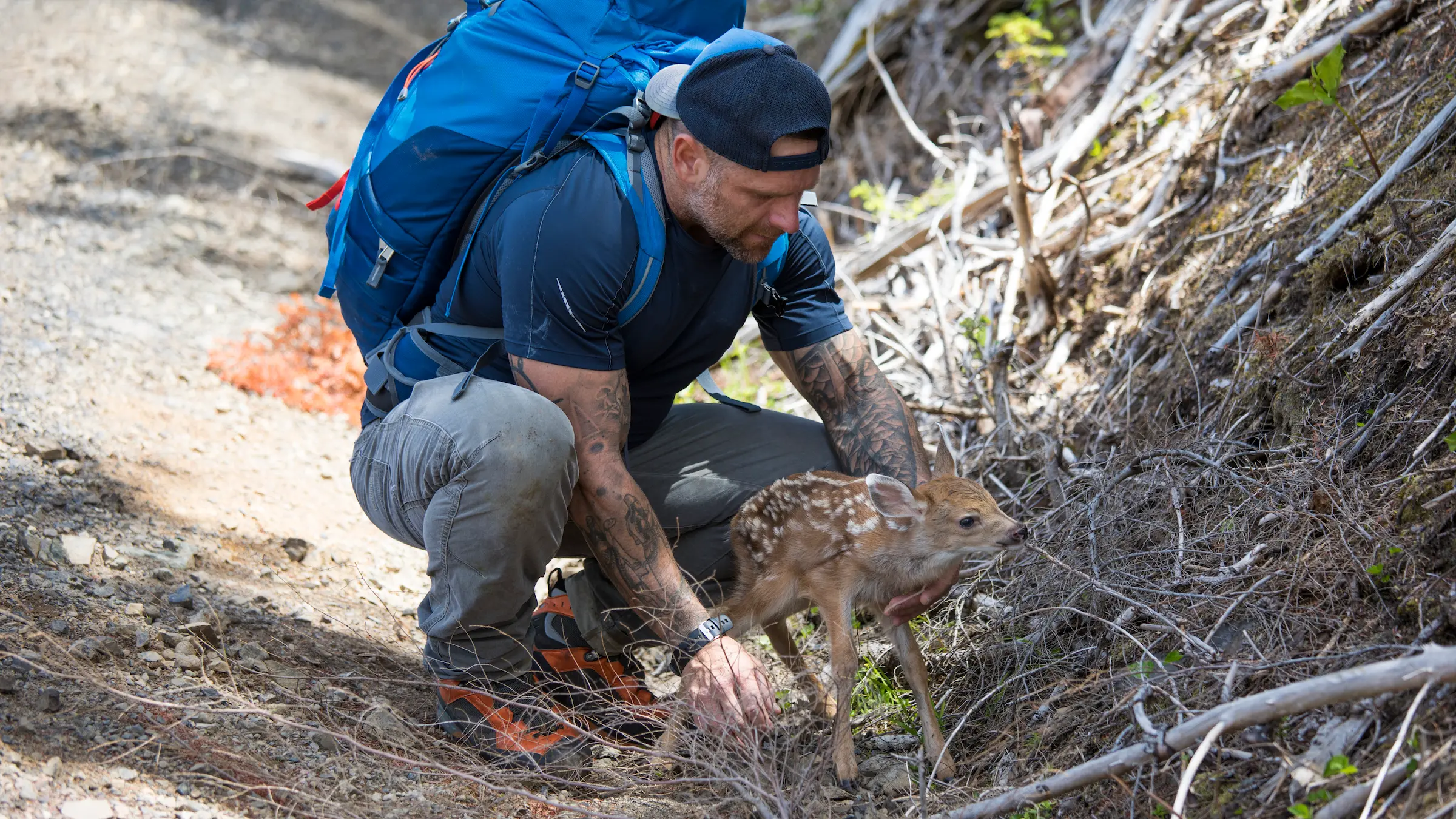
A deer that approaches hikers for snacks may eventually wander into campsites or parking areas. A raccoon that discovers human food might begin opening backpacks or rummaging through gear. What began as a friendly interaction gradually turns into a pattern of bold behavior.
These situations sometimes lead to animals being labeled as aggressive or problematic. In reality, the behavior developed because people encouraged it. Wildlife that loses its fear can face relocation or removal from the area, which is an unfortunate outcome for an animal simply responding to learned habits.
The Ripple Effect Across the Ecosystem
Wildlife feeding does not affect only one animal. The consequences often spread throughout the surrounding ecosystem. When certain animals gain easy access to human food, their population in that area can increase unnaturally.
For example, if squirrels begin gathering around popular trails because hikers feed them, their numbers may grow beyond what the environment naturally supports. This can reduce available resources for other species that rely on the same food sources. Plants, insects, and birds may all feel the impact.
Predators may also follow these patterns. When prey animals cluster near campsites or picnic areas, predators sometimes appear nearby as well. That creates additional risks and further alters the natural balance that normally keeps wildlife populations stable.
Close Encounters Can Become Dangerous
Many hikers enjoy spotting animals during a mountain trip. Watching a marmot sunning itself on a rock or a bird gliding through the trees adds something special to the journey. Feeding wildlife, however, often pushes those encounters into risky territory.
Animals that expect food may approach closely and become persistent. A curious animal can quickly become demanding when it smells something appealing in a backpack. Some species may nip, scratch, or grab food directly from a person’s hands.
These encounters are rarely the animal’s fault. Wildlife acts according to instinct, especially when food is involved. When people introduce snacks into the situation, they unintentionally create the conditions that lead to conflict.
Habituation Leads To Long-Term Problems
Habituation occurs when animals grow accustomed to human presence and stop viewing people as threats. Feeding wildlife accelerates this process dramatically. Once animals begin expecting food, they spend more time around trails, campsites, and picnic areas.
In national parks and mountain reserves around the world, habituated animals sometimes become persistent scavengers. Bears, foxes, and raccoons are well known for this behavior. They search backpacks, coolers, and trash bins because they have learned that humans often carry food.
Sadly, wildlife that becomes too comfortable around humans often faces severe consequences. Park authorities sometimes relocate these animals or, in extreme cases, remove them entirely. The original act of feeding may have seemed kind, but it can ultimately harm the animal’s chances of survival.
Natural Diets Keep Wildlife Healthy
Wild animals thrive when they follow their natural diet. Birds rely on seeds, insects, and berries found within their habitat. Small mammals gather nuts, plants, and fungi scattered throughout the forest floor. Larger animals follow seasonal patterns that guide them toward fresh vegetation or prey.
These diets evolved over thousands of years and support the health of entire ecosystems. Each species plays a role in spreading seeds, controlling insect populations, or maintaining balance within the food chain. Interrupting those patterns with human snacks changes more than just one animal’s routine.
When wildlife depends on natural food sources, it remains active and alert. Animals explore their environment, forage widely, and maintain the instincts needed to survive. Those behaviors keep ecosystems functioning in ways that hikers often overlook.
Responsible Hiking Protects Wildlife
One of the simplest ways to protect wildlife is to keep food securely stored. Snacks should stay inside backpacks or sealed containers rather than sitting openly on rocks or picnic tables. Even small crumbs can attract animals that begin associating hikers with easy meals.
Maintaining distance also plays an important role. Observing animals from afar allows them to behave naturally without feeling pressured to approach. A quiet moment watching wildlife in its habitat can be far more rewarding than an interaction shaped by food.
Trail etiquette often includes the principle of leaving no trace. That idea extends beyond litter and campsite care. It also means leaving wildlife exactly as it was found, without introducing food or altering its behavior.
Appreciating Wildlife Without Interfering
Watching wildlife in the mountains can feel like stepping into another world. The forest moves at its own rhythm, and animals appear briefly before disappearing into the trees. Those moments are meaningful precisely because they remain wild and unpredictable.
Offering food changes that relationship. The encounter becomes transactional rather than natural, with the animal approaching only because it expects a reward. The quiet magic of observing wildlife fades when the interaction revolves around snacks.
Allowing animals to remain truly wild preserves the authenticity of the experience. Seeing a creature move confidently through its environment, completely uninterested in human food, reminds me that the mountains belong to something larger than the people walking through them.
A Small Choice With Big Impact
It takes only a few seconds to toss a crumb or extend a handful of trail mix toward a curious animal. The gesture may seem insignificant, but its effects can linger long after the hike ends. Wildlife learns quickly, and those lessons spread through repeated interactions with other visitors.
Refusing to feed animals may feel disappointing in the moment, especially when a creature appears friendly or hungry. Still, that restraint protects the animal’s independence and health. The mountains function best when wildlife remains self-reliant and free from human influence.
Every hiker contributes to the environment they travel through. Choosing not to feed wildlife supports the balance that keeps forests, mountains, and valleys thriving. Respecting that balance allows future visitors to experience the same sense of wonder that draws people into the wilderness in the first place.
