

The Trail That Looked Harmless at First
The trailhead didn’t look intimidating. It was quiet, almost peaceful, tucked beneath tall pines and jagged cliffs that framed the mountain like a painting. A narrow path slipped into the forest, barely noticeable unless someone was looking for it. That subtle entrance gave no hint of the long, punishing climb that waited ahead.
Morning air carried the cool scent of damp earth and pine needles. A few birds moved through the canopy, and the early light filtered through the branches in soft beams. It felt calm enough to make anyone believe the hike would be manageable, even pleasant. Confidence came easily in that moment, and the mountain seemed almost welcoming.
The map suggested a long but straightforward route. The distance alone didn’t seem alarming, but elevation gain told another story. Several sections climbed sharply along exposed ridges, and weather in the area changed quickly. Those details felt distant at the time, buried beneath the excitement of stepping onto a trail that promised adventure.
A Steep Climb Into Unpredictable Terrain
The gentle forest path ended faster than expected. Soon the trail tilted upward at a relentless angle, forcing slow and steady steps across loose rocks and roots. Each turn revealed another steep section climbing higher into rougher terrain.
Wind began to move through the ridges above, pushing clouds across the sky in uneven streaks. The mountain shifted from peaceful to serious in a matter of minutes. The quiet forest gave way to rocky slopes where the path narrowed and the drop-offs became visible.
Footing demanded constant attention. Small stones rolled under boots, and sections of the trail disappeared into patches of gravel. Balance became as important as endurance, especially where the path traced along steep slopes that offered little room for mistakes.
Progress slowed naturally as the altitude increased. Breathing became heavier and the legs started to feel the weight of the climb. Still, the mountain pulled forward with a strange sense of determination, making every step feel like part of a challenge that couldn’t be ignored.
Narrow Ridges That Tested Every Step
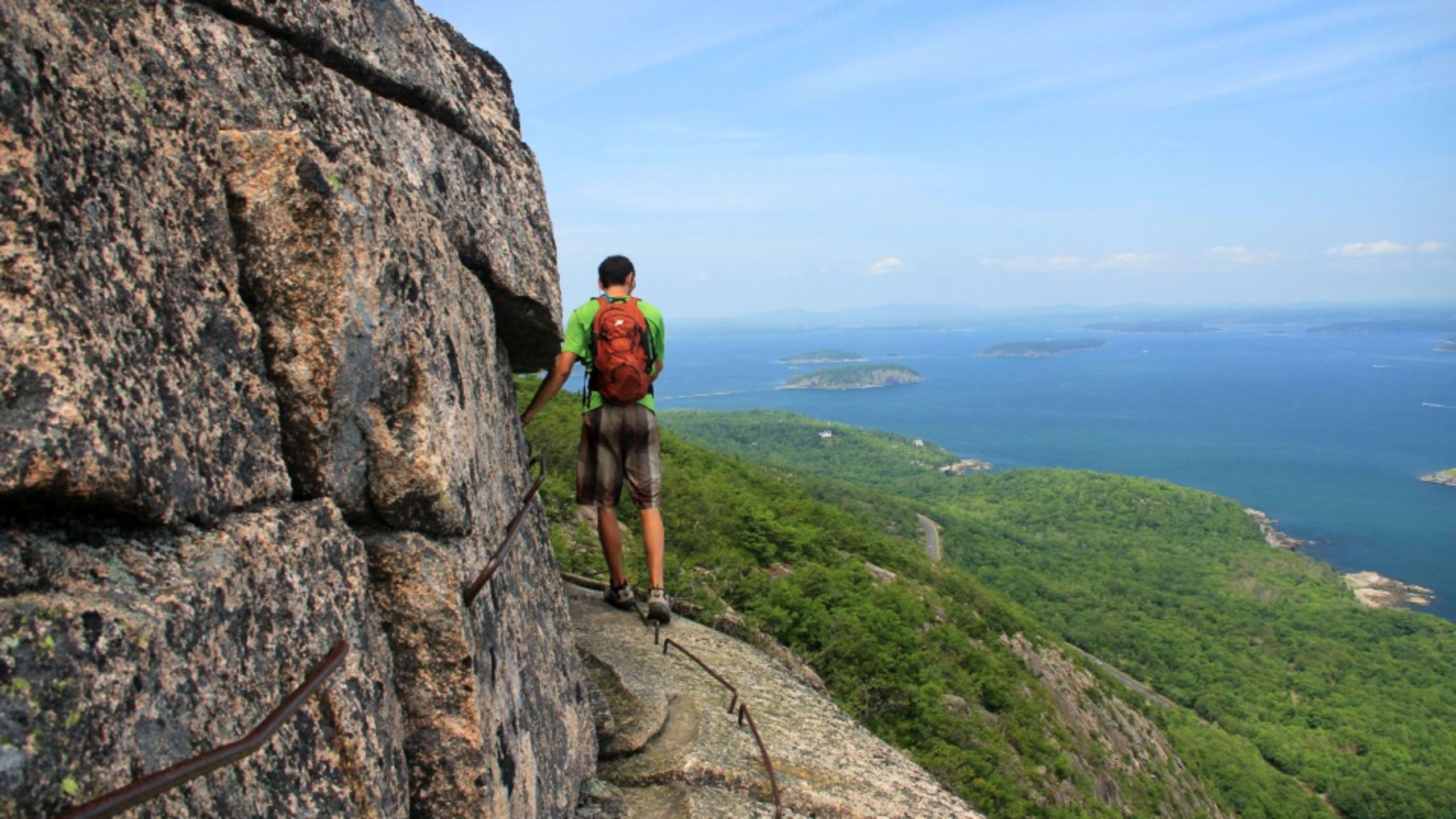
The most dangerous stretch appeared halfway through the hike. The trail narrowed to a thin ridge carved between two steep drops, leaving only a foot or two of space for careful movement. Loose rock scattered across the surface, forcing slow and deliberate steps.
Wind swept across the ridge with surprising strength. Each gust pushed against the body just enough to demand a wider stance and a steady focus on balance. A misstep in that area would not be forgiving, and the mountain made that clear with every exposed slope on either side.
Movement became quiet and controlled. Each step landed cautiously, testing the ground before shifting weight forward. The ridge required patience more than speed, and the slow rhythm of careful walking became the only way forward.
That stretch felt longer than it actually was. The mind paid attention to every detail—the texture of the rock, the sound of wind across the ridge, and the steady beat of a racing heart. Relief came gradually as the trail widened again and the steep drops faded behind.
Weather That Changed Without Warning
Mountains rarely keep the same mood for long. Clouds gathered faster than expected, drifting across the peaks in thick gray waves that darkened the sky. What had been a bright morning slowly turned into a cold and shadowy afternoon.
Temperature dropped quickly once the sun disappeared. The wind carried a chill that cut through layers of clothing, making every pause feel colder than the last. That shift added urgency to the climb, pushing the pace slightly faster despite tired legs.
Mist crept into the higher slopes, blurring distant ridges and swallowing sections of the trail ahead. Visibility shrank enough to make navigation more difficult, especially across rocky terrain where the path blended with the surrounding ground.
Moments like that forced full awareness of the mountain’s power. Nature didn’t care about plans or schedules. The trail demanded respect, patience, and steady focus with every step toward higher ground.
The Final Ascent That Drained Every Ounce Of Energy
The last section of the hike was the most physically demanding. The trail rose sharply through a field of jagged rocks, creating a scramble that required both hands and feet. Each move demanded strength and careful placement to avoid slipping.
Fatigue made the climb heavier with every step. Muscles burned from hours of steady effort, and the thin mountain air slowed breathing. Even short pauses felt necessary just to recover enough energy to continue upward.
Despite the exhaustion, the summit drew closer with every careful move. The wind carried colder air across the rocks, and the view slowly expanded as the trail gained elevation. That growing horizon offered motivation stronger than fatigue.
The final steps toward the top required one last push. Boots scraped against rough stone while hands reached for stable holds in the rock. It wasn’t graceful, but it was determined, and that determination finally led to the summit.
Standing At The Top After The Hardest Climb
The summit felt quiet in a way that only mountain peaks can offer. Clouds moved slowly below the ridges, revealing distant valleys that stretched far beyond the horizon. Wind carried the sharp scent of stone and cold air across the open peak.
Every direction held a different view of the surrounding landscape. Jagged ridges rolled across the distance like waves frozen in time, while forests spread across the lower slopes in deep green layers. The scale of the scenery made the long climb feel worthwhile.
Exhaustion mixed with satisfaction in that moment. Legs trembled slightly from effort, but the view erased much of the fatigue. Standing on the summit created a sense of calm that only comes after pushing through something difficult.
The mountain had offered a challenge that demanded patience, endurance, and focus. Reaching the top wasn’t just about finishing the trail. It was about proving that determination could carry someone through terrain that once seemed intimidating.
The Descent That Required Just As Much Focus
Reaching the summit didn’t mean the danger was over. The descent required as much attention as the climb, especially across loose rocks and narrow ridges that looked even steeper on the way down. Gravity made each step slightly more unpredictable.
Careful footing became essential again. Small stones shifted easily beneath boots, and momentum needed constant control. Rushing down the trail would only increase the risk of a fall, so the pace remained slow and deliberate.
Wind still moved across the exposed ridges, adding another layer of caution. The narrow sections that felt tense during the climb demanded equal concentration on the return. Balance and patience guided every step across those fragile stretches of trail.
Gradually the steep terrain gave way to the forest once again. Trees offered shelter from the wind, and the ground softened beneath layers of soil and leaves. The trail that once climbed sharply now felt almost welcoming as it led back toward the starting point.
Lessons That Only Dangerous Trails Can Teach
That hike changed the way mountains are viewed. Trails that appear simple on a map can reveal challenges that test both physical strength and mental focus. Mountains reward preparation, patience, and respect more than confidence alone.
Every difficult stretch taught something valuable. Balance mattered just as much as endurance, and attention to weather could shape the entire experience. Those lessons stayed long after leaving the trail behind.
Dangerous hikes often reveal how small people are compared to the landscapes around them. Standing among towering peaks and powerful winds brings a clear reminder that nature sets the rules. Accepting that reality helps create safer and more meaningful adventures.
Those lessons extend far beyond one hike. They shape the way every future trail is approached, encouraging careful planning and a deeper appreciation for the mountains.
Why I Would Do The Hike Again Without Hesitation
Despite the danger, that trail remains one of the most rewarding hikes ever completed. Difficult terrain created moments of tension, but it also delivered unforgettable views and experiences that safer paths rarely offer.
The memory of standing on that summit still carries a powerful sense of accomplishment. Few experiences compare to reaching a place that required determination and patience to achieve. The mountain gave far more than it demanded.
Danger doesn’t always mean something should be avoided. Sometimes it simply means the experience requires respect, preparation, and awareness. With those elements in place, challenging hikes become opportunities to grow stronger and more confident.
That trail will likely call again someday. The ridges, the wind, and the long climb remain vivid in memory, and the thought of returning brings a quiet excitement. Some mountains leave a mark that never fades, and this one will always be worth the climb again.
