

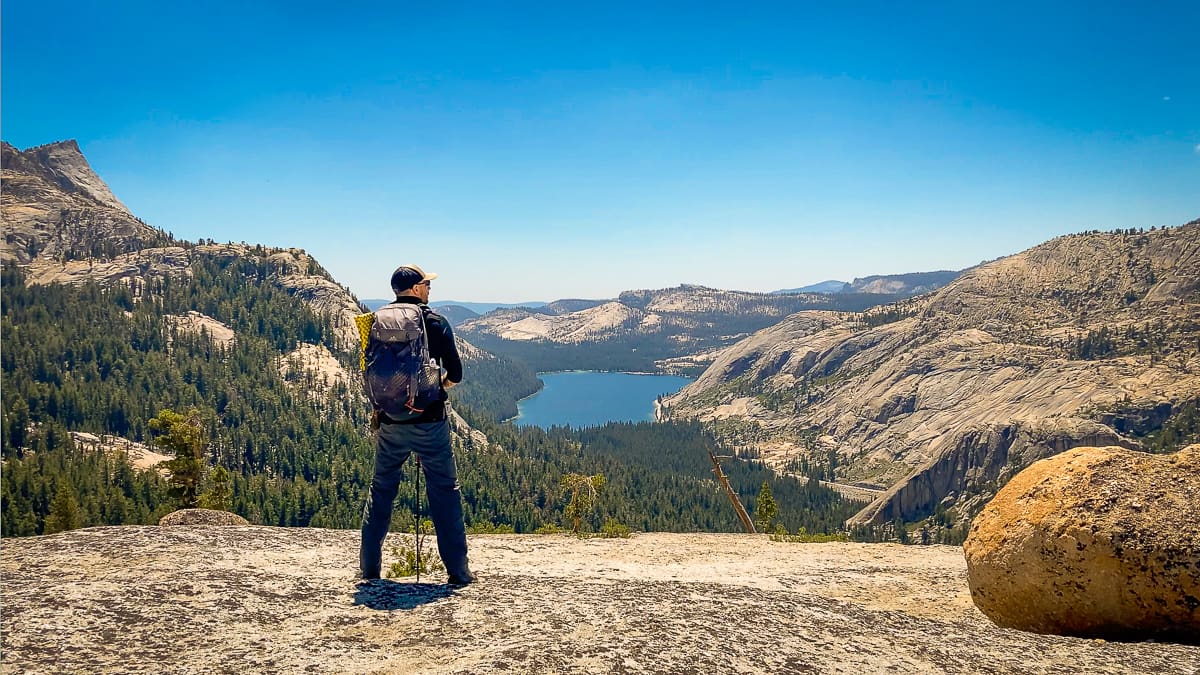
The plan sounded simple on paper: pack light, follow a quiet mountain trail, camp beneath the stars, and return the next day feeling stronger and more confident. I had spent weeks reading about solo hiking and backcountry camping, studying gear lists and route maps. Confidence slowly built in my mind until the trip felt less like a challenge and more like a personal milestone waiting to happen.
Reality unfolded very differently.
That first solo backcountry trip delivered more lessons than any guidebook ever could. Nearly everything that could go wrong managed to do exactly that, sometimes in ways I never anticipated. The mountains have a way of exposing every small mistake, every assumption, and every moment of overconfidence.
Looking back now, the experience was chaotic, uncomfortable, and occasionally frightening. At the same time, it became one of the most valuable outdoor lessons I have ever had.
The Excitement That Hid My Inexperience
The excitement leading up to the trip made it easy to overlook gaps in preparation. Packing felt like part of the adventure, and every item going into the backpack symbolized progress toward independence on the trail. The pack looked impressive once everything was inside: tent, sleeping bag, stove, food, water filter, and extra clothing.
What I did not realize was that enthusiasm can easily mask inexperience. My pack ended up far heavier than it needed to be because I packed several items “just in case.” At the same time, a few critical pieces of gear were either forgotten or poorly tested before leaving home.
The trailhead parking lot still held the quiet of early morning when I started hiking. Sunlight filtered through tall trees and the mountain air carried a cool, crisp edge. With the trail stretching ahead and no one else around, the adventure finally felt real.
A Backpack That Felt Twice As Heavy
The first mile felt comfortable enough. My legs moved easily and the scenery distracted me from the weight on my shoulders. A creek ran beside parts of the trail, and the sound of water over rocks made the hike feel peaceful.
The second mile told a different story.
The backpack began digging into my shoulders and hips, and the straps needed constant adjustment. What had seemed manageable at the trailhead slowly transformed into a heavy burden that forced me to stop more often than expected. Each break revealed another small issue: straps rubbing, sweat building under the pack, and energy draining faster than planned.
Those early miles taught an important lesson. A backpack that feels fine for five minutes in a parking lot can become a completely different challenge after several hours on a mountain trail.
Navigation Mistakes That Cost Me Time
The trail map looked straightforward during my planning session at home. A single trail would lead up a ridge before branching toward a small alpine meadow where I intended to camp. That route appeared simple enough that I did not give much thought to navigation once the hike began.
Halfway up the ridge, the trail quietly split in two directions.
The junction marker had fallen over and partially disappeared under leaves. Without noticing the sign, I followed the path that seemed most obvious. The trail gradually became narrower and less traveled, but I convinced myself it was simply a quieter section of the route.
Nearly an hour passed before the truth became obvious. The trail ended near a steep slope with no sign of the meadow or campsite I expected to find. Pulling out the map confirmed the mistake and forced me to retrace nearly two miles of hiking.
That detour drained valuable daylight and energy, both of which would become more important later in the trip.
Weather That Shifted Without Warning
Mountain weather can transform quickly, and that afternoon proved exactly why experienced hikers treat forecasts cautiously. The sky had been clear throughout most of the hike, but thin clouds slowly gathered along the horizon.
The wind arrived first.
A steady breeze moved through the trees, followed by cooler air that hinted at something more serious approaching. By the time I reached the correct trail again, darker clouds had spread across the sky and distant thunder rolled through the mountains.
Rain started soon after.
Within minutes the trail turned slick, rocks became slippery, and the temperature dropped noticeably. I had packed rain gear, but pulling it out in the middle of the downpour proved awkward and slow. Everything in the pack felt disorganized, and the storm turned a simple task into a frustrating struggle.
The Campsite Search That Took Too Long
The plan was to reach the alpine meadow well before sunset, giving plenty of time to set up camp and cook dinner. The navigation mistake and storm had already delayed things significantly, and daylight began fading faster than expected.
Finding the meadow took longer than planned because the trail markers became difficult to see in the dim light. Several times I wandered down small side paths that ended abruptly in thick brush. Each wrong turn increased the pressure to locate a suitable campsite before darkness settled over the mountain.
Eventually the meadow appeared through the trees.
Relief washed over me, but the next challenge immediately presented itself. Much of the ground was uneven or damp from the storm, and selecting a proper tent spot required careful inspection. With fading light and tired legs, even small decisions began to feel more difficult.
Tent Troubles In The Wind
Setting up a tent at home in calm conditions had always felt easy. The instructions were simple, and the process rarely took more than a few minutes. On the mountain, things became far more complicated.
The wind swept across the meadow and tugged at every piece of fabric. Tent poles slipped from my hands more than once, and the rain-soaked ground made staking the corners harder than expected. Several attempts ended with the tent partially collapsing before it could stand properly.
Frustration built quickly.
The process that should have taken ten minutes stretched closer to half an hour. By the time the tent finally stood upright, my hands were cold and my patience nearly gone. Still, seeing that small shelter standing against the evening wind brought a sense of accomplishment.
A Dinner That Nearly Failed
Hunger became impossible to ignore after the long hike and stressful campsite setup. Cooking dinner seemed like the perfect way to relax and recover from the day’s challenges.
The stove had other ideas.
The small canister stove refused to ignite at first, and I realized I had never actually tested it outdoors before the trip. Moisture from the rain likely contributed to the problem, but the exact cause remained unclear. Several attempts produced nothing more than faint clicks from the igniter.
Eventually a match solved the problem, though the process felt far less smooth than expected. The simple dehydrated meal finally heated inside the small pot while the wind rattled the tent nearby.
That meal tasted better than almost any restaurant dinner I can remember. Exhaustion, hunger, and relief combined to make it unforgettable.
A Long And Uneasy Night
Darkness in the backcountry carries a different weight than darkness in a city. Without streetlights or distant buildings, the forest becomes deeper and more mysterious once the sun disappears.
Every sound seemed amplified.
Branches cracked in the distance, wind brushed through tall grass, and the occasional rustle near the tent stirred my imagination. None of the noises likely posed any real danger, but lying alone in the wilderness allowed small sounds to grow into large concerns.
Sleep came slowly.
The ground felt harder than expected, and every shift in position caused the sleeping pad to crinkle loudly. Between the unfamiliar environment and lingering tension from the day’s mistakes, rest arrived in short and restless intervals.
Morning Brought Relief And Perspective
Sunlight slowly brightened the meadow the following morning. The same landscape that had seemed intimidating during the night now appeared calm and welcoming.
The mountains looked beautiful again.
Mist hovered above the grass while birds moved between trees along the edge of the clearing. The storm had passed entirely, leaving cool, fresh air that carried the scent of wet earth and pine.
Sitting outside the tent with a warm drink allowed the entire experience to settle in my mind. Every mistake from the previous day replayed clearly, but the frustration had faded enough to reveal something more valuable.
The trip had been messy, uncomfortable, and occasionally stressful. At the same time, it had forced me to face the realities of traveling alone in the backcountry.
Lessons That Only Mistakes Can Teach
No amount of reading or preparation can fully replace experience in the mountains. The challenges from that trip revealed weaknesses in planning, packing, and decision-making that would have remained hidden during easier hikes.
The heavy backpack reminded me that every item carried on a mountain trail has a real cost in energy. The navigation mistake reinforced the importance of paying close attention to trail markers and terrain. The storm and campsite search highlighted how quickly conditions can change in remote areas.
Even the small frustrations, like struggling with the stove or pitching a tent in the wind, carried valuable lessons.
Mistakes often feel discouraging in the moment, but they also provide the clearest path toward improvement. Each problem forced me to adapt, think more carefully, and approach the outdoors with greater respect.
Why That Trip Still Matters
The first solo backcountry trip did not unfold the way I imagined. Instead of a smooth and confident adventure, it became a series of unexpected problems and uncomfortable moments.
Yet those challenges made the experience far more meaningful.
The mountains did not punish mistakes out of cruelty. They simply revealed the difference between theory and reality. Every wrong turn, heavy step, and restless night became part of a larger learning process.
Later trips felt easier because of that difficult beginning. Packing improved, navigation skills sharpened, and confidence grew from genuine experience rather than simple optimism.
Looking back now, the memory of that chaotic adventure brings a quiet sense of gratitude. Everything that went wrong ended up teaching exactly what I needed to know before heading deeper into the wilderness again.
