

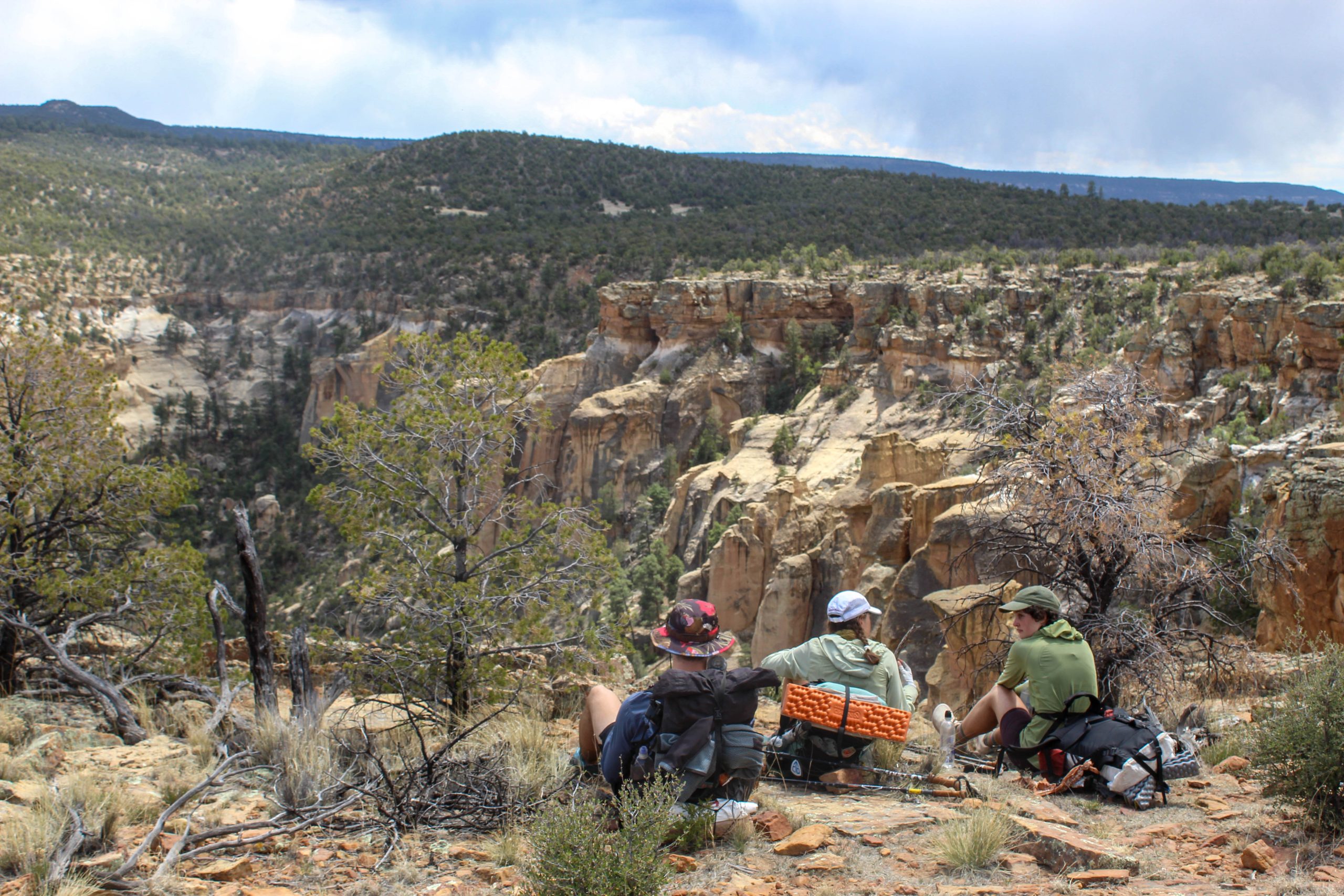
Miles of remote trail and untouched wilderness stretch across the mountains and forests of North America. Spending time in these places brings quiet, freedom, and the kind of beauty that only wild landscapes can offer. At the same time, the backcountry belongs to the animals that live there, and some of them demand serious respect.
Years on mountain trails have shown me that danger rarely comes from aggressive behavior alone. Many wildlife encounters happen because a person accidentally surprises an animal, wanders too close, or fails to recognize warning signs. Knowing which animals pose the greatest risk helps prevent those situations from escalating into something serious.
North American wilderness contains a wide variety of wildlife, but only a handful of species consistently cause serious injuries to hikers, campers, and hunters. Some are predators capable of attacking humans, while others are massive herbivores that can become extremely defensive. Preparation, awareness, and a calm mindset can make the difference between a safe encounter and a dangerous one.
Grizzly Bears: Power And Territorial Instincts
Few animals command as much respect in the wilderness as the grizzly bear. These massive bears can weigh over 600 pounds and possess incredible strength, speed, and endurance. Seeing one in the wild is unforgettable, but it also signals the need for immediate caution.
Grizzlies typically avoid humans, but they are highly protective of cubs and food sources. Many attacks occur when hikers accidentally surprise a bear at close range or unknowingly approach a carcass the bear is guarding. Thick brush, noisy streams, and blind corners on mountain trails can make surprise encounters more likely.
Bear spray has become one of the most effective tools for preventing serious incidents. I always carry it in grizzly country and keep it within easy reach, not buried inside a backpack. Making noise while hiking, traveling in groups, and storing food properly around camp greatly reduce the chances of a dangerous interaction.
Black Bears: Common But Still Dangerous
Black bears live across much of North America, including forests, mountains, and even areas close to towns. They are generally smaller than grizzlies and tend to avoid people more readily. Still, under the wrong circumstances, they can become dangerous.
Food conditioning is one of the biggest problems with black bears. Bears that learn to associate humans with food lose their natural caution and may approach campsites, backpacks, or even hikers directly. Improper food storage is often the root cause of these encounters.
In black bear country, I stay alert around berry patches, streams full of spawning fish, and heavily wooded areas where visibility is limited. Hanging food, using bear canisters, and maintaining a clean campsite go a long way toward keeping both humans and bears safe.
Mountain Lions: Silent Predators Of The Hills
Mountain lions move through the wilderness with almost ghostlike stealth. These powerful cats can live surprisingly close to human activity without ever being seen. Their ability to remain hidden makes them one of the most fascinating predators in North American backcountry.
Attacks on humans are rare, but they do happen. Mountain lions are ambush predators that rely on stealth and timing. Small children, solo hikers, and runners moving quickly along trails can sometimes trigger a predatory response.
Eye contact and body posture matter during a lion encounter. Standing tall, maintaining eye contact, and appearing larger can discourage an attack. Backing away slowly while facing the animal helps create distance without triggering a chase instinct.
Wolves: Coordinated Hunters Of Remote Landscapes
Wolves inspire both admiration and fear in the wilderness. Their intelligence, social structure, and communication make them one of the most complex predators in North America. Packs move across huge territories that often include remote mountains and forests.
Human attacks by wolves are extremely rare, but they remain powerful predators capable of taking down large animals like elk and moose. A healthy wolf pack typically avoids people and keeps its distance.
Encounters usually involve wolves observing from afar rather than approaching directly. If one does come close, maintaining eye contact, making noise, and standing your ground usually causes the animal to retreat. Wolves rely on assessing risk carefully, and a confident human presence often discourages them.
Moose: Massive Animals With A Short Temper
Moose may not be predators, but they cause more injuries in parts of North America than bears do. Their enormous size and unpredictable temperament make them one of the most dangerous animals a person can encounter in the wilderness.
A mature bull moose can weigh over 1,200 pounds and stand taller than many horses. During the fall rut, males become extremely aggressive as they compete for mates. Cows with calves can also react violently if they perceive a threat.
Wide berth and constant awareness are essential around moose habitat. Dense willow thickets, marshy areas, and river valleys often hold moose that may not be visible until someone is very close. Backing away slowly and placing trees or terrain between yourself and the animal can prevent a charge.
Bison: Quiet Strength That Can Turn Explosive
Bison appear calm and slow-moving, which often leads visitors to underestimate them. In reality, they are capable of explosive speed and can outrun a human easily over short distances. Their massive heads and horns make them extremely dangerous if provoked.
Many incidents occur in national parks where people approach too closely for photographs. Bison may tolerate distant observers but react quickly when their personal space is invaded.
Keeping at least several dozen yards of distance helps avoid triggering defensive behavior. Watching for signs like pawing the ground, snorting, or lowering the head provides an early warning that the animal is becoming agitated.
Rattlesnakes: Hidden Threats Along Rocky Trails
Not every dangerous animal in the backcountry is large or obvious. Rattlesnakes blend almost perfectly with rocky terrain, desert trails, and dry grasslands. Their camouflage allows them to remain nearly invisible until someone steps too close.
Most rattlesnakes give warning before striking. The distinctive rattle is meant to alert larger animals that they are approaching too closely. Unfortunately, hikers sometimes step within striking distance before hearing that warning.
Careful foot placement makes a big difference in rattlesnake territory. Stepping onto logs instead of over them and watching where hands go while scrambling over rocks can prevent painful and potentially serious bites.
Coyotes: Opportunistic And Increasingly Bold
Coyotes have adapted to nearly every environment in North America, from remote wilderness to suburban neighborhoods. Their intelligence and flexibility allow them to survive where many other predators struggle.
Most coyotes remain wary of people, but some become bold in areas where they regularly find food near campsites or communities. Lone hikers with small pets or food scraps can attract unwanted attention.
Making noise and maintaining a confident presence usually discourages coyotes from lingering nearby. Allowing them to associate humans with food creates the conditions that lead to problematic behavior.
Small Creatures That Cause Big Problems
Danger in the wilderness does not always come from animals that can be seen easily. Tiny creatures like ticks and certain insects can carry diseases that cause long-term health problems. In some cases, the smallest wildlife in the forest presents the most persistent risks.
Ticks that carry Lyme disease thrive in wooded areas with tall grass and dense vegetation. Spending time on trails without protective clothing increases the chances of picking one up without noticing.
Regular tick checks at camp or after returning from a hike have become part of my routine. Wearing long sleeves, using insect repellent, and staying on established trails can greatly reduce exposure.
Respect For Wildlife Keeps Encounters Safe
Time in the backcountry brings people into the territory of animals that have lived there for generations. Most dangerous encounters happen not because wildlife seeks conflict, but because humans unknowingly violate an animal’s sense of safety or space.
Maintaining awareness of surroundings is one of the most valuable habits a hiker can develop. Listening for movement, watching for tracks or scat, and paying attention to terrain helps detect animals before getting too close. Early awareness provides time to react calmly rather than suddenly finding yourself in a tense situation.
Food storage, noise on the trail, and respectful distance all play important roles in reducing risk. Animals that remain wild and cautious of humans are far less likely to become aggressive.
The backcountry will always carry a measure of danger. That reality is part of what makes wild places feel so raw and authentic. With knowledge, respect, and preparation, sharing the landscape with North America’s most powerful animals becomes not only safer but deeply rewarding.
