

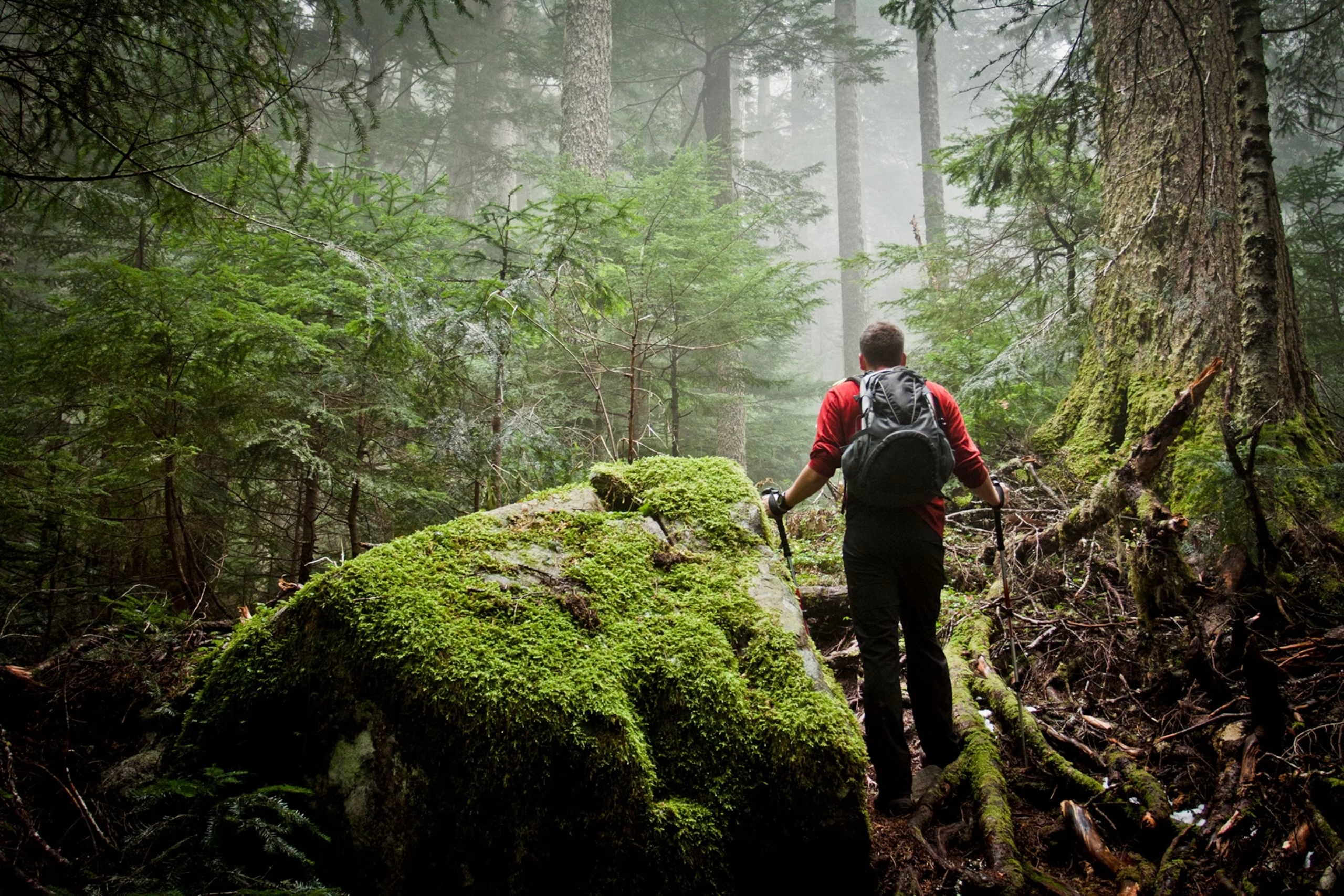
The forest changes quickly when daylight fades. Colors flatten, shadows stretch across the ground, and familiar shapes begin to look unfamiliar. One moment the trail feels obvious beneath my boots, and the next it dissolves into a confusing web of rocks, leaves, and animal paths. Standing in that quiet shift between daylight and darkness forces a hiker to make calm decisions quickly.
Getting lost near dusk is one of the most unsettling situations on a hike. The fading light compresses time and adds pressure to every choice. Still, panic never helps. Staying calm and thinking clearly can turn a potentially dangerous moment into a manageable problem.
Over the years I have found that a disappearing trail is rarely the end of the hike. It simply means the situation has changed and requires patience, observation, and careful action. The woods offer clues if I slow down enough to notice them.
The Moment I Realize The Trail Is Gone
The first signal usually appears subtly. The ground stops showing the compacted soil or worn path that hikers leave behind. Instead of a clear line through the trees, the terrain becomes scattered with rocks, fallen branches, and thick undergrowth.
My first instinct is always to pause. Walking forward blindly tends to make things worse, especially in fading light. A few extra steps in the wrong direction can place me much farther from the trail than I realize.
Standing still for a moment allows my senses to reset. I listen to the wind through the trees and look carefully at the terrain around me. That pause prevents rushed decisions and gives my mind time to organize the situation instead of reacting emotionally.
Stopping Before Panic Takes Over
Fear grows quickly once the idea of being lost enters my mind. The woods feel larger, darker, and far less friendly. That reaction is natural, but allowing it to guide my actions can lead to bigger problems.
Taking a slow breath helps reset my thinking. I remind myself that most hiking trails do not simply vanish forever. Usually the trail has turned, become faint, or been covered by debris.
Remaining calm helps me remember the last clear point I passed. Replaying the previous few minutes of walking in my mind often reveals clues about where I drifted off course. That mental rewind becomes one of the most useful tools in the moment.
Retracing My Last Clear Steps
Moving backward is often the smartest decision. Instead of wandering deeper into unknown terrain, I carefully return toward the last place where the trail was obvious. That spot becomes a reference point that anchors the situation.
I look for footprints, disturbed soil, broken twigs, or flattened grass that might mark where I walked. Even subtle signs can guide me back to the original path. Dusk makes these details harder to see, but patience helps them stand out.
This slow backtracking also buys valuable time. By moving deliberately instead of rushing ahead, I reduce the chance of getting farther lost while darkness continues to settle over the forest.
Reading The Landscape For Clues
Trails often follow logical routes through the terrain. They may contour along hillsides, follow valleys, or avoid steep obstacles. Thinking about how trail builders usually design paths can help narrow down where the trail might continue.
I study the slope of the land and the natural direction of travel. A trail rarely goes straight through thick brush or climbs directly up a steep rocky face. Looking for the path of least resistance often reveals where the trail resumes.
The surrounding environment can also reveal subtle hints. Small rock cairns, faint cut marks on trees, or slightly compacted ground may indicate where hikers commonly pass through. Those clues appear easier to notice once I stop moving and start observing carefully.
Using Light Wisely As Evening Falls
Dusk transforms the forest quickly. Shadows hide details on the ground and make it harder to see the trail surface. Carrying a headlamp or flashlight becomes essential during late hikes for exactly this reason.
Turning on a light before complete darkness arrives helps preserve visibility. A beam of light angled across the ground often highlights footprints or subtle depressions in the soil. These details might remain invisible without artificial light.
Managing battery life becomes important as well. I avoid leaving the light on unnecessarily while standing still. Conserving power ensures I will have reliable illumination if the search for the trail takes longer than expected.
Marking My Position Before Exploring
If the trail still refuses to appear, I make sure to mark my current location. This can be as simple as placing a small stack of rocks, tying a bright bandana to a branch, or using a GPS waypoint on my phone or navigation device.
That marker creates a reliable reference point. If I decide to search in different directions, I always know how to return to where I started. Without a marker it becomes easy to wander in circles while believing I am exploring new ground.
Short, careful scouting trips in multiple directions can sometimes rediscover the trail. I move slowly and pay close attention to landmarks so that I can return easily to the original point if needed.
The Value Of Navigation Tools
Maps and navigation devices provide enormous confidence in uncertain moments. A topographic map shows nearby ridges, valleys, water sources, and trail intersections that may help orient my position.
A compass allows me to compare the terrain around me with the map’s features. Even without precise coordinates, matching the shape of the land to the map can narrow down where the trail should lie.
Smartphones with GPS apps add another layer of security. Many hiking apps display my location relative to nearby trails, even without cell service. That information can quickly confirm whether I am close to the path or drifting farther away.
Staying Put If Darkness Fully Arrives
Sometimes the trail remains hidden and night arrives completely. In that situation, continuing to wander through unfamiliar terrain becomes far riskier than staying in place.
Remaining where I am conserves energy and prevents further disorientation. It also increases the chances that someone searching for me could locate my position more easily. Moving randomly through the forest makes rescue far more complicated.
I focus on creating a comfortable temporary camp. Finding a dry place to sit, adding an extra layer of clothing, and preparing simple food helps maintain both warmth and morale. A calm mindset makes the night far easier to handle.
Listening To The Forest Around Me
Night hiking brings an entirely different sensory experience. Without daylight, sounds travel farther through the trees. Streams, distant roads, or even voices can reveal important information about nearby landmarks.
I take time to listen carefully to the environment. The sound of running water might indicate a creek marked on the map. Following that sound cautiously could lead to a known trail crossing or valley route.
Wildlife noises can also provide hints about terrain. Certain animals prefer specific habitats, and their calls sometimes reveal whether I am near open meadows, dense forest, or water sources.
Mental Strength During Uncertain Moments
Being lost, even temporarily, challenges confidence. Doubt creeps in easily once darkness settles around the trees. Maintaining a steady mindset becomes just as important as practical navigation skills.
I remind myself that many hikers experience moments like this and safely find their way again. Trails rarely disappear permanently; they simply hide until patience reveals them.
Small actions restore a sense of control. Checking gear, reviewing the map again, or preparing a warm drink all help shift focus away from worry and back toward practical solutions.
Lessons That Stay Long After The Hike
Moments like these leave lasting impressions. They highlight the importance of preparation and awareness during every hike. Carrying navigation tools, extra light sources, and emergency supplies becomes a habit rather than an afterthought.
Experience also changes how I pay attention to trails while hiking. I notice landmarks more carefully and mentally record important turns along the route. That awareness helps prevent confusion later in the day.
The forest has a way of humbling even experienced hikers. Trails that seem obvious in daylight can become invisible in fading light. Respecting that reality makes every future hike safer and more thoughtful.
Walking Back Onto The Trail
Few feelings compare to the moment the trail finally reappears beneath my boots. The faint line of packed soil, the familiar pattern of footprints, or the sight of a trail marker brings instant relief.
That moment transforms the entire experience. The forest suddenly feels navigable again, and the uncertainty fades. I often pause there for a moment just to absorb the relief and reflect on the situation.
Every time this happens, the lesson stays with me. Losing the trail at dusk does not mean the hike is over or that something has gone terribly wrong. It simply demands patience, careful thinking, and respect for the wilderness.
