

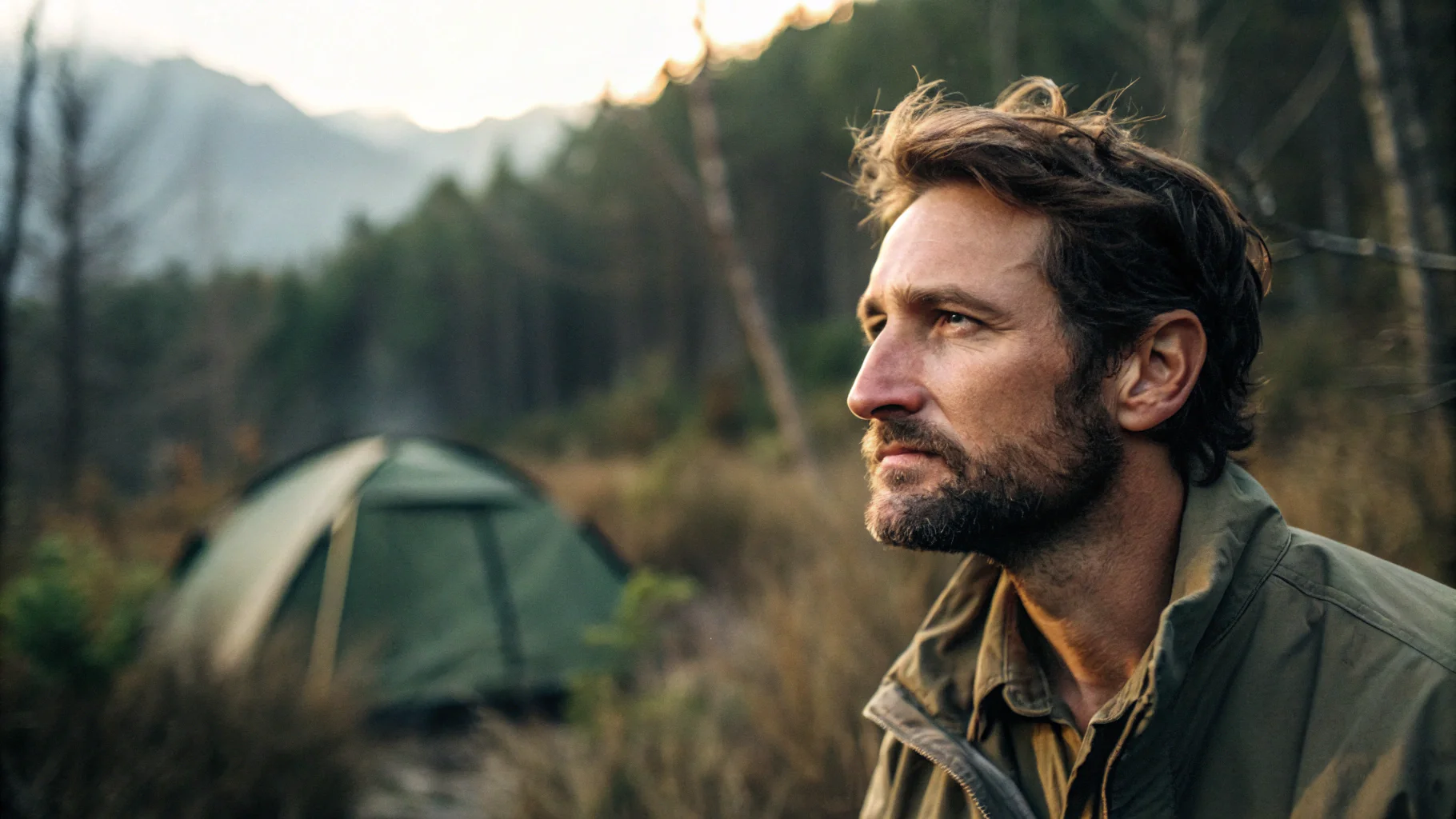
Hunger hits differently in the mountains. It doesn’t arrive politely like a skipped meal at home. Instead, it creeps in slowly, tightening its grip on both body and mind as the hours stretch into days. Anyone who spends enough time hiking or trekking remote trails eventually wonders the same question: how long could a person truly survive without food in the wild?
The answer isn’t as simple as a number of days. Survival without food depends on hydration, weather conditions, physical activity, body composition, and mental resilience. Time alone in rugged terrain reveals how quickly energy fades and how important it becomes to manage every ounce of strength. Food may not be immediately necessary for survival, but it becomes vital for endurance, clarity, and decision-making.
The Three-Week Survival Rule
A common guideline in wilderness survival is the “rule of threes.” It suggests that a person can survive roughly three minutes without air, three hours without shelter in harsh conditions, three days without water, and about three weeks without food. While this rule offers a rough framework, reality in the mountains rarely follows clean timelines.
The body can technically survive many days without eating because it begins using stored energy. Fat reserves and muscle tissue become fuel as metabolism slows down to conserve calories. During quiet conditions with access to water, some individuals have lasted several weeks without food.
However, survival does not mean functioning normally. Energy levels decline dramatically after the first few days. Hiking, navigating terrain, or maintaining body heat becomes significantly harder. In mountainous environments where physical effort is constant, the body burns energy much faster than it would at rest.
The First 24 Hours Without Food
The first day without food rarely feels like a survival situation. Most people have enough stored energy from previous meals to function normally for about twenty-four hours. Glycogen stored in the liver and muscles supplies the body with glucose during this time.
On a mountain trail, the first day usually feels like a long fast. Hunger waves come and go, but energy often remains fairly stable if hydration is maintained. Mental focus might still be sharp enough to navigate, set up shelter, or continue hiking.
Physical exertion begins to change the equation though. Climbing steep slopes or carrying a heavy pack drains glycogen quickly. By the end of the first day, fatigue often sets in earlier than expected. The body begins shifting toward burning fat for energy, which is a slower process.
Days Two and Three: Energy Decline
By the second and third days without food, the body begins adapting to the lack of calories. Fat becomes the primary fuel source, and metabolism gradually slows. Hunger can become intense during this phase, especially if the body is still expecting regular meals.
Movement in mountainous terrain becomes noticeably harder during these days. Muscles feel weaker, coordination declines, and simple tasks require more effort. Setting up camp, gathering firewood, or climbing ridges can feel like heavy labor.
Mental clarity may also start to fade. Decision-making becomes slower, and frustration builds easily. Many survival situations become dangerous during this stage because poor judgment can lead to risky choices or wasted energy.
After Several Days: The Body Switches Modes
Once the body fully transitions into a starvation state, hunger sometimes fades. That may sound surprising, but the body reduces signals that demand food as it attempts to conserve energy. Instead of sharp hunger pains, a dull fatigue often replaces them.
Fat reserves become the main fuel source during this period. People with higher body fat may survive longer because they have more stored energy to burn. The body also begins breaking down muscle tissue for protein, which weakens strength over time.
The mountains amplify this stress on the body. Cold temperatures force the body to burn extra calories to maintain warmth. High altitude can increase breathing and heart rate, which also consumes more energy. Even walking short distances may feel exhausting after several days without food.
Hydration Changes Everything
Water becomes far more critical than food during wilderness survival. A person can endure weeks without calories but only a few days without hydration. In mountain environments where streams and snowmelt are common, access to water can significantly extend survival time.
Proper hydration helps the body process stored energy more efficiently. It supports circulation, temperature regulation, and mental clarity. Without water, fatigue and confusion arrive quickly, making survival far more difficult.
Purifying water also becomes important in the wild. Drinking directly from streams may expose a person to parasites or bacteria. A simple filter, boiling method, or purification tablets can prevent illness that would worsen an already difficult situation.
Physical Activity and Calorie Burn
Mountains demand energy. Steep climbs, unstable terrain, and heavy gear increase calorie expenditure dramatically. A person hiking several miles in rugged terrain may burn thousands of calories in a single day.
Without food, the body begins rationing energy. Muscles feel heavy, and pace slows naturally. The body attempts to conserve strength by encouraging rest and limiting unnecessary movement.
Smart survival strategy often involves reducing physical effort whenever possible. Instead of wandering long distances looking for food, staying near water, shelter, and visible terrain may increase the chances of rescue while preserving energy.
The Mental Battle Against Hunger
The psychological side of hunger often becomes harder than the physical side. Food dominates thoughts after several days without eating. Simple smells or memories of meals can become distracting and frustrating.
Morale plays a huge role in wilderness survival. A person who remains calm and focused tends to make better decisions than someone overwhelmed by panic or desperation. Hunger can cloud judgment, making risky ideas seem appealing.
Maintaining a clear routine helps counter this mental strain. Gathering water, reinforcing shelter, conserving warmth, and monitoring surroundings provide structure and purpose. Small tasks keep the mind engaged and prevent spiraling thoughts about food.
Body Fat and Individual Differences
Every person’s survival timeline without food differs. Body composition plays a large role in how long someone can last. Individuals with more body fat generally have larger energy reserves to draw from.
Age, metabolism, and overall health also influence survival duration. A well-conditioned hiker might handle several days without food better than someone with medical conditions or limited physical fitness.
Even mindset affects endurance. Determination and emotional resilience can push someone to survive longer than expected. Many wilderness survival stories highlight how mental toughness helped people endure conditions that seemed impossible at first.
Small Sources of Wild Nutrition
Although survival without food is possible for a time, even small amounts of nutrition can boost energy and morale. The wilderness offers occasional opportunities for simple food sources if someone has knowledge and patience.
Edible plants, berries, and insects can provide modest calories. In mountainous regions, certain wild greens or roots may be safe to eat if properly identified. Insects such as ants or grasshoppers contain protein and require minimal effort to collect.
Fishing in mountain streams can also provide valuable calories, though success depends on skill and available equipment. Any food source in the wild must be approached carefully, as consuming unknown plants or mushrooms can cause illness that worsens the survival situation.
Energy Conservation in the Mountains
Survival without food becomes far more manageable when energy is preserved. Every movement should serve a purpose, especially after the first few days without calories. Wandering aimlessly wastes precious strength.
Shelter plays an important role in conserving energy. A wind-protected location reduces heat loss and helps the body maintain temperature without burning excessive calories. Even simple barriers made from branches or rocks can make a difference.
Rest also becomes critical. The body recovers and adapts during periods of stillness. Spending daylight hours planning tasks and resting frequently prevents unnecessary fatigue that could shorten survival time.
Rescue Timing and Realistic Survival
Many wilderness survival stories show that rescue often arrives before starvation becomes fatal. Search teams, hikers, or park rangers frequently locate missing individuals within days. Survival strategies that prioritize visibility and signaling can dramatically improve the odds of rescue.
Staying near open terrain, maintaining a signal fire, or creating visible ground markers can help rescuers locate someone more easily. Conserving energy while making yourself visible often works better than traveling long distances in uncertain directions.
The body may survive weeks without food, but physical capability declines steadily. Waiting in a strategic location with access to water and shelter often becomes the most practical survival approach.
Lessons the Mountains Teach About Hunger
Time spent in remote terrain changes the way hunger is understood. Food shifts from being a convenience to becoming a powerful source of energy and comfort. Even a small snack can feel like a lifeline after hours of hard hiking.
Mountains also reveal how adaptable the human body can be. The body learns to slow down, conserve energy, and rely on stored resources during times of scarcity. That adaptability has helped humans survive harsh environments for thousands of years.
Respect for preparation grows naturally after witnessing how quickly energy fades without food. Carrying extra rations, emergency snacks, and basic survival supplies becomes second nature for anyone who spends serious time in the wilderness.
Final Thoughts on Survival Without Food
Life in the mountains strips survival down to its essentials. Air, shelter, water, and warmth quickly become the most important priorities. Food matters deeply, but it often ranks behind those immediate needs.
Most people can survive many days without eating, and in some cases several weeks if water is available and conditions remain stable. The real challenge lies in maintaining strength, clear thinking, and morale while the body slowly burns through its reserves.
Preparation, patience, and smart decision-making make the greatest difference. Hunger may test endurance, but knowledge and calm judgment often determine who makes it through a wilderness survival situation.
