

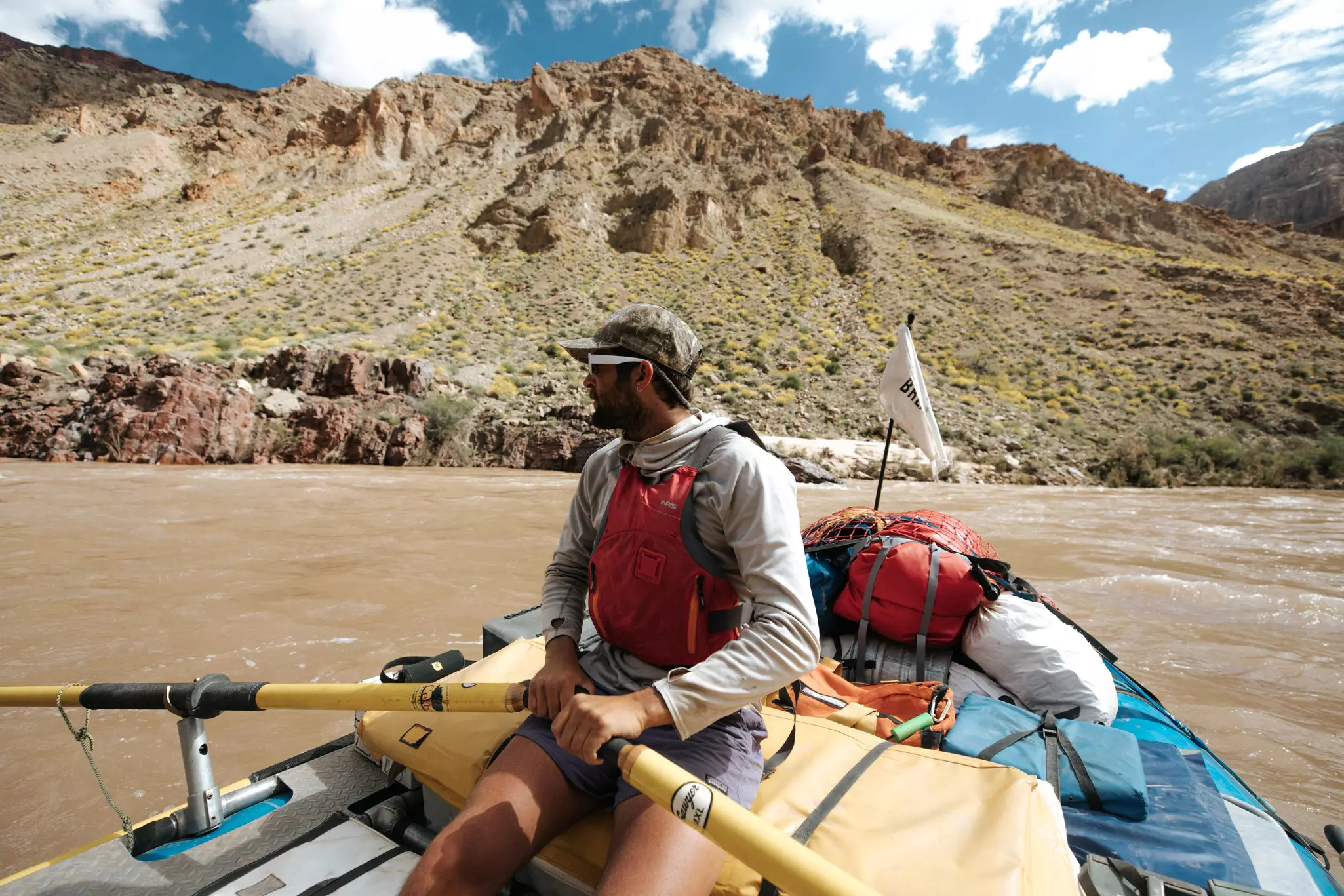
Why Kayak Camping Feels Like a Different Kind of Journey
Kayak camping blends two powerful outdoor experiences into one unforgettable adventure. Paddling across open water during the day and sleeping beside it at night creates a rhythm that feels completely different from hiking or traditional camping. The pace slows down, the sounds of nature become louder, and every mile traveled feels earned through steady strokes and patience.
The quiet nature of kayaking adds a layer of intimacy with the environment. Unlike motorized boats, a kayak glides silently through the water, allowing wildlife encounters that might otherwise never happen. Birds skim across the surface, fish ripple beneath the hull, and the shoreline slowly unfolds like a moving landscape painting. Each moment on the water feels personal.
Spending nights along remote shores amplifies that experience. Campsites often sit in places unreachable by roads or crowded trails, creating a sense of solitude that is difficult to replicate elsewhere. The day’s journey ends with the gentle sound of waves against the shoreline and the satisfaction of having traveled entirely under your own power.
What Makes Kayak Camping Unique
Kayak camping introduces a special balance between mobility and minimalism. Everything needed for the trip must fit inside the kayak, forcing careful thought about gear, food, and equipment. Packing light becomes essential, yet comfort still matters because evenings at camp are just as important as the hours spent paddling.
Water routes often open doors to landscapes that land travel cannot easily reach. Islands, hidden coves, mangrove tunnels, and quiet lakeshores become potential destinations. Each bend in the shoreline might reveal a new campsite or a calm inlet perfect for resting during a long paddle.
The journey itself often becomes the highlight rather than the destination. Unlike reaching a mountain summit or completing a trail loop, kayak camping emphasizes continuous movement across water. Every stroke carries you forward, making the process of travel as rewarding as the places where the kayak eventually lands.
Essential Gear For Kayak Camping Trips
A well-prepared kayak camping trip begins with the right equipment. The kayak itself should be capable of handling gear while maintaining stability on open water. Touring kayaks or larger recreational kayaks typically work best because they provide storage compartments and better tracking across longer distances.
Dry bags play a critical role in protecting gear from water exposure. Even calm lakes can produce splashes or unexpected rain, and wet gear can quickly turn an enjoyable trip into an uncomfortable one. Sleeping bags, clothing, electronics, and food supplies should always remain sealed in waterproof storage.
Camping gear must balance durability with compact size. Lightweight tents, small camp stoves, and packable sleeping pads help conserve space inside the kayak. The goal is to carry everything necessary for comfort without overcrowding the limited storage compartments.
Safety equipment deserves equal attention. A properly fitted personal flotation device should remain worn throughout the paddle, not just stored nearby. Navigation tools such as waterproof maps, compasses, or GPS devices provide essential guidance, especially in larger lakes or coastal environments where landmarks may look similar from the water.
Packing Efficiently For A Multi-Day Paddle
Space inside a kayak is surprisingly limited, and efficient packing can make the difference between a smooth trip and constant frustration. Weight distribution matters greatly because poorly balanced gear affects the kayak’s handling. Heavier items should sit closer to the center of the boat, helping maintain stability during long paddling sessions.
Food planning becomes part of the packing strategy. Lightweight meals that require minimal cooking help conserve both space and fuel. Dehydrated meals, simple grains, and durable ingredients often work best for multi-day adventures.
Clothing choices must also remain practical. Quick-drying fabrics perform far better than heavy cotton materials, especially in environments where splashes or rain are common. A small selection of layered clothing can handle a wide range of temperatures without filling multiple storage compartments.
Organization inside dry bags keeps camp setup efficient. Grouping items such as cooking supplies, clothing, and sleeping gear prevents the need to unpack everything just to find one small piece of equipment. Arriving at camp after a long day of paddling feels much easier when gear remains easy to locate.
Navigation Skills On Water Routes
Water navigation carries its own set of challenges compared to trail travel. Landmarks that appear obvious from shore often look completely different when viewed from the water. Islands blend together, shorelines curve in unexpected directions, and distances may appear shorter than they truly are.
Reading maps carefully helps prevent confusion while paddling across unfamiliar waters. Identifying large landmarks, prominent points, and potential rest stops along the route creates a mental picture that guides the day’s journey. Frequent glances at the shoreline help confirm that the kayak remains on the intended course.
Wind patterns and water conditions also influence navigation decisions. A calm morning may gradually transform into a windy afternoon, making open crossings more demanding. Planning routes that follow sheltered shorelines often reduces exposure to strong winds and rough water.
Technology can assist with navigation, but relying entirely on electronic devices carries risks. Batteries fail, signals disappear, and screens may become difficult to read under bright sunlight. Traditional navigation skills remain valuable even in an era filled with digital tools.
Finding Campsites Along The Shore
Selecting a campsite during a kayak trip often feels like discovering a hidden refuge. Remote shorelines provide countless opportunities for overnight stops, but not every location makes a suitable camp. Safe landings, flat ground, and protection from wind all play important roles in determining the best spot.
Natural features often create ideal camping areas. Sandy beaches allow easy kayak landings, while tree lines provide shelter from evening winds. Elevated ground prevents water from reaching the tent if waves rise overnight.
Environmental awareness also matters when setting up camp. Respecting local regulations, avoiding fragile ecosystems, and leaving minimal impact ensures that future paddlers can enjoy the same landscapes. Carrying out trash and minimizing disturbance to wildlife helps protect these environments.
Evenings at a kayak campsite bring a special atmosphere. The kayak rests beside the shoreline after hours of steady paddling, and the quiet surroundings highlight the sense of accomplishment that comes with traveling across water under your own strength.
Weather Awareness On Open Water
Weather plays a powerful role in any kayak camping journey. Conditions can change quickly, especially across large lakes or coastal waters. Calm water in the morning sometimes shifts into choppy waves later in the day as wind speeds increase.
Checking forecasts before departure provides a helpful overview of expected conditions. However, forecasts do not always capture the full reality of local weather patterns. Observing the sky, wind direction, and wave behavior throughout the day allows better decision-making while paddling.
Wind deserves particular attention because it affects both safety and energy levels. Paddling against strong wind can quickly exhaust even experienced kayakers. Planning routes that allow wind assistance during longer crossings often conserves valuable energy.
Storms require immediate respect. Darkening clouds, sudden gusts, or distant thunder signal the need to reach shore quickly. Waiting out storms from a safe campsite always proves wiser than pushing forward into dangerous water conditions.
Wildlife Encounters From A Kayak
Kayak camping places adventurers directly within natural habitats. Quiet paddling allows wildlife to behave naturally without the disturbance caused by louder forms of travel. Encounters with animals become one of the most memorable aspects of these trips.
Birdlife often appears first. Herons, kingfishers, and ospreys frequently patrol shorelines and shallow waters where fish gather. Watching these birds hunt while gliding past in a kayak creates a rare opportunity to observe nature up close.
Aquatic life also becomes more visible during long paddles. Fish move beneath the kayak, turtles surface briefly before diving again, and sometimes dolphins or seals appear in coastal regions. Each encounter feels spontaneous and unscripted.
Respectful distance remains essential during wildlife encounters. Observing animals without disturbing their natural behavior helps protect both the creatures and the overall ecosystem. Kayak camping thrives on quiet appreciation rather than intrusion.
Physical And Mental Rewards Of Kayak Travel
Long days on the water challenge both body and mind. Paddling requires steady effort that gradually strengthens muscles and endurance over time. Unlike high-intensity workouts, kayak travel delivers a sustained rhythm that builds strength through consistent motion.
Mental clarity often emerges during these extended paddling sessions. The repetitive stroke pattern creates a calm focus that allows thoughts to settle naturally. Many hours pass while simply watching the shoreline glide by and listening to water moving beneath the hull.
Time spent away from crowded spaces also contributes to the experience. Kayak camping routes often lead to isolated shorelines where human activity fades into the background. The combination of physical movement and quiet surroundings creates a powerful sense of freedom.
Even the small challenges of travel become rewarding. Navigating shifting winds, selecting campsites, and preparing meals beside the water create a deeper connection to the journey itself.
Tips For A Successful First Kayak Camping Trip
Preparation makes the difference between a stressful outing and an unforgettable adventure. Shorter trips often serve as the best introduction to kayak camping. A single overnight paddle provides valuable experience while limiting risk and fatigue.
Practicing basic kayaking skills before the trip builds confidence on the water. Maneuvering the kayak, performing efficient strokes, and managing balance become second nature with regular practice. Confidence allows more focus on enjoying the surroundings rather than worrying about technique.
Testing gear before departure also prevents surprises. Setting up the tent, organizing dry bags, and cooking meals during a short practice outing reveals potential problems before reaching remote campsites.
Flexibility remains important throughout the journey. Weather changes, unexpected obstacles, or fatigue may require adjustments to the original plan. A willingness to adapt keeps the experience enjoyable rather than stressful.
Kayak camping opens a gateway to exploring waterways in a deeply personal way. Each journey unfolds slowly across lakes, rivers, or coastlines, revealing landscapes that few people ever experience from the water. The combination of paddling, camping, and quiet exploration transforms ordinary outdoor travel into something far more immersive.
Days spent moving across open water blend seamlessly with nights beside quiet shores. The kayak becomes both transportation and companion, carrying everything needed for the adventure. Each trip builds confidence, skill, and a deeper appreciation for the natural world.
The appeal of kayak camping grows stronger with every journey. New routes appear on maps, new shorelines invite exploration, and the rhythm of paddle strokes continues pulling adventurers toward the next stretch of open water.
