

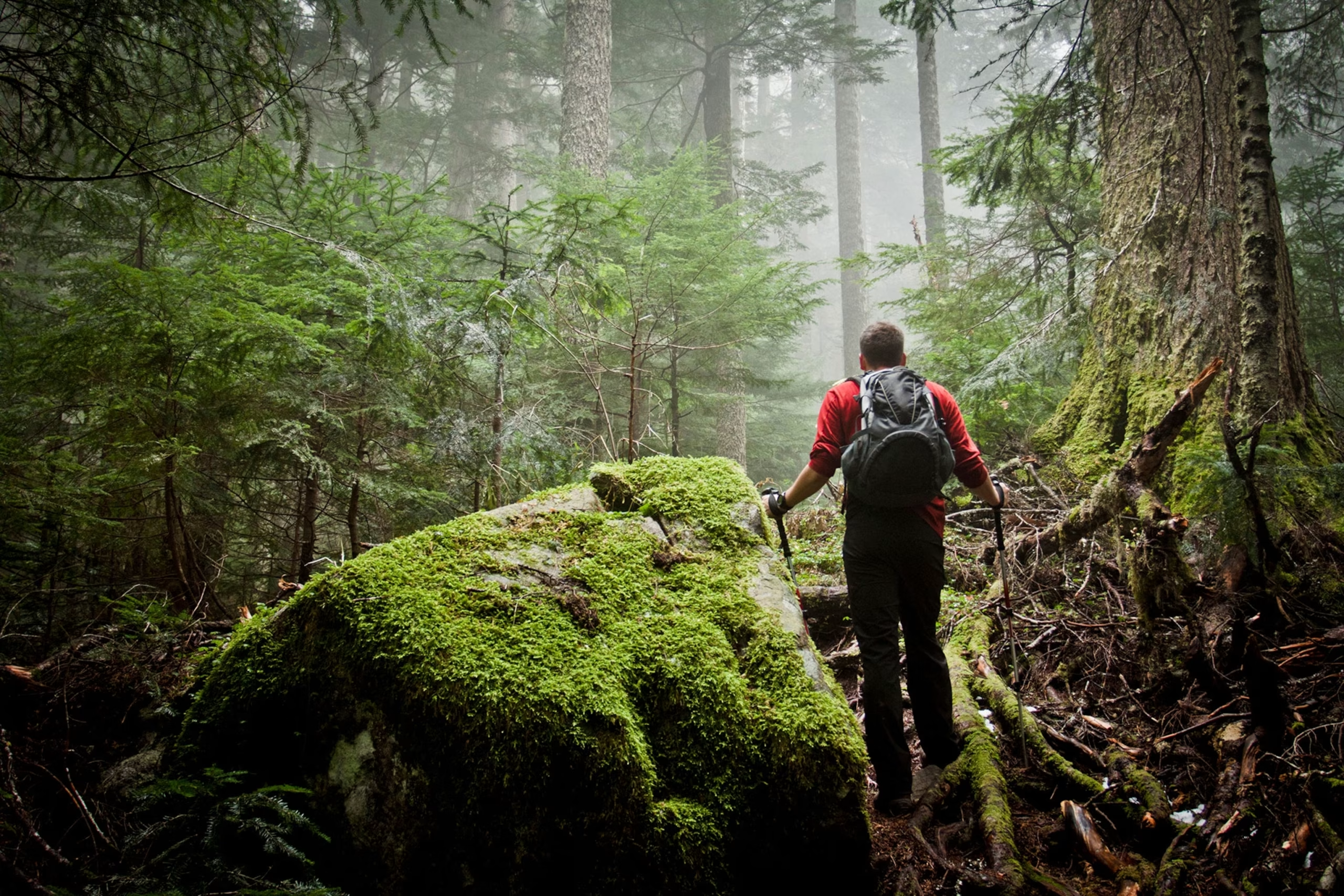
The Moment the Trail Stops Feeling Peaceful
A mountain trail can shift from peaceful to frustrating faster than expected once insects begin to swarm. The buzzing of mosquitoes, the bite of a fly, or the sudden sting from an unseen insect can quickly break concentration and turn a beautiful hike into a test of patience. Even the most scenic alpine path loses its charm when insects constantly circle your face or crawl along exposed skin.
Many hikers prepare for rain, cold, or rough terrain, yet insect encounters often receive far less attention during trip planning. I learned that lesson during a summer hike through a heavily forested ridge where humidity hung thick in the air. The trail itself was manageable, the elevation gain steady and rewarding, but the insects transformed every break into a battle. Instead of enjoying the quiet of the mountains, I found myself swatting, adjusting gear, and scanning the air for the next swarm.
Mountain environments often create ideal conditions for insects. Moist soil, standing water, and warm temperatures provide the perfect breeding grounds for mosquitoes, gnats, and biting flies. Add in the shade of dense forest and the slow movement of air between ridges, and suddenly insects thrive exactly where hikers love to travel.
Insect pressure does not mean abandoning the trail, but it does require preparation and awareness. With the right approach, insect-heavy environments can remain manageable, and the trail can return to being a place of adventure rather than irritation.
Recognizing the Insects That Cause the Most Trouble
Different mountain regions host different insect populations, but a few common species tend to cause the majority of trail discomfort. Mosquitoes are often the most recognizable culprit. They gather in damp forests, near creeks, and around still water, becoming particularly active during warm evenings or early mornings.
Black flies are another frequent nuisance in mountainous terrain. Unlike mosquitoes that buzz around before landing, black flies tend to dive directly toward exposed skin, often targeting ears, necks, and hairlines. Their bites can leave small welts that itch intensely for days.
Gnats may seem harmless due to their small size, but they can form clouds around a hiker’s face, especially in humid environments. They are less likely to bite, yet their constant presence around eyes, nose, and mouth quickly becomes exhausting.
Horseflies and deer flies present another challenge on open trails. These insects are larger and more aggressive, capable of delivering painful bites through thin clothing. They tend to appear near wetlands or sunny trail sections where animals frequently pass.
Recognizing which insects are present on a trail helps determine the most effective response. Mosquito-heavy trails require different strategies than areas dominated by biting flies or swarming gnats.
Clothing That Acts as a Barrier
One of the most effective defenses against insects comes from clothing rather than sprays or gadgets. Covering exposed skin immediately reduces the number of available targets insects can reach.
Long sleeves and lightweight hiking pants serve as a simple but powerful barrier. Breathable fabrics designed for outdoor activity allow airflow while still protecting the skin. In warmer climates this balance becomes essential, since heavy clothing quickly leads to overheating.
Neutral or light-colored clothing often helps as well. Dark colors tend to attract certain insects, particularly biting flies. Lighter colors make it easier to spot insects before they reach skin, giving hikers a chance to brush them away.
A hat can also make a noticeable difference, especially when insects hover around the face. A wide brim keeps bugs away from eyes and provides a small buffer zone that discourages direct approaches. In especially buggy environments, a head net becomes one of the most valuable pieces of gear in a pack.
Protective clothing may feel excessive on a calm day, but it quickly proves worthwhile once insect activity increases along the trail.
Timing Your Hike to Avoid Peak Insect Activity
Insects follow patterns influenced by temperature, humidity, and light. Paying attention to these patterns can significantly reduce exposure during a hike.
Mosquitoes often become most active during early morning and evening hours when temperatures remain warm but sunlight is less intense. Starting a hike later in the morning, once the sun rises higher, often leads to fewer mosquito encounters along exposed sections of trail.
Wind also plays an important role. Breezy ridges or open slopes usually experience far fewer insects than sheltered valleys or forest corridors. Planning breaks in windy areas can offer welcome relief during long hikes.
Seasonal timing matters as well. Early summer often marks the peak for many biting insects as snowmelt creates pools of standing water. Later in the season, especially after drier conditions arrive, insect populations tend to decline.
I have noticed that even short adjustments in timing can change the entire feel of a hike. Starting a trail an hour later than usual once meant walking through quiet woods instead of pushing through clouds of mosquitoes.
Safe Use of Insect Repellents on the Trail
Repellents remain one of the most reliable tools for dealing with biting insects. Several types exist, each offering different advantages depending on the trail environment.
Products containing DEET provide strong protection against mosquitoes, ticks, and biting flies. Many hikers rely on it because of its effectiveness during long days outdoors. Applying it to exposed skin and clothing creates a scent barrier that discourages insects from landing.
Picaridin-based repellents have become increasingly popular as an alternative. They offer similar protection with less odor and often feel lighter on the skin. Some hikers prefer this option for extended trips where comfort matters as much as protection.
Natural repellents made from plant oils also exist, though they typically require more frequent application. In mild insect conditions they can provide adequate protection while avoiding stronger chemicals.
Regardless of the product used, proper application makes the difference. Repellent should be applied evenly, focusing on exposed areas such as wrists, ankles, and neck. Reapplication during long hikes keeps protection consistent throughout the day.
Campsite Awareness in Insect-Prone Areas
Insects often become more noticeable during rest breaks or overnight camps. Movement along the trail helps keep insects away, but once a hiker stops, swarms quickly gather.
Selecting campsites with airflow helps reduce insect pressure. Breezy ridges, open rock areas, or sites slightly elevated above water sources tend to host fewer mosquitoes than sheltered forest floors.
Distance from stagnant water also plays a role. Camping directly beside a lake or marsh might offer beautiful scenery, but it frequently means sharing the evening with dense insect populations.
Setting up camp efficiently helps minimize exposure during peak insect hours. Preparing meals, organizing gear, and pitching tents before dusk allows hikers to avoid lingering outside once mosquito activity increases.
Many experienced hikers treat insect awareness as part of campsite selection, just like checking for flat ground or wind protection.
Keeping Insects Away From Food and Gear
Food can attract more than wildlife; certain insects also respond strongly to scents from meals and snacks. Sweet or strong-smelling foods sometimes draw flies and ants even in higher elevations.
Storing food properly and cleaning cooking areas helps prevent insects from gathering near camp. Spilled food residue on gear or clothing can create lingering odors that attract insects long after a meal ends.
Cooking in a slightly open area rather than deep forest shade can also help. Sunlight and airflow tend to discourage insects from clustering around a cooking space.
Simple habits like wiping hands after eating and sealing trash in odor-proof bags go a long way toward maintaining a cleaner campsite environment.
Mental Strategies for Dealing With Constant Swarms
Persistent insects test patience more than physical endurance. Swatting constantly or focusing on every buzzing sound quickly drains mental energy during a hike.
Shifting attention back to the landscape helps maintain perspective. Mountains offer expansive views, fresh air, and quiet forests that easily outweigh temporary insect discomfort. A brief swarm rarely lasts the entire length of a trail.
Steady movement often discourages insects from settling on skin. Maintaining a consistent pace keeps hikers moving through different microenvironments where insect activity may vary.
Taking breaks in windy locations, near flowing streams, or along exposed ridges restores calm and reminds hikers why they came to the mountains in the first place.
Mental resilience matters just as much as physical preparation when insects attempt to dominate the trail experience.
Small Gear Additions That Make a Big Difference
A few lightweight items can dramatically improve comfort during insect-heavy hikes. Head nets rank among the most effective pieces of gear for areas known for dense mosquito populations. They weigh almost nothing yet create a protective shield around the face.
Portable insect repellent wipes provide an easy alternative to liquid sprays, especially during multi-day trips. They take up little space and allow quick reapplication without spilling inside a pack.
A compact bug-repellent lantern can also help around camp. While not foolproof, these devices create a small zone where insects are less likely to gather.
Some hikers even carry lightweight gloves to protect hands during peak insect seasons. Hands often remain exposed while trekking, making them easy targets for persistent biters.
These small additions may seem minor, but they collectively transform how comfortable a hike feels in insect-prone terrain.
Turning a Frustrating Trail Into a Manageable Adventure
Insects will always exist in mountain ecosystems, and their presence often signals a healthy natural environment. Streams, wetlands, and dense forests support countless forms of life, including the insects hikers encounter along the way.
Preparation turns what could become a miserable outing into a manageable challenge. Protective clothing, smart timing, proper repellents, and thoughtful campsite choices all work together to keep insects from dominating the experience.
Even on trails where insects seem relentless, moments of quiet still appear. A windy ridge, a shaded overlook, or the open summit of a mountain often brings sudden relief from buzzing swarms.
The mountains remain worth the effort despite the occasional insect invasion. With patience and preparation, the trail once again becomes a place of exploration, fresh air, and wide horizons rather than a battlefield against tiny wings.
