

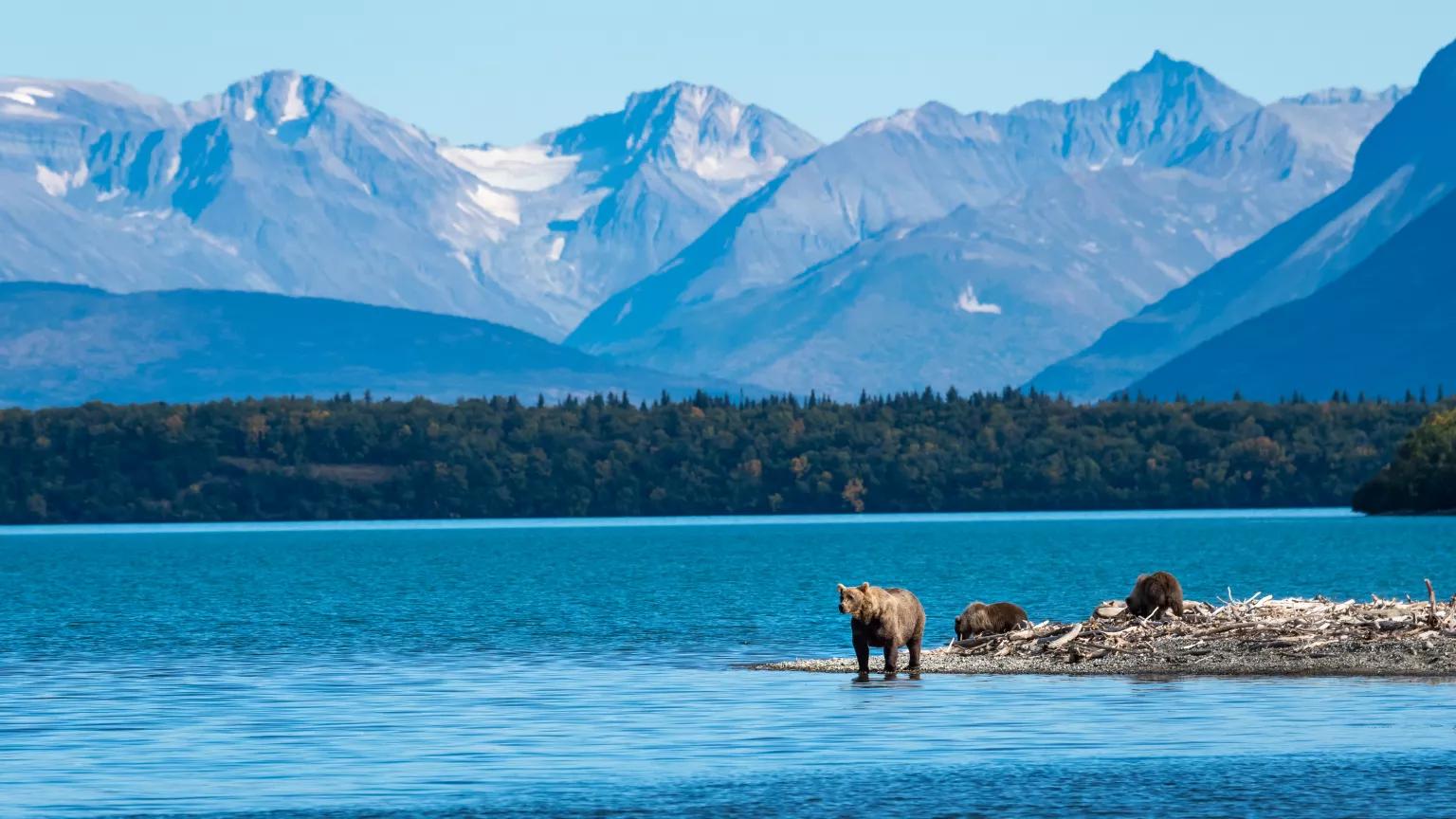
Wildlife has a way of surprising anyone who spends enough time outdoors. I have walked along mountain trails expecting quiet forests and empty valleys, only to notice signs that animals are quietly reclaiming spaces that once seemed lost to them. Tracks appear in dusty paths, birds nest along cliff edges near busy viewpoints, and small mammals dart between rocks where hikers rest. These moments reveal a powerful shift happening in many landscapes.
Wildlife is thriving in places many people once assumed were too disturbed, too developed, or too heavily visited. Old industrial zones, mountain towns, abandoned farmland, and even the edges of popular hiking routes have become new refuges. The more time I spend observing these environments, the clearer it becomes that animals are remarkably adaptable. They adjust to changing conditions faster than we often expect.
These changes tell a larger story about resilience, shifting ecosystems, and the unexpected ways nature rebounds when given even small opportunities. Mountain landscapes, in particular, reveal how wildlife can flourish in surprising places where humans rarely thought to look.
Wildlife Adapting to Human-Altered Landscapes
Wild animals are far more adaptable than many people realize. Over time, species have learned to navigate roads, buildings, and recreational areas without abandoning their habitats entirely. Hiking through mountain regions that once saw heavy logging or mining often reveals animals returning to forests that are slowly regenerating.
I often notice animal trails weaving around old structures or along abandoned access roads. These paths become corridors that animals use to travel between feeding grounds and water sources. What once disrupted their movements sometimes becomes part of their new environment.
Many species also adjust their daily routines. Animals may shift their activity to nighttime hours or quieter parts of the day to avoid people. This subtle change allows them to share landscapes with hikers and outdoor visitors without constant conflict.
Regrowing Forests Creating New Habitat
Forests that were once heavily logged or cleared are slowly coming back in many mountain regions. Young trees, dense shrubs, and regenerating undergrowth create environments that support a wide range of wildlife. These recovering forests often provide better cover for animals than older, more open woodlands.
Walking through these areas reveals layers of life returning year by year. Songbirds gather in thick branches, deer move through tall brush, and insects thrive in newly forming ecosystems. Small predators follow the growing populations of prey animals, creating balanced food chains.
The regrowth process also creates a patchwork of habitats. Open clearings, dense thickets, and young forests all exist close together. This diversity supports species with very different needs, allowing wildlife populations to expand in areas that once appeared barren.
Abandoned Land Becoming Unexpected Sanctuaries
Across many mountainous regions, farmland and small settlements have gradually been abandoned as people move toward cities. What remains are quiet valleys, forgotten trails, and empty structures slowly reclaimed by vegetation. These places often become ideal wildlife sanctuaries.
I have hiked through former grazing land now filled with wildflowers and young trees. The absence of constant human activity allows animals to move freely through these areas again. Birds nest in old barns, foxes den near stone walls, and small mammals explore fields that once held crops.
Nature rarely wastes an opportunity to reclaim space. Within a few years, abandoned land can transform into thriving ecosystems. These landscapes show how quickly wildlife responds when pressure from agriculture or development fades.
Cities and Towns Near Mountains Offering New Resources
Mountain towns may appear busy from a human perspective, but wildlife often finds ways to use the surrounding edges of these communities. Food sources, shelter, and water can exist in places people overlook. Gardens, parks, and green corridors all attract animals.
While walking early in the morning near trailheads, I have seen deer grazing in open fields beside parking areas and coyotes moving along tree lines at the edge of neighborhoods. Birds frequently nest on buildings or in ornamental trees that provide safe nesting sites away from natural predators.
These environments may look artificial to us, yet they offer reliable food and fewer large predators. For many species, the balance of risk and reward favors settling near these developed spaces.
Climate Shifts Changing Where Animals Live
Changing climate patterns also play a role in wildlife appearing in unexpected places. Warmer temperatures and shifting seasonal patterns influence where animals find food, water, and suitable shelter. As conditions change, species gradually expand into areas that were once less suitable.
Mountain ecosystems often highlight this shift. Animals move higher in elevation or expand their range along ridges and valleys where vegetation is changing. I have noticed bird species appearing along trails where they were rarely seen years ago.
These changes do not always happen dramatically. Instead, they unfold gradually as animals explore new territory and establish stable populations. Over time, these movements reshape entire ecosystems.
Protected Areas Expanding Beyond Park Boundaries
National parks and protected reserves play a major role in wildlife recovery, but their influence often extends far beyond official boundaries. Animals move freely across landscapes, spreading into surrounding forests, valleys, and mountain slopes.
While hiking outside protected areas, I sometimes encounter wildlife that originally returned because of nearby conservation zones. As populations grow within protected land, individuals naturally spread outward in search of new territory.
This expansion allows wildlife to reclaim areas that once experienced heavy human use. The presence of stable populations nearby gives species the opportunity to recolonize landscapes that were previously empty.
Reduced Hunting and Conservation Efforts
Many wildlife populations suffered severe declines in the past due to overhunting and habitat destruction. Over the past century, stronger regulations and conservation programs have allowed many species to recover. These protections create conditions where animals can slowly rebuild their numbers.
Hiking through mountain regions today often reveals signs of animals that were once rarely seen. Tracks in muddy paths, distant calls echoing through valleys, and nests hidden among rocks all suggest that populations are returning.
Conservation success stories rarely unfold overnight. They require years of protection, habitat restoration, and cooperation between communities. Yet the results become visible to anyone paying attention to the quiet details of the landscape.
Human Presence Sometimes Deterring Larger Predators
One unexpected factor that benefits some wildlife is the presence of humans themselves. In certain environments, human activity discourages large predators from settling nearby. Without those predators, smaller animals may thrive.
Mountain trails with regular hikers sometimes host increased numbers of deer, rabbits, and ground-dwelling birds. These animals learn that predators tend to avoid heavily visited areas. As a result, they find relative safety in places that people frequent.
This relationship does not mean wildlife depends on humans, but it highlights how animals adapt to the patterns of human movement. They recognize which areas are safer during certain hours or seasons.
Technology Revealing Hidden Wildlife Activity
Modern wildlife cameras and tracking technology have revealed something surprising. Animals have been living much closer to human activity than many people realized. Motion-triggered cameras placed along trails, ridges, and forest roads capture images of animals moving through areas long after hikers have left.
These images often show bears, mountain lions, foxes, and countless smaller species traveling through landscapes that appear busy during daylight hours. Their movements remain hidden simply because most people are not present during the quiet hours of the night.
Knowing this has changed how I view many trails. Places that seem calm and empty during a hike often transform into active wildlife corridors once darkness falls.
Mountain Landscapes Offering Natural Resilience
Mountain ecosystems hold a special ability to recover from disturbance. Their rugged terrain creates pockets of habitat that remain untouched even when nearby areas experience development or heavy recreation. Steep slopes, rocky outcrops, and dense forests provide shelter that animals can rely on.
As wildlife populations grow, these natural refuges act as starting points for expansion. Animals gradually move outward into surrounding areas, filling spaces that once lacked stable populations. Over time, these movements create thriving ecosystems across entire mountain regions.
Spending time in these environments reveals how resilient nature can be. Wildlife finds opportunity in overlooked places, adapting to shifting landscapes in ways that often go unnoticed.
Wildlife thriving in unexpected places reminds me that ecosystems are rarely as fragile as they appear. Given time and even small chances to recover, nature finds ways to rebuild itself. Animals return quietly, one species at a time, until landscapes that once seemed empty become vibrant again.
Each hike through mountain trails offers a chance to witness this quiet transformation. A distant call, a fresh set of tracks, or a sudden movement in the trees hints at a world that continues to adapt alongside us. These moments reveal that wildlife is not disappearing from many landscapes but rediscovering new ways to survive within them.
