

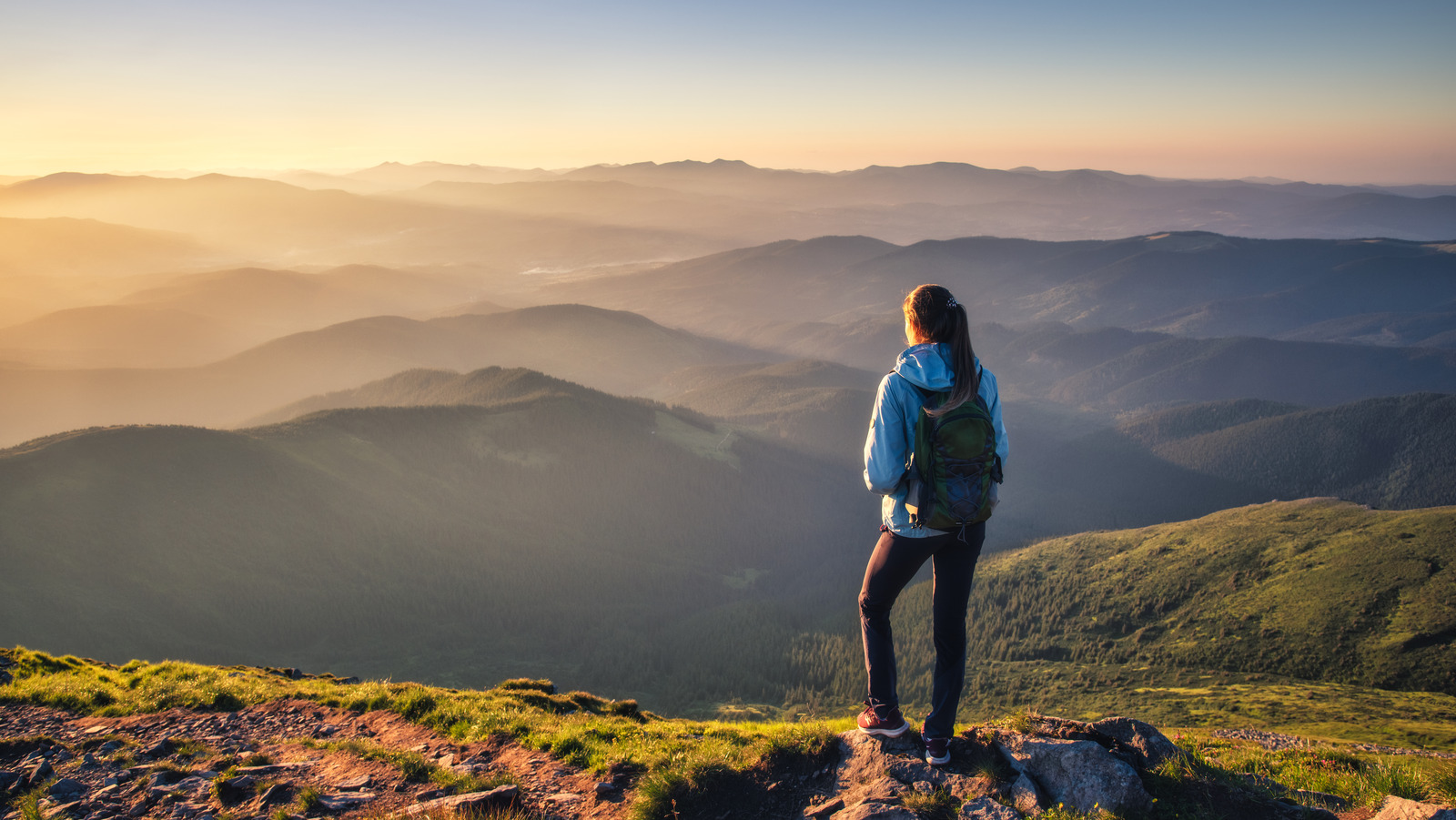
Long-distance trails reveal landscapes in a way that short hikes rarely can. Days on foot stretch into weeks, sometimes months, and each mile tells part of a larger story written across mountains, forests, deserts, and villages. I have always felt that the longer a trail becomes, the more deeply it connects a traveler to the land beneath their boots.
Spending extended time on a trail reshapes the rhythm of daily life. Sunrise determines the start of the day, water sources guide the route, and the weight of a backpack reminds me that simplicity often brings the greatest freedom. Some trails stand above the rest because of their scenery, cultural history, or sheer scale.
Across continents, a handful of legendary routes have earned reputations among hikers as the ultimate long-distance adventures. Each offers its own challenges, traditions, and unforgettable moments. The following ranking explores several of the world’s greatest long-distance trails and why they deserve a place on any ambitious hiker’s list.
Appalachian Trail – United States
The Appalachian Trail stretches more than 2,100 miles across the eastern United States, weaving through fourteen states from Georgia to Maine. Dense forests, rolling ridgelines, and rugged mountains define much of the path, creating a journey that feels both wild and deeply rooted in American hiking culture. Every section offers a different character, from the misty peaks of the Smoky Mountains to the granite slabs of New Hampshire.
Walking this trail demands patience and resilience. I quickly discovered that the terrain is rarely flat, and the constant climbs and descents slowly test endurance. Rain, humidity, and thick mud often appear without warning, yet those same conditions shape the unique atmosphere that makes the trail unforgettable.
What sets the Appalachian Trail apart is the strong sense of community that forms along the route. Shelters, trail towns, and volunteer caretakers create a network of support rarely found on other long-distance hikes. Meeting fellow hikers from around the world adds another layer to the experience, turning the journey into something shared rather than solitary.
Finishing the trail requires commitment measured in months rather than days. By the time a hiker reaches Mount Katahdin in Maine, the final northern peak, the trail feels less like a challenge and more like a life chapter that unfolded one step at a time.
Pacific Crest Trail – United States
Few trails showcase geographic diversity like the Pacific Crest Trail. Stretching about 2,650 miles from the Mexican border to Canada, it passes through California, Oregon, and Washington while crossing deserts, alpine passes, and ancient forests. The trail moves through some of the most dramatic landscapes in North America, including the Sierra Nevada and the Cascade Range.
Starting in the southern desert immediately sets the tone. Dry heat, endless horizons, and distant mountain silhouettes define the first miles. Carrying enough water becomes a constant concern, and the open terrain offers little shade, yet the beauty of the desert landscape makes every mile feel purposeful.
Further north, the Sierra Nevada brings towering peaks and crystal-clear lakes. Snowfields often linger well into summer, forcing hikers to navigate icy passes and swollen rivers. The scenery here feels almost surreal, and walking beneath granite cliffs while marmots whistle from the rocks remains one of the most memorable parts of the trail.
The final stretch through Washington introduces lush forests and volcanic peaks. Weather shifts quickly in this region, and rain or fog can blanket the mountains for days. Reaching the Canadian border after months of walking brings a quiet satisfaction that only a journey of this scale can provide.
Camino de Santiago – Spain
The Camino de Santiago stands apart from most long-distance trails because of its deep historical and cultural roots. For centuries, pilgrims have walked across northern Spain toward the cathedral in Santiago de Compostela. The journey combines physical effort with moments of reflection, conversation, and cultural discovery.
Walking the Camino feels like stepping into a living tradition. Small villages appear along the route, each offering food, lodging, and warm greetings for travelers. I often found that the most memorable moments happened not on the trail itself but around communal tables where hikers from different countries shared stories over simple meals.
The landscape shifts gradually from rolling farmland to forested hills and stone towns that seem untouched by time. Ancient churches and markers line the path, reminding hikers that millions have followed the same route across centuries.
Unlike many wilderness trails, the Camino encourages interaction rather than isolation. Conversations begin easily between strangers walking the same road. By the time Santiago’s cathedral towers come into view, the journey feels like a shared experience shaped by countless footsteps.
Te Araroa – New Zealand
Te Araroa stretches the entire length of New Zealand, covering roughly 1,900 miles from the northern tip of the North Island to the southern edge of the South Island. The name means “The Long Pathway,” and the trail lives up to that description by linking beaches, forests, farmland, mountains, and remote valleys.
Walking Te Araroa reveals the astonishing variety of New Zealand’s landscapes. One day might involve trekking along a coastline with waves crashing beside the trail, while the next could lead through dense rainforest where sunlight barely touches the ground. The constant change keeps every stage fresh and unpredictable.
River crossings and rugged terrain often test endurance along the route. Some sections demand careful planning, especially where tides or weather conditions influence safe passage. These challenges add a sense of adventure that keeps the journey engaging from beginning to end.
The South Island portion of the trail climbs into dramatic alpine regions where snowcapped peaks rise above turquoise lakes. Spending days surrounded by such untouched wilderness creates a powerful sense of connection to the landscape. By the time the trail reaches its southern terminus, the distance traveled feels almost unreal.
Tour du Mont Blanc – Europe
The Tour du Mont Blanc circles the highest mountain in Western Europe while passing through France, Italy, and Switzerland. Although shorter than many long-distance trails at about 105 miles, the route earns legendary status because of its extraordinary alpine scenery.
Each day brings towering glaciers, sweeping valleys, and dramatic ridgelines. The trail constantly climbs and descends between mountain passes, offering panoramic views that seem to stretch endlessly across the Alps. Walking through three countries in a single trek adds a unique cultural dimension rarely found on other routes.
Mountain huts and small villages provide comfortable stopping points along the way. Fresh bread, local cheeses, and hot meals often greet hikers at the end of long days, turning each evening into a welcome celebration of progress.
Weather in the Alps changes quickly, and storms can sweep across the mountains with little warning. Despite the challenges, the rewards remain constant. Every pass reveals another breathtaking view, making the Tour du Mont Blanc one of the most visually spectacular trails in the world.
Great Himalayan Trail – Nepal
The Great Himalayan Trail ranks among the most demanding long-distance treks on the planet. Stretching roughly 1,000 miles across Nepal, it follows the world’s highest mountain range while connecting remote villages, high passes, and deep valleys.
Walking this trail requires preparation and adaptability. Elevation becomes the defining challenge, with many sections climbing above 16,000 feet. Thin air slows every step, and careful pacing becomes essential for safety and endurance.
The scenery feels almost beyond description. Snow-covered peaks dominate the skyline, including several of the world’s highest mountains. Glaciers, turquoise lakes, and dramatic cliffs create an environment that feels both powerful and humbling.
Equally remarkable are the cultural encounters along the route. Remote Himalayan communities maintain traditions that have endured for generations. Spending time in these villages reveals a way of life shaped by the mountains themselves, adding depth to the journey beyond the physical challenge.
Continental Divide Trail – United States
The Continental Divide Trail traces the backbone of North America along the Rocky Mountains. Stretching about 3,100 miles from Mexico to Canada, it crosses deserts, alpine ridges, and vast wilderness areas rarely visited by large numbers of hikers.
Navigation along this trail demands strong route-finding skills. Unlike some well-marked paths, sections of the Continental Divide Trail remain remote and loosely defined. This uncertainty adds an adventurous spirit that appeals to hikers seeking solitude.
The scenery ranges from dry desert landscapes in New Mexico to the dramatic peaks of Colorado and the wide open spaces of Wyoming’s Wind River Range. Wildlife encounters become common, and days may pass without seeing another person.
Completing the trail requires persistence through extreme weather, long distances between resupply points, and challenging terrain. Yet the reward lies in experiencing one of the wildest long-distance routes still accessible to hikers.
Inca Trail – Peru
The Inca Trail may be shorter than other legendary routes, but its historical significance and dramatic setting make it unforgettable. The trail winds through the Andes Mountains before reaching the ancient city of Machu Picchu.
Stone pathways built centuries ago guide hikers across mountain passes and through cloud forests. Every step feels connected to the engineering achievements of the Inca civilization. Ancient ruins appear along the route, hinting at the sophisticated network that once linked the empire.
Climbing steep stairways carved into the mountains tests endurance, especially at high elevations. The effort pays off when the trail reaches the Sun Gate, where the first view of Machu Picchu unfolds below.
Arriving at the ruins after days on the trail creates a powerful moment. The journey blends natural beauty with historical discovery, making the Inca Trail one of the most memorable long-distance experiences in the world.
Final Thoughts On Legendary Trails
Long-distance trails offer more than physical challenges. They reshape perspective, slow the pace of life, and reveal landscapes that cannot be fully appreciated from a distance. Walking mile after mile across mountains and valleys gradually turns a trail into something deeply personal.
Each of these routes stands out for different reasons. Some inspire through wild scenery, others through cultural heritage or sheer scale. Ranking them may depend on personal preference, but every trail on this list holds a reputation earned through countless journeys.
Time on a long-distance trail often leaves a lasting impression long after the final step. Memories form through small moments such as quiet mornings, distant mountain views, and conversations with fellow hikers met along the way. Those experiences continue to shape how I look at the world long after leaving the trail behind.
