

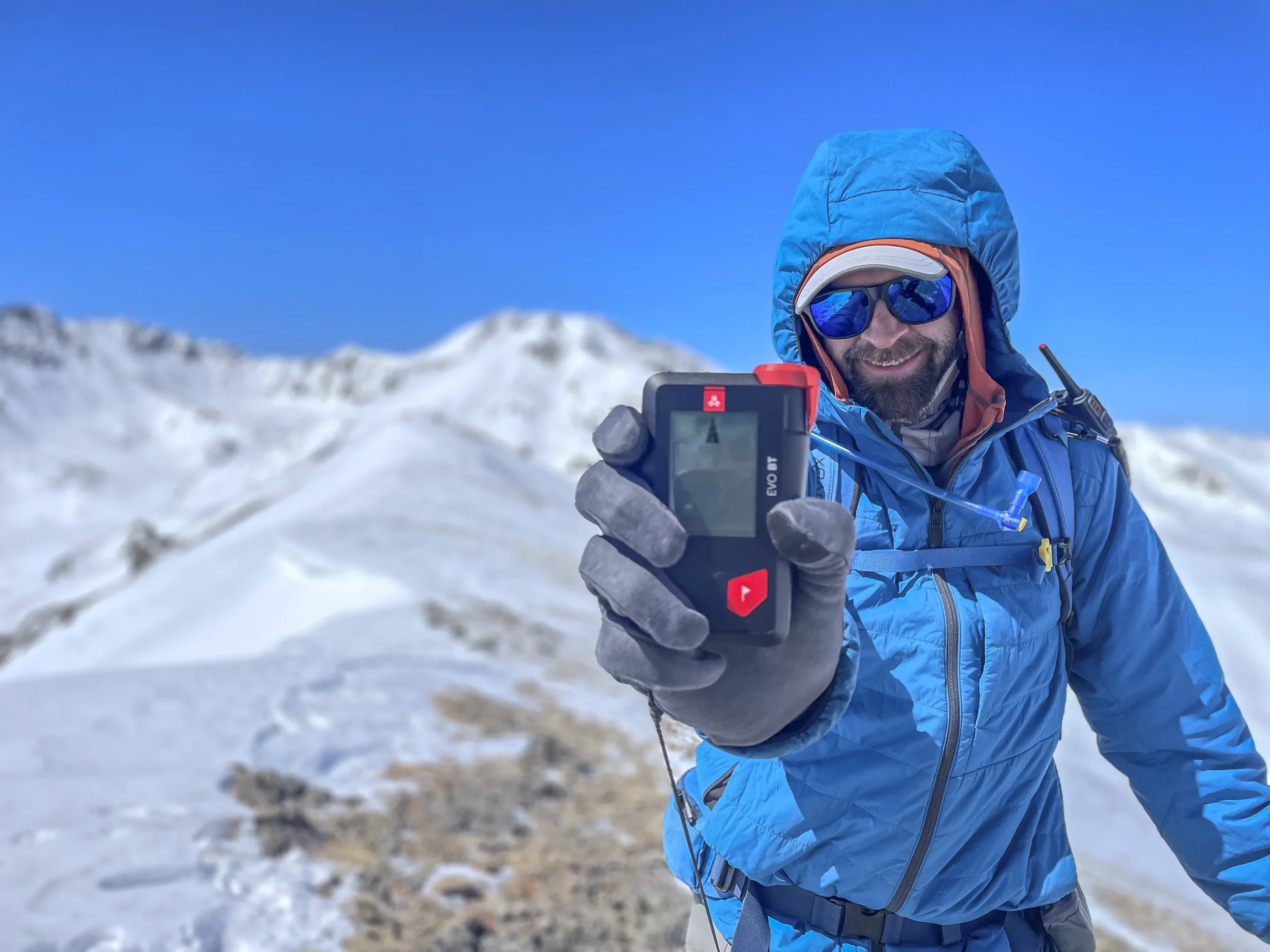
Cold mountains have a way of exposing every weakness in preparation and judgment. I have spent many winters hiking, camping, and traveling through snowy terrain, and each trip reminds me how quickly conditions can turn dangerous. Snow may look peaceful, but the environment is relentless when a person makes the wrong decision or ignores warning signs.
Stories from search and rescue teams often reveal the same pattern. Many tragedies happen not because of one massive mistake, but because of several small errors that stack together until survival becomes nearly impossible. Weather, terrain, and exhaustion combine with poor decisions, and the margin for recovery disappears.
Winter survival is not about heroics or pushing limits. It is about discipline, patience, and respecting the mountain. The mistakes below are some of the most common ones I have seen or studied, and they explain why winter travel demands a different mindset than any other outdoor environment.
Underestimating How Fast Hypothermia Develops
Cold temperatures drain body heat far faster than most people expect. I have watched hikers start the day comfortably, only to begin shivering uncontrollably within a short period after their clothing became wet or the wind intensified. Hypothermia does not always arrive dramatically; it often creeps in quietly while a person continues moving.
One of the biggest problems is that people underestimate how much energy the body uses to stay warm. When the body burns calories quickly, fatigue sets in earlier than expected. That fatigue reduces coordination and judgment, which can make a person ignore early symptoms like numb fingers or slowed thinking.
Hypothermia also affects the brain before many people realize what is happening. Confusion, poor decisions, and delayed reactions can develop long before a person collapses. Once thinking becomes impaired, it becomes extremely difficult for someone to correct their situation without help.
Wearing the Wrong Clothing System
Improper clothing is one of the most dangerous mistakes in winter environments. I have met hikers who believed a thick jacket alone would keep them safe, only to discover that sweating during movement soaked their base layers. Wet clothing in freezing temperatures becomes a direct threat to survival.
Layering exists for a reason. A good system allows moisture to move away from the body while trapping heat efficiently. Without proper layers, a person either overheats during movement or freezes when they stop.
Wind also magnifies the problem. A strong wind can strip warmth from the body in minutes if outer layers do not block it effectively. I have felt temperatures drop drastically simply by stepping onto an exposed ridge where wind cuts through clothing that seemed adequate in sheltered areas.
Ignoring Early Weather Warning Signs
Mountains often signal incoming storms long before snow begins falling heavily. I have seen clouds build slowly across a ridge while the temperature quietly dropped, and hikers continued forward because conditions still seemed manageable.
Winter storms escalate quickly in high elevations. A light snowfall can turn into a whiteout that erases the trail and reduces visibility to only a few feet. Once that happens, navigation becomes difficult even for experienced hikers.
Wind speed can also increase dramatically during a storm. Strong gusts reduce body temperature and make walking exhausting. When visibility disappears and the cold intensifies, turning around becomes far more difficult than it would have been earlier.
Traveling Without Reliable Navigation
Snow has a way of hiding everything that once made a trail easy to follow. Landmarks disappear under fresh snowfall, and paths that were obvious in summer vanish completely. I have walked through winter forests where even experienced hikers struggled to recognize the route.
Relying only on memory or visible trail markers becomes risky in these conditions. Navigation tools such as maps, compasses, or GPS devices provide a reference point when the landscape becomes confusing.
Many search and rescue operations begin because someone lost the trail and wandered deeper into unfamiliar terrain. Once a person starts moving without a clear direction, energy drains quickly while the distance from safety continues to increase.
Carrying Too Little Food And Water
Cold weather increases calorie consumption dramatically. The body burns energy not only for movement but also to maintain core temperature. I have noticed that hunger arrives much sooner during winter hikes than during warm-season trips.
Food becomes more than comfort in these conditions. Calories directly fuel the body’s heat production, and without enough energy, staying warm becomes increasingly difficult. A person who runs out of food may begin losing body heat even if they have adequate clothing.
Water is just as important. Dehydration weakens the body’s ability to regulate temperature and maintain energy levels. Many people forget to drink because cold air suppresses thirst, but dehydration quietly worsens every other survival challenge.
Venturing Out Alone In Severe Conditions
Solo winter travel carries risks that multiply when something goes wrong. I enjoy quiet hikes alone, but winter conditions require an honest evaluation of how quickly help could arrive if an accident occurs.
A twisted ankle or broken gear can become life threatening if no one else is present. Even a small injury can prevent movement, which leads to rapid heat loss while waiting for help.
Traveling with partners creates an additional layer of safety. Someone can assist with navigation, share equipment, or seek help if an emergency develops. That shared responsibility significantly improves the odds of surviving unexpected situations.
Poor Shelter Decisions In Freezing Temperatures
Exposure becomes deadly when a person cannot protect themselves from wind and cold. I have experienced nights where temperatures dropped rapidly after sunset, and without a proper shelter the cold penetrated everything.
Many people underestimate how important wind protection is. Even a simple barrier like a tent, snow wall, or natural rock formation can dramatically reduce heat loss. Without protection from the wind, body heat disappears far faster than most people realize.
Ground insulation also matters. Snow may appear soft, but lying directly on frozen ground drains heat from the body quickly. A sleeping pad or insulated barrier prevents the ground from pulling warmth away through constant contact.
Ignoring Fatigue And Pushing Too Far
Exhaustion is a silent threat during winter travel. I have pushed through deep snow where every step demanded extra effort, and the physical toll built up faster than expected. Fatigue reduces strength, coordination, and decision making.
Once exhaustion sets in, mistakes become more likely. A tired person may skip rest breaks, rush navigation decisions, or ignore early warning signs of hypothermia. Each of those errors increases the chance of a serious problem.
Stopping earlier than planned sometimes becomes the smartest decision. A shorter travel day may protect energy reserves and allow time to build shelter before darkness arrives.
Failing To Tell Anyone The Travel Plan
One of the simplest safety measures is also one of the most overlooked. Informing someone about a travel plan ensures that help will eventually begin searching if something goes wrong.
I always leave details about the route, expected return time, and emergency contact information before heading into remote winter terrain. That information becomes critical if weather delays a return or communication devices fail.
Search and rescue teams rely heavily on these details. Without them, finding a missing person in vast mountain terrain becomes significantly harder.
Overconfidence In Experience Or Equipment
Confidence in outdoor skills can easily turn into overconfidence. I have met experienced hikers who believed their past trips guaranteed success in every winter situation. The mountain rarely rewards that kind of thinking.
Equipment can also create a false sense of security. Owning advanced gear does not replace judgment or preparation. A person may carry high-end clothing and navigation tools yet still make dangerous decisions under pressure.
Respect for winter conditions must remain constant regardless of experience level. Each trip presents new challenges, and humility often becomes the difference between a safe return and a rescue situation.
Poor Fire And Heat Management
Fire can be a powerful survival tool, but relying on it too heavily can also create problems. I have seen travelers assume they could always build a fire quickly, only to struggle with wet wood or strong wind.
Starting a fire in deep snow requires preparation and proper materials. Without dry tinder and reliable ignition tools, the process becomes frustrating and time consuming.
Heat sources should support survival plans rather than replace them. Warm clothing, shelter, and food provide more reliable protection than a fire that may fail under difficult conditions.
Delaying The Decision To Turn Back
Turning around can feel like failure, especially after investing hours climbing toward a destination. I have faced moments where the summit appeared close while the weather slowly worsened. That is often the moment when discipline matters most.
Mountains will always be there for another attempt. Continuing deeper into worsening conditions reduces the chances of returning safely. Pride and determination have led many people into situations that quickly became emergencies.
A timely retreat protects both the traveler and the rescuers who might otherwise risk their own lives during a search. The safest decision is often the one that preserves energy and ensures a clear path back to safety.
Winter mountains demand respect that few other environments require. Cold, wind, and isolation punish mistakes quickly, and survival depends on preparation as much as endurance. Every trip I take into snowy terrain reminds me that caution is not weakness but a necessary skill.
Avoiding these mistakes does not eliminate risk entirely, but it dramatically improves the odds of returning safely. Winter travel can be beautiful and rewarding, yet the margin for error remains narrow. Respecting that reality is one of the most important lessons any mountain traveler can carry.
