

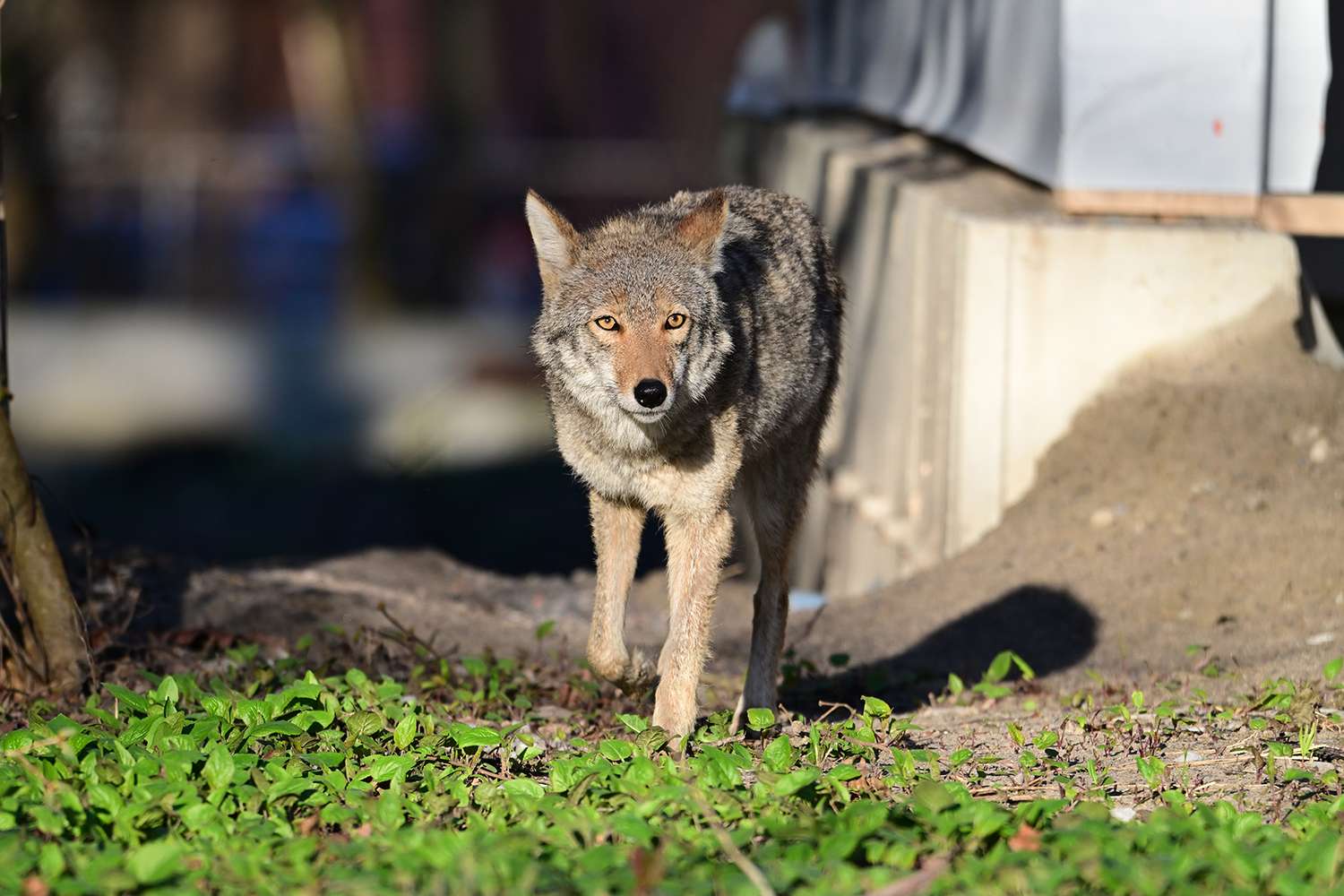
Meeting Coyotes on the Trail
Coyotes have a reputation that often precedes them long before anyone actually sees one in the wild. Stories passed around campfires and online forums sometimes make them sound like fearless predators waiting for the next hiker to wander off the trail. Spending time in the mountains has given me a very different perspective. The few times I have crossed paths with a coyote, the experience felt far less dramatic than the rumors suggest.
One quiet evening on a ridge trail, a coyote appeared about thirty yards ahead, trotting along the same path I had been following for the past hour. It paused briefly, glanced in my direction, and then slipped into the brush as if it had somewhere more important to be. That short encounter revealed something that many hikers eventually realize: coyotes usually prefer distance over confrontation. The mountains are full of animals that would rather avoid humans entirely, and coyotes are often near the top of that list.
Still, the uneasy feeling many people have about coyotes is not entirely unfounded. They are intelligent, adaptable predators capable of surviving in harsh landscapes where many animals struggle. The real question is not whether coyotes are dangerous creatures in general, but how likely they are to pose a real threat to people exploring mountain trails.
The Reputation That Follows Coyotes
Coyotes carry a reputation shaped by centuries of folklore, livestock conflicts, and dramatic headlines. Farmers and ranchers have historically viewed them as persistent predators that target sheep, chickens, and small livestock. These conflicts have helped build the image of the coyote as a relentless hunter that is always looking for its next meal.
Popular media has also played a role in shaping that perception. Television, cartoons, and exaggerated wildlife stories often portray coyotes as aggressive tricksters or clever predators constantly plotting their next attack. Over time, these portrayals have blended with real-world concerns, creating a narrative that paints coyotes as far more dangerous than they typically are.
Out on mountain trails, the truth feels more balanced. Coyotes are opportunistic animals that rely on caution and adaptability to survive. They hunt small mammals, insects, fruit, and occasionally carrion. Humans simply do not fit naturally into their diet, which is one of the main reasons encounters with hikers rarely escalate into anything serious.
What Coyotes Are Really Like in the Wild
Watching a coyote move through a mountain valley reveals a creature that is far more careful than bold. Their ears constantly scan for sound while their nose tests the wind for unfamiliar scents. Even when they appear calm, they remain alert to anything that might signal danger. That instinct to avoid threats is one of the main reasons coyotes tend to keep their distance from people.
Most coyotes weigh between twenty and forty pounds, which places them somewhere between a fox and a medium-sized dog. Despite their modest size, they possess impressive endurance and intelligence. They can travel long distances during the night and adapt quickly to changing environments.
Their diet is remarkably flexible. A typical meal might include rabbits, mice, berries, grasshoppers, or fallen fruit from a tree. In mountain regions, they often follow seasonal patterns, shifting their hunting habits depending on what food sources are available. This adaptability allows them to thrive in places ranging from remote wilderness to the edges of large cities.
Why Coyotes Rarely Attack Humans
Actual attacks on humans are extremely rare, especially in mountain environments where coyotes have plenty of space and natural prey. Most coyotes instinctively avoid people because humans are larger, louder, and unpredictable. From the animal’s perspective, approaching a human is simply not worth the risk.
During my time on mountain trails, coyotes usually react to human presence in one of three ways. They disappear into the brush before anyone even notices them, they pause briefly to observe from a distance, or they move calmly away while keeping an eye on the situation. None of those behaviors suggest an animal eager to challenge a hiker.
Most documented incidents involving coyotes occur in urban or suburban areas where animals have grown accustomed to human activity. In those environments, coyotes sometimes associate people with food sources such as trash, pet food, or small pets. Even in those cases, attacks remain extremely uncommon.
Situations That Can Increase Risk
Although coyotes are generally cautious, certain circumstances can lead to bolder behavior. One of the most common situations involves animals that have become comfortable around humans due to regular food sources. A coyote that regularly finds food near homes or campsites may lose some of its natural fear of people.
Another situation involves the spring breeding season. During this time, coyotes may become more defensive around den sites where pups are being raised. A hiker who unknowingly walks near a den could trigger defensive behavior meant to protect young animals.
Food scarcity can also influence behavior. In extremely harsh seasons, predators may take greater risks while searching for meals. Even then, coyotes usually focus on smaller prey rather than approaching humans directly.
The Sounds That Echo Through the Mountains
Few sounds on a mountain trail create as much curiosity as the distant howl of a coyote. The chorus often begins with a single call that gradually builds as other coyotes join in. Hearing that echo through a canyon can feel mysterious, especially for hikers unfamiliar with the behavior.
The howls serve several purposes. Coyotes use them to communicate with pack members, establish territory boundaries, and coordinate movement across large areas. The sound may travel for miles, creating the illusion that a large group is nearby even when only a few animals are actually present.
Listening to coyotes call across a valley has always felt like part of the mountain’s natural soundtrack. Rather than signaling danger, the sound usually reflects the social nature of these animals as they maintain contact with each other during nighttime activity.
Encounters on the Trail
Most encounters between hikers and coyotes are brief and uneventful. A quick glimpse of a lean shape moving through tall grass or a flash of fur crossing the trail ahead is often all that happens. The animal typically vanishes before a camera even comes out of a backpack.
One afternoon on a rocky overlook, a coyote emerged from a cluster of shrubs and began trotting along the slope below. It kept a steady pace, occasionally glancing uphill while maintaining its distance. After a few minutes, it disappeared behind a line of boulders, leaving the hillside quiet once again.
Moments like that highlight how coyotes navigate their environment with efficiency. They move confidently through terrain that feels challenging for hikers while remaining aware of everything around them. Their presence often adds a sense of wildness to the landscape rather than a feeling of danger.
Practical Safety Around Coyotes
Although coyotes rarely threaten humans, a few simple habits can make encounters even safer. Maintaining awareness of surroundings is always a good starting point. Trails with limited visibility, dense brush, or quiet dawn and dusk conditions can increase the chance of spotting wildlife.
If a coyote does appear nearby, standing tall and making calm but confident noise usually encourages the animal to move away. Coyotes prefer to avoid confrontation, and reminding them that a human is present typically ends the interaction quickly.
Keeping food secured while camping is another important step. Coyotes have excellent noses and may investigate campsites where food scraps or strong scents linger. Proper storage helps prevent animals from associating people with easy meals.
Coyotes and the Balance of the Mountain Ecosystem
Coyotes play an important role in maintaining the balance of mountain ecosystems. By hunting rodents and other small animals, they help regulate populations that might otherwise grow too large. That natural control benefits vegetation and other wildlife that share the same environment.
Their presence also influences the behavior of other predators and scavengers. Coyotes often compete with foxes, bobcats, and birds of prey for similar food sources. This dynamic creates a constantly shifting balance that keeps ecosystems healthy.
Observing coyotes in their natural habitat reveals how interconnected mountain life really is. Each species contributes to the stability of the landscape in ways that are not always immediately visible.
Fear Versus Reality on the Trail
Fear often grows from uncertainty, especially when it involves wild animals that many people rarely see. Coyotes have been surrounded by myths that exaggerate their danger while overlooking their cautious nature. The truth feels far more grounded once someone spends time observing wildlife in the mountains.
Coyotes are skilled survivors that rely on intelligence and adaptability rather than aggression. Their ability to thrive across diverse landscapes demonstrates how flexible their behavior can be. Most of the time, their goal is simply to find food, avoid threats, and continue moving through the terrain.
Seeing a coyote on a mountain trail can actually feel like a privilege rather than a warning sign. The encounter offers a brief glimpse into the quiet lives of animals that share the wilderness with us.
Respecting Wildlife While Exploring the Mountains
The mountains belong to countless species that navigate the terrain long before hikers arrive and long after the trail becomes quiet again. Coyotes are just one part of that larger story. Treating wildlife with respect helps maintain the natural balance that makes these landscapes so remarkable.
Simple habits like giving animals space, avoiding feeding wildlife, and maintaining awareness of surroundings help ensure that both hikers and animals remain safe. These practices allow wildlife to retain their natural behaviors rather than adapting to human presence in unhealthy ways.
Coyotes remind us that the wilderness is still alive with creatures that have learned to survive through instinct and adaptability. Their presence adds depth to every hike, turning an ordinary trail into a living environment full of stories unfolding just beyond the path.
