

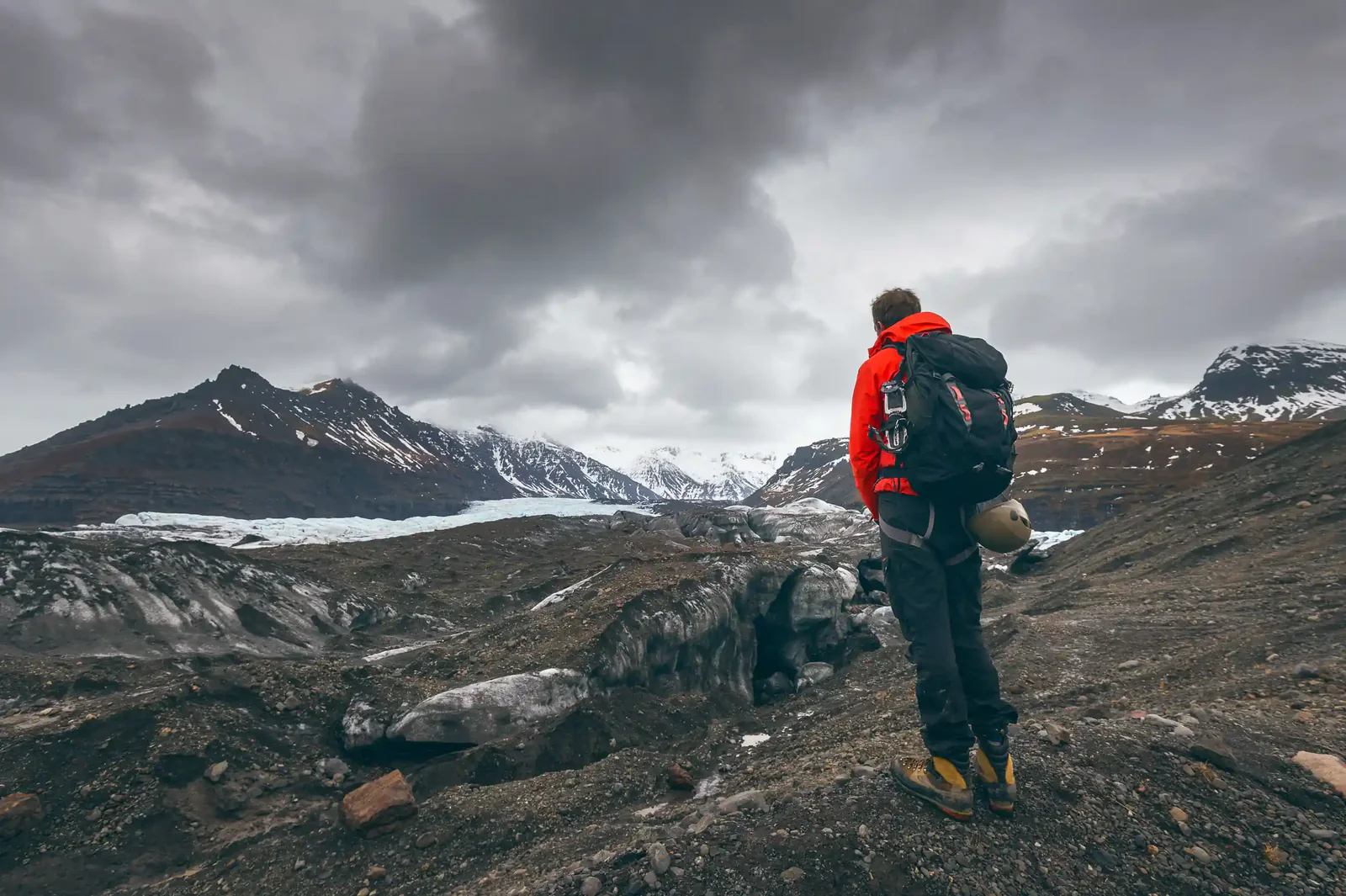
The Mountain Sky Is Always Speaking
The sky above a mountain rarely stays silent for long. Clouds shift, winds change direction, and the temperature can drop before a person realizes what is happening. Spending time on mountain trails taught me that weather is not just something reported in forecasts; it is constantly unfolding overhead. Paying attention to it becomes part of survival.
Mountain environments amplify every change in weather. A small storm in the distance can become dangerous much faster at higher elevations. The terrain channels wind through ridges and valleys, and temperature drops can happen within minutes once the sun disappears behind clouds. Because of this, hikers who watch the sky carefully gain an advantage that can mean the difference between a safe descent and a serious emergency.
Reading the sky is not about predicting the weather with perfect accuracy. It is about noticing signs early enough to react. Darkening clouds, shifting wind, or unusual stillness often appear before major weather events. Recognizing these patterns builds a kind of quiet awareness that grows stronger with every trip into the mountains.
Experience teaches that the sky gives warnings long before conditions become dangerous. Those warnings are subtle, but they are always there for anyone willing to look up and pay attention.
Cloud Shapes That Signal Changing Conditions
Clouds often provide the earliest clues that weather is shifting. Their shapes, movement, and altitude reveal a surprising amount about what may happen next. Watching them while hiking quickly becomes a habit, especially in places where storms build quickly.
Tall, towering clouds that rise like mountains in the sky are often early storm builders. These clouds grow vertically, forming large columns that continue expanding as warm air rises. If those towers keep growing throughout the afternoon, the chances of thunderstorms increase dramatically.
Flat, gray cloud layers spreading across the sky usually signal a longer period of steady weather change. These clouds often bring extended rain or snow rather than sudden storms. In the mountains, that kind of weather can reduce visibility and make trails slippery long before heavy precipitation actually begins.
Wispy clouds high in the sky sometimes drift in before a major weather system arrives. These thin streaks may look harmless, but they often appear hours before rain or snow moves in. Spotting them early can be the difference between reaching camp comfortably and setting up a tent in worsening conditions.
Watching how clouds evolve over time tells an important story. If they grow darker, thicker, or faster-moving, the atmosphere is becoming unstable. That is the moment to start thinking about shelter or changing plans.
Wind Patterns That Reveal What Is Coming
Wind often announces incoming weather changes before clouds fully develop. Feeling how the air moves across a ridge or through a valley can provide important clues about approaching conditions.
A sudden increase in wind speed often means a weather front is moving closer. Gusty winds sweeping across exposed ridges may appear long before storms arrive. Those winds can grow stronger quickly, especially in narrow mountain passes where the terrain funnels air like a natural tunnel.
Changes in wind direction also reveal important information. A steady breeze shifting direction during the afternoon sometimes signals that pressure systems are changing. That shift can lead to cloud formation and rapidly cooling temperatures later in the day.
Strong, erratic gusts often arrive shortly before thunderstorms. The air may feel unsettled, with bursts of wind coming from different directions. Those sudden movements can indicate unstable air rising rapidly, which is a common precursor to lightning storms.
Listening to the wind moving through trees and across rocks provides additional clues. The sound itself changes depending on the strength and direction of the wind. Over time, recognizing those subtle differences helps build a deeper awareness of what the sky is preparing to do.
Temperature Changes That Should Never Be Ignored
Temperature shifts in the mountains can happen with surprising speed. A warm afternoon can turn cold within minutes if clouds move in or winds strengthen. Noticing these changes early can help prevent dangerous situations.
A sudden drop in temperature often signals incoming precipitation. Cooler air usually travels ahead of storms, replacing warmer air that had been sitting over the mountain. Feeling that drop can be one of the clearest warnings that weather conditions are deteriorating.
Humidity can also increase before rain begins. The air may start to feel heavier, and distant landscapes may appear hazier than before. These subtle changes indicate moisture building in the atmosphere.
During colder seasons, temperature changes can signal snow rather than rain. Even in late spring or early fall, high elevations can receive unexpected snowfall. A noticeable chill combined with thickening clouds often points toward that possibility.
Ignoring temperature changes can lead to serious consequences. Cold air combined with wind can create dangerous conditions quickly, especially for hikers who are far from shelter. Recognizing those early signals allows time to add layers or adjust travel plans.
Light And Visibility As Weather Indicators
Light plays a powerful role in how weather develops across mountain landscapes. The way sunlight interacts with clouds, terrain, and atmosphere often provides subtle warnings before conditions worsen.
Bright sunlight suddenly fading behind thick clouds is rarely random. Rapid dimming of daylight often occurs when storm clouds expand quickly overhead. That moment when the landscape loses its sharp brightness usually means something larger is forming above.
Changes in visibility can also signal approaching weather systems. Distant peaks that were once sharp and clear may slowly fade into a gray haze. That fading often means moisture is increasing in the atmosphere, which can lead to rain or snow.
The color of the sky sometimes shifts as storms approach. A deepening gray tone or an unusual greenish tint can appear before severe thunderstorms. While these colors may not always signal danger, they often accompany unstable atmospheric conditions.
Watching how the light changes across the landscape provides valuable information. The mountains themselves often reflect those shifts, turning darker or more muted as clouds thicken overhead.
Sounds That Signal Shifting Weather
Sound behaves differently in the mountains depending on atmospheric conditions. Paying attention to the way sound travels can reveal important clues about weather changes.
Distant thunder often carries farther across mountain valleys than people expect. Hearing faint rumbling even when the sky overhead still appears calm can indicate a storm approaching from beyond nearby ridges. That early warning should never be ignored.
Wind moving through forests and across exposed slopes also changes its tone as storms approach. A steady breeze may become louder and more chaotic as pressure differences increase. Those shifts in sound often accompany strengthening winds.
Rain can sometimes be heard before it reaches a trail. A distant rushing sound moving across trees or rock faces may signal that precipitation is sweeping through a nearby valley. Watching the direction of that movement helps determine whether the storm is heading closer.
Silence can also be meaningful. Wildlife often becomes quiet before major storms arrive. That sudden stillness sometimes signals that animals are responding to atmospheric changes long before humans notice them.
Lightning Warnings Every Hiker Should Recognize
Lightning remains one of the most dangerous threats in mountain environments. Storms can develop quickly, especially during warm afternoons when heat builds throughout the day.
Tall cloud towers with dark bases often signal that lightning may develop soon. If those clouds continue expanding vertically, the chances of thunderstorms increase rapidly. Once thunder becomes audible, lightning is already close enough to pose serious danger.
A metallic smell in the air sometimes appears before lightning strikes nearby. While this scent does not always occur, it can accompany strong electrical activity in the atmosphere. Feeling the hair on your arms stand slightly can also indicate electrical buildup.
Open ridges, summits, and exposed rock formations become particularly dangerous during lightning storms. Descending toward lower terrain as soon as thunder is heard greatly reduces risk. Waiting until rain begins can be far too late.
Storms move quickly in the mountains, but they can still linger longer than expected. Seeking lower ground and avoiding isolated trees or metal equipment becomes essential once lightning activity begins.
The Value Of Constant Awareness
Reading the sky is not a skill developed overnight. It grows gradually through repeated observation during time spent outdoors. Each hike offers new chances to notice patterns and connect them with what happens later.
Paying attention to small details builds confidence. Clouds that once seemed random begin to reveal clear signals. Wind patterns start to make more sense, and temperature changes become easier to interpret.
Over time, watching the sky becomes almost automatic. Glancing upward while walking, feeling the direction of the wind, or noticing how light shifts across the terrain becomes part of moving through the mountains.
This awareness does not eliminate risk entirely, but it significantly improves decision-making. Recognizing early warnings allows hikers to adjust plans before weather becomes dangerous.
Respecting The Power Of Mountain Weather
Mountain weather commands respect because of how quickly it can change. Calm mornings sometimes give way to powerful storms by afternoon, especially in regions with strong atmospheric instability.
Forecasts provide useful guidance before a trip begins, but they cannot capture every local variation in mountain terrain. Valleys, ridges, and elevation differences often create unique microclimates that develop rapidly.
Because of this unpredictability, hikers who rely only on forecasts miss valuable real-time information. The sky itself often reveals more immediate details than any weather report.
Watching those signals becomes a quiet partnership with the landscape. The mountains reveal what is coming, but only to those willing to pay attention.
Respecting that relationship helps hikers move more safely through wild terrain. It encourages patience, awareness, and the willingness to turn back if the sky suggests that conditions are changing too quickly.
Reading the sky ultimately becomes one of the most valuable survival skills in the mountains. Clouds, wind, light, and sound form a language that speaks constantly across the landscape. Learning to recognize that language transforms a simple hike into a deeper connection with the environment and, at times, a lifesaving advantage.
