

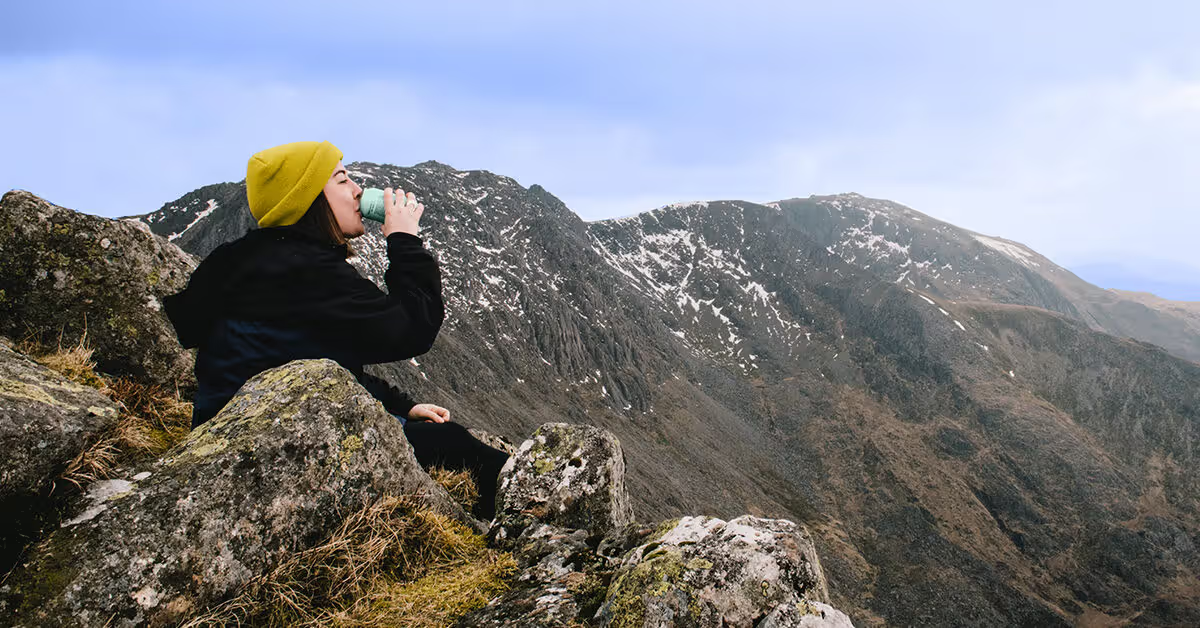
Morning fog clung to the ridges the day I realized how many extraordinary trails hide in plain sight across the United States. Popular parks and iconic summits draw the majority of visitors, yet countless quieter routes weave through forests, deserts, and mountains that rarely appear in guidebooks. These paths often reveal the most intimate encounters with nature because they remain untouched by crowds and noise. I began seeking them out whenever I traveled, guided by curiosity, local advice, and a willingness to wander beyond the obvious trailheads.
Hidden trails feel different from famous ones the moment boots hit the dirt. The air seems calmer, the ground less worn, and the rhythm of hiking becomes more personal. I often hear wind in the trees or distant birds long before spotting another hiker. That solitude transforms a simple walk into something closer to exploration. Each quiet trail offers the feeling that discovery still exists in landscapes many people believe have already been mapped and explored.
The Quiet Magic Of Lesser Known Trails
Crowded trails can still be beautiful, but solitude adds another dimension to outdoor travel. On lesser known paths, the sounds of nature replace the chatter of large groups and the steady clicking of camera shutters. Hiking becomes slower and more thoughtful because the environment invites attention rather than rushing toward a viewpoint. I notice small details such as moss growing along shaded rocks or the faint path of deer tracks crossing the trail.
Local hikers often guard these trails with a quiet sense of pride. They might mention them casually in conversation, sometimes with a smile that hints at their special character. Those suggestions have led me to routes tucked behind small trailheads, hidden forest roads, and unmarked parking areas that most travelers drive past without realizing what lies beyond. Following those hints has shaped some of the most memorable hikes I have experienced.
Hidden trails also offer a chance to reconnect with the original spirit of hiking. Instead of racing to reach a famous overlook, the journey itself becomes the highlight. I feel more present, more aware of the landscape, and more open to unexpected moments that rarely happen on crowded paths.
Beehive Basin Trail In Montana
High in the mountains near Big Sky, Montana, the Beehive Basin Trail reveals a spectacular alpine basin that many travelers overlook. The route begins gently through open meadows before gradually climbing toward a dramatic cirque surrounded by jagged peaks. Wildflowers cover the hillsides during summer, creating a colorful path that shifts from green to purple and yellow as the season progresses.
The climb becomes steeper as the trail approaches the basin, but the scenery keeps motivation strong. Clear streams cut through the meadows and snow sometimes lingers well into early summer along the higher slopes. Each step upward reveals wider views of the surrounding mountains, and the sense of openness grows with every turn in the path.
Reaching the basin feels like stepping into a hidden amphitheater carved by glaciers. A quiet alpine lake sits at the center while rugged peaks rise around it on all sides. Few hikers linger here for long stretches, which allows moments of true stillness that feel increasingly rare in popular mountain regions.
Eagle Rock Loop In Arkansas
Arkansas rarely appears in lists of famous hiking destinations, yet the Eagle Rock Loop offers one of the most rewarding backcountry experiences in the southern United States. The trail winds through the Ouachita Mountains, combining forest ridges, river crossings, and rocky viewpoints that showcase the region’s rugged character. This loop feels adventurous because it blends multiple terrains in a single journey.
Several creek crossings add an element of unpredictability depending on recent rainfall. During dry periods, stepping stones make the crossings manageable, while wetter seasons require careful footing through shallow currents. The water remains refreshingly cool even on warm days, and many hikers pause along the banks to rest and listen to the steady movement of the stream.
The surrounding forest carries a peaceful atmosphere that contrasts sharply with busier parks across the country. Tall pines create filtered light across the trail, and distant ridges appear through openings in the trees. Spending time on this loop brings a feeling of immersion in wilderness without traveling to remote mountain ranges.
Ice Lakes Basin In Colorado
Deep within Colorado’s San Juan Mountains, the trail to Ice Lakes Basin climbs toward one of the most vibrant alpine landscapes I have ever seen. The route begins in dense forest before ascending steeply through rocky slopes and waterfalls. The climb requires effort, but each section of trail reveals new glimpses of the basin above.
Late summer transforms the basin into a remarkable display of wildflowers. Bright patches of columbine, paintbrush, and alpine daisies spread across the hillsides in colors that contrast sharply with the deep blue lakes. Even after visiting multiple times, the scenery still feels surreal because the intensity of the colors shifts throughout the day as sunlight moves across the valley.
The final approach to the lakes reveals the true reward. Turquoise water reflects the surrounding peaks while patches of snow linger in shaded corners of the basin. Although the trail has grown more popular in recent years, visiting early in the morning or later in the evening still offers moments of quiet reflection beside the water.
Hoh River Trail In Washington
Olympic National Park attracts visitors to its famous rainforests, yet the Hoh River Trail stretches far beyond the areas most travelers explore. The first few miles pass through lush forest filled with moss covered trees and towering ferns. Soft ground absorbs the sound of footsteps, creating an atmosphere that feels almost dreamlike.
Continuing deeper along the trail gradually shifts the scenery from dense rainforest to open river valleys surrounded by glaciers. The Hoh River winds through gravel bars and braided channels that change shape with each season. Hiking farther upstream offers increasing views of Mount Olympus rising in the distance.
The trail extends for many miles, making it perfect for multi day trips into the park’s remote interior. Campsites scattered along the route allow hikers to pause beside the river and listen to its constant movement through the valley. Nights here feel incredibly peaceful, especially under the quiet canopy of ancient trees.
Lost Coast Trail In California
California’s Lost Coast remains one of the most rugged and isolated coastal landscapes in the country. The trail follows a stretch of shoreline where steep mountains forced the construction of highways inland, leaving the coast largely untouched. Hiking along this route feels like stepping into a different era where wilderness still shapes the landscape.
Timing matters greatly along this trail because sections of the beach become impassable during high tide. Planning daily mileage around tidal charts adds a layer of strategy that makes the hike feel more adventurous. Walking across smooth sand with waves crashing nearby creates a rhythm unlike any mountain trail.
Wildlife sightings often become part of the journey. Harbor seals rest along the shoreline, and sea lions occasionally appear in the distance. The mix of ocean, cliffs, and open sky creates a powerful sense of remoteness that remains rare along the heavily developed California coast.
Teton Crest Alternatives In Wyoming
The Teton Crest Trail receives much of the attention in Wyoming’s Grand Teton region, yet several nearby routes provide equally stunning views with fewer crowds. One such option climbs through Death Canyon before reaching expansive alpine meadows high above the valley floor. The trail gains elevation steadily, revealing dramatic perspectives of the surrounding peaks.
Wildflowers thrive in these meadows during the warmer months, painting the landscape with bursts of color beneath towering granite cliffs. Marmots whistle from rocky outcrops while distant waterfalls tumble down steep slopes carved by glaciers. Each section of trail opens to wider views of the Tetons rising sharply against the sky.
Camping in these high meadows offers unforgettable evenings. The mountains glow orange and purple during sunset while cool alpine air settles across the valleys. Moments like these highlight how quieter routes often deliver the same breathtaking scenery as the most famous trails.
Small Trailheads Often Lead To Big Adventures
Many hidden trails begin in places that look unremarkable at first glance. A narrow gravel road, a small parking area, or a weathered trail sign can mark the entrance to landscapes few visitors explore. I often feel a sense of curiosity standing at these trailheads because the destination remains largely unknown.
Conversations with locals frequently lead to these discoveries. Rangers, small town café owners, and fellow hikers sometimes share suggestions that never appear in travel articles or social media posts. Their recommendations often reveal trails that hold special meaning within the local community.
Exploring these lesser known paths requires flexibility and patience. Trail conditions may vary, signage might be minimal, and route descriptions can be vague. Those challenges add to the sense of discovery that makes each hike feel personal and memorable.
Why Hidden Trails Leave The Strongest Memories
The most famous destinations often appear in photographs long before anyone arrives in person. Hidden trails offer the opposite experience because expectations remain low while the rewards feel surprising. Each view, river crossing, or forest clearing becomes a genuine discovery rather than a familiar image.
Solitude also deepens the emotional connection to a place. Without crowds, the natural rhythms of wind, water, and wildlife become more noticeable. I often pause longer along these trails simply to absorb the quiet atmosphere surrounding me.
Many of my favorite hiking memories come from trails that rarely appear in popular travel lists. Those routes continue to remind me that exploration still exists within landscapes that millions of people visit every year.
Preserving The Spirit Of Secret Trails
Sharing information about hidden trails requires a careful balance. These places remain special partly because they avoid the heavy traffic that transforms many famous hiking destinations. Responsible hikers play an important role in protecting that character by respecting trail etiquette and minimizing environmental impact.
Packing out trash, staying on established paths, and respecting wildlife helps maintain the fragile ecosystems surrounding these routes. Even small actions contribute to preserving the quiet beauty that makes these trails so appealing. The goal should always be to leave each place exactly as it was found.
Future hikers deserve the same sense of discovery that these trails offer today. Protecting them ensures that new adventurers can experience the same feeling of stepping into a landscape that feels both timeless and personal.
The Endless Search For Quiet Paths
Hidden trails continue to shape how I explore the outdoors. Instead of chasing only famous summits or crowded viewpoints, I search for routes that promise solitude and authenticity. Those paths often reveal landscapes that feel more alive because fewer footsteps pass through them.
Maps, local stories, and curiosity guide the process of finding these places. Each journey becomes part of an ongoing search for quiet corners of the country where nature still dominates the experience. The reward rarely lies in a single destination but in the gradual unfolding of the landscape along the way.
America’s mountains, forests, deserts, and coastlines still hold countless trails waiting quietly beyond the spotlight. Walking those paths offers a reminder that adventure does not always require traveling far from familiar places. Sometimes the most memorable journeys begin at trailheads that most people never notice.
