

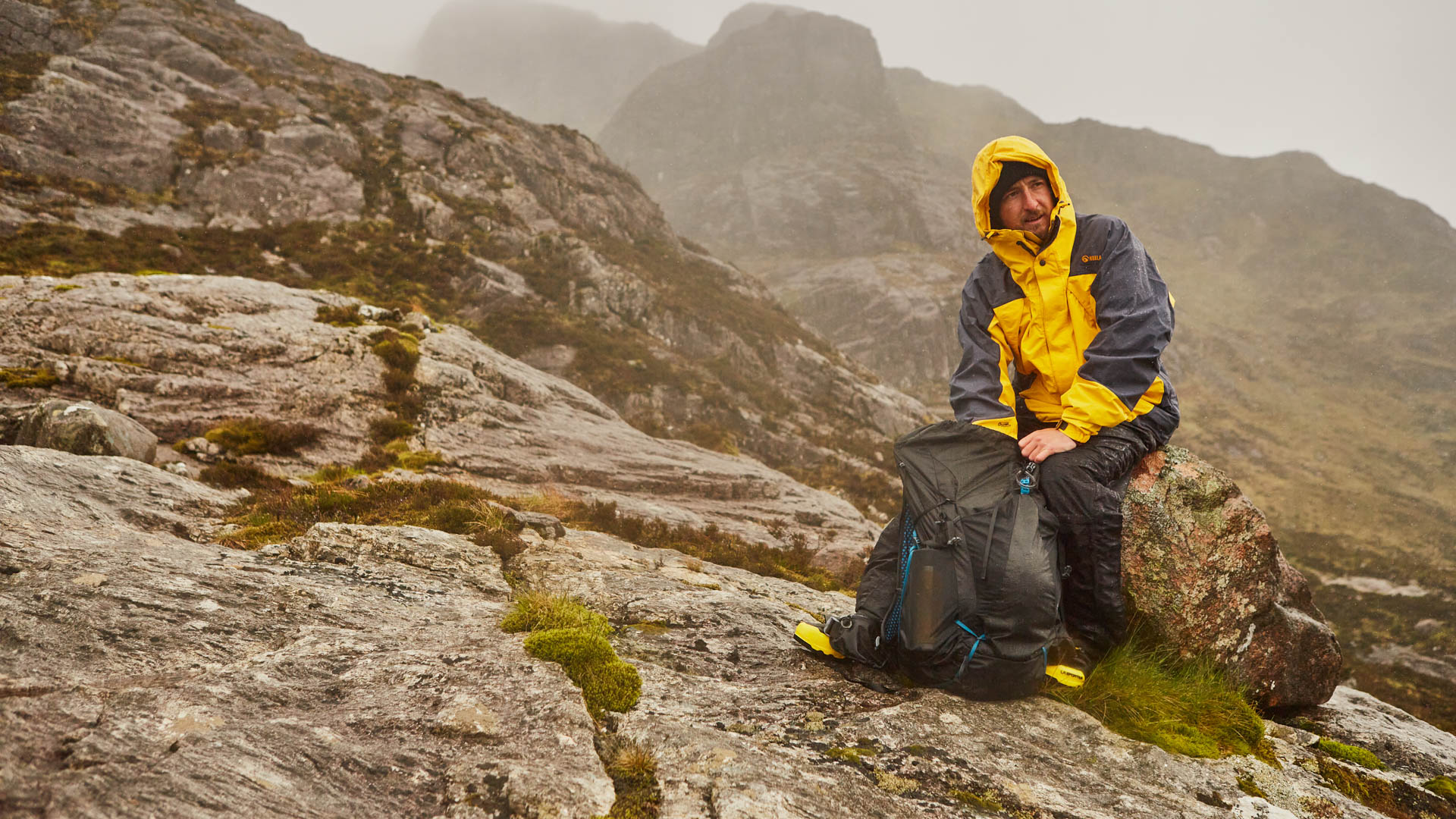
Cold mountain air punishes bad clothing decisions quickly. A sunny trailhead can shift into biting wind, wet snow, or cold rain within hours, and the body reacts just as quickly to those changes. Comfort and safety in the mountains depend less on how thick a jacket looks and more on how well clothing works together as a system.
Layering solves a problem that bulky single garments cannot. The body produces heat while moving, loses it during rest, and constantly battles moisture from sweat or precipitation. A smart layering system manages heat, moisture, and protection at the same time while staying flexible enough to adapt to changing terrain and weather.
Experience in the mountains taught me that warmth is not about piling on heavy clothing. Warmth is about regulating the environment right next to the skin. A well-built layering system traps heat, removes moisture, and shields the body from wind and rain while still allowing movement and ventilation.
Why Layering Works
Human bodies generate heat through movement. Hiking uphill with a pack produces far more warmth than standing still on a windy ridge. Clothing has to adapt to that constant change in heat production, and layering makes that possible.
Multiple layers create small pockets of trapped air between fabrics. Air acts as insulation because it slows the transfer of heat away from the body. A thick coat can trap air, but several lighter layers often trap heat more efficiently while giving flexibility to add or remove pieces during the day.
Moisture control plays a huge role in warmth. Sweat trapped against the skin cools rapidly, especially when wind hits damp clothing. Layering prevents that problem by separating functions between garments. One layer manages moisture, another stores heat, and an outer shell protects everything from weather.
This division of roles keeps the body dry and stable even during long climbs or sudden weather shifts.
The Base Layer: Moisture Management
The base layer sits directly against the skin and handles one of the most important tasks in mountain clothing: moving sweat away from the body. Even in freezing temperatures the body produces moisture during physical activity. If that moisture stays against the skin, heat escapes quickly and the chill arrives fast.
Good base layers use materials that pull sweat outward through the fabric. This process spreads moisture across the surface where it evaporates instead of soaking the skin. The result is a body that stays much drier even during hard climbs.
Merino wool and synthetic fabrics dominate this layer for good reason. Wool regulates temperature well and resists odor during long trips, while synthetics dry faster and handle heavy sweating effectively. Cotton fails in this role because it holds moisture instead of releasing it, which can leave a hiker cold and uncomfortable.
A reliable base layer should feel light and breathable rather than bulky. Its job is not to provide heavy warmth but to maintain a dry microclimate next to the skin.
The Mid Layer: Heat Retention
Heat retention belongs to the mid layer. This piece traps warm air created by body heat and keeps it from escaping too quickly into the cold environment. Without insulation, even a dry body loses warmth quickly in windy mountain conditions.
Fleece, lightweight down, and synthetic insulated jackets all serve as mid layers depending on conditions. Fleece excels during active movement because it breathes well and continues to insulate even when slightly damp. Down provides exceptional warmth for its weight but performs best in dry environments.
Synthetic insulation fills the gap between those two options. It handles moisture better than down and still provides solid warmth during rest breaks or cold mornings. That versatility makes synthetic jackets popular among hikers and climbers.
A mid layer should feel warm without restricting movement. Bulky insulation may seem appealing at the trailhead but often becomes uncomfortable once the body heats up during the climb.
The Shell Layer: Weather Protection
Wind and precipitation steal heat faster than almost anything else in the mountains. The outer shell blocks those forces while allowing moisture from inner layers to escape. Without a protective shell, rain or snow can soak insulation and ruin its ability to trap warmth.
Waterproof and breathable fabrics dominate this layer. They stop rain from entering while allowing sweat vapor to pass outward through microscopic pores. This balance prevents the clammy feeling that happens when moisture gets trapped inside a jacket.
Wind protection alone can make a dramatic difference in perceived warmth. Strong wind strips away the thin layer of warm air surrounding the body, making temperatures feel far colder than they actually are. A shell layer blocks that effect and stabilizes the entire clothing system.
The best shell jackets include adjustable hoods, vents, and cuffs. These small features allow heat and moisture to escape during intense movement while still protecting against harsh weather.
Fabric Matters More Than Brand Names
Outdoor gear marketing often focuses on brand reputation, but fabric performance matters far more than logos. The right material directly affects warmth, dryness, durability, and comfort on the trail.
Merino wool regulates temperature exceptionally well. It can feel warm in cold weather while remaining breathable enough for mild conditions. Its natural resistance to odor also makes it valuable for multi-day trips.
Synthetic fabrics shine during high activity. Polyester blends wick moisture quickly and dry faster than most natural materials. Many base layers combine synthetic fibers with stretch materials to improve mobility and comfort.
Insulation materials also vary widely in performance. High-quality down offers unmatched warmth for weight, while synthetic insulation provides reliable warmth even after exposure to moisture. Both have their place depending on climate and trip duration.
Paying attention to fabric properties helps build a layering system that performs reliably in real mountain conditions.
Adjusting Layers While Moving
Temperature regulation in the mountains requires constant adjustment. Hiking uphill generates intense body heat, while descending or stopping quickly reduces warmth. Clothing needs to adapt to those changes without slowing the pace of travel.
Removing layers early prevents excessive sweating during climbs. Waiting until sweat builds up often leads to damp clothing that cools quickly during rest breaks. Quick adjustments maintain comfort and keep the body from overheating.
Ventilation features make a major difference during movement. Zippers, pit vents, and adjustable cuffs release heat without requiring full removal of a jacket. These small changes allow airflow while still maintaining protection from wind.
Frequent adjustments may seem inconvenient at first, but they keep the body within a comfortable temperature range throughout the day.
Managing Sweat On The Trail
Sweat management plays a major role in staying warm. Wet clothing conducts heat away from the body far faster than dry fabric. A layering system must allow moisture to escape quickly during exertion.
Pacing also influences moisture control. Charging up a steep climb while fully layered almost guarantees heavy sweating. Slowing the pace slightly often reduces moisture buildup and keeps clothing drier.
Opening vents early helps release excess heat before sweat accumulates. Small changes such as loosening cuffs or unzipping the front of a jacket can significantly improve airflow.
Dry clothing means stable warmth. Once layers become soaked with sweat, staying comfortable becomes far more difficult.
Layering For Different Mountain Conditions
Mountain environments vary widely across seasons and elevations. A system that works in early autumn might fail completely during winter storms. Flexibility within the layering setup allows adaptation to these changing environments.
Cool spring hikes often require only a light base layer and breathable mid layer. A shell jacket stays packed until wind or rain arrives. This combination keeps the body comfortable without overheating during steady movement.
Winter travel requires more insulation but still follows the same principles. Moisture control remains critical even in freezing temperatures because sweating can quickly lead to dangerous cooling during rest stops.
High altitude environments add another challenge. Strong winds and intense sunlight can produce dramatic temperature swings within a single day. A versatile layering system helps handle those rapid shifts without carrying excessive clothing.
Packing Extra Layers Without Weight
Mountain travel rewards efficiency. Carrying too many heavy garments slows movement and wastes energy during long climbs. A thoughtful layering system focuses on versatility rather than sheer quantity.
Lightweight insulating jackets compress easily inside a backpack. Down and modern synthetic materials provide excellent warmth while taking up minimal space. These pieces serve as emergency warmth during rest breaks or unexpected weather changes.
Multi-purpose garments also reduce pack weight. A mid layer that works during both movement and rest eliminates the need for separate jackets. This approach simplifies gear choices while maintaining flexibility.
Packing one reliable shell layer often replaces several heavier outer garments. Modern shells combine waterproofing, wind resistance, and breathability in a single piece of gear.
Common Mistakes That Leave Hikers Cold
One of the most common mistakes involves wearing cotton clothing in cold environments. Cotton absorbs sweat and holds it against the skin, creating a chilling effect that can quickly drain body heat.
Another mistake involves overdressing at the start of a hike. Starting warm may feel comfortable for the first few minutes, but the body soon produces excess heat during climbs. Sweat accumulates quickly and creates damp clothing that cools rapidly later.
Ignoring wind protection also leads to discomfort. Even moderate wind dramatically increases heat loss, especially when combined with damp clothing. A simple windproof shell often makes a bigger difference than adding thicker insulation.
Poor ventilation habits can also sabotage a layering system. Small adjustments throughout the day keep moisture levels under control and maintain warmth.
A Simple Layering System I Trust
Years of hiking and climbing shaped a layering system that remains simple yet dependable. A lightweight synthetic or merino base layer handles moisture and keeps the skin dry during movement. This piece remains comfortable across a wide range of temperatures.
A breathable fleece or light insulated jacket works as the primary mid layer. It traps heat effectively while still allowing airflow during climbs. This balance keeps the body warm without creating excessive sweat.
A waterproof shell completes the system. Wind protection, rain resistance, and ventilation features make it adaptable to unpredictable mountain weather. The shell stays packed until needed but becomes essential when conditions shift.
This combination remains flexible enough for most mountain trips. Layers can be added, removed, or adjusted throughout the day while maintaining warmth and dryness.
Mountain weather never stays predictable for long. A thoughtful layering system turns clothing into a tool that responds to those changes rather than fighting them. With the right layers working together, the body stays warm, dry, and ready for whatever the trail delivers.
