

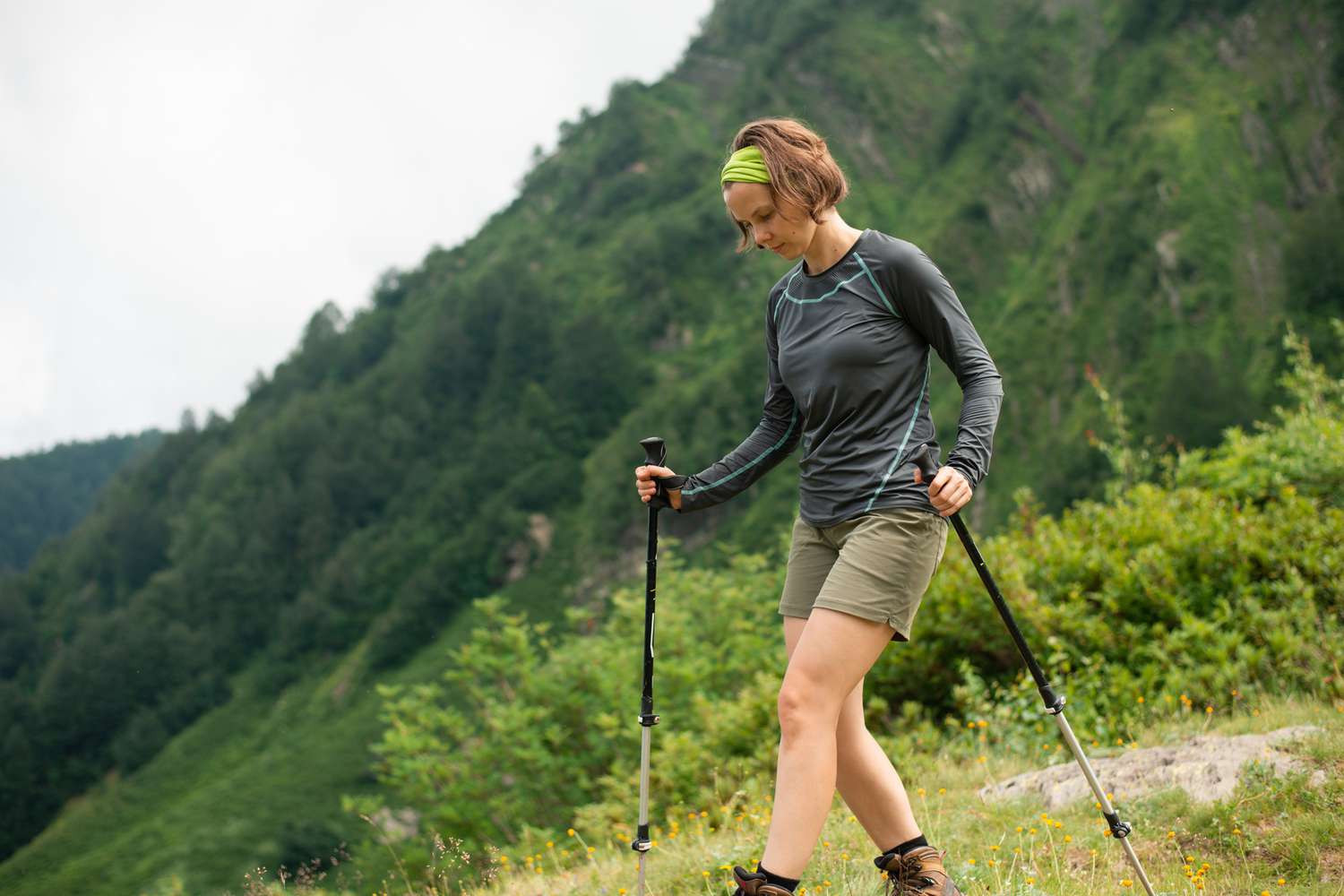
Mountain trails have a way of revealing what truly matters in a pack. Weight, comfort, stability, and safety quickly become more than abstract ideas once the ground tilts upward and the path narrows. Over time, gear that once seemed optional begins to earn its place through experience rather than marketing claims. Trekking poles sit right in the middle of this debate, often dismissed by some hikers while praised by others who rarely step onto a trail without them.
The question often surfaces during conversations with other hikers: are trekking poles just another expensive accessory, or are they genuinely useful tools on the mountain? Opinions vary widely, and many hikers feel strongly about their answer. My perspective changed gradually over the years as different terrains, longer hikes, and tougher descents reshaped how I look at equipment.
Carrying trekking poles can feel unnecessary during the first few hikes. A simple trail through gentle terrain rarely demands extra support, and the poles might seem like more trouble than they are worth. Yet mountains have a habit of introducing situations where balance, endurance, and joint protection suddenly matter more than simplicity.
My own relationship with trekking poles developed slowly. Early hikes were done without them, partly because they seemed excessive and partly because I did not want to carry more gear. Over time, steep climbs, slippery descents, and long distances revealed how much energy stability can save and how much strain poles can absorb.
Stability on Uneven Terrain
Mountain trails rarely stay predictable for long. Rocks shift underfoot, tree roots weave across the path, and loose gravel can turn a simple step into a small balancing act. Trekking poles add two additional contact points with the ground, transforming balance in subtle but meaningful ways.
Each step becomes more deliberate with poles in hand. Instead of relying entirely on legs and core muscles to maintain stability, the arms assist with distributing effort. This extra support becomes especially valuable while crossing streams, scrambling across boulders, or navigating narrow ridges where one misstep could lead to a painful fall.
Stability also influences confidence on the trail. Moving across tricky terrain with poles allows a steadier rhythm, which helps conserve mental energy as well as physical strength. Over long distances, this sense of control can make the difference between a stressful hike and an enjoyable one.
Relief for Knees and Joints
Descending a mountain often proves more demanding than climbing it. Gravity pulls relentlessly, and every step places pressure on knees, ankles, and hips. Without support, long downhill sections can leave joints aching long after the hike ends.
Trekking poles act as shock absorbers during descents. By transferring part of the load to the upper body, they reduce the strain placed on the lower joints. This shift may seem small in the moment, but the cumulative effect over thousands of steps becomes significant.
After particularly steep hikes, the difference becomes obvious. Legs still feel tired, but the sharp soreness in the knees is noticeably reduced. That extra protection allows longer adventures and quicker recovery between hikes.
Endurance Over Long Distances
Energy management matters greatly on extended treks. Even small inefficiencies can accumulate into fatigue after several hours on the trail. Trekking poles encourage a balanced rhythm that distributes effort across more muscle groups.
Arms and shoulders join the movement, assisting with forward momentum during climbs and stabilizing steps on flat ground. This shared workload reduces the constant demand placed solely on the legs. Over time, the body settles into a steady pace that feels sustainable for longer distances.
Another benefit appears in the form of posture. Poles help maintain an upright position, preventing the hunched stance that often develops when carrying a heavy pack. Maintaining proper posture keeps breathing easier and helps conserve energy during long ascents.
Navigating Difficult Descents
Some trails transform dramatically once the summit has been reached. What felt manageable on the way up can become treacherous during the descent. Loose scree, wet rocks, and steep switchbacks require careful foot placement.
Trekking poles provide an extra layer of control in these moments. Planting the poles ahead creates a stable frame that helps manage downward momentum. Each step feels more deliberate, reducing the risk of slipping or sliding.
This added control also helps preserve confidence late in the hike. Fatigue tends to weaken coordination, and the last few miles often feel the hardest. Poles help maintain stability even when the legs start to tire.
Weight and Pack Efficiency
One argument against trekking poles revolves around simplicity. Some hikers prefer carrying as little gear as possible, valuing minimalism above all else. At first glance, poles appear to contradict that philosophy.
Modern trekking poles, however, are surprisingly lightweight. Many models fold or collapse into compact sizes that attach easily to a backpack when not needed. Their weight becomes almost negligible compared to the benefits they provide over long distances.
Another interesting advantage emerges during breaks. Poles can support lightweight shelters or tarps in certain camping setups, reducing the need for additional tent poles. This dual purpose turns a seemingly extra item into a multifunctional piece of gear.
Technique Matters More Than Gear
Owning trekking poles does not automatically make them effective. Proper technique plays a major role in unlocking their benefits. Incorrect use can make them feel awkward or even tiring.
The rhythm between arms and legs should feel natural, almost like walking with an extended stride. Alternating pole placement with each step creates a smooth and balanced motion. With practice, the movement becomes instinctive and efficient.
Pole length also affects comfort. Shorter lengths tend to work better for steep climbs, while slightly longer adjustments support descents. Small adjustments during a hike allow the poles to match the terrain.
Situations Where Poles May Feel Optional
Not every trail demands trekking poles. Short hikes on smooth, well-maintained paths rarely require additional support. Many hikers complete such routes comfortably without extra gear.
Warm weather day hikes with minimal elevation gain often fall into this category. The ground remains predictable, and the physical demand stays moderate. In these cases, poles might stay attached to the pack or remain at home altogether.
Still, conditions can change unexpectedly. Rain, loose soil, or unexpected fatigue can quickly turn an easy trail into something more demanding. Having poles available can provide reassurance even if they are not constantly used.
Psychological Benefits on the Trail
Physical advantages often receive the most attention, but trekking poles offer mental benefits as well. A steady rhythm created by pole movement can help maintain focus during long stretches of trail. Each step follows a pattern that keeps the mind engaged.
That rhythm also creates a sense of momentum. Instead of feeling stalled by steep climbs or rough terrain, the poles provide a consistent cadence that encourages forward progress. This mental boost can be surprisingly powerful during demanding sections.
Confidence also grows with experience. Knowing that balance and support are available allows hikers to tackle more challenging routes with greater ease. The trail begins to feel less intimidating and more inviting.
Cost Versus Value
The price of trekking poles varies widely. Basic aluminum models remain affordable, while premium carbon fiber versions can reach much higher price points. This range sometimes fuels the idea that poles belong in the category of luxury gear.
Cost alone does not determine usefulness. Even simple models provide stability, joint relief, and endurance benefits. The key difference between price levels often lies in weight, durability, and comfort features.
Over time, the value becomes clearer. A reliable pair of trekking poles can last for many years, accompanying countless hikes across different landscapes. Viewed over that span, the investment feels far more practical than extravagant.
Trail Culture and Personal Preference
Mountain culture embraces a wide range of hiking styles. Some hikers prefer minimalist approaches, carrying little more than water and basic essentials. Others appreciate specialized gear that enhances comfort and safety.
Trekking poles sit at the intersection of these philosophies. Some hikers see them as unnecessary additions, while others consider them indispensable. Neither perspective is entirely wrong, because personal preference plays a large role in outdoor experiences.
The trail itself often shapes these preferences. Rugged mountain routes encourage the use of poles far more than gentle forest walks. As hikers explore new environments, their gear choices tend to evolve accordingly.
Experience Changes the Perspective
Many hikers begin their journey without trekking poles. Early adventures often focus on simplicity and experimentation, discovering what gear truly matters. With time and experience, opinions about equipment shift naturally.
Longer distances, heavier packs, and more technical trails highlight the advantages of reliable support. Poles gradually move from optional accessories to trusted companions. That transition rarely happens overnight but develops through repeated encounters with challenging terrain.
Experience also teaches how to adapt gear to different situations. Some hikes demand full use of trekking poles, while others allow them to stay folded away. Flexibility becomes part of the overall strategy for navigating the mountains.
Luxury or Essential?
The debate surrounding trekking poles continues in hiking circles, yet the answer ultimately depends on how and where someone hikes. For casual walkers on smooth trails, poles might indeed feel unnecessary. Their absence rarely limits enjoyment in those settings.
Mountain trekking tells a different story. Steep slopes, loose surfaces, and long distances reveal how valuable stability and joint protection can be. In those environments, trekking poles transform from luxury items into practical tools that improve safety and endurance.
My own pack now includes trekking poles more often than not. The added stability, reduced strain, and steady rhythm make long hikes more comfortable and sustainable. Mountains will always challenge hikers in unexpected ways, and a simple pair of poles offers a reliable advantage on the trail.
