

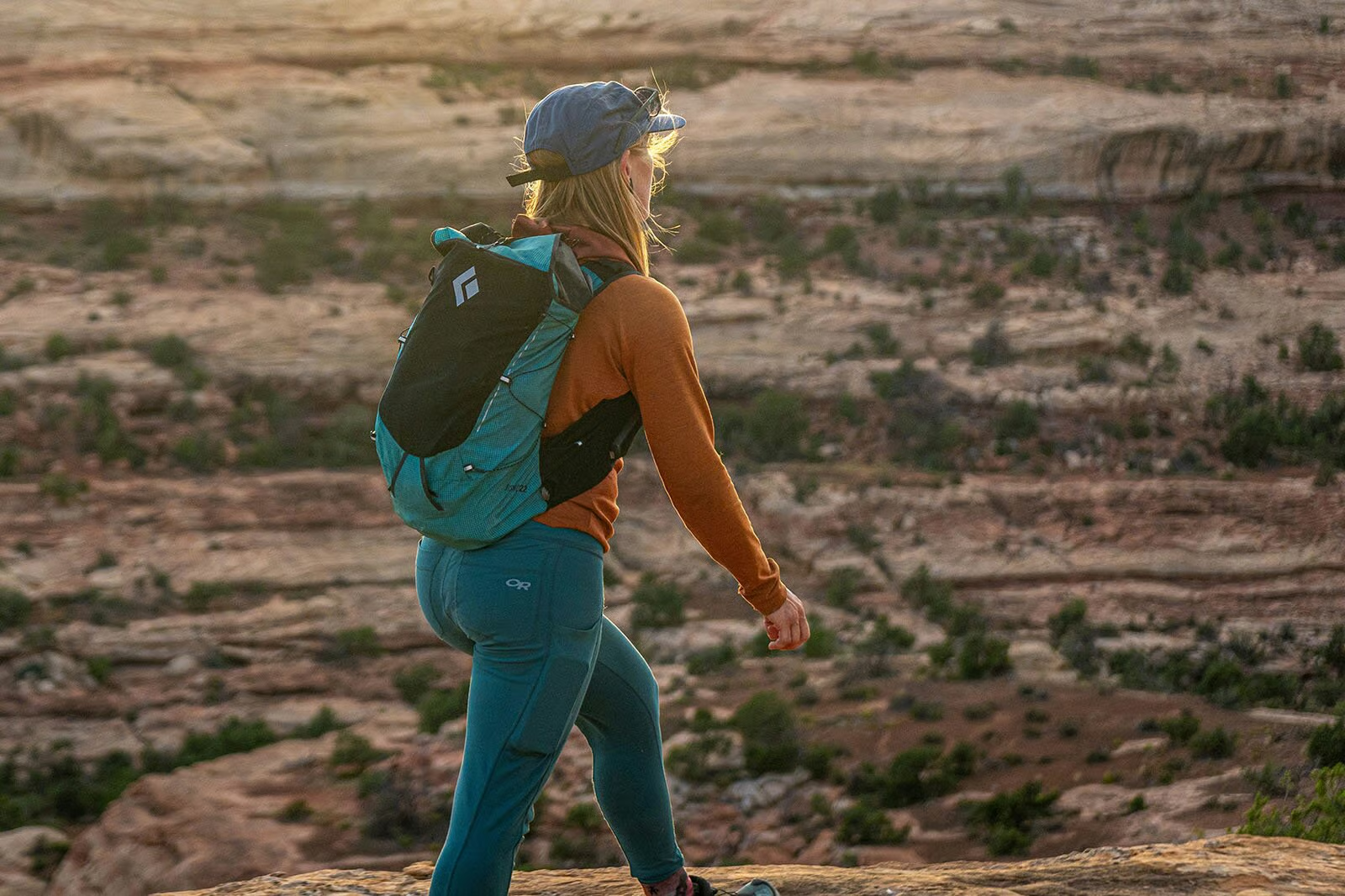
Backpacks tell stories long before the first step of a hike. The way they sag, bulge, and strain against shoulder straps reveals whether the load inside has been carefully planned or thrown together in a rush. Many hikers, including me, have discovered the hard way that carrying too much weight turns even the most beautiful trail into a tiring struggle.
An overloaded pack does more than slow progress. It strains joints, drains energy, and often forces hikers to stop more frequently than expected. The difference between an enjoyable trek and a miserable slog often comes down to what is sitting inside the backpack.
Fixing the overloaded pack problem does not require expensive gear or complicated systems. It requires honest evaluation, practical decisions, and a willingness to leave unnecessary items behind. Once those habits develop, hiking becomes smoother, lighter, and far more enjoyable.
Why Backpack Weight Becomes A Serious Trail Problem
A heavy pack rarely feels like a problem at the trailhead. Energy is high, excitement is fresh, and the body feels ready for the miles ahead. The trouble appears after the first hour, when shoulders begin to ache and the hips feel the constant pressure of excess weight.
Mountain trails amplify the effects of a heavy load. Steep climbs force legs to push harder with every step, while descents place extra stress on knees and ankles. A pack that felt manageable on flat ground suddenly becomes a burden that drains strength with alarming speed.
Fatigue from excess weight also increases the risk of mistakes. Slower reaction times, shaky footing, and mental exhaustion can all turn small trail challenges into serious hazards. Lightening the pack does more than improve comfort; it protects safety and endurance during long days in the mountains.
How Extra Gear Quietly Finds Its Way Into The Pack
Overloaded backpacks rarely happen because someone intentionally wants to carry too much weight. The problem grows slowly through small decisions made during packing. Each item feels useful on its own, but together they create a load that becomes difficult to manage.
Fear plays a large role in these choices. Hikers worry about unexpected weather, hunger, injury, or equipment failure. Packing extra clothing, backup gear, and additional food seems like a responsible decision at the time.
Comfort items also contribute to the growing weight. Camp shoes, oversized cooking gear, heavy camera equipment, and bulky sleeping systems all promise enjoyment on the trail. Without careful limits, these extras pile up until the pack feels more like luggage than hiking equipment.
Signs Your Backpack Is Carrying Too Much
A heavy pack sends clear signals during a hike. Shoulder straps dig into muscles, and hips grow sore from the constant downward pressure. Small breaks become necessary far more often than expected.
Balance often changes as well. A tall, top-heavy load can shift with every step, forcing constant adjustments to maintain stability. Crossing streams, stepping over rocks, or navigating narrow ridges becomes noticeably more difficult.
Another clear sign appears in how quickly energy disappears. A hike that should feel steady and manageable turns into a cycle of short bursts of effort followed by long rests. Once this pattern begins, the day’s progress slows dramatically.
The Simple Math Of Pack Weight
A widely accepted guideline among hikers suggests keeping pack weight below twenty percent of body weight. For someone weighing 150 pounds, that means carrying roughly 30 pounds or less. Many hikers unknowingly exceed that number by a large margin.
The weight of individual items can be surprising. A large water bottle, heavy jacket, bulky sleeping bag, and metal cookware may not seem excessive separately. Together they quickly push the pack well beyond comfortable limits.
Measuring gear before a trip provides clarity that guesswork cannot match. A small digital scale reveals where the weight truly sits. Often a few surprisingly heavy items account for a large portion of the total load.
Packing With Intention Instead Of Habit
Thoughtful packing begins with a clear picture of the trip ahead. Distance, terrain, expected weather, and water availability all influence what belongs in the backpack. Gear that serves no real purpose for those conditions should remain at home.
Habit often leads hikers to carry the same items on every trip. This routine ignores the unique needs of each trail. A warm summer hike, for example, rarely requires the same clothing and insulation used for cold mountain conditions.
Evaluating each item with honest questions helps reduce unnecessary weight. Does this serve an important purpose? Will it realistically be used during the hike? If the answer is uncertain, the item may not belong in the pack.
The Power Of Multipurpose Gear
Items that perform more than one task reduce both pack weight and clutter. A bandana can function as a towel, sun protection, water pre-filter, or emergency bandage. Trekking poles support balance while also assisting with shelter setups.
Clothing layers also benefit from versatility. A lightweight jacket that blocks wind and light rain removes the need for multiple bulky garments. Simple systems like this provide protection without adding excessive weight.
Multipurpose tools create similar advantages. A compact multitool replaces several separate pieces of equipment, while a lightweight cook pot can double as a bowl. These small efficiencies add up across the entire pack.
Smarter Food Planning On The Trail
Food often becomes one of the heaviest parts of a backpack. Packing far more than necessary is common, especially on shorter hikes. The extra weight remains untouched yet carried mile after mile.
Trail meals should focus on energy and efficiency. Lightweight foods such as nuts, dehydrated meals, energy bars, and instant grains provide strong calorie density without adding unnecessary bulk.
Careful planning based on trip length prevents overpacking. A clear meal plan ensures that every item in the food bag has a purpose. The result is lighter travel and fewer leftovers returning home.
Gear Placement That Improves Comfort
Even a well-planned pack can feel uncomfortable if the weight sits in the wrong place. Heavy items positioned too high or too far from the back create imbalance that quickly tires the body.
Dense gear should sit close to the spine and near the middle of the pack. This placement stabilizes the load and keeps the center of gravity aligned with natural movement. Lighter items can fill outer areas without affecting balance.
Small adjustments in packing order often make a noticeable difference. A properly balanced pack feels secure rather than unstable. Movement becomes smoother, and fatigue arrives far more slowly.
Building A Lightweight Mindset
Fixing the overloaded pack problem begins with shifting how gear decisions are made. Carrying less becomes a conscious goal rather than an afterthought. Each trip offers a chance to refine what truly belongs in the backpack.
Experience quickly proves the benefits of lighter travel. Trails feel shorter, climbs become easier, and energy lasts longer throughout the day. The mountains become something to explore rather than endure.
Confidence also grows with practice. Hikers realize that many items once considered essential rarely leave the pack. Removing them from future trips feels natural instead of risky.
Testing Gear Before Big Trips
Short hikes provide the perfect opportunity to experiment with lighter setups. These practice trips reveal which items work well and which ones remain unnecessary.
Testing gear also builds trust in equipment. A shelter pitched during a short outing feels familiar during longer adventures. Clothing layers and cooking systems perform predictably because they have already been used.
Each practice trip improves packing efficiency. The pack becomes more organized, the load lighter, and the trail experience more enjoyable.
Small Changes That Make A Big Difference
Major improvements in pack weight rarely come from a single decision. They emerge from a series of small adjustments made over time. Replacing a heavy jacket, reducing excess food, and removing unused gear gradually transform the load.
The combined effect of these changes can remove several pounds from a backpack. That difference becomes noticeable within the first few miles of a hike. Movement feels easier, breathing steadier, and energy far more consistent.
Consistency keeps these improvements lasting. After several trips with a lighter pack, the habit of packing carefully becomes second nature.
The Reward Of A Balanced Backpack
A well-packed backpack transforms the entire hiking experience. Instead of focusing on sore shoulders or aching legs, attention returns to the trail itself. Mountain views, forest sounds, and the rhythm of walking become the center of the journey.
Longer distances feel achievable because energy remains steady. Campsites are reached with enough strength left to enjoy the evening rather than collapse in exhaustion. The mountains feel welcoming instead of overwhelming.
Fixing the overloaded pack problem ultimately changes how hiking feels from beginning to end. With thoughtful packing and a lighter load, every step becomes part of a smoother and far more rewarding adventure.
