

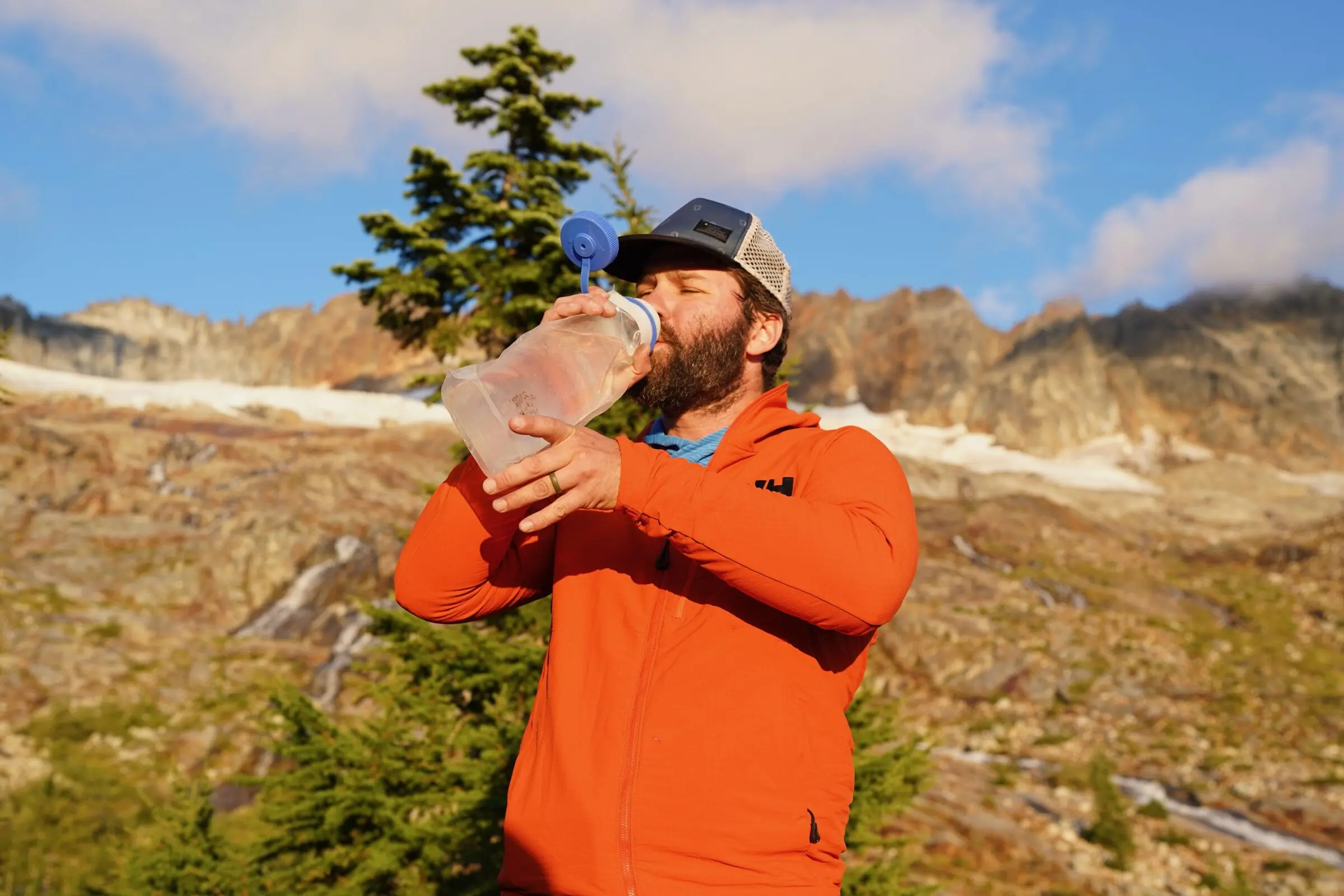
Clean drinking water quickly becomes the most valuable resource on any mountain trip. Long miles on the trail drain energy, and dehydration can creep in faster than expected. Streams and alpine lakes may look pristine, yet microscopic threats often hide beneath that crystal surface. Parasites, bacteria, and other contaminants turn a refreshing sip into a potential health risk if the water is untreated.
Two methods dominate most hikers’ packs: portable water filters and purification tablets. Both promise safe hydration in the wilderness, yet they operate in very different ways. Over years of hiking mountain trails, I have relied on both systems in changing terrain, unpredictable weather, and long-distance treks where reliability mattered more than convenience.
The debate between filters and tablets often sparks strong opinions around campfires. Some hikers swear by the speed of a filter, while others prefer the featherweight simplicity of chemical tablets. Real experience on the trail reveals that each option shines under certain conditions and struggles in others. Examining how they perform in real mountain environments makes the decision much clearer.
Why Safe Water Matters On The Mountain
Mountain water often appears cleaner than anything flowing through a city faucet. Snowmelt streams tumble down granite slopes, and high alpine lakes shimmer with incredible clarity. That beauty hides organisms such as Giardia, Cryptosporidium, and harmful bacteria that are invisible to the eye.
Consuming untreated water can quickly turn a dream trek into a miserable ordeal. Stomach illness in remote terrain means fatigue, dehydration, and potentially dangerous situations far from help. Even a mild infection can drain energy and ruin days of hiking that took months to plan.
Reliable water treatment is not optional in the backcountry. Whether filtering or chemically purifying, hikers need a dependable way to eliminate contaminants before drinking. The question is not whether to treat water, but which method provides the best balance of safety, weight, and practicality.
How Water Filters Work On The Trail
Portable water filters physically remove contaminants by forcing water through a fine membrane. These membranes contain microscopic pores that trap bacteria, protozoa, and sediment while allowing clean water to pass through. The result is water that is safe to drink almost immediately.
Many backpacking filters use hollow fiber technology. Water flows through thousands of tiny tubes whose walls contain pores small enough to block most pathogens. Gravity filters, squeeze filters, and pump filters all rely on this basic principle, though the design changes how water moves through the system.
Using a filter in the mountains often feels straightforward. Water goes in from a stream, and drinkable water comes out with minimal waiting. That immediacy makes filters appealing after long climbs where stopping for twenty minutes while thirsty feels frustrating.
Filters also improve taste and clarity. Sediment, algae, and floating debris disappear as water passes through the membrane. Drinking filtered water from a murky pond suddenly feels like sipping from a clean spring.
How Purification Tablets Treat Water
Purification tablets rely on chemical reactions rather than physical barriers. Most tablets contain chlorine dioxide or iodine, which kill microorganisms that cause waterborne illness. When dropped into a bottle of untreated water, the chemical spreads throughout the container and begins neutralizing pathogens.
The process takes time. Depending on the product and water temperature, purification usually requires fifteen minutes to four hours before the water is safe to drink. Cold alpine water often slows the chemical reaction, extending the wait.
Tablets target organisms that filters sometimes miss. Viruses, which are extremely small compared to bacteria, can pass through many basic filters. Chemical purification destroys those viruses, providing a broader level of protection in certain environments.
Simplicity remains the greatest advantage of tablets. A small strip weighs almost nothing and occupies virtually no space in a pack. There are no moving parts, membranes, or hoses that might clog or break during a long trek.
Speed And Convenience On Long Hikes
Speed becomes critical during demanding days in the mountains. Long climbs under the sun can leave a hiker desperate for water at the next stream crossing. In these moments, waiting thirty minutes for a tablet to work feels painfully slow.
Filters excel in this category. Water can be treated and consumed immediately, allowing hikers to refill bottles quickly before continuing down the trail. On hot days or strenuous ascents, that immediate access can make a huge difference in comfort and performance.
Tablets introduce patience into the process. Filling a bottle and waiting before drinking means planning ahead. If water runs out before the treatment time finishes, frustration builds quickly.
However, convenience changes when traveling through areas with limited water sources. Dropping tablets into a full bottle while hiking allows purification to occur during movement. By the time the next break arrives, the water is ready to drink without any additional effort.
Weight And Pack Space Considerations
Backpack weight influences every mile on a mountain trail. Lightweight gear reduces fatigue and helps maintain energy during long days of hiking. Water treatment gear may seem small, but every ounce matters during multi-day trips.
Purification tablets are almost impossibly light. A few grams of chemicals can treat dozens of liters of water. For minimalist hikers counting every gram, tablets feel like the obvious choice.
Filters weigh more, though many modern models remain surprisingly compact. A small squeeze filter might weigh only a few ounces, yet that still outweighs a strip of tablets. The difference may not matter to many hikers, but ultralight backpackers notice every added gram.
Pack space also favors tablets. They slip into tiny pockets or emergency kits without adding bulk. Filters require space for the device itself and sometimes extra bags or tubing.
Despite the added weight, filters often replace the need to carry extra water. Since clean water becomes available instantly at streams, hikers can travel with lighter water loads between sources.
Reliability In Harsh Mountain Conditions
Mountain environments test gear in unpredictable ways. Freezing temperatures, muddy water, and accidental drops can all challenge water treatment systems. Reliability becomes a serious factor during extended trips far from civilization.
Filters contain delicate membranes that can be damaged by freezing. If water trapped inside the filter freezes overnight, microscopic cracks may form in the fibers. Those cracks can allow pathogens to pass through unnoticed.
Tablets avoid that problem entirely. Chemicals remain effective even in freezing conditions as long as they stay dry. Cold water may slow their reaction time, but it rarely prevents them from working.
Clogging presents another challenge for filters. Silty streams or glacial runoff can fill membranes with fine sediment. Cleaning or backflushing usually restores flow, yet the process can interrupt a smooth hiking rhythm.
Tablets do not clog, break, or require maintenance. Their reliability lies in their simplicity, which becomes valuable during storms, freezing nights, or long journeys where equipment failure would be inconvenient.
Taste And Drinking Experience
Water flavor rarely receives attention until something tastes wrong. Chemical purification sometimes leaves a noticeable aftertaste that some hikers dislike. Iodine tablets in particular can produce a sharp medicinal flavor that lingers.
Chlorine dioxide tablets tend to create a milder taste, though sensitive palates may still detect it. Some hikers add flavored electrolyte powders to mask the chemical note.
Filters usually produce cleaner tasting water. Sediment, organic debris, and algae disappear, leaving water that feels fresh and crisp. The difference becomes obvious when filtering water from shallow ponds or slow-moving streams.
Taste alone should never outweigh safety, yet it influences daily comfort during long hikes. Drinking plenty of water becomes easier when the flavor feels natural rather than chemical.
Performance In Different Water Sources
Mountain terrain provides a wide variety of water sources. Fast streams, shallow puddles, snowmelt trickles, and stagnant ponds each present unique challenges for water treatment.
Filters perform best with relatively clear water. Even murky sources can be filtered, but sediment may clog the membrane more quickly. Pre-filtering through a bandana or cloth often helps extend the filter’s lifespan.
Tablets work well regardless of sediment, though cloudy water may reduce their effectiveness slightly. Allowing particles to settle before treatment improves results.
In areas where livestock or heavy human activity exist, viruses become a concern. Tablets offer broader protection in those situations because chemicals kill organisms that many filters cannot capture.
High alpine environments with minimal human presence often contain fewer viruses. In those conditions, filters provide excellent protection while delivering water instantly.
Cost Over Time
Budget plays a role in gear decisions, especially for hikers who spend many weekends on the trail. Filters typically require a higher upfront investment. A quality backpacking filter can cost significantly more than a pack of tablets.
The long-term picture tells a different story. Most filters can treat thousands of liters before replacement becomes necessary. Frequent hikers may rely on the same filter for several seasons.
Tablets must be replaced regularly. Each tablet treats only a certain amount of water, meaning long trips require multiple packages. Over time, the cost may exceed that of a durable filter.
Occasional hikers may still prefer tablets because they avoid the initial expense. For those who spend many days on the trail each year, filters often become the more economical choice.
Emergency Preparedness And Backup Plans
Experienced hikers rarely rely on a single water treatment method. Gear can fail, supplies can run out, and unexpected conditions can arise in remote terrain. Carrying a backup system often prevents small problems from becoming serious ones.
Many hikers pair a primary filter with a small strip of purification tablets. If the filter clogs, freezes, or breaks, tablets provide a reliable backup solution. The extra weight remains minimal while adding significant security.
Emergency situations highlight the value of redundancy. A lost filter during a river crossing or a cracked bottle can change plans quickly. Having tablets tucked into a first aid kit can save an entire trip.
This combination approach also offers flexibility. Filters handle most daily water needs, while tablets remain available for questionable sources or equipment issues.
The Final Verdict From The Trail
Both water filters and purification tablets earn a place in mountain travel. Each method carries advantages that shine in different situations. Deciding between them depends on hiking style, terrain, and personal priorities.
Filters deliver unmatched convenience. Immediate drinking water, better taste, and efficient treatment make them ideal for frequent hydration during demanding hikes. Many backpackers prefer them for everyday use because they simplify the routine of refilling bottles along the trail.
Purification tablets excel in simplicity and reliability. Their tiny weight, resistance to freezing damage, and ability to eliminate viruses make them valuable in certain environments. They also serve as an excellent backup when primary systems fail.
Experience on countless trails leads to a balanced conclusion. Filters handle most water treatment needs quickly and comfortably, making them the preferred primary tool for many hikers. Tablets remain essential insurance, quietly waiting in a pack for the moment when backup becomes necessary.
Safe water remains the foundation of any successful mountain adventure. Whether filtering a cold alpine stream or dropping tablets into a bottle beneath towering peaks, the goal remains the same. Clean water keeps energy high, spirits strong, and the journey moving forward through wild places.
