

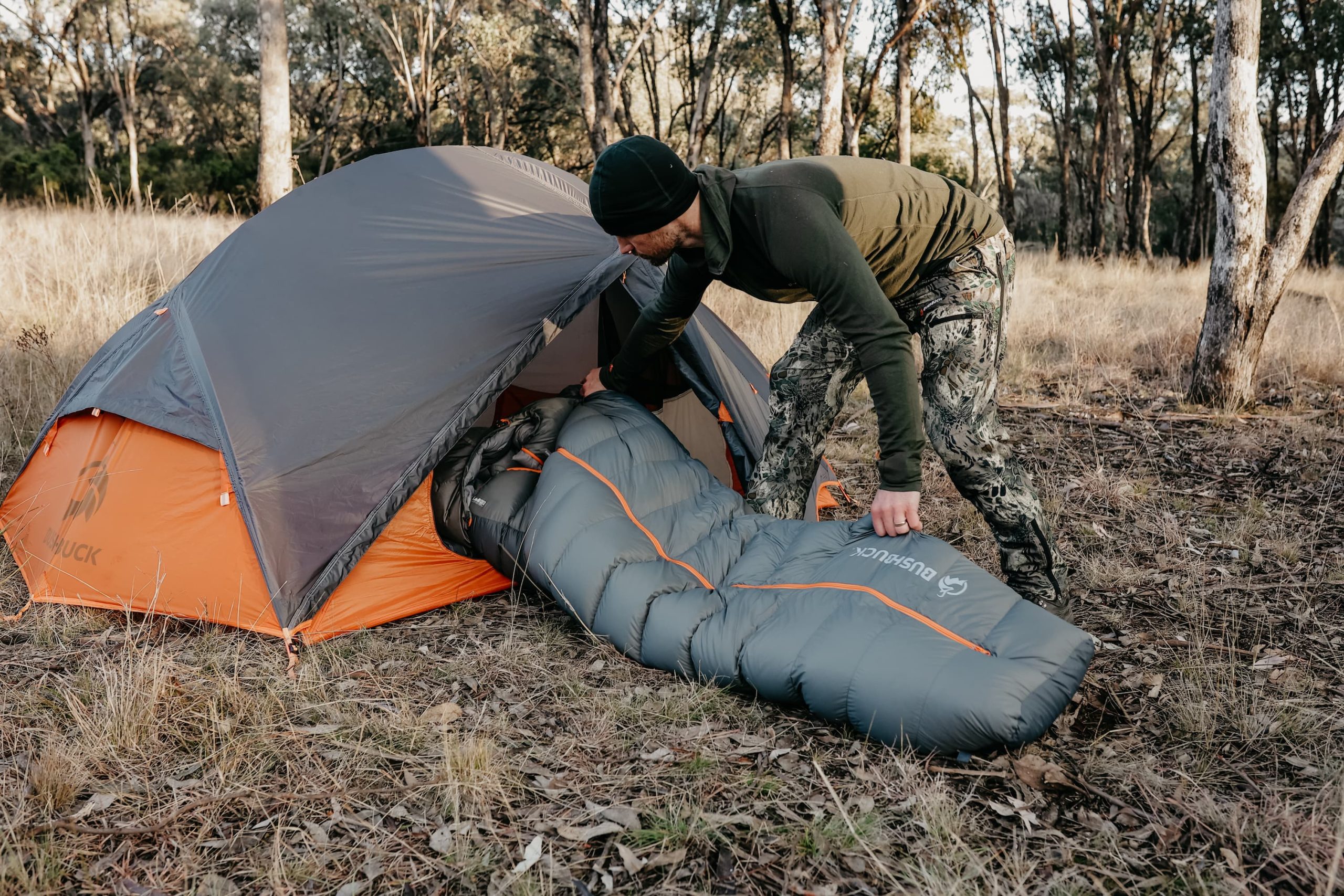
Cold nights in the mountains have a way of revealing whether gear truly performs as advertised. A sleeping bag that looks warm on paper can feel completely different once the temperature drops and the wind pushes against the tent walls. Temperature ratings printed on sleeping bags promise guidance, but the numbers often confuse hikers, climbers, and backpackers who expect them to predict comfort precisely. After many nights spent in alpine camps, forest clearings, and windy ridgelines, those numbers start to make far more sense.
A sleeping bag rating is not a guarantee of warmth. It is simply a standardized estimate created through laboratory testing designed to help outdoor travelers compare products. The number tells part of the story, but real-world warmth depends on far more than a single temperature printed on a tag.
Many hikers assume a bag rated for 20°F means they will sleep comfortably at that temperature. Reality tends to be more complicated. The rating system measures survival limits, comfort ranges, and environmental assumptions that rarely match every mountain campsite. A closer look at how those numbers are determined explains why experienced backpackers treat ratings as guidelines rather than promises.
The Standard Testing System Behind Temperature Ratings
Modern sleeping bag ratings rely heavily on a testing protocol called the EN or ISO standard. These systems were developed so manufacturers could evaluate sleeping bags using the same scientific method instead of relying on guesswork. A heated mannequin dressed in thermal layers is placed inside the sleeping bag while sensors measure heat loss under controlled conditions.
The mannequin simulates the average human body and records how well the sleeping bag retains warmth in a cold environment. By analyzing the heat escaping from different sections of the body, testers can estimate several temperature ranges for the bag. This process allows brands to assign ratings that are at least somewhat comparable across different products.
Despite the scientific setup, the mannequin cannot perfectly replicate the complexity of real human sleep. People shift positions, curl up, or stretch out during the night. Metabolism varies widely from person to person, which means two hikers using identical bags in identical weather might experience completely different levels of comfort.
Laboratory testing also assumes the sleeper is wearing thermal base layers and lying on an insulated sleeping pad. Remove the pad or wear lighter clothing, and the results can change dramatically. These controlled conditions explain why the rating should be viewed as a starting point rather than a definitive prediction.
Comfort, Limit, And Extreme Ratings Explained
Most sleeping bags that follow international standards list three different temperature categories. Each number reflects a different threshold of warmth based on the mannequin testing results. Those categories are typically labeled comfort, limit, and extreme.
The comfort rating represents the temperature at which an average cold sleeper can rest comfortably through the night without feeling chilled. Many brands base this value on the thermal needs of an average woman, who tends to lose body heat faster than men. Backpackers who prefer a warm sleeping experience usually focus on this number when selecting gear.
The limit rating refers to the lowest temperature at which an average warm sleeper can remain asleep without waking from cold stress. This measurement is often associated with the metabolic characteristics of the average man. While sleep may still be possible at this temperature, the margin of warmth becomes thinner.
Extreme ratings describe survival conditions rather than comfort. At this level, the bag may prevent hypothermia for several hours but will likely feel dangerously cold. Relying on the extreme number for trip planning would be a serious mistake, yet many beginners mistakenly treat it as the primary rating.
Knowing which of these numbers appears on a product label helps explain why some bags seem far colder than expected. Marketing materials sometimes emphasize the lowest number because it appears more impressive.
Why The Numbers Feel Different In The Mountains
Outdoor conditions rarely match the controlled environment used during laboratory tests. Wind, humidity, elevation, and ground temperature all influence how warm a sleeping bag actually feels. A calm night in a forest valley can feel dramatically warmer than a breezy campsite on an exposed ridge.
Moisture is another major factor that rarely appears in product descriptions. Damp air reduces the insulating efficiency of both down and synthetic insulation. Condensation inside a tent can slowly degrade warmth through the night, especially in colder climates where moisture freezes within the insulation.
Fatigue and calorie intake also play a role in warmth. After a long day climbing steep switchbacks, the body burns energy to recover. A well-fed hiker with a warm meal in their system usually sleeps warmer than someone who skipped dinner or reached camp exhausted.
Sleep position influences insulation as well. Curling into a slightly fetal posture reduces exposed surface area and helps retain heat. Stretching out flat can increase heat loss, especially if cold air sneaks into the hood or collar area.
These environmental and physical variables explain why sleeping bag ratings function more like estimates than precise predictions.
The Role Of Sleeping Pads In Overall Warmth
Insulation beneath the body matters just as much as insulation around it. Sleeping bags compress under body weight, reducing the effectiveness of the insulation on the underside. Without a sleeping pad, heat escapes quickly into the cold ground.
Manufacturers assume the sleeper uses a pad with a moderate insulation rating when calculating temperature performance. The pad’s R-value measures how well it resists heat transfer from the body to the ground. Higher numbers indicate stronger insulation.
Cold ground can drain body heat surprisingly fast. Even a thick sleeping bag will struggle to maintain warmth if the pad beneath it lacks sufficient insulation. Many backpackers who blame their sleeping bag for cold nights later realize the problem came from their ground insulation.
Combining a properly rated sleeping bag with a suitable sleeping pad creates a complete sleep system. Treating these items as separate pieces of gear often leads to uncomfortable nights on the trail.
Differences Between Down And Synthetic Insulation
Sleeping bag insulation generally falls into two major categories: down and synthetic fibers. Each material affects warmth, weight, and performance in cold environments.
Down insulation comes from the soft underfeathers of ducks or geese. These clusters trap air extremely efficiently, creating impressive warmth relative to weight. High-quality down bags compress into small sizes and perform exceptionally well in dry, cold climates.
Synthetic insulation relies on engineered fibers that mimic the structure of down. While slightly heavier, synthetic materials maintain better performance when wet. Rain, humidity, or condensation inside a shelter can reduce down’s loft, while synthetic fill continues to insulate even when damp.
Temperature ratings for both materials are tested using the same standards, yet the field experience may vary depending on environmental conditions. Damp mountain air or heavy condensation may reduce the effectiveness of down bags more than synthetic ones.
Each insulation type has advantages, but the temperature rating itself does not change based on the material. The rating only reflects the measured thermal resistance during testing.
Body Metabolism And Personal Sleep Temperature
Human bodies produce heat at different rates. Some hikers naturally run warm, while others struggle to stay comfortable even in moderately cool conditions. Personal metabolism often explains why sleeping bag ratings feel accurate for some people and misleading for others.
A warm sleeper may remain comfortable several degrees below the limit rating of a bag. A cold sleeper, on the other hand, might feel chilled even above the comfort rating. Age, body composition, and fatigue all influence heat production during sleep.
Food intake has a noticeable impact as well. Eating a calorie-dense meal before bed fuels the body’s overnight heat generation. Warm drinks can also help the body maintain temperature during the early part of the night.
Clothing layers inside the bag make a difference too. Lightweight thermal layers, warm socks, and a hat can boost insulation without requiring a heavier sleeping bag. These small adjustments often determine whether a night in the mountains feels restful or restless.
Recognizing personal sleep tendencies helps hikers interpret temperature ratings more realistically.
Seasonal Ratings And Backpacking Trip Planning
Backpacking gear lists often categorize sleeping bags into seasonal ranges such as summer, three-season, and winter. These labels loosely correspond to typical temperature ratings used for different environments.
Summer sleeping bags usually feature comfort ratings around 35–45°F. They are lightweight and breathable, making them ideal for warm nights or low-elevation trips. In cooler alpine regions, however, these bags may feel inadequate once nighttime temperatures drop.
Three-season bags typically fall between 10°F and 30°F comfort ratings. Many backpackers rely on this range because it covers most spring, summer, and autumn mountain conditions. These bags balance weight and insulation well enough for diverse climates.
Winter sleeping bags carry much lower ratings, often below 0°F. They include thicker insulation, draft collars, and larger hoods designed to trap heat in extremely cold environments. The added warmth comes with increased bulk and weight.
Seasonal categories help simplify gear selection, but experienced hikers still check the actual temperature ratings rather than relying solely on the season label.
Practical Ways To Stay Warmer At Night
Several small adjustments can dramatically improve warmth inside a sleeping bag. Simple habits often make more difference than upgrading to a heavier bag.
Dry clothing is essential before climbing into the sleeping bag. Moisture trapped in socks or base layers quickly chills the body. Changing into dry sleep clothes creates an insulating layer that preserves body heat.
A warm water bottle placed near the feet provides a surprising amount of comfort. The heat radiates gradually through the sleeping bag, warming the entire interior space. Many backpackers use this trick during cold mountain nights.
Ventilation inside the shelter also plays a role. Condensation buildup can dampen insulation and create a clammy sleeping environment. Allowing a small amount of airflow often keeps the interior drier and warmer overall.
These habits complement the sleeping bag’s rating rather than replacing it. Good technique combined with appropriate gear creates a far better sleep system than relying on temperature numbers alone.
Reading Product Labels With A Critical Eye
Outdoor gear marketing sometimes highlights the most dramatic number available. A sleeping bag might advertise a 0°F rating, but closer inspection may reveal that number refers to the extreme survival rating rather than comfort.
Checking the product label carefully reveals which rating is being emphasized. Reputable brands usually provide all three numbers so hikers can interpret them correctly. If only one number appears, it may not represent true comfort conditions.
Product reviews and field reports often reveal how a sleeping bag performs outside the lab. Backpackers sharing real-world experiences provide valuable insights into whether the ratings align with actual mountain conditions.
Looking beyond the headline number helps prevent unpleasant surprises during overnight trips.
Temperature Ratings As A Guide Rather Than A Promise
Numbers printed on sleeping bags offer helpful guidance, but mountain nights rarely follow laboratory predictions. Wind, humidity, terrain, and individual metabolism constantly influence how warm a sleeping bag feels.
Treating temperature ratings as flexible estimates rather than fixed rules leads to better trip planning. Many experienced backpackers select bags with comfort ratings slightly warmer than the expected nighttime temperatures.
That extra margin of insulation creates a buffer against unexpected weather changes. A cold front, higher elevation campsite, or strong wind can quickly drop temperatures below the forecast.
A sleeping bag rating ultimately serves as a reference point within a larger sleep system that includes clothing, shelter, nutrition, and ground insulation. Interpreting those numbers with experience and caution leads to warmer nights and better rest in the mountains.
